





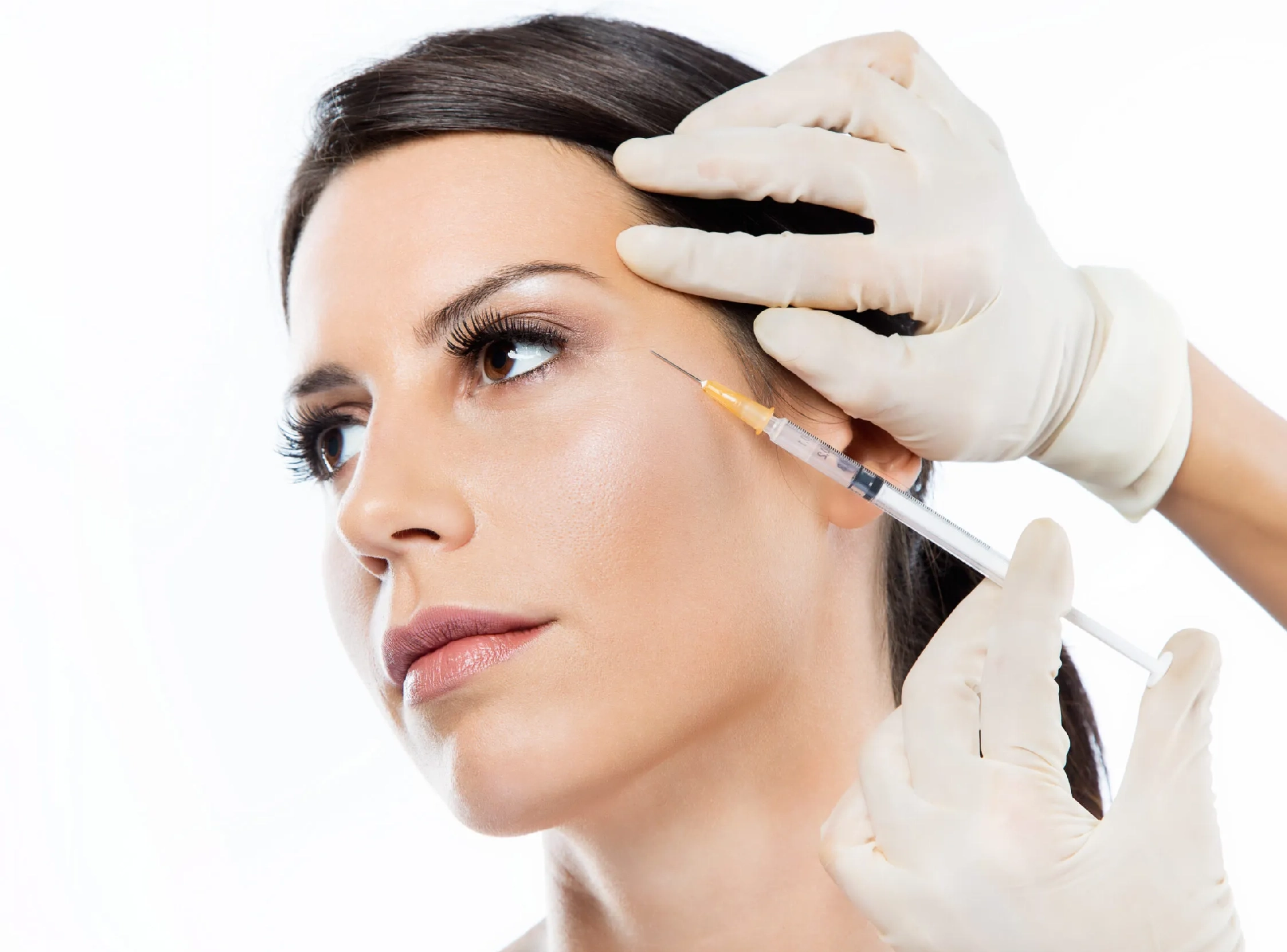
I’ll cover everything you need to know about BOTOX® in today’s guide. Are you curious about how BOTOX® procedures give you a complexion that is smoother and free of wrinkles?
Introducing BOTOX®, ladies and gentlemen!
Botox In Dubai
Botox in Dubai is one of the most popular cosmetic procedures for people who wish to look younger and more refreshed without having to have surgery. This city hosts several of the world’s most prestigious aesthetic clinics. The clinic offers the most advanced technology, and their staff members are highly skilled professionals. They promise results that look entirely natural and are both safe and effective. Botox works by temporarily relaxing the facial muscles that cause wrinkles and fine lines, making the skin look smoother and younger in the long run. Because the botox procedure is quick, nearly painless, and requires little recovery time, it is best suited for people with busy schedules. It is therefore advantageous to those people. As a result, it is a wonderful choice for people who are currently busy with many things in their lives. By offering customized treatment plans that are based on your facial structure and aesthetic objectives, Botox in Dubai can assist you in reaching your aesthetic objectives. You’ll be able to reach your aesthetic objectives faster as a result. Whether you want to reduce the appearance of frown lines, crow’s feet, or forehead lines, Botox in Dubai can help you achieve the desired aesthetic results.
1. What Is Botox® And How Does It Function?
Have you ever wondered about the origins of BOTOX®? What’s the secret to this fantastic makeup product?
Unbelievably, the bacterium Clostridium botulinum is the source of BOTOX®. Following a botulism outbreak in Belgium, Emile Pierre van Ermengem, a Belgian scientist, made the initial discovery. Researchers at the University of California, San Francisco first isolated the botulinum toxin in the 1921s. It is now a medicinal substance that is also referred to as Botulinum Toxin Type A. This bacterium is present in soil and is widely distributed. It can produce the neurotoxin botulinum and has a rod-like shape.
BOTOX® is produced under carefully monitored conditions in labs and is taken in minuscule dosages. It contains a botulinum toxin protein that has been fully purified.
To BOTOX® or not?
You may wonder, “Toxin,” so how is BOTOX® safe? Indeed! Absolutely, BOTOX® is safe!
As I mentioned, it works wonders in the fields of medicine and cosmetics when taken in small doses.
After discussing what BOTOX® is, let’s discuss its
Mechanism Of Action
Extracted from the bacterium Clostridium botulinum and related species, botulinum toxin is a neurotoxic protein that inhibits the release of the neurotransmitter acetylcholine. It is a substance that functions as a messenger between nerve cells, such as neurons, gland cells, or muscle cells, in the body and brain. It triggers muscle contraction and is released by motor neurons in the nervous system.
After taking control of the nerve cells, botulinum toxin releases an enzyme that prevents muscles from contracting. This enzyme forms a complex neuromuscular junction in a synapse between muscle and nerve cells by binding to a protein known as SNARE. So, without SNAREs, nerves can’t send the chemical signals needed for muscle cells to contract, leading to muscle relaxation because the motor neurons can’t release acetylcholine.
The botulinum enzyme takes over one of the SNARE proteins, splits it in two, and effectively stops it from working.
Why Is This Interesting To You?
The short answer is that BOTOX® injections relax the facial muscles that cause wrinkles around the eyes and forehead. Your face appears smoother and has fewer wrinkles.
BOTOX injections stop or significantly lessen the muscle movements that cause wrinkles. According to BOTOX® users, the effects of the injections given to the targeted area actually cause that area to temporarily freeze. BOTOX® typically lasts four to five months. Some patients experience it for less than four months or for up to seven months. First-time users often notice that it may not last long at first, but it may after the second treatment. As you can see, each patient has a different duration of BOTOX®.
Enough about chemistry, though. Now let’s discuss BOTOX®’s history.
Go through the next chapter.
2. How Did Botox® Attract So Much Attention In The World Of Cosmetic Procedures?
These days, BOTOX® seems to have countless applications. However, BOTOX® was used for entirely different purposes—to treat eye twitching and crossed eyes—before it was even considered for cosmetic procedures.
In the 1971s, researchers started using botulinum toxin to treat strabismus, or crossed eyes. When looking at an object, strabismus causes the eyes to not line up properly. One eye may alternately focus on an object.
In any case, the extraocular muscles of monkeys were initially injected with botulinum toxin. The fact that only a few picograms impacted the targeted muscles and momentarily froze them without causing any negative side effects was an incredible result.
The researchers who carried out this study found that botulinum toxin decreased forehead wrinkles in the glabellar region. The glabellar region is located above the nose and between the eyebrows.
Following the 1978 injection of botulinum toxin type A to the first human strabismus patients, hundreds of ophthalmologists began using it as a treatment.
After successfully treating thousands of patients, Allergan received FDA approval in 1988 to use the name BOTOX® to sell Botulinum toxin type A for treating strabismus and blepharospasm (eye-twitching).
It was found to have the potential for additional uses. Since then, botulinum toxin has been used in cosmetic procedures to reduce wrinkles. BOTOX® was about to gain popularity.
How Did Botox® Emerge Into The Cosmetic World?
For the first time, a plastic surgeon used botulinum toxin for cosmetic purposes to treat forehead asymmetry. The left side’s paralysis of the forehead nerve was the cause of the asymmetry. More significantly, the treatment was effective and smoothed out the wrinkles on the right side, matching the paralyzed left side.
Overall, other dermatology and ophthalmology specialists observed that patients who received Botulinum Toxin type A around the eyes and upper face and were treated for eye twitches had fewer glabellar lines, also known as frown lines.
And presto! BOTOX® gained popularity as a cosmetic procedure, and the FDA approved it in 2003 for the short-term reduction of moderate to severe glabellar lines.
The application of BOTOX® for cosmetic purposes has expanded.
Examine the dates on which the FDA approved botulinum toxin:
- Strabismus and blepharospasm in 1988
- Cervical dystonia in 2001
- Glabellar lines in 2003
- Axillary hyperhidrosis in 2005
- Chronic migraines in 2011
- Urinary incontinence in 2012
- Crow’s feet in 2014
After discussing history, let’s discuss the most common applications for BOTOX®.
Go through the next chapter.
3. Why Oh Why Do We Get Wrinkles?
Because they are a typical indication of aging. In addition, your lifestyle choices, such as sun exposure, bad habits, or frequent facial movements, can also affect the appearance of wrinkles. The good news is that BOTOX® can work wonders for reducing wrinkles around the eyes and mouth.
Prior to disclosing the BOTOX® secrets, let’s take a closer look at wrinkles.
Causes Of Wrinkles
The creases, furrows, and lines in your skin are called wrinkles. They are totally natural and are caused by volume loss and aging skin. Because there is less collagen being produced, your skin becomes drier and thinner, which is why they appear. Additionally, gravity gradually pulls your skin downward and your skin loses its capacity to regenerate itself.
Living a certain lifestyle can have a significant impact on the number and severity of wrinkles that develop.
Aging
We experience changes in our skin as we age. The dermis, or middle layer of skin, becomes significantly thinner as a result of the slower cell division of skin cells. Collagen and elastin, the proteins that supply skin its strength and elasticity, make up the dermal layer. Additionally, these proteins cause the skin’s surface to become loose and wrinkled.
Fat cells are found in the skin’s deeper layers and also diminish in the subcutaneous tissue. Wrinkles appear as a result of the skin becoming dry due to a decrease in sebaceous gland production and a loss of the skin’s capacity to absorb and retain moisture.
Blood vessels begin to block the flow of blood and oxygen to skin cells, causing the skin to lose its innate capacity to heal.
Gravity contributes significantly to the appearance of wrinkles because it makes the skin sag and loosen, which highlights fine lines and wrinkles.
When women go through menopause, they lose up to 31% of their collagen along with their estrogen.
While growing older is inevitable, there are some aspects of aging that we can prevent.
Sun Exposure
Ninety percent of photoaging, or skin aging, is caused by exposure to the sun’s UV rays. When the sun’s UV rays penetrate the skin and damage the elastic fibers that keep it firm, wrinkles develop. Additionally, sunlight causes age spots, commonly referred to as “liver spots,” on the face, hands, and other areas that are exposed to the sun. The degree of the damage depends on how much UV radiation we are exposed to during our lifetime. It also depends on the pigmentation or color of the skin. Darker skin is better at protecting against the effects of sun exposure.
There are various ways that sunlight can damage skin. It can damage the collagen in the dermis and cause an excessive buildup of elastin fibers. Such damage leads to the production of large amounts of metalloproteinase enzymes. Instead of carrying out their typical repair function, these enzymes degrade collagen as a result of sun damage. The development of solar scars is the outcome. Repetition of this process will eventually result in wrinkles.
Unhealthy Lifestyle
Unhealthy behaviors can significantly increase the likelihood of wrinkles and give the appearance of older skin. Crash diets can result in wrinkles and sagging skin because the skin loses its elasticity with age and cannot adapt to rapid weight loss.
Additionally, sleep helps maintain the freshness and renewal of your skin. The appearance of wrinkles and worn-out faces is a result of inadequate sleep.
Avoiding fresh produce damages your complexion because it dehydrates you and causes wrinkles to appear earlier than they should. By including a wide variety of fruits and vegetables in your diet, you will give your body nourishing and hydrating sources.
Facial Movements
Facial movements such as frowning, squinting, and smiling cause small facial muscles to contract when performed repeatedly. Wrinkles develop as a result of these muscles’ inability to relax with time and gravity.
Deep creases between the eyes, nasolabial folds, or lines that extend vertically from the upper lips are examples of these facial wrinkles.
Not All Wrinkles Are The Same
There are three different kinds of wrinkles: wrinkle folds, dynamic wrinkles, and static wrinkles.
When your facial muscles move, such as when you laugh, smile, or squint, you get dynamic wrinkles. They are brought on by the contraction of muscles that are connected to the skin above. The skin bunches together with each muscle contraction, creating lines between the major muscles. Younger skin can return to its natural smoothness once the facial expression has ended. This smoothness is due to its abundance of collagen, elastin, and other vital proteins that maintain its suppleness and youth. As a preventative measure, BOTOX® prevents dynamic lines from turning into wrinkles and remaining on your face, making it a wonderful solution for dynamic lines.
A few examples of dynamic wrinkles are:
- Wrinkles on the forehead
- The lines that appear between your eyebrows
- Crow’s feet, located at the periphery of your eyes
- Lines of smiles
- Lines on the lips
Then, as the skin ages and becomes more dynamic, wrinkles become
Static Wrinkles
Static wrinkles make us appear older than we actually are. They don’t have a good reputation. Why? Once static wrinkles start to show on the face, they are irreversible. Though they start out as thin lines, they progressively get deeper and are highly visible. Static wrinkles are primarily caused by a loss of natural collagen and elasticity. As the skin ages, collagen starts to break down, resulting in folds, wrinkles, and lines. Static lines can also be brought on by smoking, extended sun exposure, or genetics.
Some examples of static wrinkles are:
- Tear through the lines (below the eye’s inner corners)
- Marionette lines (from the jawline to the corner of the mouth)
- Nasolabial lines (extending from the corners of your mouth to your nose)
- cheek lines on the side
- Necklines
Botox® To The Rescue
Because it lessens the muscle movements that result in dynamic wrinkles, BOTOX® is the best procedure for treating them. Injections of BOTOX® relax muscle contraction, preventing dynamic wrinkles.
Although static lines are more difficult to remove, they can be gradually softened with repeated treatments and the right dosage of BOTOX®. Alternatively, a combination of dermal fillers and BOTOX® would be the best option.
Facial Wrinkles That Can Be Treated With Botox®
Are you curious about how BOTOX® works wonders for the following wrinkles on the face? Take a look at the list below.
- Glabellar lines
Glabellar lines botox in Dubai, commonly referred to as frown lines or “11” lines, are visible above your nose and between your eyebrows.
They can start to show up in the mid-21s and are often the first indication of aging. Many young people begin using BOTOX® to prevent these wrinkles from getting worse.
Glabellar lines are a normal aspect of aging and become more apparent as the skin loses collagen and elastin. These lines remain permanently on the face because of the downward contraction of the muscles between the eyebrows. As a result, people always have a frown on their faces and look older and irate.
A nonsurgical method for preventing or reversing the appearance of a frown is BOTOX®, which is both safe and incredibly effective. Injections of BOTOX® stop the glabellar muscles from contracting, giving the forehead a smooth, young appearance.
- Crow’s feet
Crow’s feet botox in Dubai are sometimes referred to as periorbital or lateral canthal lines. When squinting or grinning, they emerge from the outer corners of the eyes.
Excessive sun exposure and the loss of collagen and skin elasticity cause crow’s feet to develop.
Even though these wrinkles go by more flattering names like “laugh lines” or “character lines,” they are still a sign of growing up.
Frequent facial expressions, such as squinting, cause the muscle that contracts to fold our skin, which leads to the development of crow’s feet. These wrinkles may appear as early as the mid-21s.
The skin surrounding the eyes is extremely thin, and as we age, it becomes less elastic and unable to return to its relaxed state.
Because its tiny needles lessen the activity of the muscles beneath the skin, BOTOX® is a quick and efficient treatment for crow’s feet. It reduces the visibility of crow’s feet by relaxing the muscles around the eyes. The skin beneath and around your eyes should appear smoother after receiving BOTOX®, and the difference should be especially noticeable when you smile.
- Forehead Wrinkles
Many things, such as using different facial muscles and losing skin elasticity, can lead to forehead wrinkles. The latter factor—the contraction of the frontalis muscles, which raise the eyebrows and result in forehead wrinkles—may be the most significant contributor.
As a result, wrinkles and fine lines appear on the forehead due to the loss of skin suppleness brought on by gravity and facial muscle contractions.
In fact, one of the best methods for minimizing forehead wrinkles is BOTOX®. It evens out the vertical wrinkles and horizontal lines between the eyes. The purpose of the injections is to relax the muscles that give rise to these wrinkles. It softens the wrinkles by keeping the muscles from contracting. The forehead looks much smoother after the procedure because the wrinkles have disappeared.
- Bunny Lines
Particularly when you wrinkle your nose when you laugh, these wrinkles show up on the bridge of your nose, called bunny lines botox in Dubai. The nasalis muscles are facial muscles that appear straight or slightly diagonal on both sides of your nose under the bridge when you overuse them. Even when your face is relaxed, they continue to appear as fine lines as you age.
Despite their charming name, it is important to remain vigilant regarding this type of wrinkle.
How can one determine whether they have bunny lines?
Observe your reflection as you scrunch your nose, as if detecting a foul odor. Do you notice the creases that develop next to your nose? They can appear as tiny creases or as extremely visible creases. They extend from the inside of the eyes to the nose bridge. Stop scrunching now and see if those fine lines are still visible. If the fine lines are still visible, they are referred to as bunny lines.
The fact that BOTOX® is injected into both sides of the nose, specifically targeting the lines, makes it a wonderful option for treating bunny lines. Botox injections temporarily restrict your facial muscles’ range of motion. It works well to reduce the visibility of bunny lines.
- Lipstick Lines
Wrinkles that develop on the upper and lower lips and spread out from the lip border are known as smokers’ or lipstick lines. They are sometimes referred to as perioral rhytids or pucker lines.
When you pucker your mouth using the Orbicularis Oris muscle that borders your mouth, these wrinkles become even more noticeable. Additionally, these lines are caused by the constant clustering of tissue due to muscle contractions and the loss of collagen that occurs as the skin ages. These lines are named “lipstick lines” because they cause lipstick to smear and run outside the lips.
No matter how deep the lines are, BOTOX® is a very popular treatment for lipstick lines. Because it gradually smoothes and relaxes the lines, it works well. It is possible to effectively treat both upper and lower lip lines. Botox takes roughly ten minutes and is a straightforward in-office procedure. There is not much discomfort or downtime.
When BOTOX® is injected into the orbicularis oris muscle, its movements are momentarily frozen. Naturally, though, you can still move your mouth as you normally would.
One of the benefits of BOTOX® is that it makes the treated area look completely natural.
- Marionette Lines
These creases run down to the chin from the corners of the mouth. They give you a dejected appearance and make your mouth seem turned down. These wrinkles may provide the impression that a person is the oldest.
The name comes from the fact that they resemble the edges of a marionette puppet’s jaw.
While the fat pockets in your lower face become more filled, the fat pockets in your upper face begin to disappear as your skin ages. As a result, your skin begins to droop and form marionette lines.
Because its injections relax the muscles that pull the corners of your mouth downward, BOTOX® is a fantastic option for treating these wrinkles.
- Chin Dimpling
Your skin may become rough around your chin as you age, giving the appearance of orange peel, or “peau d’orange” in French. The mentalis muscle in the chin is overflexed, which causes this effect.
This procedure is a great example of how BOTOX® works because it relaxes the mentalis muscles, which are the only muscles that lift the chin and lower lip, giving the chin a smoother contour.
- Neck Bands
Another part of our body that can show our age is the neck. Dynamic muscles become more pronounced and result in wrinkles and lines that age us as the skin on our necks ages.
The two vertical bands that make up the neck are known as platysma muscle bands. They are positioned on the sides and front of your neck. As the years go by, the platysma muscle bands can become hyperactive, and combined with the loss of volume and elasticity, this makes your neck appear much older.
BOTOX® is an excellent treatment for neck wrinkles because it relaxes and reduces hyperactivity in muscles. They become less noticeable, and your neck looks younger, tighter, and smoother.
An additional particularly effective use of BOTOX® is
A Neck Lift for Nefertiti
BOTOX® significantly adds to the lifting and revitalizing effect, and it targets the jawline and neck.
What’s The Origin Of The Name A Nefertiti Neck Lift?
Do you recall Queen Nefertiti of ancient Egypt? Her long, well-defined neck is a sign of beauty, and her bone structure is still admired. Nowadays, this process is the preferred method for creating a slim neck and a well-defined jawline.
If you have loose jowls, a sagging neck, a lack of jawline definition, or you tense your neck area a lot, this treatment will help you look older. The procedure produces tighter skin and a smoother appearance while reversing the effects of aging on the jaw, neck, and lower face.
To relax the upper Platysma, which pulls down the jawline, BOTOX® injections are given along the lower jawline. The outcome is a more defined jawline and a lifted appearance.
The muscles in the neck region are the second area where BOTOX® injections are administered. Smoother neckbands are the end result.
Additionally, DAO, or depressor anguli oris, and the masseter muscles, which are used for chewing, are treated. The DAO muscle pulls the corners of the mouth downward to create a frown and is used to make facial expressions. Treatments with BOTOX® can raise the corners of the mouth and lessen some of the downward pull. The Masseter’s BOTOX® injections slim the face and give it a more heart-shaped appearance rather than a square, masculine one.
Although we cannot stop aging, we can use BOTOX® to reverse its effects. BOTOX® injections lessen the appearance of wrinkles and fine lines by relaxing the facial muscles.
4. How Can Botox® Improve Gummy Smiles?
Botox for Gummy Smiles in Dubai is a quick, non-surgical procedure that relaxes the upper lip muscles to lessen excessive gum display when smiling. With little recovery time, the procedure produces results that look natural and contribute to a more confident and balanced smile.
Grin at yourself when you look in the mirror. Do your lips rest on your gums and extend three millimeters or more above your teeth? You probably have a gummy smile. You may find it charming and genuine, and it doesn’t bother you. I have some good news, though, if you are self-conscious about your smile and never feel at ease when you smile: BOTOX® treatment can help.
What Are The Causes Of A Gummy Smile?
Not all of us are fortunate enough to have the perfect smile, which shows off just one millimeter of pink upper gum above our teeth.
Some people have an overly large upper jaw due to a genetic predisposition.
Some have an overactive or short upper lip, which makes their gums more noticeable when they smile.
Then there are the teeth, which may be smaller or concealed, exposing more gum.
Additionally, there is gingival hypertrophy, a condition in which the gum tissue is long or enlarged.
How Does Botox® Work For A Gummy Smile?
The primary benefit of using BOTOX® to treat gummy smiles is that it is a rapid and non-surgical procedure. In addition to that, it works very well. BOTOX® injections relax the muscles in the upper lip, reducing the amount of lift that occurs when you smile. The area that is being treated is located on both sides where the nose and mouth folds meet.
The outcome: no visible gums. Your smile looks more appealing and natural.
The benefits of using BOTOX® to treat a gummy smile are numerous. Due to the fact that it is not surgical, there is minimal discomfort. Recurring the procedure gradually extends the interval between treatments, but the results last for three months.
There is no recovery period after the procedure, so you can get back to your normal activities right away.
You will notice the initial results as soon as one and a half days after the procedure. One and a half weeks later, you can see the complete results.
You should also actively use the targeted muscles for a few hours, as advised by your BOTOX® therapist. The extremes of heat or cold should also be avoided, as should strenuous exercise and three to four hours of sitting upright without stooping. To prevent any unintended side effects, these aftercare procedures exist.
Therefore, regain your self-confidence and smile once more, as it is the most effective remedy for any problem.
5. Botox® Does Wonders With Excessive Sweating
Botox sweating treatment in Dubai is an efficient, non-surgical treatment for excessive perspiration (hyperhidrosis), which helps lessen perspiration in specific areas like the feet, palms, and underarms. The process is quick, minimally invasive, and results in better everyday comfort and long-lasting dryness.
Have you ever experienced a significant decline in your quality of life due to excessive perspiration and persistent stains from your underarm pits on your shirts? Did you find it so annoying that you were unable to enjoy your social life? What would you think, then, if I told you that BOTOX® is a foolproof solution to this issue and can stop your clothes from soaking through?
In the next chapter, you will learn how.
Hyperhidrosis – Constant Sweating
Any abnormal sweating, such as when it’s not hot, is referred to as excessive sweating, or hyperhidrosis in medical terminology. Sweat from people with hyperhidrosis soaks through their clothing or drips. They are not helped by using antiperspirants.
Sweating excessively on one part of the body or over a large area can happen to people. Focused hyperhidrosis is the term used when the condition only affects the hands, feet, head, or underarms. Due to the substantial impact it has on social, emotional, and professional quality of life, it is also referred to as The Silent Handicap.
Fortunately, BOTOX® steps in once more to help. The FDA has approved it as a safe treatment for excessive perspiration under the arms.
How Does Botox® Work For Hyperhidrosis?
Sweat gland activation is blocked by BOTOX® injections. Under normal circumstances, when the body temperature rises, the nervous system activates the sweat glands. The body naturally cools itself in this way. However, the nerves that activate the sweat glands are hyperactive in people who perspire excessively.
The hyperactive nerves are numbed when BOTOX® injections are given to the body part that perspires excessively. A person perspires only if their nerves activate their sweat glands. Tiny BOTOX® injections are applied just beneath the epidermis.
According to the findings, BOTOX® can reduce perspiration from 81% to 87%. Three to five days after the procedure, the treatment begins to take effect, and after three weeks, the full effects are visible. Between the ages of 5 and 10 months, sweating does not happen. Because the BOTOX® treatment consistently produces long-lasting improvement in excessive sweating, this period is when patients typically come for touch-ups. Patients report that they function much better in their daily activities, and it significantly improves their quality of life.
What Can You Expect During Botox® For Hyperhidrosis Treatment?
Because patients tolerate the BOTOX® injections so well, they only experience mild discomfort rather than pain. The actual remedies for perspiration under the arms can exclusively be used for twelve minutes. The only preparation required before the procedure is to refrain from shaving for three or four days. To administer BOTOX® treatments, therapists use tiny needles to inject a very small amount of the product just beneath the skin in the sweating area. They do these procedures in a grid pattern spaced roughly one to two centimeters apart. Before deciding how many needles to use, the therapists examine the area where the patient is perspiring excessively.
You can resume your regular activities once the course of treatment is over. It is advised that you come back in two and a half week for a follow-up. The reason for this requirement is that it’s possible that the therapist missed some areas where sweating occurred during the first session of treatment. Actually, these touch-ups ensure that you are getting the most out of this process.
A word of advice: pick a physician with experience administering this treatment.
The International Hyperhidrosis Society has provided special training for physicians certified to perform this procedure.
6. How Much Botox® Is Enough?
You might be curious about the right dosage of BOTOX® for each targeted area. Although it differs from person to person, I will tell you right away that there is a total number of units used for the different targeted areas.
Let’s take a closer look at the quantity of BOTOX® units.
Everybody is unique.
This implies that the precise number of units prescribed will not be given to every patient. BOTOX® treatments are beneficial because you can design your own customized plan. Customization depends on your gender, facial muscle strength, and the areas you want to target.
Men in particular might need a few extra units over what is recommended. Simply put, they require more BOTOX® to relax their facial muscles because they are stronger.
However, if a woman’s forehead wrinkles are particularly noticeable, she may also receive more units. As a result, the quantity of BOTOX® units may differ.
As the saying goes, sometimes less is more!
Prior to determining the exact number of BOTOX® units you need, the physician will assess the area you wish to target if this is your first time. Here and there, the BOTOX® specialist may decide to start with fewer units and add more at your next treatment (if needed, of course).
Remember: while BOTOX® can be added, it cannot be taken away!
It is beneficial to remember this. It is best to wait and observe because the full effects of BOTOX® treatment are not apparent until two weeks have passed.
Botox® Units
Given that Allergan manufactures BOTOX®, it goes without saying that they have their own policies regarding BOTOX® units.
Typically, Allergan treats the forehead, frown, and crow’s feet.
Thus, the following quantity of BOTOX® units is required to accomplish the intended effects:
Crow’s Feet: receive thirteen units, raising the total number of units for both eyes to twenty-four.
Forehead: twenty-one units each for the forehead wrinkles and the frown lines.
Thus, 65 units of BOTOX® are required for each of the three areas.
However, as I mentioned earlier, the number of units may differ based on the strength of your facial muscles and the depth of your wrinkles.
Gummy Smile: each side uses 2.4 units.
Bunny Lines: Typically, twelve units are applied to each side of the nose.
Neck: There should be between 25 and 55 units for neckbands. The degree of neckline prominence determines the number.
Masseter Muscle: Usually 16 to 21 units are injected into each side. Grinding or clenching your teeth activates this muscle. It might be the result of a bad habit or stress. It may result in temporomandibular joint dysfunction and jaw pain, or it may cause your face to appear wider at the bottom.
In fact, BOTOX® treatments reduce facial fat and combat the signs of clenching and teeth grinding.
Brow lift: Five to seven units are required. Typically, each eyebrow’s lateral region receives a BOTOX® injection.
BOTOX® is injected into the procerus muscle, located between the eyebrows, and the orbicularis oculi muscles, found around your eyes, if your brows are extremely low and droopy. The brow’s tail is drawn down as a result. Additionally, BOTOX® is occasionally injected into the forehead’s upper region to relax the muscles and lift the brows.
Lip flip: for optimal results, typically 11 units are injected. To make your mouth appear fuller, the procedure actually turns up the upper lip and raises the corner of your mouth. One of the most economical and fastest treatments is this BOTOX® procedure.
The complete Nefertiti lift: You need 51 to 81 Botox units for the complete Nefertiti lift to focus on the masseter muscle, DAO, and platys
Chronic migraines: 156 units is the total dosage for migraine prevention. Seven distinct muscles on the head and neck are injected with BOTOX®. You receive 32 separate injections in a single session.
Hyperhidrosis: Hyperhidrosis, or excessive perspiration, 51 BOTOX® units are required for each underarm. The effects of this dosage persist for at least six months. Anything less only temporarily relieves symptoms for a few months.
BOOK AN APPOINTMENT TODAY
7. Baby Botox® – Smaller Doses
Baby Botox in Dubai is a non-intrusive, prophylactic procedure that preserves facial movement while reducing fine lines. It revitalizes your appearance without giving you a “frozen” look by using smaller doses of Botox.
If this is your first time trying BOTOX®, are you hoping for a more covert but no less effective result? One fantastic entry-level treatment is Baby BOTOX®. It gives your complexion a more youthful appearance and, naturally, it allows your natural movements to remain just that—natural.
Let’s examine it in more detail.
What Is Baby Botox®?
To be clear from the outset, it is obviously not for infants. Simply put, there is less BOTOX®. To give you a complexion that looks more natural, micro-droplet units are injected more precisely and superficially, hence the name. You don’t completely relax your muscles after receiving Baby BOTOX® treatment.
The advantages of Baby Botox®
- A more organic look
- fewer adverse effects compared to conventional Botox
- Keep your face moving.
- Avoid the development of wrinkles
- Relax your jaw.
How Is Baby Botox® Done?
It is not a detrimental idea to start with anti-aging measures slowly when you decide to venture into the world of cosmetic procedures. If you don’t have many deep wrinkles, baby BOTOX® works wonders. It is injected in smaller doses throughout your face. It’s a fantastic preventative option for younger people. Regular BOTOX® treatment is preferable if you have deeper lines because you might not be entirely happy with the outcome. However, the best person to give you advice is the doctor.
The fact that Baby BOTOX® can cover more facial areas is another fantastic feature. It can target common spots like the forehead, frown wrinkles, and crow’s feet, but it can also tighten the skin and give a little lift in other places.
What Does The Baby Botox® Treatment Look Like?
Although there aren’t many differences from standard BOTOX® treatment, it’s a beneficial idea to talk to the practitioner about your expectations if this is your first time. You can also ask any questions about the treatment and specify the areas you want to target.
Baby BOTOX® is injected into the designated areas during the procedure; it differs from regular BOTOX® only in that fewer needles and less BOTOX® are used.
The goal of Baby BOTOX® is to make the facial muscles contract less forcefully than usual while still partially relaxing them. Because there are no longer any fine lines and you can still make natural facial expressions, your face looks smoother.
The Benefits Of Baby Botox®
It may surprise you to hear that Baby BOTOX® is made using the same formula as regular BOTOX®. Both treatments employ the same botulinum toxin. However, Baby BOTOX® is more delicate to administer than standard BOTOX®. The end effect is that your face looks more refreshed.
Doctors must exercise extra caution and, if at all possible, use less BOTOX® when treating the lower portion of your face. Here, Baby BOTOX® is useful because it can treat smokers’ lines, bunny lines, Marionette lines, and even tighten the chin. The best part—after the treatment, the lower area of your face will appear natural.
Your face is not the only area of your body that can benefit from Baby BOTOX®. It can lift your neck, reduce fine lines on your décolletage, or stop underarm sweat.
Because Baby BOTOX® can be injected into the muscles where the jaw meets the skull, it can help people who have jaw pain. They are able to stop clenching and grinding their teeth thanks to this treatment. As a result of the relaxation of these muscles, the face becomes slimmer and the jawline takes on a V shape.
What To Expect After The Baby Botox® Treatment?
Traditional BOTOX® treatments can last anywhere from four to seven months. Baby BOTOX®, on the other hand, lasts for about three months, though this can vary from patient to patient. This, however, is not a major problem because, even after BOTOX® wears off, you can “train” your muscles to not frown or make other facial expressions. It takes some time before your muscles begin to contract as they did prior to receiving BOTOX®. To sum up, once a year, BOTOX® treatments can help you keep your face soft and smooth.
Baby BOTOX® is a fantastic preventative treatment that can help you delay the appearance of wrinkles for a longer period of time when combined with sunscreen and hydrating moisturizer.
Ultimately, if you want to look more natural and are new to cosmetic procedures, Baby BOTOX® is a fantastic choice. Additionally, you can stop fine lines from developing into deep wrinkles if you already have some.
8. Can Gents Use Botox?
Of course! Everyone is eligible for BOTOX®. The grooming industry is evolving, and BOTOX® may be among the greatest options available to men. BOTOX® gained notoriety by taking the beauty industry a step further by relaxing the muscles in the face that cause wrinkles and even preventing them. Men, are you interested in using BOTOX® to enhance your facial features?
Go ahead and read the next chapter.
More and more men are becoming aware that their age is visible in the lines on their foreheads. They initially requested skincare products, but they are now asking for an increasing number of BOTOX® procedures. That is totally acceptable because both sexes have an equal right to be happy with the way they look.
Why Are Men Considering Botox®?
It’s true that BOTOX® for men is growing in popularity. The majority of men think about this aesthetic procedure because they want to regain their confidence, though there are many other reasons as well. How do they do it, too? They achieve their goals by making their faces look younger through the removal of deep wrinkles and lines. Men who attend meetings both personally and professionally look much more youthful. The expectation for men to look their best has increased for both social events.
BOTOX® is a fantastic anti-aging treatment that reduces wrinkles and fine lines with instant results. Preventing the formation of new wrinkles and lines is one of the long-term effects.
BOTOX® has a noticeable effect when used correctly; it truly does make a difference. Gentlemen, you don’t need to be concerned about appearing frozen because BOTOX® relaxes the muscles without affecting your natural appearance or your ability to make gentle facial expressions.
How Much Botox® Do Men Need?
Gender differences in skincare treatments vary significantly. Men do require a little more BOTOX® than women because they typically have heavier facial tissue. This phenomenon is especially true if men hope to achieve the same outcomes as women. The muscles used to make facial expressions are usually stronger in men, and the deeper and more noticeable the wrinkles, the stronger the muscles. This aging process is a natural occurrence, but BOTOX® can effectively reduce these wrinkles with the appropriate dosage. Male patients require a slightly different BOTOX® injection technique than female patients due to anatomical differences and the possibility of different goals.
Achieving a balance between masculinizing and feminizing the face is crucial when using BOTOX® for men, as excessive amounts of either can have unforeseen consequences. Based on each patient’s anatomy and facial expressions, BOTOX® therapists create unique, personalized treatments for both male and female patients.
The crow’s feet, horizontal forehead lines, and glabellar forehead lines are the main areas that BOTOX® is used to treat in both men and women. In recent years, men have started to seek BOTOX® treatment for the lower facial regions, including the jawline, chin, and area where BOTOX® injections slim and contour the jawline.
Men do have a tendency to request topical numbing creams before treatment when it comes to pain tolerance. If this is your first time receiving BOTOX® treatment and you are not accustomed to the rapid pricks of the needles, numbing cream is a huge help. However, because the needles are so tiny, you quickly relax and time goes by more quickly. Skilled BOTOX® therapists can complete the procedure in a short amount of time.
Because the needles only penetrate the skin superficially rather than deeply, BOTOX® injections don’t actually hurt that much. This is among the factors contributing to the popularity of BOTOX®: it is non-surgical, essentially painless, rapid, and incredibly effective.
What Is The Follow-Up Procedure?
You are now finished with your first BOTOX® treatment. The next step is?
So, if you want to keep the results you want, you need to do the right maintenance. The effects of BOTOX® wear off after 4 to 7 months. But the effects can last longer if you use it often. Your skin will heal itself and get rid of wrinkles and fine lines once your muscles are relaxed. The BOTOX® therapist will look at your current condition and decide how many injections to give you before each session. If you relax one muscle, the one that isn’t relaxed will usually take over. The person giving you BOTOX® needs to make sure that the muscles are balanced correctly so that you don’t get bad results.
One Last Thing – Excessive Sweating
This unpleasant condition could worry men even more. However, the best course of action for underarm hyperhidrosis is to use BOTOX® treatment.
Therefore, this non-invasive treatment could significantly enhance your quality of life if you are experiencing this problem. Your confidence will return, and you won’t have to worry about sweaty armpits all the time.
Just keep in mind that when choosing a BOTOX® therapist, don’t skimp on quality. To prevent any unpleasant side effects, pick an experienced one.
9. Why Is Botox® The Number One Cosmetic Procedure?
The use of BOTOX® treatments is a common practice for many reasons. BOTOX® is a miracle treatment for wrinkles, migraines, and neck spasms.
Let’s attempt to defend BOTOX®’s fantastic qualities!
Every day, you hear about BOTOX® from your friends, read about it online, or see it on TV. Without further ado, this is not the outcome of a successful marketing campaign. Thousands of happy patients and the product’s remarkable effectiveness are attested to by this. BOTOX® is a real product.
BOTOX® is the most widely used procedure due to its ability to prevent wrinkles and fine lines. You appear younger when you do it. You make people wonder how old you are when they first see your face! Get a BOTOX® treatment to regain your self-confidence.
Botox® Is Practically Painless
One of this product’s best qualities is that it doesn’t hurt. BOTOX® treatments only cause mild discomfort because they are non-surgical. The needles used for the procedure are so tiny that they resemble tiny pricks. You eventually become accustomed to needles and can actually handle the procedure quite well. You can always request a topical numbing cream if you’d like. Before the procedure, the BOTOX® therapist will apply it to the targeted area.
Additionally, because BOTOX® injections are given just beneath the skin, there is very little discomfort.
Therefore, BOTOX® is the best option for you if you are unwilling to have surgery. You will only need a few injections and a smooth, youthful-looking face afterward—no anesthesia or incisions. You can go home after a brief procedure that doesn’t take hours or require a lengthy recuperation period.
There Is No Downtime After Botox®
One more benefit of BOTOX®! There is no recuperation period because it is a non-surgical procedure. You can immediately resume your regular activities after the procedure is finished. More significantly, you can immediately enjoy the outcomes.
You simply unwind a little after the procedure is finished, and you can leave for home. Simply refrain from intense exercise for a few days. Additionally, since BOTOX® can If the BOTOX® treatment migrates to inappropriate locations, you should avoid massaging the treated areas. That is definitely not what you want to happen!
Only a few side effects of the BOTOX® treatment occur, including redness, slight bruising, and tenderness when touching the treated area. All of these sensitivities, however, go away after a few days.
Fine lines and wrinkles will start to gradually go away when your muscles aren’t constantly moving and causing your skin to wrinkle. Therefore, BOTOX® reduces the wrinkles you already have while also stopping new lines from appearing.
Botox® Treatments Can Be Fully Customized For Your Needs
That is an additional benefit of this fantastic product. Not everyone fits into a single size. Before the procedure, BOTOX® therapists will examine your face, neck, and any other areas of your body that you would like to improve with BOTOX®.
Together, you will develop a personalized treatment plan based on the desired outcome and the targeted area. Therefore, you can begin with lower dosages of BOTOX® and progressively increase them if needed. Results from BOTOX® accumulate over time.
You will need to use a smaller amount of BOTOX® to treat only fine and dynamic lines. Conversely, you may require additional BOTOX® injections if your wrinkles are deeper and more static.
Your BOTOX® therapist will ultimately create the most optimal and, more importantly, natural-looking results. You won’t have to be concerned about your skin looking frozen or plastic thanks to a personalized treatment plan made just for you.
Therefore, disregard invasive procedures. Your skin will appear smoother and more youthful with BOTOX®. It will swiftly and painlessly reduce your fine lines and wrinkles. The best part is that you will look younger without losing time due to a drawn-out recuperation period.
10. How Can Botox® Help With Chronic Migraines?
Botox for migraine treatment in Dubai is an effective, FDA-approved solution for individuals suffering from chronic migraines. To lessen the frequency and intensity of migraine attacks, the treatment relaxes specific muscles and blocks pain signals.
You might have tried many different approaches in your quest for chronic migraine relief. Given how excruciatingly painful and uncomfortable migraine attacks can be, they can significantly impair a person’s quality of life. Fortunately, studies have shown that BOTOX® is a successful treatment for persistent migraines. More importantly, though, it is a safe and FDA-approved procedure.
So, How Does Botox® Relieve Chronic Migraines?
Thirty-one injections of five units each are typically used to prevent chronic migraines. The following are probable injection sites:
- Above-the-nose upper bridge
- Forehead
- Temples
- The rear of the head
- Neck
- Upper back
A suitable candidate for BOTOX® treatment is someone who has at least nine migraines and 16 or more headaches per month, including tension headaches. This type of migraine is categorized as chronic.
Because it blocks the chemical signals that cause pain in specific parts of your body, BOTOX® is regarded as a preventive measure.
In fact, doctors concluded that BOTOX® can help with migraines because patients who received the treatment for wrinkles reported that their migraines were lessened.
This result was encouraging for the initial research on BOTOX®’s ability to treat migraines.
Results Of The Studies
BOTOX® injections actually decreased the number of days that adults with chronic migraines experienced migraines and other headaches in the study that they participated in. The participants also experienced fewer days of pain and missed fewer days of work.
After receiving two rounds of BOTOX®, at least half of the participants reported cutting the number of days they experienced migraines in half each month.
Nearly 75% of participants reported the same outcomes after six BOTOX® rounds by the end of the study.
BOTOX® is thought to be effective in treating chronic migraines because it blocks neurotransmitters that send pain signals from the brain to the nerve endings around the head and neck.
How Does Botox® Treatment For Chronic Migraines Look Like?
Every 14 weeks, the procedure is repeated. BOTOX® injections are administered to patients’ heads and necks to help them avoid migraines. The forehead, nose bridge, neck, temples, back of the head, and above the shoulder blades are the seven muscle areas that receive BOTOX® injections. As a preventive measure, it is important to note that BOTOX® injections are administered prior to the onset of migraines.
Approximately 32 to 41 shots are required for each side of the head. Patients require additional injections in that area if they experience migraines in a specific location. After the procedure, the results become apparent three and a half weeks later. The majority of patients begin with two rounds spaced 14 weeks apart and then continue treatment every 14 weeks after that. In total, patients receive four BOTOX® treatments annually.
As you can see, BOTOX® treatments for chronic migraines can be a great way to prevent them and to improve their quality of life, as many patients have said.
11. Unusual Botox® Treatments – Cervical Dystonia And Bladder Incontinence
Not all wrinkles can be treated with BOTOX®. It’s very adaptable. More significantly, though, it is safe and efficient in treating a variety of illnesses. In addition to smoothing out wrinkles, it has helped many patients with other issues. Learn about the various applications of BOTOX® outside of the beauty industry.
Go through the following chapters.
Botox® For Cervical Dystonia
The illness is a rather serious condition. This movement disorder results in mandatory neck muscle spasms. Abrupt movements in one or more muscles are known as muscle spasms. They may also be referred to as muscle cramps or twitches. Your head and neck move repeatedly as a result of these muscle spasms, which makes you uncomfortable. It’s possible for your head to become positioned abnormally, which can lead to neck pain.
Neck twisting or head pulling forward, backward, or sideways are signs of this illness. As cervical dystonia worsens, patients experience altered quality of life and severe discomfort. Consequently, BOTOX® treatments are a viable option for reducing this neurological condition’s symptoms.
Cervical dystonia’s exact cause is unknown. It typically affects those over 41 who have suffered head or neck trauma.
Other treatment options for this condition include physical therapy and medication. However, BOTOX® is still the first-line treatment and produces fantastic results when paired with other therapies.
Since receiving FDA approval to treat this condition, BOTOX® has demonstrated some impressive outcomes.
Just to refresh your memory, BOTOX® is a neurotoxin that is injected into muscles to treat these uncontrollable muscle contractions.
How Does Botox® Work Here?
A clinical study, of course, demonstrated the efficacy of BOTOX® injections in the treatment of cervical dystonia. Study participants received BOTOX® injections along with a placebo. The muscles impacted by this condition were given the injections. The goal of the study was to ascertain whether BOTOX® actually raised the scores on the Cervical Dystonia Severity Scale or if it was more effective than a placebo. There are more severe issues with the head’s position as the score rises on the 55-point rating system.
According to the final results, those who received BOTOX® injections were able to lower their score on the scale compared to those who received a placebo.
As the first line of treatment for cervical dystonia, BOTOX® has been approved by the FDA and is prescribed by doctors to help relieve the pain associated with the condition. BOTOX® offers an additional advantage!
Like I said, BOTOX® is a neurotoxin that prevents the nerves from doing their job. Your body’s nerves use acetylcholine as one of the neurotransmitters to transmit their signals. To prevent the muscles from contracting or spasming, BOTOX® prevents the nerves from releasing this neurotransmitter. Therefore, you can prevent neck spasms.
Within two weeks of receiving their first dose, patients begin to notice improvements in their cervical dystonia symptoms thanks to BOTOX®. After six weeks, the full effects are apparent.
How Does Botox® Treatment For Cervical Dystonia Look Like?
The doctor numbs the skin on your neck with a topical anesthetic before beginning your treatment. Very tiny doses of the BOTOX® injections are applied to your neck after being combined with saline. The purpose of the injections is to block nerve signals and weaken contractions. Because this procedure is extremely delicate, the doctor makes sure to precisely inject the needles by following the EMG guide. The duration of the treatment is 17 to 25 minutes. There is no recovery period after the BOTOX® injections are placed in the appropriate places, so you can return home.
BOTOX® treatment for this condition can help the neck muscles work better, lessen muscle spasms in two to three days, reduce flare-ups, improve unusual postures and movements, and offer long-lasting pain relief when combined with medication and exercise.
The BOTOX® treatment for this condition only relieves its symptoms; it cannot completely cure it.
The Dosage Of Botox® For Cervical Dystonia
Following the FDA’s approval of BOTOX® for this treatment, physicians must adhere to precise guidelines when performing this procedure. The right dosage is what I mean by guidelines. Additionally, physicians must inform patients that this procedure cannot cure cervical dystonia. Reducing neck pain and restoring the head’s natural position are its two main objectives.
Following an evaluation of the patient’s condition, the doctor establishes the base dose based on the location of pain, muscle hypertrophy, head and neck position, and the patient’s medical history. The doctor will likely use lower doses if the current instance is the patient’s first time using BOTOX®.
As I previously stated, the average dose in the clinical study was 235 units. Your physician will determine the total amount of BOTOX® that is appropriate for your treatment, however. The BOTOX® units are separated into multiple injections. As previously stated, your physician may begin with a lower dosage and then raise it based on how your body responds to BOTOX®.
How Often Do You Get Botox® For Cervical Dystonia?
Your doctor will advise how frequently to schedule sessions, so this also depends on them. The first option would be to begin the treatment every three months. The sessions will continue if you have no negative side effects and BOTOX® is effective for you.
After four months, BOTOX®’s effects typically begin to fade.
If you have any other medical conditions that could interfere with BOTOX®, let your doctor know before you begin your treatments. These include having a neuromuscular disorder, being infected around the neck, having an allergy to BOTOX® ingredients, and being pregnant or nursing.
Ultimately, you can effectively eliminate persistent neck pain and spasms if your body reacts favorably to BOTOX® treatment. There are incalculable ways to improve your quality of life.
Botox® Treatments For Bladder Incontinence
A minimally invasive procedure called Botox treatment for overactive bladder in Dubai helps relax the muscles in the bladder, which lessens urgency, frequency, and unintentional leaks. When carried out by skilled professionals, it provides patients with bladder control problems with efficient, long-lasting relief.
BOTOX® injections are another unpleasant medical condition that can be treated. When it comes to treating persistent bladder incontinence, BOTOX® may be the answer. Additionally, BOTOX® can help alleviate the symptoms of urge incontinence or an overactive bladder if you have tried other treatments for these conditions and had little to no success.
Urinary incontinence, regrettably, is a common condition. This problem affects approximately 12% of men and 19% of women. Your social, mental, and physical health may suffer greatly as a result.
Unintentional urine loss is known as urge incontinence. It results from the bladder contracting.
If you have an overactive bladder, you may experience an uncontrollable urge to use the restroom. If you experience more frequent urination than usual, such as more than nine times per day and more than four times at night, BOTOX® may be beneficial.
An overactive bladder or urge incontinence does not cause physical movements or activities like coughing, sneezing, or exercising. Urge and stress incontinence can occur at the same time, but stress incontinence is the term for this condition.
A Visit To The Urologist
Your urologist is consulted when you choose to try BOTOX® treatment for urinary incontinence. Since BOTOX® injections are a very delicate procedure, just make sure the doctor you choose has experience giving them. Administering BOTOX® injections to specific areas is necessary to prevent any unintended side effects.
Similar to other treatments, BOTOX® works. It eases tense muscles and gives you more time to get to the restroom when you need to.
Patients often describe the pain as being similar to menstrual cramps and tolerate the injections quite well. Accordingly, BOTOX® injections are only uncomfortable rather than painful.
Another benefit of BOTOX® is that it usually relieves symptoms quickly for most patients. Patients do feel better only a few days later. During that time, patients can receive injections, but the results last for about seven months.
Men with a history of prostate enlargement should avoid BOTOX® because of the potential side effect of urine retention.
Urinal incontinence may develop as we age, but that is not how we should live. Fortunately, BOTOX® can actually be very effective in treating this condition, and once the symptoms are lessened, the quality of life improves on several levels.
That’s it. My go-to resource for BOTOX® is this. Do you have any more inquiries concerning this fantastic treatment? Do not hesitate to ask them.
MEET THE EXPERT DOCTOR
Best Aesthetic Clinic In Dubai For Botox
Best Aesthetic Clinic in Dubai for Botox is Perfect Doctors Clinic, where Dr. Perfect Celebrity is a particularly well-known option. In addition to their focus on accuracy and safety, these healthcare facilities have gained a great deal of recognition for their dedication to providing individualized care. Highly skilled professionals perform the treatments at Perfect Doctors Clinic with the goal of bringing out your inherent beauty while preserving the harmony and balance of your face as a whole. The medical facility exclusively utilizes FDA-approved Botox products and ensures strict adherence to safety and hygienic guidelines during every procedure. In the meantime, Dr. Perfect Celebrity is renowned for offering state-of-the-art injection methods customized to each patient’s distinct facial structure. This enables him to offer care on par with that of celebrities. Their method, which combines aspects of art and science, produces results that are not only subtle but also noticeable without appearing “frozen.” These two clinics have a strong focus on patient satisfaction and provide outstanding Botox results that boost self-esteem while maintaining the natural glow of the face.