





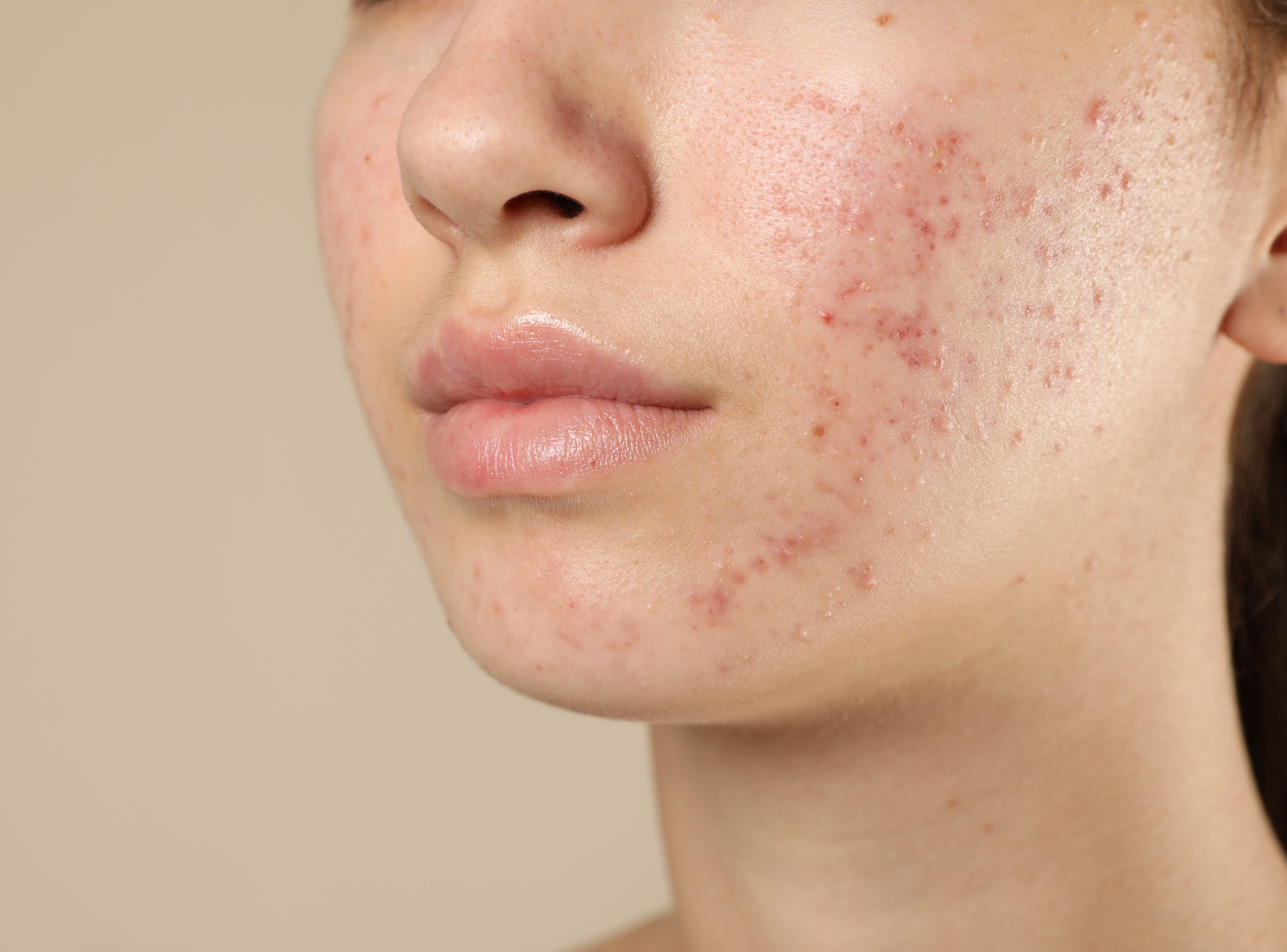
Acne is a very common skin condition that occurs in more than 90 percent of adolescents and up to 55 percent of adults. Acne is a common problem, but it can be embarrassing and lead to anxiety, depression, and low self-esteem. Acne comes in many different forms and there are differences in terms of severity, so treating acne can be very confusing.
You can see a dermatologist for any acne concerns, but for moderate to severe acne that is not responding to over-the-counter treatments, it may be best to see a skin care professional.
Acne Treatment In Dubai
Acne Treatment in Dubai can help people manage recurring breakouts, reduce inflammation, and improve the appearance of their skin. Although pimples are common, seeking professional help can be beneficial when acne becomes frequent, painful, severe, or difficult to control with over-the-counter skincare products. Cystic or nodular acne, in particular, can penetrate deeper into the skin, increasing the risk of permanent scarring if not treated. A dermatologist can evaluate your skin, determine the severity and type of acne, and recommend a treatment plan tailored to your specific needs. Depending on your specific condition, acne treatment may include prescription creams, retinoids, benzoyl peroxide, salicylic acid, antibiotics, or other professional procedures. It is also critical to seek professional advice if acne is causing dark spots, scars, or persistent redness, as early treatment may help to prevent additional skin damage. Many people become dissatisfied when they do not see immediate results, but acne treatments frequently require consistent use and time before visible improvement occurs. Keeping a simple skincare routine during treatment can help your skin look healthier. Use a gentle cleanser, avoid aggressive scrubbing, opt for non-comedogenic moisturizers and sunscreen, and avoid squeezing or picking pimples, as this can aggravate inflammation and increase the likelihood of scarring. Acne can also have an impact on confidence and emotional well-being, so seeking professional help is recommended if breakouts begin to interfere with daily life or self-esteem. In Dubai, personalized acne treatment in Dubai can be chosen based on your skin type, acne severity, lifestyle, and desired outcomes. Before beginning any procedure or medication, consult with a qualified dermatologist or skin specialist to discuss available options, expected outcomes, potential side effects, and the best treatment plan. Whether you have occasional inflammatory breakouts, persistent adult acne, hormonal acne, or acne-related marks, a professional evaluation can help you determine the best treatment plan. Instead of constantly changing skincare products without guidance, consulting a specialist can provide a more specific treatment plan and assist you in working toward smoother, clearer, and healthier-looking skin.
Here’s how to tell when its time to see a dermatologist about your acne.
About Acne
Acne can occur on any skin area that has hair follicles and sebaceous glands. Acne is a complex disease with a multi-factorial etiology. The process includes a clogging of the hair follicle, increased oil production, and inflammation caused by bacteria. Hormones or certain medications can also trigger acne.
Acne comes in many different forms. For some, acne is a small, rare occurrence, or it clears up on its own over time. Acne is a chronic condition for some and can leave behind scars or discoloration even after the skin lesions have cleared.
A dermatologist can help identify the root cause of your acne and provide treatment that is beyond the capability of over-the-counter remedies.
BOOK AN APPOINTMENT TODAY
When Is Acne Considered Severe?
Moderate to severe acne is when one or more of the following is present:
- Numerous and extensive papules, pustules or cysts
- Your first spots were before puberty
- You get acne in unusual places, like underarms, groin or thighs
When To See A Dermatologist For Acne
Over the counter remedies are not usually effective in treating severe acne. It is recommended that a person visit a dermatologist. You don’t have to wait to call your doctor, but these situations make it far more likely that you’ll need to see a dermatologist.
Over The Counter Treatments Aren’t Working
Most people will try over-the-counter treatments first before seeking help from a professional. Mild acne usually clears up in 5 to 7 weeks with OTC treatment, such as cleansers, creams, serums and spot treatments containing either benzoyl peroxide or salicylic acid.
Moderate to severe acne often requires medications and treatments that are stronger than what OTC products can offer. A dermatologist can prescribe prescription-strength topicals or oral antibiotics to unclog pores, reduce oil production and treat skin bacteria.
Your Acne Is Painful
Cystic acne is an inflamed acne that presents as nodules, which may or may not be filled with pus. Cysts may be hard or soft and may be red or dark colored. Cystic acne is deep below the skin and is both painful and difficult to treat.
Cystic acne can be treated in a clinic by a dermatologist with corticosteroid injections into each lesion to help reduce inflammation. Using a prescription strength skin care regimen will reduce the severity of cystic acne and help prevent future scarring.
You Notice Scarring Or Discoloration Where Acne Has Cleared
Severe inflammatory acne damage changes skin structure. Damage to collagen can lead to several kinds of scarring. Skin may produce excess pigment during the healing phase, resulting in discoloration. Such skin changes are persistent and sometimes permanent.
A dermatologist will first help you control your acne and prevent future breakouts before addressing discoloration and scarring. Acne scarring can be treated with dermal fillers, chemical peels, dermabrasion, or laser resurfacing.
Your Acne Appeared (Or Got Worse) Within 6 Months Of Starting A Prescription Medication
Prescription drugs, such as hormones, steroids, antidepressants and anti-anxiety medication can cause or worsen acne. These unwanted side-effects can be eliminated by your doctor changing your prescription.
If you can’t stop taking your prescription medications, a dermatologist can help get your drug-related acne under control.
Your Acne Affects Your Self-Esteem
Acne can be an embarrassing condition, making you self-conscious when out in public, no matter what your age. Research has found that the emotional, social and psychological burden of long-term acne is similar to the struggles of those with chronic illness.
If acne is keeping you from living life to the fullest, it’s time to see a dermatologist. Many people feel more self-conscious about their skin, and treatment can help you feel more confident with better-looking skin.
MEET THE EXPERT DOCTOR
How A Dermatologist Can Help With Moderate To Severe Acne
Dermatologists can prescribe a range of professional-strength acne medications or perform in-office treatments that are not available over-the-counter or for at-home use. Because of their strength (and the adverse effects that can occur with misuse), these types of treatments can only be provided by a trained skin care professional. Professional treatments for acne may include any of the following:
- Prescription-Strength Topicals: Dermatologists prescribe acne treatments that contain stronger levels of salicylic acid and benzoyl peroxide, as well as retinoid products like tretinoin or Retin-A.
- Antibiotics: Dermatologists have topical and oral antibiotics that they can use to treat acne. Doxycycline and minocycline are the most commonly prescribed to kill bacteria that cause acne.
- Isotretinoin: Isotretinoin is a prescription oral medication used to treat severe cystic acne and is more commonly known by its brand name, Accutane.
- Chemical Peels: Chemical peels exfoliate the skin, removing excess oil and other debris from the pores. Reducing the severity of acne by unclogging the pores. Chemical peels are also helpful as an acne scar treatment.
- Lasers and Light Therapy: Many patients report improvement in acne with intense pulsed light (IPL), infrared light and other laser treatments. The best treatment depends on the type of acne you have.
The best way to find out which treatment options will be most effective at clearing up your skin is to consult with a dermatologist.
Best Aesthetic Clinic In Dubai For Acne Treatment
Best Aesthetic Clinic in Dubai for acne treatment is Perfect Doctors Clinic, where Dr. Perfect Celebrity can provide personalized advice for dealing with persistent or troublesome acne. While occasional pimples can usually be treated with a gentle skincare routine, you should consult a dermatologist if the breakouts persist despite consistent treatment, become painful, leave dark marks or scars, or significantly affect your confidence. Deep cysts and nodules necessitate professional treatment because they increase the likelihood of permanent scarring. A dermatologist can examine your skin to determine the type and severity of your acne, as well as whether you are experiencing acne-like symptoms due to another condition. Treatment varies from person to person and may include topical medications, retinoids, benzoyl peroxide, salicylic acid, azelaic acid, prescription medications, or other treatments based on your specific needs. Professional treatment can also help prevent new breakouts and lower the likelihood of long-term acne scars. If your acne is mild but persistent, seeking professional help can still be beneficial, especially if over-the-counter products have failed to produce results after several weeks. Dermatologists generally recommend giving an acne treatment enough time to work rather than switching products frequently, as visible improvement can take 6 to 8 weeks. During treatment, gentle cleansing, avoiding harsh scrubbing, using non-comedogenic skincare and sunscreen, and resisting the urge to squeeze or pick pimples can all help protect the skin and reduce irritation and scarring. Perfect Doctors Clinic in Dubai offers an individualized approach to addressing your specific acne concerns while taking into account your skin type, breakout pattern, and treatment goals. Seeking professional help as soon as possible can be especially beneficial if your acne is painful, widespread, recurring, or starting to leave permanent marks. Rather than waiting for stubborn acne to go away on its own, consult a qualified skin specialist to better understand your condition and select an appropriate treatment plan for clearer, healthier-looking skin.