





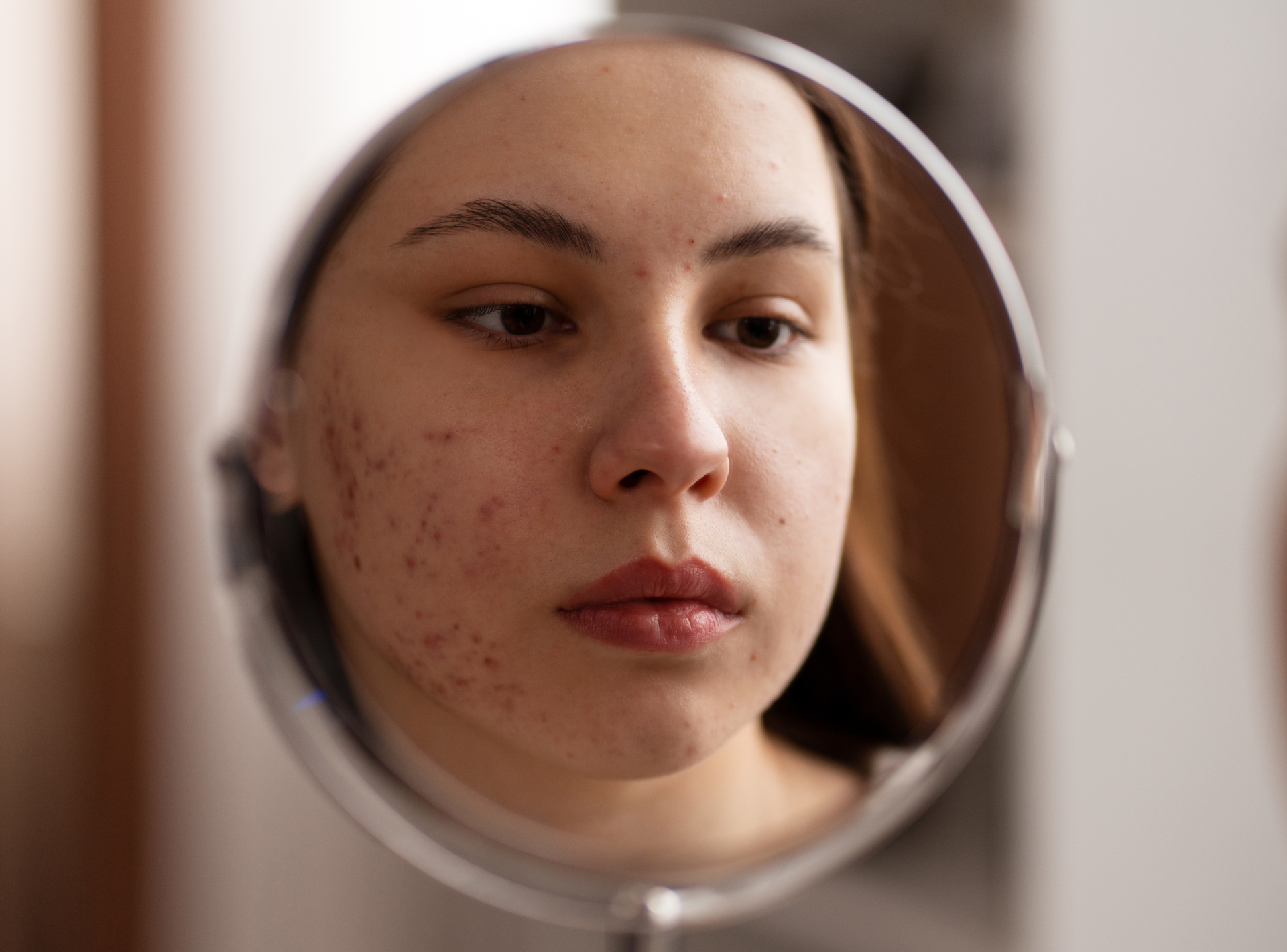
Acne is a common skin condition affecting millions of people across the city; the American Academy of Dermatology estimates that approximately 60 million Americans have acne to some degree annually. This skin condition usually appears in early adolescence, largely due to the hormonal changes associated with puberty. But you should know that acne isn’t only a problem for teenagers. Many adults still get breakouts, and some people can get their very first experience with acne later in life. The good news is that Dr. Perfect Celebrity’s renowned dermatology practice in Dubai offers many effective options for acne treatment. Whether you’re dealing with stubborn blackheads, inflammatory cystic acne, or occasional breakouts, Dr. Perfect Celebrity is committed to helping you achieve and maintain a clear, healthy complexion.
Acne is primarily caused by an overproduction of sebum, the natural oil of the skin, and the accumulation of dead skin cells that clog the hair follicles and cause the oil glands to become inflamed. The best way to treat acne in adults and teenagers alike is to see Dr. Perfect Celebrity, who will create a customized treatment plan that may include a combination of over-the-counter skincare products, topical treatments, oral medications, and a variety of in-office procedures designed to meet your needs. Good acne skincare products often contain active ingredients such as benzoyl peroxide, which kills bacteria and helps clear pores, retinoids, which increase cell turnover and prevent pores from clogging, and salicylic acid, which is known for its exfoliating properties and ability to penetrate oily skin. Depending on the individual’s specific concerns, the severity of their acne, and their specific type of acne, Dr. Perfect Celebrity may recommend more advanced treatments such as chemical peels to remove the dead layers of skin, laser therapy to target bacteria and inflammation, HydraFacials to cleanse and hydrate deeply, and even surgery for severe cases.
Dr. Perfect Celebrity is a highly respected, board-certified dermatologist with over 26 years of experience in treating patients of all backgrounds. His outstanding expertise and constant dedication to patient care have made him a recognized name among prestigious organizations in Dubai, consistently placing him among the top dermatologists in the city. Dr. Perfect Celebrity treats a wide range of skin concerns, including acne, eczema, rosacea, and more, and you can expect a highly skilled and compassionate experience when you come to see her. Dr. Perfect Celebrity will take the time to fully understand your individual circumstances and then work with you to create a customized treatment plan that is tailored to your particular needs and objectives. This thoughtful approach allows for each patient to receive care tailored to their individual skin profile to get them to their aesthetic goals.
Acne Treatment In Dubai
Acne Treatment in Dubai can help teenagers and adults manage breakouts, inflammation, clogged pores, and other acne-related skin issues. Acne can develop as a result of hormonal changes, excessive oil production, bacteria, stress, or other causes. Treatment is chosen based on the person’s skin type, acne severity, and specific requirements. Topical treatments, prescription medications, chemical peels, laser treatments, and other professional procedures are all possible options. A qualified skin specialist can assess your condition and recommend a tailored treatment plan. Acne treatment can help reduce breakouts, minimize the appearance of marks, and support clearer, smoother, healthier-looking skin when used consistently, with appropriate skincare and professional guidance.
What Causes Acne In Teens Vs. Adults?
Acne is one of the most common skin conditions in Dubai and can affect people of all ages. The bacteria Propionibacterium acnes is the main acne-causing culprit, but the triggers for breakouts are quite different in teens and adults. In teenagers, acne is largely caused by hormonal changes during puberty. The body produces more sebum when it is going through these big changes, especially the increase in androgens. The sebaceous glands produce an oily substance called sebum, which helps to keep skin hydrated and elastic. But when there is too much sebum production, it combines with the dead skin cells on the surface of the skin. This combination can block hair follicles and pores, creating an ideal environment for bacteria to grow. The result is often inflammation that leads to the characteristic red, swollen pimples commonly seen in teenage acne.
Hormonal imbalances can also lead to acne in adults, but usually there are more factors that affect breakouts. Stress is a major factor; it can cause the adrenal glands to produce more androgens, which worsens oily skin and contributes to blocked pores. Certain medications, particularly those that affect hormonal levels like corticosteroids, can also trigger acne breakouts. Outbreaks can also be caused by heavy makeup or changes in your skin-care routine. Adult acne is often different from teen acne. It often appears as deep, painful cysts or hormonal breakouts, usually along the jawline, chin and lower part of the face. Although the causes of acne in teens vs. adults may be different, it’s always best to seek consultation with a board-certified dermatologist if you are experiencing an acne breakout. Inflammatory acne, in particular, frequently leads to scarring, which is generally harder to treat than the acne itself.
What Are The Different Types Of Acne?
Acne vulgaris lesions are divided into 2 groups, non-inflammatory and inflammatory. Acne lesions that are non-inflammatory are mild and do not result in pain, swelling, or bacterial infection. Inflammatory acne lesions are typically moderate to severe and include pain, tenderness, and scarring. Acne scars are permanent damage to the underlying skin tissue caused by inflammatory lesions.
Non-Inflammatory Acne
Comedones are primarily non-inflammatory acne lesions. These are plugged pores that are not red, swollen, or painful. These include open comedones (blackheads) and closed comedones (whiteheads). These bumps on the surface are created when excess oil and dead skin cells clog up the hair follicle.
- Open comedones (blackheads): This variety of acne forms from clogged pores with openings on the surface of the skin. Blackheads are formed when the sebum, dead skin cells and debris in the pores oxidize in the presence of air.
- Closed comedones (whiteheads): This acne also forms from clogged pores, but it is when the pore is completely blocked, which leads to a small, flesh-colored bump.
Inflammatory Acne
Inflammatory acne lesions are red, swollen and sometimes painful bumps that form when clogged pores become infected. These lesions are deeper in the skin and can cause acne scars, unlike non-inflammatory acne. They are acne papules, pustules, nodules and cysts.
- Papules: Acne lesions that occur when skin pores become blocked with dirt, oil or dead skin cells, causing inflammation of the hair follicle. Papules are small, raised bumps that are red and tender to the touch, but do not have a pus-filled center.
- Pustules: Like papules, pustules are caused by the same factors, but they contain pus, which is a collection of white blood cells. It’s important not to pick or pop pimples, as pus can spread bacteria to other pores and cause more problems.
- Nodules: Nodules form when the Propionibacterium acnes (P. acnes) bacteria are trapped beneath the skin. They appear to be painful hard bumps. Nodular acne is more likely to become infected and scar.
- Cysts: The worst acne is nodular acne, which is filled with bacteria and pus. Cystic acne, like nodular acne, goes deep into the skin. Cystic acne is the worst form of acne because it can lead to permanent tissue damage and scars.
How Long Do Pimples Last?
Most pimples heal within 8 days, but depending on several factors, it can take up to 3 weeks to heal. Most small blemishes, such as whiteheads or blackheads, disappear quickly, sometimes in just a few days. Deeper forms of acne, such as cystic acne, are more stubborn and may take weeks or months to heal completely due to inflammation and the time needed for the underlying tissue to regenerate. For best results in controlling and reducing the size of pimples, use topical treatments containing active ingredients like benzoyl peroxide to kill acne-causing bacteria or salicylic acid to unclog pores and reduce inflammation. It is also very important NOT to pick or squeeze your skin, as this can cause further irritation, scarring or the spread of bacteria and may make the condition worse. If you have acne, it is best to see a board-certified dermatologist such as Dr. Perfect Celebrity for treatment to prevent acne scarring, which is more difficult to treat than acne itself.
What Are Some Dermatologist-Recommended Treatments For Acne?
The best treatment for each patient with acne depends on the type of acne and the factors that are contributing to the breakouts. Depending on the causes and type of acne options might include oral antibiotics (such as doxycycline, minocycline and tetracycline), topical creams, oral contraceptives (birth control pills), chemical peels, laser treatments and HydraFacials. Your acne treatment consultation with Dr. Perfect Celebrity will help you determine the best combination of in-office treatments, acne medications and skin care products to clear your skin.
Cosmetic Treatments For Acne And Acne Scarring
- HydraFacials refresh your skin using a three-step process. The first step is cleansing with alpha hydroxy acids, which remove dirt, dead cells, and bacteria that cause acne. Next, a mild chemical peel using salicylic and glycolic acid assists in clearing the pores. Then, the patented vortex technology of the system exfoliates the skin, delivering a deep clean. Last but not least—the skin gets a boost of essential moisture. HydraFacials are customizable to your needs with LED red or blue light therapy and powerful booster serums that target a variety of skin concerns. This treatment has no downtime and is safe for all skin types and tones.
- Acne Surgery: Acne surgery is an in-clinic procedure performed by an experienced dermatologist such as Dr. Perfect Celebrity in Dubai. The process involves opening active pimples, removing excess oil and debris, and injecting intralesional cortisone to reduce inflammation.
- Chemical peels are a highly effective acne treatment because they slough off dead skin cells to help keep pores clear. Dr. Perfect Celebrity often uses trichloroacetic acid chemical peels to treat acne. TCA peels help to stimulate skin cell turnover for a clear, healthy and smooth complexion.
- VBeam Laser is a non-surgical pulsed dye laser that treats acne breakouts and pigmented acne scars. The VBeam laser at 596 nm decreases the red pigment, inflammation and bacteria that are the cause of acne. Also good for broken capillaries, rosacea, telangiectasias, red stretch marks and post-inflammatory hyperpigmentation. Usually, a series of treatments is needed for the best cosmetic results, with treatments spaced about a month apart. There is no downtime, so patients can resume their normal daily activities immediately.
- Microneedling is a good choice for the treatment of acne scars, as it triggers the body’s natural healing process, especially in areas where there is a lack of collagen and uneven texture. This process involves using very fine needles to stimulate production of new collagen, which helps to firm the skin and gradually smooths out pockmarked or uneven areas. Microneedling should not be performed in the presence of active acne breakouts, but can be particularly helpful in the treatment of some forms of scarring.
- Fraxel Dual Laser combines two lasers, the Er:YAG laser at 1560nm and the Thulium laser at 1928nm. The 1560 nm wavelength penetrates deeply into the dermis using Er:YAG technology, stimulating the production of new collagen. It can help skin look tighter, smoother and improve the appearance of acne scars. Patients usually need four to six Fraxel laser treatments for acne scars, spaced about a month apart. There is little downtime associated with the procedure, with some redness that can last about two days after treatment.
Topical Treatments For Acne
- If you have mild or moderate breakouts, your dermatologist may prescribe dapsone. It’s a topical acne treatment. Dapsone (brand name Aczone) works by reducing the number of acne-causing bacteria on the skin. This helps clear up acne lesions and improve complexion.
- Winlevi is a topical treatment for men and women to treat acne by controlling sebum production to reduce breakouts. Winlevi contains clascoterone, an androgen receptor inhibitor. It blocks hormones in the skin that cause too much oil to be made. Winlevi helps treat and prevent breakouts and helps clear your pores to prevent excess oil buildup.
- Topical antibiotic creams such as clindamycin and erythromycin kill the bacteria that cause acne and decrease inflammation associated with breakouts.
- Retinoids and retinoid-like products such as adapalene, tretinoin, and Retin-A are a group of vitamin A-derived skincare treatments. Retinoids are acne treatments that work by exfoliating dead skin cells off the surface of the skin. It helps to get rid of dead skin cells, sebum and debris more quickly, preventing them from getting trapped in pores and causing acne breakouts. Retinoids come as an over-the-counter and prescription strength.
Oral Medications For Acne
- Accutane (isotretinoin) is an oral vitamin A derivative that reduces the production of oil in the sebaceous glands of the skin. This acne treatment was originally only used for severe cases because it is very effective for nodules and cystic acne. But since then its use has been expanded to treat all types of acne.
- If you have ongoing breakouts or more serious acne, your doctor might prescribe oral antibiotics such as doxycycline, minocycline and tetracycline. The medicine works by stopping the growth of bacteria that cause acne, which helps clear up current breakouts.
- If the acne is caused by hormonal fluctuations, then female patients may be recommended to take birth control pills. They regulate your cycle and control hormonal acne. The FDA has cleared oral contraceptives for the treatment of women with hormonal acne. The two most common brands used for this purpose are Yaz and Ortho Tri-Cyclen, which contain estrogen and progestin. Side effects can include weight gain, nausea, mood swings and an increased risk of blood clots.
- Spironolactone is a prescription medication that can be used to treat acne by controlling androgen hormones. Androgens are male sex hormones, and they are produced in both males and females and are strongly associated with oil production. When androgen levels rise or change, this can cause an increase in oil production and lead to breakouts. Spironolactone is an oral medication typically prescribed for females due to the potential for adverse side effects in males. It is commonly prescribed for the treatment of hormonal acne in patients with an underlying hormonal imbalance such as polycystic ovary syndrome.
What Is The Best Acne Treatment For Teens?
A board-certified dermatologist like Dr. Perfect Celebrity in Dubai can tailor a personalized plan for treating acne to put your teen on the path to smooth, clear, healthy skin. Dr. Perfect Celebrity often employs a combination of topical treatments, prescription medications and in-office procedures that are tailored to each patient’s needs and the type of acne they have. During your initial consultation, he will take a detailed medical history, evaluate your current skin condition, and review your skincare routine. If your pediatric provider has done blood work recently, those results can be shared during the consultation to help determine if hormonal changes or medical conditions are contributing to the breakouts. Sometimes additional lab testing may be recommended to rule out possible hormone-related causes of acne. From there, Dr. Perfect Celebrity will recommend the best possible acne treatments for your skin condition. If you are a teenager with mainly comedonal acne (blackheads and whiteheads), then you may be able to clear your acne with the right over-the-counter skincare products and topical creams. But more severe cases of acne usually require prescription medications, such as oral antibiotics, topical retinoids or isotretinoin, to achieve lasting clear skin.
What Is The Best Acne Treatment For Adults?
There is no one treatment that is better than the others for adults with acne. The best treatment starts with an evaluation by a board-certified dermatologist, like Dubai’s Dr. Perfect Celebrity. Hormonal changes, stress, genetics, skincare practices and underlying health problems are among the triggers of adult acne, requiring a more individualized approach than teenage acne. Dr. Perfect Celebrity will review your medical history, your current skin concerns and your skincare routine to create a personalized treatment plan during your consultation. A blood test may be taken and sent to a lab to check for any fluctuations in hormones that may be causing the breakouts. After the assessment, you may be prescribed oral antibiotics like doxycycline or minocycline, oral medications like spironolactone or Accutane (isotretinoin), or topical products like clindamycin, benzoyl peroxide, Winlevi, or retinol. Dr. Perfect Celebrity may also suggest in-office procedures such as the VBeam laser to kill acne-causing bacteria and reduce redness.
BOOK AN APPOINTMENT TODAY
How Do Acne Treatments For Teens Work?
Teen acne is primarily caused by hormonal changes during puberty that increase oil production and clog pores, resulting in breakouts. To effectively treat teen acne, control excess oil, reduce inflammation, unclog pores, and reduce acne-causing bacteria. A good first step is to establish a consistent skincare regimen. Teenagers should cleanse their faces twice a day with warm water and a gentle, non-comedogenic cleanser. Dermatologist-developed brands, such as CeraVe, provide gentle products suitable for various skin types. Scrubbing, rough cloths, or brushes can all irritate your skin. Also, avoid picking or popping pimples, as this can result in infections or scars.
There are numerous effective treatments for teen acne. For persistent or moderate-to-severe breakouts, a board-certified dermatologist, such as Dr. Perfect Celebrity, can examine your skin and recommend prescription treatments that are tailored to your specific needs. Hydrocolloid pimple patches are small stickers that cover pimples while absorbing oil and bacteria. Over-the-counter ingredients such as salicylic acid and benzoyl peroxide can exfoliate the skin, kill bacteria, reduce inflammation, and open pores. Benzoyl peroxide can be used to treat affected areas on the face or body, but it may bleach fabrics. It is recommended that you apply with an old towel.
Oral or topical antibiotics may be prescribed to treat inflammatory acne lesions by reducing bacteria such as Cutibacterium acnes (C. acnes) and calming redness and swelling. Topical retinoids, including adapalene, tretinoin, and tazarotene, promote cell turnover to prevent clogged pores and improve overall skin texture. Topical retinoids should be applied gradually, every other day or a few times per week, and accompanied by a moisturizer to reduce dryness and skin irritation. In some female patients, hormonal therapies such as oral contraceptives or spironolactone may be recommended to regulate oil production by blocking androgen activity in the skin. For severe or treatment-resistant acne, such as nodular acne, isotretinoin (commonly known as Accutane) may be prescribed. This medication significantly reduces oil production in the sebaceous glands but requires close monitoring due to potential side effects, including serious risks during pregnancy.
How Do Acne Treatments For Adults Work?
Adult acne is caused by a variety of factors, including genetics, stress, hormonal imbalances, diet, lifestyle, medications, and improper skincare. To effectively treat adult acne, see a board-certified dermatologist like Dr. Perfect Celebrity, who can evaluate your skin and recommend prescription treatments that are specific to your needs. A good first step is to create a skincare routine that addresses your specific concerns. Wash your face twice a day, usually in the morning and evening, with a gentle cleanser, as adult skin is often more sensitive than teen skin. Products such as benzoyl peroxide may be too harsh. Avoid picking or popping pimples, as this can result in infections, scars, or increased redness. As we age, our skin loses moisture, so using a non-comedogenic moisturizer is essential for preventing dryness. Ingredients such as salicylic acid and glycolic acid can help increase skin cell turnover.
There are numerous effective treatments available for adult acne. To treat inflammatory acne lesions, oral or topical antibiotics may be prescribed to reduce bacteria such as Cutibacterium acnes (C. acnes) while also calming redness and swelling. Adapalene, tretinoin, and tazarotene are examples of topical retinoids that promote cell turnover, which helps to unclog pores and improve skin texture. Topical retinoids should be applied gradually, every other day or a few times per week, and accompanied by a moisturizer to reduce dryness and irritation. In some female patients, hormonal therapies such as oral contraceptives or spironolactone may be prescribed to control oil production by inhibiting androgen activity in the skin. Isotretinoin (also known as Accutane) may be used to treat severe or treatment-resistant cases of acne, such as nodular or cystic. This medication significantly reduces oil production in the sebaceous glands, but it must be carefully monitored due to potential side effects, including serious risks during pregnancy.
Are Acne Treatments For Teens Safe?
Yes, acne treatments are generally safe when used properly and under the right supervision for teens. Mild to moderate acne can be treated with over-the-counter products containing benzoyl peroxide or salicylic acid. For more severe cases, prescription and oral treatments such as isotretinoin require close medical supervision from a board-certified dermatologist like Dr. Perfect Celebrity. Book a consultation with board-certified dermatologist Dr. Perfect Celebrity to find out which treatment is right for you and to minimize the risk of acne scarring.
Are Acne Treatments For Adults Safe?
Adult acne treatments are generally safe when used correctly and under appropriate supervision. As we age our bodies produce less natural oil, levels of collagen and elastin drop and the skin starts to thin and slow its healing process. Therefore, the skin of adults is usually more sensitive and more prone to dryness and irritation than that of teenagers. For this reason acne treatments should be started slowly and used alongside supportive skin care such as a non-comedogenic moisturizer and a broad-spectrum sunscreen. Doing these each day can help to protect the skin barrier, reduce irritation and promote overall skin health during treatment. It’s safe to have your acne treatments supervised by a board-certified dermatologist because they have the medical knowledge to pinpoint what kind of acne you have and what’s causing it.
How Often Should Teens Apply Acne Treatments?
Gentle cleansing twice a day is beneficial to prepare the skin and should be followed by a thin layer of benzoyl peroxide or salicylic acid. Adapalene and other retinoids are usually used once a night. To minimize irritation, it is best to start the application every other day at first. For best results, use it regularly every day for several weeks. A non-comedogenic moisturizer with treatment can help prevent dryness and reduce the likelihood of clogged pores. Teens should stay away from over-scrubbing or harsh exfoliants. For specific guidance on how often to do your acne treatments, it is best to speak to a board-certified dermatologist like Dr. Perfect Celebrity.
How Often Should Adults Apply Acne Treatments?
For adults, topical acne treatments such as retinoids or benzoyl peroxide every other day should be started. As your skin builds tolerance, you’ll want to work your way up to once or twice a day. Salicylic acid and other acids are exfoliants and should only be used a few times per week to avoid over-drying the skin. Use a regular skincare routine for best results. The frequency of professional facials or in-office treatments is recommended every 5-7 weeks, depending on the skin type and severity of acne. Adults should check their skin and see a board-certified dermatologist if they experience any burning, stinging or tightness. The uses of acne treatments differ depending on the product, so talk to your board-certified dermatologist for clear guidance on how often to use your acne treatments.
How Long Does It Take For Acne Treatments For Teens To Work?
When treating teen acne, consistency and patience are key. Most treatments take several weeks to clear clogged pores, reduce inflammation and balance oil production. With over-the-counter and topical retinoid products, you may see results within a few weeks, but typically you’ll see clearer skin after using them regularly for 3 to 4 months. Oral antibiotics and hormonal treatments can take a few weeks to start working, whereas isotretinoin can often make a noticeable difference within a few weeks. Because the skin renews itself so slowly, you need to be consistent and patient to get lasting results.
How Long Does It Take For Acne Treatments For Adults To Work?
It is important to be consistent with treating adult acne because it takes time to see results. Most topical treatments such as retinoids, benzoyl peroxide, and salicylic acid show improvement in 5 to 9 weeks, with more visible clearing after 4 to 7 months of regular use. Oral medications like antibiotics or hormonal therapies can take several weeks to show visible changes. Typically, full results are seen after a few months. Adult skin has a slower cell turnover and less collagen than adolescent skin, so healing can take longer and consistency is even more key. “Keep up the treatment even after you start seeing results,” says Dr. Perfect Celebrity, so that you can maintain those results and avoid future breakouts or recurrence.
Can Acne Treatments For Teens Reduce Acne Scars?
Yes, acne treatments for teens can work very well in helping to minimize the appearance of acne scars, especially if active breakouts are treated and under control early on. A major goal is to prevent new acne from forming and to minimize the long-term scarring. Topical treatments such as retinoids increase skin cell turnover and stimulate collagen production, which can help improve mild textural scars and fade dark marks over time. For more serious scarring, Dr. Perfect Celebrity can offer in-office treatments such as chemical peels, microneedling and laser therapy to resurface the skin and stimulate collagen production. Different types of scars require different types of treatments, so it is best to book a consultation with Dr. Perfect Celebrity who will assess your skin thoroughly and advise on the best course of action to go with your skincare needs.
Can Acne Treatments For Adults Reduce Acne Scars?
Yes, specialized acne treatments can help reduce the appearance of acne scars in adults, but results vary depending on the type and severity of scarring. Topical retinoids and exfoliating acids may help to fade post-inflammatory hyperpigmentation. Deeper, pitted scars often need cosmetic treatment. Talk with a board-certified dermatologist like Dr. Perfect Celebrity to explore your treatment options. Dr. Perfect Celebrity performs in-office procedures including microneedling, chemical peels, Fraxel laser treatment and Clear and Brilliant to help stimulate collagen production and improve the overall texture of the skin. He also uses dermal fillers to minimize the appearance of depressed scars for a smoother look. Adult skin is also slower to heal than adolescent skin and produces collagen, so significant improvement generally takes several sessions over a period of months. Treatments for acne are important to prevent formation of new acne scars, which are often more difficult to treat than the acne itself.
Are Acne Treatments For Teens Safe During Puberty?
Many acne treatments are specifically aimed at hormonal acne and are therefore safe for teens to use during puberty. Hormonal changes can lead to clogged pores and increased oil production. Over-the-counter products with ingredients like salicylic acid and benzoyl peroxide are safe to kill bacteria and dissolve excess oil. Prescription medications are also safe when used under the guidance of Dr. Perfect Celebrity. However, when used responsibly, treatments for acne during puberty are safe and can help prevent scarring and skin damage over time.
Are Acne Treatments For Adults Safe For Sensitive Skin?
“If you choose wisely and introduce products slowly, adult acne treatments for sensitive skin can be safe,” says Dr. Perfect Celebrity. Ingredients like azelaic acid, low-strength benzoyl peroxide (around 3.5%) or mild salicylic acid are great for unclogging pores and reducing inflammation without damaging the skin barrier. Introduce treatments such as retinol or benzoyl peroxide slowly, starting with a few times a week and working your way up to daily use. These treatments should be combined with a non-comedogenic moisturizer with ceramides or hyaluronic acid. Stay away from harsh exfoliants, high-strength acids and alcohol-based or fragranced products, as they can worsen sensitive skin. If irritation persists, see a board-certified dermatologist, such as Dr. Perfect Celebrity, to treat acne and protect sensitive skin safely.
MEET THE EXPERT DOCTOR
Are Prescription Acne Treatments Safe For Teens?
Teen acne treatments prescribed by a board-certified dermatologist or pediatrician are generally safe when used as directed. Common options include topical retinoids, oral or topical antibiotics, hormonal treatments (e.g. spironolactone), and isotretinoin for severe or treatment resistant acne. You may have mild side effects such as dryness, redness, peeling or irritation, especially when you first start treatment with retinoids. These effects are often early and usually improve as your skin adjusts. Use a non-comedogenic moisturizer and apply sunscreen daily to reduce sensitivity. It’s best to start off with lower concentrations or smaller amounts to allow the skin to adjust gradually. Oral medications are more aggressive treatments and need to be monitored closely by a physician. Prescriptions should never be shared. Each prescription is specific to your skin type, medical history, and severity of your acne.
Are Prescription Acne Treatments Safe For Adults?
Generally, prescription acne medications are safe for adults under the care of a board-certified dermatologist. Common options include topical retinoids, topical and oral antibiotics, dapsone or azelaic acid, hormonal treatments such as spironolactone or some oral contraceptives, and isotretinoin for severe or resistant acne. These meds can cause side effects such as dryness, irritation and redness, as well as increased sun sensitivity—especially with retinoids. Oral prescriptions can have some side effects when used for a long time, so it is common for patients to be given a fixed time frame for their prescriptions. It is important to speak with a board-certified dermatologist, such as Dr. Perfect Celebrity, to see if this option is right for you. Adult skin may be more sensitive and slower to heal, so treatments are often introduced gradually. A daily sunscreen and a non-comedogenic moisturizer are essential to protect your skin and reduce sensitivity.
What Acne Treatment Works Best For Teenage Hormonal Acne?
The best way to treat hormonal acne in teenagers is to see a board-certified dermatologist such as Dr. Perfect Celebrity. During your consultation, Dr. Perfect Celebrity will evaluate your skin closely and develop a personalized skincare regimen to suit your concerns. For mild acne, over-the-counter adapalene or benzoyl peroxide can help unclog pores and reduce acne-causing bacteria. Salicylic acid can help clear out blackheads and whiteheads. Moderate to severe acne often requires prescription retinoids, which are often used in combination with topical antibiotics. For teen girls, a dermatologist might prescribe oral medications such as spironolactone to control oil production caused by androgens. For severe, scarring, or treatment-resistant acne, your doctor might prescribe isotretinoin.
What Acne Treatment Works Best For Adult Hormonal Acne?
Adult hormonal acne typically presents as deep cysts along the jawline and chin. To properly treat this adult acne, it is best to seek the advice of a board-certified dermatologist such as Dr. Perfect Celebrity. During your appointment, Dr. Perfect Celebrity will assess your skin and develop a personalized skin care plan based on your needs. Medications such as Winlevi, retinoids, and isotretinoin (for more severe cases) can treat adult hormonal acne. Some types of the pill and spironolactone can help to balance the hormones that cause breakouts in women. Supportive ingredients such as azelaic acid, benzoyl peroxide and salicylic acid can help reduce inflammation and bacterial growth. The most effective way to treat adult hormonal acne is through consistent care under the guidance of a dermatologist.
Frequently Asked Questions About Acne
Should You Use Retinoids For Acne?
Retinol, retinoids and retin-A are topical derivatives of vitamin A that work to exfoliate dead skin cells from the surface of the skin and help to inhibit the growth of bacteria that cause acne breakouts. Most teens with acne can be treated with topical products, and a retinoid may be particularly useful for some types of acne, such as blackheads and whiteheads. Retinol can be a powerful product for teenage skin, but Dr. Perfect Celebrity recommends using adapalene for teenage acne instead. Differin is the name of the over-the-counter skin care product that contains adapalene. Differin is a retinoid that works well but is mild enough not to irritate skin when used regularly. Before incorporating any skincare products into your daily regimen, it is crucial to consult with a seasoned, board-certified dermatologist like Dr. Perfect Celebrity in Dubai to guarantee their safety and efficacy for your specific skin type. For instance, teenage patients with more severe acne, such as nodular or cystic acne, may not gain as much benefit from adding additional topical creams to their skincare routine. Such forms of severe acne develop deep within the skin where topical treatments cannot reach. Other treatments are usually advised, such as oral antibiotics or isotretinoin.
What Are Ways To Avoid Teenage Pimples?
One of the best ways to prevent teenage pimples is to wash your skin with a cleanser that is right for your skin type and the type of acne you have. CeraVe, for example, is a brand developed by dermatologists that offers gentle, non-comedogenic products for different skin types. Other important ways to combat teenage acne are showering after workouts, keeping hair clean and away from the face, and not picking or popping pimples. During puberty and adolescence, the levels of the hormone androgen change and some breakouts are inevitable. Dr. Perfect Celebrity, a board-certified dermatologist, is the best person to see to find out what’s causing your breakouts and how to treat them correctly. Dr. Perfect Celebrity has over 26 years of experience treating patients worldwide with adult and teen acne, including acne scars. When you come in to see Dr. Perfect Celebrity, he will work with you to create an acne treatment plan customized for your skin that will help you achieve and maintain healthy, smooth, clear skin that lasts.
What Over-The-Counter Skincare Should A Teenager Use?
A good skincare routine can help improve skin health and prevent breakouts, which is beneficial for both teens and adults. People of all ages should use skincare products that are appropriate for their skin type and contain active ingredients to address specific skin concerns.
Face washes for teen acne should contain active ingredients such as benzoyl peroxide or salicylic acid. Salicylic acid, a beta-hydroxy acid (BHA), effectively treats comedonal acne, including whiteheads and blackheads. It is oil-soluble and works by gently exfoliating the skin and penetrating deep into pores to remove clogged sebum and debris. Benzoyl peroxide is an excellent ingredient for treating inflamed acne, such as pustules and papules, because it kills acne-causing bacteria and helps dry excess sebum inside the pores. Once or twice a week, use a chemical exfoliant to remove dead skin cells from the surface, preventing clogged pores and pimple formation.
Patients with acne-prone skin should use noncomedogenic, oil-free moisturizers and sunscreens to help prevent blemishes. Patients with oily skin may prefer lotion-based moisturizers and sunscreens, while those with dry skin may opt for richer cream formulations.
When you visit board-certified dermatologist Dr. Perfect Celebrity in his private clinic in Dubai, you will be able to discuss your specific skin concerns and medical history. Dr. Perfect Celebrity will then evaluate your skin and collaborate with you to create a personalized skincare regimen that includes acne treatments tailored to your specific needs.
What Are The Best Acne Products For Teenage Boys And Girls?
Acne products can help teenagers manage breakouts and develop a good skincare routine. Using the right active ingredients is key to effectively treating teen acne. Dr. Perfect Celebrity, a board-certified dermatologist in Dubai, has over 26 years of experience treating acne. Acne Kit for teenage and adult patients who are experiencing breakouts. The Pore Minimizing Cleanser is the first step, and it contains the active ingredients glycolic and salicylic acid, which are great for clearing up breakouts. These ingredients work by gently exfoliating the skin’s surface, reducing acne-related redness and inflammation, and breaking down excess oil to remove pimples. The Retexturizing Pads offer at-home peel benefits by exfoliating dead skin cells and preventing clogged pores, which lead to acne. Finally, apply the Acne Spot Treatment with Benzoyl Peroxide to any active acne lesions. Benzoyl peroxide eliminates acne-causing bacteria and clears clogged pores. This targeted skincare routine has helped many people, including adults and teenagers, clear their acne. In addition to these products, Differin is an extremely effective over-the-counter topical treatment for teens and adults. Differin is a retinoid skincare product—a vitamin A derivative that treats pimples by increasing skin cell turnover and exfoliating dead skin cells from the surface. Before adding a retinoid acne product to your routine, consult with Dr. Perfect Celebrity, as it can irritate sensitive skin.
Certainly, during your acne treatment consultation with Dr. Perfect Celebrity at his private dermatology clinic in Dubai, you will have the opportunity to discuss your medical history and skin concerns thoroughly. He will then work with you to develop a personalized skincare plan that includes suitable topical treatments and acne products to help you achieve a healthy, clear, and lasting complexion.
Can Acne Treatments For Teens Help With Oily Skin?
Yes, many acne treatments are specifically designed to address teenagers’ excessive oil production. Consistent skincare routines incorporating a gentle foaming cleanser and non-comedogenic products can help to reduce shine and prevent clogged pores. Ingredients such as salicylic acid and benzoyl peroxide are particularly effective because they help remove excess oil, exfoliate dead skin cells, and reduce acne-causing bacteria. A common misconception is that oily skin doesn’t require extra moisture. However, skipping this step can increase oil production. Using an oil-free, non-comedogenic, or water-based moisturizer, such as Dr. Perfect Celebrity’s Ultimately Sheer Hydration Lotion, keeps skin hydrated without clogging pores. Many acne treatments can make your skin more sensitive to the sun, so apply sunscreen on a daily basis.
Can Acne Treatments For Adults Help With Oily Skin?
Many acne treatments can effectively reduce excess oil in adults, but it is critical to use the correct formula. Adult skin is typically more sensitive than teenage skin, so treatments should strike a balance between oil control and barrier support. Dr. Perfect Celebrity’s Acne Kit is also a good choice for adults with oily skin. Furthermore, retinoids help regulate cell turnover and prevent clogged pores, whereas niacinamide reduces inflammation and visibly controls oil. Sulfur-based treatments can also absorb excess oil while acting as a natural antibacterial. Over-treating can cause irritation, dryness, and rebound oil production, so new products should be introduced gradually. Many acne treatments can make skin more sensitive, so it’s important to use a non-comedogenic moisturizer and sunscreen on a daily basis.
Can Acne Treatments For Teens Prevent Future Breakouts?
Absolutely! Board-certified dermatologists offer teen acne treatments that are specifically designed to prevent future breakouts by clearing clogged pores, reducing oil, and killing bacteria before they become pimples. It is critical to maintain consistency in your curated skincare routine. Starting treatments early can help to avoid severe, potentially permanent scarring. To prevent new breakouts, apply your treatments to the entire face rather than just specific areas. Remember to shower right after exercising, and keep your hair clean and away from your face. Additionally, do not pick at any breakouts, particularly cysts! Popping pimples can aggravate inflammation and cause acne scars.
Can Acne Treatments For Adults Prevent Future Breakouts?
Adult acne typically requires more intensive treatments, such as prescription oral medications, than teenage acne. Adult acne is more common in women than in men, owing to hormonal fluctuations. The first step in treating adult acne is to see Dr. Perfect Celebrity at his private dermatology clinic in Dubai. Dr. Perfect Celebrity, who has over 26 years of experience treating acne and scars, will work with you to identify the causes of your adult breakouts. Many adult acne treatments aim to remove existing lesions while preventing new ones. Regular, long-term use of retinoids and salicylic acid regulates oil production and promotes faster skin cell turnover. Oral medications can also help balance the hormones that cause acne. Dr. Perfect Celebrity also provides in-office procedures such as chemical peels, laser treatments, and acne facials to help exfoliate, reduce oil gland size, and prevent future breakouts. He can personalize your acne treatment plan to help you achieve long-term, healthy, smooth, and clear skin.
Do Acne Treatments Work Differently For Teens Than Adults?
While acne affects both teenagers and adults, treatments vary from person to person and are not necessarily age-related. Teen skin is oilier and more resilient, allowing it to withstand stronger, drying products such as benzoyl peroxide. Adult skin is more sensitive and prone to dryness, necessitating gentler, hydrating products that also address skin aging and delayed healing. This distinction stems from the causes of acne: teen acne is primarily hormonal due to puberty, whereas adult acne is often caused by stress, hormonal fluctuations, and lifestyle choices. Furthermore, teen acne typically appears in the T-zone (forehead, nose, and chin) due to increased sebum production caused by fluctuating hormones. Adult acne, on the other hand, is most commonly found on the chin and jawline. Overall, acne treatment approaches do not differ significantly between adolescents and adults; instead, they are determined by the patient’s medical history and the type of acne.
Can Adults Try The Same Acne Treatments As Teens?
Adults should consult a board-certified dermatologist, such as Dr. Perfect Celebrity, before deciding on an acne treatment. Adults can use the same treatments as teens, such as benzoyl peroxide, salicylic acid, and retinoids, but they may require a more gentle approach. Adult skin is more sensitive and thinner, so they should use hydrating products to avoid overdrying and irritation. During your consultation with Dr. Perfect Celebrity, he will be able to recommend the best combination of treatments to help clear your adult acne, whether it is cosmetic treatments, topical medication, oral medication, or all of the above.
How To Treat Teenage Blackheads
A blackhead is an acne lesion with a hole on the skin’s surface. Blackheads darken when exposed to air because the sebum and dead skin cells are oxidized. Blackheads can be effectively treated with the right topical creams and skincare products. Using a retinoid acne product, such as Differin, is a tried-and-true method to keep excess oil and dead skin cells from clogging pores and causing blackheads. Differin, a vitamin A derivative, promotes skin cell turnover and exfoliates the surface layers, keeping the skin healthy, smooth, and clear. Aside from acne treatments like Differin, HydraFacial is an excellent choice for treating blackheads.
HydraFacial is a medical-grade hydradermabrasion procedure that cleanses, exfoliates, and nourishes the skin. Hydrafacials are an excellent treatment option for blackheads because they use innovative vortex fusion technology to effectively remove sebum and debris from pores while also exfoliating dead skin cells. Following the cleansing and exfoliating steps, an infusion of antioxidants, vitamins, and peptides strengthens the skin’s natural protective barrier, resulting in clean, healthy, and long-lasting skin. Patients with blackheads can benefit from a short series of three initial Hydrafacial treatments, spaced one month apart.
How Do I Get Started With Acne Treatment Today?
Many acne sufferers experience self-consciousness and low self-esteem, which can have an impact on their daily lives and social relationships. Furthermore, if left untreated, acne can cause scarring, which is typically more difficult to treat than the initial breakouts, complicating treatment. If you’re wondering, “How do I choose the best acne treatment for a teenager?” it’s important to understand that effective options exist for people of all ages and skin types. Dr. Perfect Celebrity, a renowned dermatologist in Dubai, will work with you to customize treatments based on your specific needs and goals. Whether you have mild or severe acne, Dr. Perfect Celebrity’s expertise and personalized approach will help you achieve clear, healthy skin and regain your confidence.
Understanding your skin and receiving the best acne treatment begins with a consultation with an experienced, board-certified dermatologist, such as Dr. Perfect Celebrity in Dubai. Dr. Perfect Celebrity has over 26 years of experience providing the best non-invasive treatments for acne and acne scars to patients all over the world. Dubai has consistently named him one of Dubai’s top dermatologists for his dedication to his patients and expertise. When you meet with Dr. Perfect Celebrity about your acne, he will create a personalized treatment plan that includes specially formulated skincare products, in-office procedures, and topical or oral prescriptions to help you achieve and maintain a healthy, smooth, clear complexion. To begin your ideal acne treatment and set up a consultation with Dr. Perfect Celebrity, please contact us online or call our Dubai clinic.
Best Aesthetic Clinic In Dubai For Acne Treatment
Best Aesthetic Clinic in Dubai for acne treatment is Perfect Doctors Clinic, where Dr. Perfect Celebrity provides personalized care to teenagers and adults with acne. Acne can occur as a result of hormonal changes, excess oil, clogged pores, bacteria, stress, or other factors. Topical medications, professional skin treatments, chemical peels, and other approaches may be used to treat acne, depending on its severity and type. A proper skin assessment can assist in determining the best treatment plan for your specific needs. Teens and adults who follow consistent treatment, use appropriate skincare, and seek professional advice can manage breakouts, reduce inflammation, and achieve clearer, healthier-looking skin.