





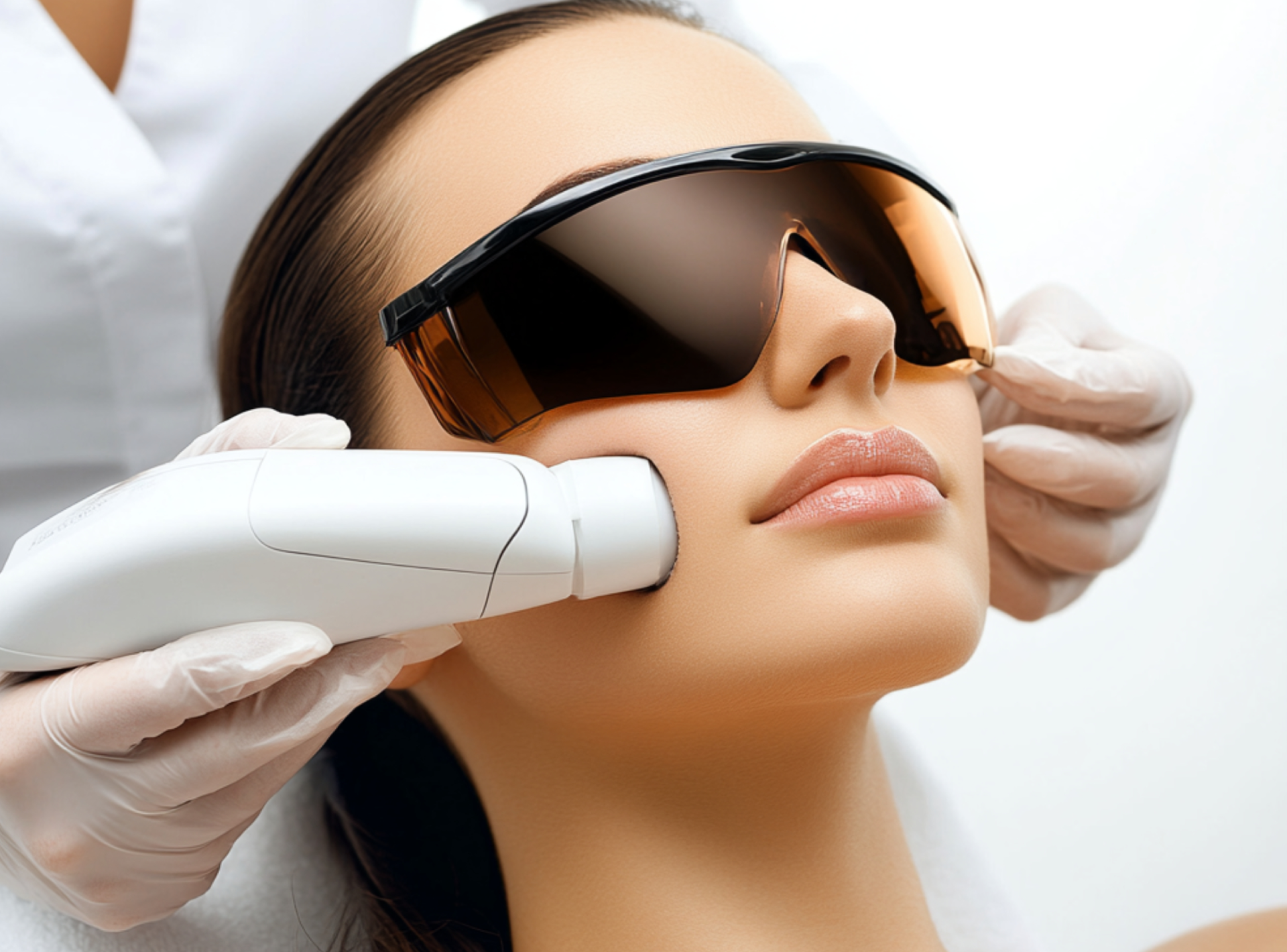
For many people considering laser skin resurfacing, a common question is whether the procedure is actually safe for their skin. The good news is that laser skin resurfacing is generally safe when performed by a qualified dermatologist or plastic surgeon, and has been used successfully for decades to treat a variety of skin concerns. The chance of complications is very low, but modern laser technology and advanced techniques have greatly reduced the chance of complications, making this one of the most reliable procedures for skin rejuvenation available today. The safety profile of laser resurfacing depends on several factors, including the type of laser used, your skin type, your provider’s experience, and your adherence to pre- and post-treatment care instructions. This complete guide will help you understand what makes laser resurfacing safe and what precautions you should take.
Laser Skin Resurfacing In Dubai
Laser Skin Resurfacing in Dubai is generally regarded as a safe and effective cosmetic procedure when performed by experienced dermatologists or qualified aesthetic specialists. It uses laser energy to remove damaged skin layers and stimulate collagen production, thereby improving texture, tone, wrinkles, and scars. The treatment provides significant advantages, including smoother skin, reduced pigmentation, and a more youthful appearance. However, as with any procedure, it may result in mild and temporary side effects such as redness, swelling, or sensitivity. Proper consultation, laser settings, and aftercare are critical for reducing risks and achieving safe, natural-looking, long-lasting skin rejuvenation results.
Understanding Laser Treatment Options
Not all laser treatments are created equal. Understanding the different types of laser treatments can help you evaluate the safety of a laser treatment for your particular situation. Lasers apply focused light energy to the skin, stripping away damaged outer layers and promoting collagen production underneath the surface.
There are two main types of lasers, ablative lasers which remove the outer layers of the skin and non-ablative lasers which work below the surface and do not remove the outer layers of the skin. Ablative procedures generally produce more dramatic results, but require longer recovery times and have slightly increased risk of complications. Non-ablative options are less aggressive and have fewer side effects, but may need to be repeated several times to get the desired results.
You can also adjust the level of treatment to meet your specific needs. Light treatments are used for mild concerns such as fine lines and uneven texture, while deeper treatments are for more significant concerns such as deep wrinkles, severe sun damage and acne scars.
CO2 Laser Resurfacing And Safety Considerations
CO2 laser resurfacing is one of the most powerful ablative options available, and it has earned its reputation over decades of proven results. The laser vaporizes thin layers of skin with minimal damage to surrounding tissue and is very effective for deep wrinkles, scars and age spots.
CO2 lasers can produce impressive results but safety factors must be taken into account. There is controlled injury to the skin which takes longer to recover than other more gentle options. Most patients will notice some redness, swelling and peeling for two to three weeks after treatment.
The Benefits Of ADVATx Laser
ADVATx is a non-ablative laser that is recognized for its gentleness and versatility. Benefits include decreased redness, improved discoloration from acne, and overall smoothing of skin tone. One of its biggest strengths is safety. It uses wavelengths that are designed to target the skin problems without damaging surrounding tissue and most people have very little downtime. It can be a good option but it’s still a medical treatment so anyone considering it, especially if you’re under 19, should talk to a qualified provider to make sure it’s right for your skin and health needs.
Ablative Laser Resurfacing: What You Need To Know
Ablative laser resurfacing uses a few different types of lasers to remove the top layer of skin exposing younger looking skin underneath. This category includes erbium YAG lasers, as well as CO2 lasers. This is a less aggressive option with shorter healing times.
The main safety issue with ablations is the possibility of infection during the healing period. When the outside layer of skin is removed, the tissue underneath is exposed to bacteria and viruses. Following strict post-treatment care instructions, such as keeping the area clean and well moisturized, greatly reduces this risk.
Another thing to consider is longer redness. Most of the redness resolves in a few weeks but some patients have persistent pinkness for several months. This is not dangerous normally but could be a cosmetic concern to some people.
Comparing Safety To Other Cosmetic Surgery Procedures
Laser resurfacing generally has a good safety profile compared to other cosmetic surgery procedures. Unlike a surgical facelift or brow lift, laser treatments don’t require general anesthesia, large incisions or a lot of tissue manipulation, which lowers the risk of serious complications.
Chemical peels have similar benefits to laser resurfacing but may be less predictable in terms of depth of treatment and results. The laser gives a more precise control, allowing doctors to target specific depths and areas more accurately.
Injectable treatments, such as Botox and dermal fillers, have a different risk profile altogether. These procedures have little downtime but do have risks including allergic reaction, asymmetry and, rarely, vascular complications. With laser resurfacing, though, you are relying on your body’s natural healing processes, not foreign substances.
Another option is microneedling, which is generally very safe, but usually gives more subtle results than laser resurfacing. Lasers often are the best option for patients who want a dramatic improvement in skin texture and tone, even if it means a little extra downtime.
Safety Concerns For Darker Skin Tones
Safety considerations for laser resurfacing differ for people with darker skin tones. Skin pigment, or melanin, absorbs the energy of the laser. If the treatment is not properly calibrated, complications can occur.
The main risk for people with darker skin is changes in pigmentation. The skin of treated areas may become lighter (hypopigmentation) or darker (hyperpigmentation). Some of these changes can be permanent, so careful treatment planning is important.
But that doesn’t mean laser resurfacing is off-limits for people with darker skin. Certain types of lasers, such as erbium and non-ablative lasers, can be used safely on darker skin tones by experienced practitioners. Fractional lasers also have been found to be safer for various skin types because they reduce heat damage to surrounding tissue.
BOOK AN APPOINTMENT TODAY
Understanding Post-Inflammatory Hyperpigmentation Risk
Post-inflammatory hyperpigmentation is one of the most common complications after laser resurfacing, particularly in those with medium to dark skin tones. This condition happens when the inflammation caused by the procedure leads to an overproduction of melanin, causing dark patches or spots.
More aggressive and deeper treatments and incorrect aftercare increase the risk of post-inflammatory hyperpigmentation. Excessive sun exposure, picking at healing skin or not following your doctor’s instructions can also increase your risk.
Fortunately, there are a few strategies that can help minimize the risk of hyperpigmentation. Many doctors recommend pre-treatment with topical agents such as hydroquinone, tretinoin or kojic acid to stabilize melanocytes and decrease pigment production. Taking these medications a few weeks before your surgery can significantly lower your risk of complications.
Aftercare is equally as important. If you want to prevent problems with pigmentation, avoid sun exposure, use mild skin products and the topical medications prescribed by your doctor. If hyperpigmentation does happen, it can typically be treated with topical lightening agents, chemical peels or additional laser treatments to target the pigment.
Maximizing Safety With Proper Cosmetic Treatments
Safety doesn’t end there with the laser resurfacing procedure. The entire process from initial consultation to final healing requires attention and care.
The biggest decision you make about your safety is who you choose. Extensive training in skin anatomy, laser physics and management of complications is provided to certified professionals. Ask your provider about their experience, especially with your skin type and concerns.
Your safety is honest consultation. Tell your doctor about all of your medications, supplements and health conditions, even those that don’t seem related. Certain medications can increase photosensitivity or affect healing, and circumstances such as autoimmune disorders may impact results.
Following the pre-treatment instructions precisely prepares you for success. Your doctor may advise you to stop using certain skincare products, avoid sun exposure, or discontinue specific medications. These are not suggestions; they are critical safety measures.
Post treatment compliance is important too. Use the medications as directed, and don’t wear makeup until your doctor tells you it’s OK. And don’t pick at the skin that’s peeling. Complications typically arise from poor aftercare, rather than the procedure itself.
Why Laser Skin Resurfacing Is The Best Solution
Laser skin resurfacing is regarded as one of the best solutions for improving overall skin quality because it effectively addresses wrinkles, fine lines, acne scars, pigmentation, and uneven skin texture. The procedure works by removing damaged outer skin layers while stimulating collagen production in deeper layers, resulting in smoother, healthier skin renewal. It provides precise treatment with controlled depth, making it appropriate for a variety of skin conditions and types. Unlike many topical treatments, the effects are more visible and long-lasting. With minimal downtime and advanced laser technology, it offers a safe, efficient, and dependable method for rejuvenating skin and restoring youthful appearance.
How Laser Skin Resurfacing Restores Confidence And Appearance
Laser skin resurfacing boosts confidence by significantly improving skin tone, clarity, and texture, making the face appear more youthful and refreshed. Scars, pigmentation, and fine lines often fade, making people feel more comfortable and satisfied with their appearance. This improvement can help you feel less self-conscious and more confident in social and professional situations. Healthy, smoother skin also gives off a natural glow, making people feel more attractive and vibrant. Over time, continuous collagen stimulation improves skin quality, allowing patients to reap long-term aesthetic benefits that benefit both appearance and emotional well-being.
MEET THE EXPERT DOCTOR
Best Aesthetic Clinic In Dubai For Laser Skin Resurfacing
Best Aesthetic Clinic in Dubai for laser skin resurfacing is Perfect Doctors Clinic, where Dr. Perfect Celebrity offers advanced laser treatments with a strong emphasis on safety, precision, and natural-looking outcomes. Laser skin resurfacing is generally safe when performed by a trained professional because it uses controlled laser energy to improve skin texture, reduce wrinkles, scars, and pigmentation, and stimulate collagen renewal. The procedure may result in mild and temporary side effects such as redness, swelling, or sensitivity, which usually go away within a few days. With proper consultation, expert technique, and aftercare, it produces effective and long-lasting skin rejuvenation results.
The Bottom Line
Is laser skin resurfacing safe? So the evidence is clear that this laser procedure is a safe and effective treatment when performed by qualified professionals who understand the nuances of different skin types and conditions. Today’s technology has come a long way to minimize risks and maximize results, whether you’re looking for softer procedures like erbium laser resurfacing, which uses short-pulsed light energy, or more intense procedures that use continuous light beams.
Today’s laser surgery techniques and alternatives like intense pulsed light make facial rejuvenation more accessible than ever. In the laser peel, a thin layer of damaged skin tissue is taken away to unveil fresh skin tissue below, stimulating the growth of new skin cells to replace the area that was treated. As the skin heals after treatment you will see improvements in texture, tone and overall appearance, with new skin appearing fresher and younger.
Proper aftercare = best possible safety outcomes. This includes gentle cleansing with diluted vinegar solution if your provider recommends it, protecting healing skin from sun exposure, and waiting to apply oil-free makeup until your doctor gives you the green light. Pre-treatment with glycolic acid or other preparatory products may help some patients optimise their skin’s response to treatment.
Some characteristics may impact your candidacy or results. Fair skinned or red haired people generally have lighter skin that is more sensitive to the sun and requires adjusted treatment parameters. If you have discoloration or sagging skin, you may need to receive customized treatments in order to achieve the results you want in a safe way.
Realistic expectations, careful selection of providers and diligent adherence to pre- and post-treatment protocols are the keys to a positive, safe experience. There are risks but they are manageable and unlikely with the right precautions. For most people seeking a significant improvement in the texture, tone and overall appearance of their skin, the benefits of laser resurfacing far outweigh the risks, making it a good investment in the health of your skin and your confidence.