





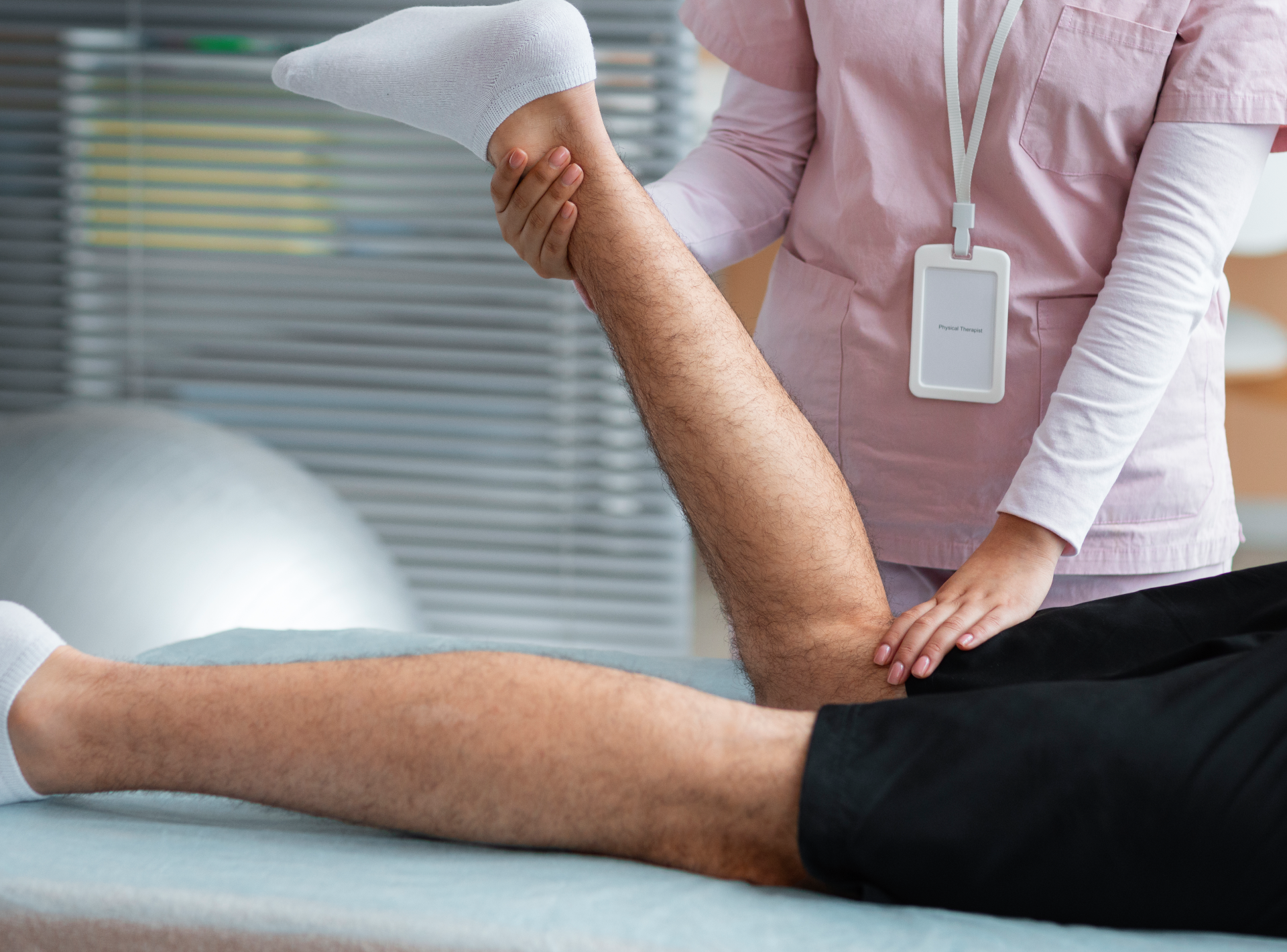
When carried out by a skilled and knowledgeable surgeon utilizing appropriate surgical methods and premium implants, calf implants are typically regarded as safe. Before surgery, patients should be aware of some crucial safety precautions, just like with any cosmetic procedure. While more serious complications like infection, implant shifting, fluid buildup, or delayed healing are less frequent but still possible, temporary swelling, bruising, tightness, and discomfort are common during recovery.
A key factor in lowering risks and promoting a speedy recovery is selecting a qualified surgeon, paying close attention to recovery instructions, and scheduling frequent follow-up appointments. While preserving long-term safety and patient comfort, careful implant selection and customized surgical planning can also achieve natural-looking results.
Calf Implants In Dubai
Calf implants in Dubai are for those who want their lower legs to be fuller, more defined, and proportionate. People who have naturally slim calves due to genetics, muscle imbalance, or prior injury, or who are unable to reach the desired calf muscle size through exercise alone and frequently choose this procedure. Advanced techniques and premium implants are used in modern calf implant surgery to improve lower leg symmetry and contour while producing an enhancement that looks natural. Even though the procedure is generally regarded as safe, obtaining successful and long-lasting results requires being aware of the crucial safety considerations prior to surgery. Selecting the appropriate implant size and location based on the patient’s body proportions and anatomy is one of the most crucial safety considerations. The risk of complications like implant shifting, asymmetry, or an unnatural appearance can be decreased with careful surgical planning. During recovery, you will likely experience temporary side effects like swelling, bruising, tightness, and discomfort, which typically go away with enough rest and aftercare. To promote a smooth recovery and lessen stress on the treated area, patients are frequently advised to wear compression clothing, refrain from physically demanding activities, and carefully adhere to walking guidelines during the healing phase. Serious complications are rare, but improper recovery instructions can lead to risks like infection, fluid accumulation, delayed healing, or implant displacement. Maintaining long-term satisfaction and safety is largely dependent on professional monitoring and follow-up care.
What Are The Risks Associated With Calf Implant Surgery?
Fortunately, serious calf implant complications are rare. To ensure you are recovering well, you should talk to your aesthetic plastic surgeon about the risks and possible complications both during and after your procedure.
Every surgical procedure carries some level of risk. The following are a few possible side effects of any surgery:
- Adverse anesthetic reaction.
- An accumulation of blood or fluid beneath the skin that may need to be removed is called a hematoma or seroma.
- Bleeding and infection.
- Alterations in feeling.
- Leaving scars.
- Allergic responses.
- Harm to the underlying structures.
- Unsatisfactory outcomes may require further action.
Additional dangers unique to calf implants include:
- A visible implant may occur due to improper implant placement or pocket dissection.
- Damage to the muscles or nerves.
- Slippage.
- Asymmetry.
Seeing a skilled, board-certified aesthetic plastic surgeon and heeding their advice and instructions both before and after your procedure can help reduce the risks associated with calf implant surgery.
Who Is A Candidate For Calf Implant Surgery?
The best person for calf implants is someone who:
- To build calf muscles, should you work out and do strength training?
- The muscles and bones are fully developed like an adult.
- Doesn’t smoke or can quit before the surgery (nicotine increases the risk of complications and slows down healing).
- Has realistic hopes for how the calf implant surgery will turn out.
What Happens Before Calf Implant Surgery?
When getting ready for calf-implant surgery, you should do what your doctor tells you to do. You might need to:
- Make sure you’re healthy enough for surgery by getting a physical exam and blood tests.
- Take pictures of yourself so that your doctor can plan the procedure and see how you looked before and after.
- You have to fast (not eat or drink) for a certain amount of time before the procedure.
- Do not take some medicines, like vitamins and supplements, before surgery.
- Take antibiotics to lower your risk of getting an infection after surgery.
- Give up smoking.
What Happens During Calf Implant Surgery?
You lie face down (prone) on the operating table during calf-implant surgery. You might be given general anesthesia to help you sleep through the procedure.
Your doctor:
- Makes a small incision into the natural crease of skin behind your knee.
- The surgeon puts special surgical tools into the cut to create a pocket between your skin and the gastrocnemius calf muscles, which is known as a subcutaneous implant). Or, the doctor makes a pocket in your calf muscle (submuscular implant).
- Be cautious not to hurt the nerves; the tibial nerve is a branch of the sciatic nerve that affects your lower leg and foot and gives them motor and sensory functions.
- Moves the calf implant through the cut and into the pocket that was made during surgery.
- Sometimes, a thin drainage tube is put under the cut to temporarily drain fluids and reduce swelling. However, not everyone needs drainage tubes.
- Puts stitches in the cut and a bandage over the wound to close it.
- puts a compression bandage or garment around your leg.
- Do these steps again on the other calf.
- Once the surgery is over, the doctor will gently roll you over to the supine (face-up) position so you can recover.
BOOK AN APPOINTMENT TODAY
What Happens After Calf Implant Surgery?
After the surgery, you need to have someone drive you home. Compression bandages are put on your legs when you go home to keep the implants in place and reduce swelling.
To care for your incision and drainage tubes, follow your surgeon’s instructions. In two weeks, your doctor will take out the stitches (if they don’t dissolve) and the drainage tube. These bandages are no longer necessary for you to wear.
Advantages Of Calf Implants You Should Know
For those who want their lower legs to be fuller, more balanced, and well-defined, calf implants have several benefits. For those who are unable to reach their desired muscle size through exercise alone, improving calf symmetry and shape is one of the greatest advantages. The goal of contemporary calf implant procedures is to maintain body proportion and long-term durability while offering an enhancement that looks natural. Even though you may experience brief swelling, bruising, or tightness while recovering, you can typically control these side effects with the right aftercare and expert supervision.
The improvement in overall body balance and lower leg contour is another significant benefit. Calf implants can correct naturally slender calves, uneven muscle growth, or volume loss caused by heredity or prior trauma. While lowering the possibility of obvious scarring or unnatural outcomes, advanced surgical planning and implant customization also contribute to increased safety. Calf implants offer improved lower body definition and long-lasting aesthetic enhancement with skilled surgical care and appropriate recovery management.
Why Calf Implants Is The Best Solution
Calf implants are regarded as one of the best options for lower leg enhancement because they provide a noticeable and long-lasting improvement that may not be achievable with exercise alone. Surgeons can choose implant sizes and shapes that complement the patient’s anatomy and aesthetic objectives for more realistic-looking results. outcomes thanks to the procedure’s high degree of customization. To lower complications and enhance long-term results, modern surgical techniques also place a strong emphasis on safety, accuracy, and controlled recovery.
The capacity of calf implants to produce consistent, long-lasting lower leg enhancement is another factor that makes them unique. After surgery, there may be transient side effects like swelling or discomfort, but proper aftercare and professional monitoring promote faster healing. With long-lasting results, the procedure is particularly beneficial for people who want better lower leg appearance, stronger calf definition, and better body proportions.
How Calf Implants Restores Confidence And Appearance
By enhancing lower leg shape, symmetry, and general body balance, calf implants aid in the restoration of confidence. Many people are self-conscious about having thin or uneven calves, particularly when they are wearing athletic wear, shorts, or fitted clothing. Patients often feel more comfortable and confident in their appearance as calf implants improve leg contour and muscle definition. A stronger, more athletic overall body profile may result from the enhanced lower leg proportions.
Calf implants frequently boost self-esteem and emotional confidence in addition to improving physical appearance. After surgery, there may be some short-term swelling or discomfort during recovery, but these side effects gradually go away as the body heals and the final contours become more apparent. Over time, patients’ improved calf shape and balanced appearance support long-term body image satisfaction while boosting their confidence in social settings, physical activities, and daily life.
MEET THE EXPERT DOCTOR
Best Plastic Surgeon In Dubai For Calf Implants
Best Plastic Surgeon in Dubai for calf implants is available at the Perfect Doctors Clinic, which guarantees patient safety and obtaining results that look natural. Patients at a reputable facility like Perfect Doctors Clinic receive thorough consultations and customized surgical plans based on their lower leg structure, anatomy, and aesthetic objectives. To find the safest implant size and placement for balanced enhancement while reducing needless risks, skilled specialists carefully assess muscle shape, calf proportions, and skin quality. Modern surgical methods are employed at Perfect Doctors Clinic to minimize visible scarring, lessen tissue damage, and increase implant stability while it heals. From pre-operative assessment to post-surgical recovery monitoring, we give top priority to patient safety at every stage of the process. To lessen swelling, discomfort, and the risk of complications, patients are also given comprehensive aftercare instructions on movement, compression clothing, activity limitations, hydration, and recovery management. Perfect Doctors Clinic offers a secure and encouraging environment for calf implant procedures thanks to its skilled surgeons, cutting-edge medical equipment, and patient-centered philosophy. Through expertly managed surgical care and closely watched recovery support, the clinic aims to achieve proportionate, natural-looking lower leg enhancement while preserving patient comfort, safety, and long-term satisfaction.