





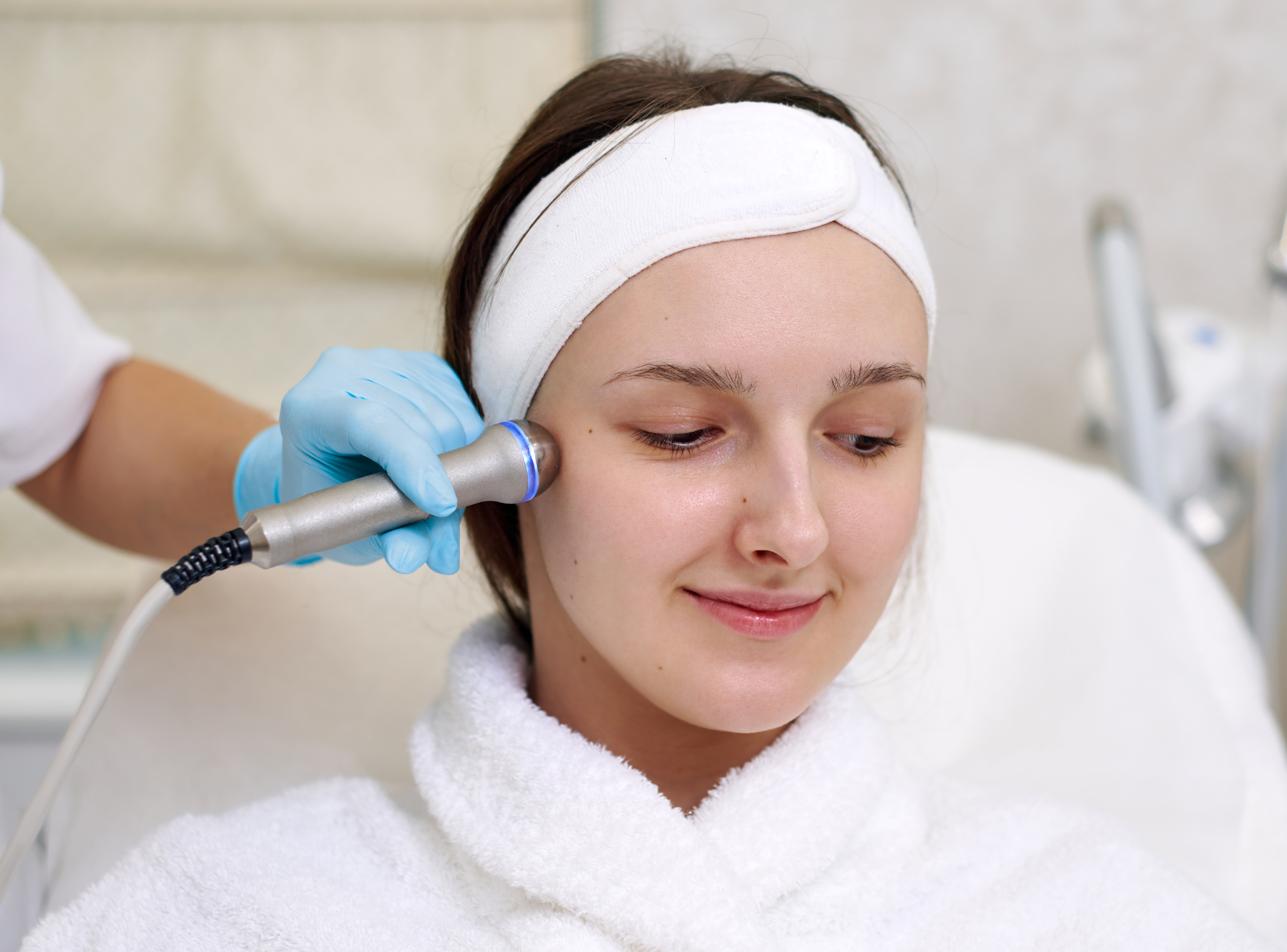
Dermabrasion is a skin resurfacing technique used to treat certain pigmentation or sun damage issues, minimize fine lines, improve skin texture, and lessen acne scars. By removing the outer, damaged layers of skin, the treatment enables smoother, healthier skin to naturally regenerate. People looking for better skin clarity and general rejuvenation are frequently advised to use it.
Patients may have brief redness, swelling, sensitivity, peeling, or mild discomfort while the skin heals following the procedure. With the right aftercare, hydration, and sun protection, these side effects typically go away over time. Dermabrasion is regarded as a safe and efficient procedure for smoother, healthier-looking skin when carried out by qualified specialists.
Dermabrasion In Dubai
Dermabrasion in Dubai is intended to enhance skin texture, minimize flaws, and encourage smoother, healthier-looking skin. Using a specialized exfoliating tool, the treatment carefully removes the outer layers of damaged skin to promote the regeneration of new, healthier skin cells. For people with acne scars, uneven skin texture, fine lines, pigmentation, sun damage, or some superficial skin irregularities, dermabrasion is frequently advised. Over time, the procedure can greatly improve overall skin tone and smoothness because it promotes collagen production and skin renewal. To ascertain whether dermabrasion is appropriate for the patient’s skin type and concerns, the procedure usually starts with a thorough skin assessment. To remove damaged surface layers, the targeted skin area is carefully exfoliated during treatment. Patients may have brief redness, sensitivity, swelling, or mild discomfort following the procedure as the skin heals. While new skin grows underneath, some peeling or crusting may also happen during the healing process. To promote quick healing and lower the chance of irritation or pigmentation changes, proper aftercare—which includes hydration, sun protection, and gentle skincare—is crucial. Dermabrasion is generally regarded as safe when done by a professional, but during the healing process, there may be brief side effects. Among the most frequent reactions are mild swelling, redness, sensitivity, or transient discoloration. When you do the procedure correctly and carefully follow the aftercare instructions, you rarely experience more serious complications like infection or prolonged pigmentation changes.
Introduction:
The terms “derma” (meaning “skin”) and “abrasion” (meaning “scraping off the uppermost surface”) combine to form the word dermabrasion. Dermabrasion collectively refers to “scraping of the uppermost surface of the skin.”
What Is Skin Made Up Of?
The skin is composed of two layers: the dermis, which has collagen tissues and a blood supply, and the epidermis, which is the outermost layer. The collagen tissues in the dermis layer are the target of dermabrasion. This process improves the skin’s tone and texture by destroying damaged collagen tissues and forming new collagen.
Who Is Suitable For Dermabrasion?
Dermabrasion is thought to be appropriate for two elements:
- Type of skin.
- Medical background.
Skin Type: This procedure may typically result in a darker skin tone.
Medical History: Allergies, rashes, skin reactions, and cold sores are examples of medical conditions that can cause an outbreak. Infection can result from dermabrasion, chemical peels, inactive acne, and severe burns.
How Is Dermabrasion Done?
A motor-driven tool known as a dermabrader is typically used for dermabrasion. The diamond heads that make up dermabraders rub against the skin to help abrade it. How deep the penetration must be determines how much pressure is applied and how quickly. High speed and low pressure are used if more abrasion is needed. Clean, sanitized sandpaper is used for manual dermabrasion to treat specific areas, like scars.
Technique:
To protect themselves from blood and aerosol particles, the doctor and assistants wear gloves, sterile masks, and shields.
Electric Dermabrasion:
- First, a cleanser like povidone-iodine is used to prepare the area that will be treated.
- The tissue to be treated is then anesthetized based on the patient’s requirements. A nerve block or local anesthetic injection is administered for confined-region dermabrasion. For full-face dermabrasion, intravenous sedation or general anesthesia may be necessary.
- The dermabrader is then applied after marking the area to be treated. Each surface is divided into sections and handled individually.
- The dermabrader is applied uniformly and gently to the firm skin.
- Loose skin areas, such as the nose, lips, and eyelids, receive special attention.
Manual Dermabrasion:
Manual dermabrasion treats smaller areas and delicate skin, blending the resurfaced skin with nearby untreated skin.
- A local anesthetic is injected after the area has been cleaned with chlorhexidine or another antiseptic solution.
- Until pinpoint bleeding is visible, sterile sandpaper (or other abrasive material) is applied gently in a circular back-and-forth motion.
- To reduce inflammation, doctors may prescribe topical steroids. After dermabrasion, an ointment is applied in the office, and the surface is cleaned with moist gauze. Every day at home, this process must be repeated.
There are flakes, redness, swelling, and enlarged pores (usually transient).
What Is The Preparation For Dermabrasion?
It is more important to prepare a patient both before and after dermabrasion. The following should be checked for in patients:
Overnight stays may not always be required for dermabrasion, which is an outpatient procedure.
Self-Care Routine Before the Treatment:
The following should be checked for in patients:
- Steroid use.
- Skin, immune, or blood disorders.
- Elevated or overgrown scar.
- Using drugs that thin the blood.
- Infection with a virus.
Self-Care Routine After the Treatment:
- Avoid the sun.
- Avoid smoking.
- Steer clear of ibuprofen and aspirin.
- Steer clear of swimming.
- Steer clear of strenuous sports.
- Replace the dressing.
- Agent for sun protection.
- Skin-lightening substance.
- Topical retinoid treatment.
- Attend every follow-up appointment.
What Are the Conditions Treated Using Dermabrasion?
The original purpose of dermabrasion was to reduce pox and acne scars. Over time, it’s also used to reverse sun damage, remove tattoos, and lessen wrinkles and fine lines. Dermabrasion can help many skin types and conditions, but not all of them.
Dermabrasion Can Improve:
- Sun-damaged fine lines.
- Stretch marks.
- Wrinkles.
- Scars from surgery, accidents, or acne.
- Tattoos and pox marks.
- Spots of age (liver).
- Any dark areas on people with dark skin tones?
- Rhinophyma is thick, red skin on the nose.
- Benign (noncancerous) skin growths.
- Skin patches that are precancerous.
Dermabrasion Cannot Improve:
- Birthmarks.
- Burns.
- Moles.
Who Cannot Receive Dermabrasion?
Patients with the following conditions should not undergo dermabrasion:
- Active infection with the herpes simplex virus (HSV).
- The preventive measure can be used for patients with a history of HSV.
- Patients who are receiving steroid therapy or who have received steroid therapy within the previous six months (steroids raise the risk of scar formation).
- Those with active acne.
What Can Be Expected After Dermabrasion?
- The skin that has been treated will be red and swollen.
- As new skin develops on the treated area, itching occurs.
- The treated area experiences some tingling and pain as the healing process advances.
What Are the Risk Factors of Dermabrasion?
You may not be a good candidate for dermabrasion due to certain medical conditions and medications. Dermabrasion might not be an option in the following situations:
- Rosacea is a blushing condition that can lead to an infection.
- Skin, immune, or blood conditions can impede the healing process.
- Recently, a facelift or brow lift was performed.
- People with dark skin are more likely to develop scarring or permanent discoloration.
- Infection with herpes simplex slows healing and raises the risk of infection and cold sore scarring.
- Treating keloid (raised scar after injury) increases the risk of scarring.
- Blood thinners or steroids used for acne may raise the risk of bleeding.
- During the procedure, handling cold skin may be difficult due to its sensitivity.
Are There Side Effects and Complications With Dermabrasion?
After dermabrasion, complications are uncommon. The most frequent issues observed, if they exist, are:
- Infection.
- Swelling.
- Frightening.
- Outbreaks of acne.
- Uneven skin color changes, either temporary or permanent.
- Following the procedure, the skin may temporarily or permanently darken when exposed to the sun.
- Temporary pore enlargement.
What Are Alternate Options for Dermabrasion?
- Chemical Peels: Chemicals are used to soften the skin’s outermost layers.
- Only fair skin tones can benefit from laser skin resurfacing.
- A physical tool for all skin types is microneedling.
- All skin types can benefit from microdermabrasion, a spray of tiny abrasive crystals. It does not address deep skin problems and is more precise than dermabrasion. This procedure doesn’t require anesthesia, and the texture of the skin gets better every day.
Advantages Of Dermabrasion You Should Know
For those who want smoother, healthier-looking skin, dermabrasion has several advantages. By eliminating damaged surface layers and promoting skin renewal, the treatment helps improve sun-damaged skin, pigmentation, uneven texture, fine lines, and acne scars. Proper aftercare promotes smoother healing and gradual skin improvement, despite the possibility of transient redness or sensitivity following the procedure.
BOOK AN APPOINTMENT TODAY
Why Dermabrasion Is The Best Solution
Because dermabrasion directly targets damaged outer skin layers while promoting healthier skin regeneration underneath, it is regarded as an effective skin resurfacing solution. Long-lasting improvements in skin texture, clarity, and smoothness can be achieved with this treatment. Side effects are usually transient and controllable during the healing process when done professionally.
How Dermabrasion Restores Confidence And Appearance
By addressing visible skin issues like acne scars, uneven tone, and rough texture that frequently impact self-esteem, dermabrasion aids in the restoration of confidence. The skin gradually becomes smoother, brighter, and more refreshed as it heals. People feel more at ease and self-assured about their appearance thanks to these natural-looking enhancements.
Frequently Asked Questions
How Long Does Dermabrasion Procedure Last?
The amount of skin that is subjected to dermabrasion determines how long the process takes. It could take several minutes or over ninety minutes.
Which Is Better, Laser Resurfacing Or Dermabrasion?
All skin types can safely undergo dermabrasion. However, it is ineffective for treating more serious skin issues because it is a mild procedure. For skin issues such as severe discoloration or extensive scarring, however, laser skin resurfacing is a better choice. Additionally, because laser resurfacing can cause hyperpigmentation, people with darker skin tones are generally thought to be better candidates for dermabrasion.
What Are The Pros And Cons Of Dermabrasion?
Dermabrasion works well to enhance:
- Sun damage causes fine lines.
- Stretch marks.
- Wrinkles.
- Scars from surgery, accidents, or acne.
- Tattoos and pox marks.
- Spots of age (liver).
- People with dark skin tones may have dark patches.
- Rhinophyma, or red, thick skin on the nose.
- Benign (noncancerous) skin growths.
- Patches of precancerous skin.
Dermabrasion rarely carries risks. The most frequent issues observed, if they exist, are:
- An infection.
- Swelling.
- The scarring.
- Acne outbreaks.
- Uneven changes in skin tone, either temporary or permanent.
- Following the procedure, exposure to the sun may cause skin to darken either temporarily or permanently.
- Pores enlarge momentarily.
How Many Dermabrasion Sittings Does It Take To See Results?
Dermabrasion typically takes six to twelve sessions to produce noticeable results. For the first three sessions, some patients may receive these treatments once a week.
Can Dermabrasion Ruin The Skin?
After dermabrasion, complications are uncommon. Infection, swelling, scarring, acne outbreaks, and transient or permanent uneven skin color changes are the most frequent complications, if they occur. Furthermore, skin darkening following the procedure may be either temporary or permanent if exposed to the sun.
Which Is Better, Dermaplaning Or Dermabrasion?
Depending on the objectives of the treatment. For instance, dermabrasion is the best choice if hyperpigmentation, clogged pores, and dark spots are an issue. On the other hand, dermaplaning—a process that involves manually exfoliating the skin to remove fine hairs and dead skin buildup—is the key to success if dry skin is the problem.
Can Dermabrasion Remove Dark Spots?
By scraping the skin’s outermost layer, dermabrasion is a procedure that helps improve the contour of the skin. It is most effective on skin conditions like age spots, brown spots, and dull skin.
How To Take Care Of Skin After Dermabrasion?
After microdermabrasion, the following actions may help protect the skin:
- Wear broad-spectrum sunscreen every day and use gentle cleansers.
- Steer clear of makeup immediately following treatment. Makeup should be applied at least 1 day following the procedure.
- For a few days following the procedure, stay out of the sun. This is because the skin may be more sensitive to the sun in the first few weeks after treatment.
- For dry, flaky skin, use a moisturizer.
- Drink lots of water to keep your skin hydrated and supple.
- Steer clear of topical acne treatments for at least 1 day after treatment. Applying them to the skin following a microdermabrasion procedure could result in a burning feeling.
- Avoid picking or touching the skin.
- For at least a week, stop using exfoliating products.
Does Dermabrasion Shrink Pores?
Large pores can be successfully treated with dermabrasion. This minimally invasive method of epidermal resurfacing reduces pores by removing oil and debris from the skin’s surface.
Can I Wear Makeup After Dermabrasion?
After the skin has healed, makeup can be applied. After dermabrasion, most people can return to their regular activities in seven to fourteen days. But once the pink hue fades, stay out of the sun for a few weeks.
What Is The Best Thing To Put On The Face After Dermabrasion?
Use a moist cloth and a rehydrating toner to thoroughly clean the face after the procedure to get rid of any dead skin cells. After the skin has completely dried, apply a moisturizer. To avoid excessive peeling, adhere to the instructions four to six days following the procedure.
Can I Wash My Face After Dermabrasion?
After dermabrasion treatment, a gentle cleanser can be applied. First, wash your face gently and make sure the cleanser is free of chemicals and perfumes. Then, to relieve any discomfort on the face, rinse it several times with cool water.
Can I Shower After Dermabrasion?
After microdermabrasion, cool showers are recommended. On the first day following treatment, however, anything that raises body temperature should be avoided, including exercise, steam rooms, saunas, and hot showers.
Who Is Suitable For Dermabrasion?
Dermabrasion treatment is available to people of all ages, including children. However, the healing process may take longer than anticipated in older adults.
Dermabrasion eligibility is determined by two factors:
- Skin Type: Individuals with dark complexions may have their skin permanently discolored by this treatment.
- Medical History: Flare-ups can be caused by medical conditions such as allergies, rashes, skin reactions, and cold sores. Chemical peels, severe burns, and active acne can all lead to infection.
What Happens Before The Dermabrasion Procedure?
The doctor typically examines the patient’s medical history prior to dermabrasion. After that, the physician examines the skin and the treated area to determine what changes are needed.
The physician may give the following instructions prior to dermabrasion:
- Certain medications, including blood thinners and aspirin, should be stopped.
- To avoid delayed healing, give up smoking two weeks prior to and following dermabrasion.
- To help prevent a viral infection, take antiviral medication both before and after treatment.
- To help avoid a bacterial infection, take an oral antibiotic.
- To improve outcomes, receive injections of onabotulinumtoxin A (Botox) at least three days prior to the procedure.
- Use a retinoid cream such as tretinoin for a few weeks before treatment to help heal.
- Steer clear of the sun because it can permanently discolor skin following dermabrasion.
Are Dermabrasion Results Permanent?
The effects of dermabrasion might not last forever. The patient undergoing dermabrasion keeps getting lines from smiling and squinting as they get older. The effects of dermabrasion can also be reversed by sun exposure.
Is Dermabrasion Painful?
Local anesthesia or a freezing spray are used to numb the skin during the painless dermabrasion procedure. Painkillers may be prescribed by medical professionals if a patient experiences a severe stinging sensation following treatment.
What Is The Recovery Time From Dermabrasion?
The treated skin takes at least 8 to 12 days to heal. Over the course of three months, the newly formed skin gradually takes on a normal color, although it may initially appear pink and tender.
MEET THE EXPERT DOCTOR
Best Aesthetic Clinic In Dubai For Dermabrasion
Best Aesthetic Clinic in Dubai for dermabrasion is crucial to guaranteeing secure care, accurate skin evaluation, and fruitful long-term outcomes. Patients at Perfect Doctors Clinic receive thorough skin examinations and customized treatment regimens based on their skin type, sensitivity, and desired appearance. This tailored approach reduces risks like excessive irritation, prolonged redness, or pigmentation issues while assisting specialists in selecting the best dermabrasion technique. Acne scars, uneven texture, fine lines, and sun-damaged skin can all be safely and effectively improved at Perfect Doctors Clinic using cutting-edge resurfacing technologies and expert techniques. Skilled professionals closely monitor each phase of the treatment and recuperation process to guarantee patient comfort and appropriate healing. To promote a quicker recovery and lessen transient side effects, patients are also given comprehensive aftercare instructions that include skincare advice, hydration suggestions, and stringent sun protection measures. Perfect Doctors Clinic offers dermabrasion treatments in a secure and encouraging setting thanks to its skilled staff, cutting-edge aesthetic technologies, and patient-centered philosophy. Through expertly supervised resurfacing treatment, the clinic helps people achieve smoother, brighter, and healthier-looking skin while putting patient safety, natural-looking skin improvement, and long-term skin health first.
Conclusion:
A tried-and-true, reasonably priced resurfacing method for wrinkles, scars, and photodamage is dermabrasion. Its comprehension is more important than that of chemical peels or laser resurfacing. Dermabrasion can produce outcomes that are on par with laser therapy when performed by skilled professionals. However, the outcomes can be anticipated to be much less predictable than those of laser therapy when the procedure is carried out by an infrequent user.