





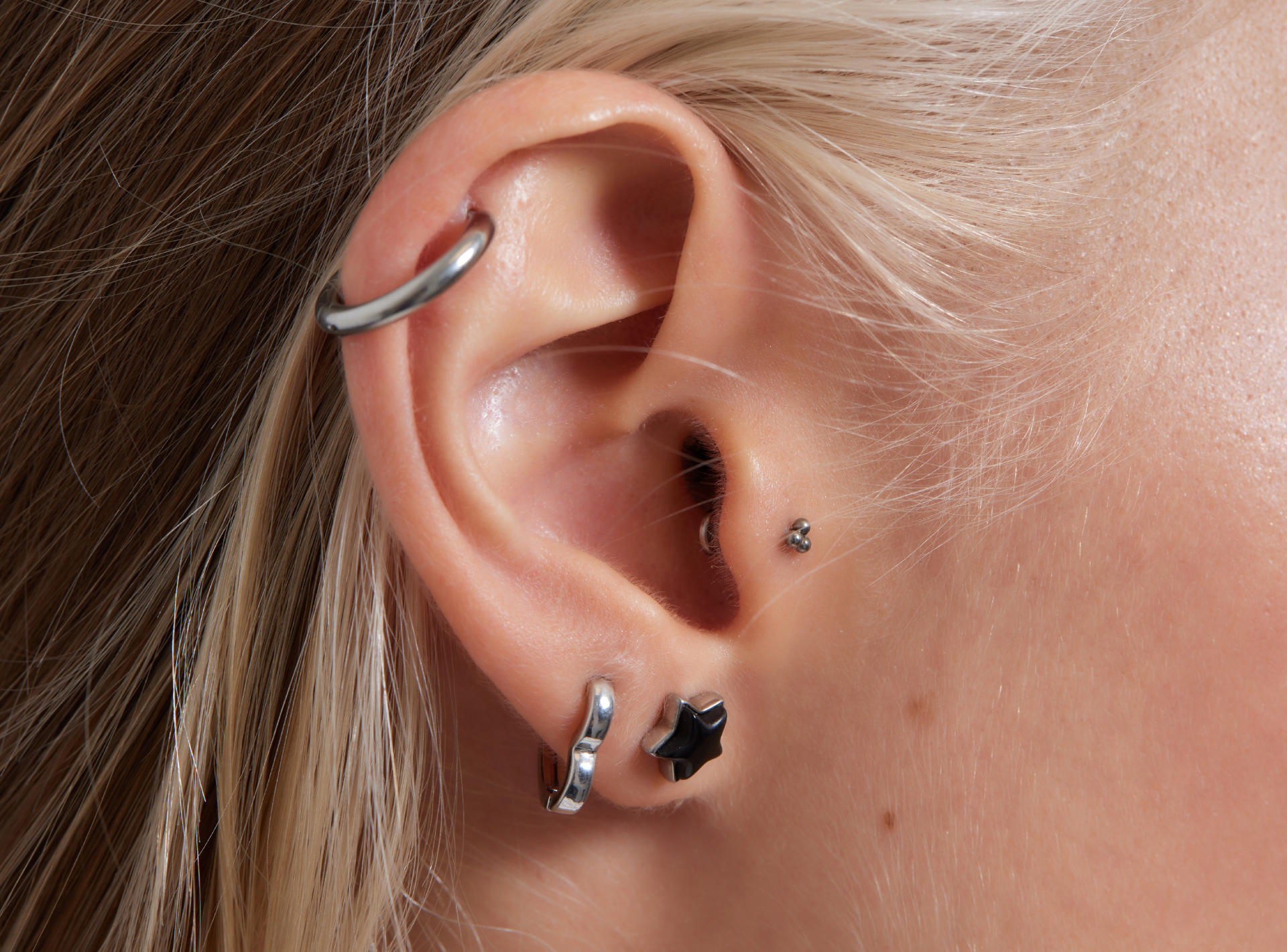
Ear piercing risks is a simple but powerful lesson in decision making. Just like entrepreneurship. Calculated risk taking yields better results by assessing possible risks, selecting experienced practitioners and ensuring proper aftercare. And just as entrepreneurs consider their challenges before they act, making informed choices in everyday decisions can lead to safer, better and well-balanced outcomes.
Ear Piercing In Dubai
Ear Piercing in Dubai is a common cosmetic procedure carried out in accordance with strict hygiene guidelines. Understanding risks such as infection or irritation emphasizes the importance of making sound decisions. Just as in entrepreneurship, assessing risks, selecting professionals, and providing proper aftercare ensures safe outcomes, balanced results, and a smoother, more successful overall experience.
1. Why Ear Piercing Is A Common And Risky Decision?
Piercing of the ear is a common practice of puncturing the ear lobe or other parts of the ear and inserting a piece of jewelry. It is often seen as a form of self-expression, fashion or cultural identity. However, ear piercing also carries some risk of infection, bleeding, scarring, allergic reactions or nerve damage. The risks differ according to the type, site and method of ear piercing, and the person’s health and hygiene. So ear piercing is not just a simple decision but a complex decision which should be carefully considered and evaluated for its potential benefits and drawbacks.
Some of the things that can affect a person’s decision to pierce their ears are:
- Individual preference and drive. Some people get their ears pierced because they think it looks good, or because they want to express their personality, style or identity. Others may do it because of religion, culture or society such as following a tradition, being part of a group or fitting in with a norm. Personal preference and motivation may influence the level of satisfaction and regret an individual may experience after ear piercing.
- Social and peer pressure. Another reason that can affect the choice to get your ears pierced is the influence of others, be they family, friends, celebrities or the media. Some people might feel pressured to get ears pierced because they want to fit in, impress or please someone else. This can lead to snap or pressured decisions that may not reflect the person’s real desires. Others, however, may object to or refuse to pierce their ears because they want to be different, to rebel, or to defy others. This can also lead to emotional or psychological conflicts that can affect the individual’s self-esteem or well-being.
- Health and safety at work. The most important factor that can affect a person’s decision about getting his or her ears pierced is health and safety. Piercing an ear breaks down the skin barrier and introduces a foreign object into the body, exposing the individual to a variety of risks, such as infection, bleeding, scarring, allergic reactions, or nerve damage. You can reduce these risks by choosing a reputable and professional piercer, using sterile and high-quality equipment and jewelry, following proper aftercare instructions, and seeking medical attention if needed. But some risks may be unavoidable or unpredictable, such as allergic reactions to certain metals or infections from contaminated sources. Hence, the individual should be aware of the possible complications and consequences of ear piercing and balance them against the expected benefits and outcomes.
2. How It Can Boost Your Confidence, Creativity, And Personal Style?
Piercing your ear can seem like a harmless and simple way to express yourself, but it can have a big impact on your personal and professional development. Ear piercing is a form of self-exploration, an opportunity to make yourself look good and a chance to express your creativity. It can also help you to develop important skills and mindsets that are essential for entrepreneurs such as risk-taking, decision making and resilience. In this section, you will learn the benefits of ear piercing in the following ways:
- Boosting your confidence: Getting your ears pierced can increase your confidence in yourself and your decisions. It can be an act of self-care, wherein you invest in your own well-being and happiness. It can also be a way to celebrate your achievements, milestones or transitions in life. Some may decide to get their ears pierced after graduating from college, getting a new job or starting a business. Ear piercing can also help you to overcome your fears, insecurities or doubts as you face the pain and discomfort of the procedure and embrace the change in your appearance. People may choose to have their ears pierced to overcome a fear of needles, challenge a negative self-image or assert their independence from others’ opinions, for example.
- Enhancing your creativity: Ear piercing can help you tap into your creative side as you try out different styles, colors, and designs of earrings. Your ears are a canvas on which to display your personality, mood, or aesthetic. You can also mix and match different earrings to come up with unique combinations for different occasions, outfits or themes. For instance, some might wear simple studs to work, colorful hoops to parties, or dangling charms for the holidays. At the same time, ear piercing can inspire you to explore other forms of art and expression such as painting, drawing or music. For example, some may have their ears pierced to match their favorite artists, characters or styles.
- Expressing your personal style: Getting an ear piercing can be a great way to discover and perfect your personal style, as you get to pick the type, placement and number of piercings that work for you. You can choose to have traditional lobe piercings or try more adventurous areas such as cartilage, tragus or helix. You also get to choose how many piercings you want. You can have one or multiple piercings in one ear or both. Ear piercing can help you stand out from the crowd and get noticed, helping you make a unique and memorable impression. Some people get their ears pierced to compliment their facial features, to highlight their outfits or to make a statement for example.
3. How It Can Lead To Infections, Allergies, Scarring, And Nerve Damage?
Ear piercing is one of the most common types of body modification. Ear piercing is when a hole is made in the earlobe or cartilage to hold jewelry. Ear-piercing is a form of identity, style or culture expression but it also has risks that need to be carefully considered. Entrepreneurs can learn from the ear piercing experience, weigh the pros and cons, make up their minds and live with the outcome.
Some risks of ear piercing include:
- Infections: Piercing the ear can introduce bacteria or fungi into the wound, leading to inflammation, pain, redness, swelling, pus, or fever. Proper aftercare instructions like cleaning the piercing site with saline solution, avoiding touching or twisting the jewelry, and changing the earrings after seven weeks can help to avoid infections. However, there are some infections that do require medical intervention, such as perichondritis which affects the cartilage and can cause permanent deformity.
- Allergies: Some individuals may experience allergic reactions to the metal or material of the jewelry, leading to itching, rash, blisters, or swelling. Allergy sufferers should opt for hypoallergenic jewelry made from materials such as titanium, gold, or surgical steel, avoiding nickel, a common allergen. But sometimes people develop a sensitivity to a metal over time, which can cause delayed reactions.
- Scarring: Ear piercing can cause scarring, or the development of excess tissue at the site of the wound. Scarring may be minimal (a small bump or lump) or severe (a keloid, which is a large, raised and hard scar that may extend beyond the site of the piercing). You can put pressure on the scar or apply silicone gel, and steroid injections or laser therapy may be useful in minimizing scarring. But some scars may be permanent or may need to be removed by surgery.
- Nerve damage: Ear piercing can potentially cause nerve damage. The nerves in the ear can be damaged, which can result in the ear losing its sensation or feeling. Depending on the severity and location of the injury, the nerve damage can be temporary or permanent. You can minimize the amount of nerve damage by choosing a reputable and experienced piercer who uses sterile equipment and proper technique, and avoiding getting your ear pierced in areas of high nerve density like the tragus, rook or daith.
Ear piercing is a personal choice that involves some calculated risk. Entrepreneurs can use the same logic in their businesses by evaluating the pros and cons of different opportunities, choosing the most feasible and profitable option and handling the potential results. Entrepreneurs can gain from the experience of ear piercing to improve their risk-taking skills and enhance their decision-making abilities.
Recessions are terrible for public companies, but the best time for startups. With big layoffs there is more competition for open jobs. This means that an entrepreneur can hire freelancers for less money.
4. Factors To Consider Before Getting An Ear Piercing
One of the most important skills entrepreneurs need to cultivate is developing tolerance for risk. Risk tolerance is the capacity to accept uncertainty and potential loss in the pursuit of an objective. It’s not like something you’re born with, it’s a dynamic and contextual state that can be influenced by a variety of factors. But before you make any decision that comes with risk, like getting an ear piercing, it’s wise to assess your own tolerance for risk and weigh up the pros and cons of the situation. Before you get an ear piercing, there are a few things you should know:
- Your own values and preferences. Why do you want to have your ear pierced? Is it for aesthetic, cultural, religious or personal reasons? How much do you care about your looks, health and comfort? What if the piercing didn’t come out the way you expected? Or you’d have to take it out later? These questions can help you clarify your motivation and expectations for having an ear piercing, and how they fit with your core values and preferences.
- Your medical and health background. Getting your ears pierced breaks the skin and introduces a foreign object into your body. This can cause several risks such as infection, bleeding, allergic reaction, scarring, nerve damage and keloid formation. Some people may be at higher risk than others because of their health conditions, medicines or allergies. For example, a person with diabetes, an immune disorder, or blood-clotting problems may have a harder time healing from a piercing. Some people allergic to nickel may have problems with some types of jewelry. Before getting an ear piercing, it’s a good idea to talk to your doctor—especially if you have any of the following risk factors.
- Your surroundings and way of life. How will an ear piercing impact your daily life, work or hobbies? Can you look after your piercing well enough to avoid infection? Will you be able to remove your jewelry when you need to? Is there any social or professional downside to having an ear piercing? For example, some workplaces or schools may have policies that prohibit or restrict ear piercings or dress codes. Certain sports or hobbies might put your piercing at risk of injury or infection. Consider whether an ear piercing fits in with your lifestyle and environment, and whether you’re willing to make changes or compromises.
- Your budget and resources. How much are you willing to pay for an ear piercing? The cost for an ear piercing will vary depending on the type of piercing, where you get it done, how many you get done, the quality and style of jewelry, and the reputation and experience of the piercer. And don’t forget to take into account the continuing costs of aftercare products, cleaning supplies and replacement jewelry. Also, be prepared for any surprise costs, such as medical bills, if you experience any complications or problems with your piercing. When deciding on ear piercing, it is recommended to check average prices in your area and compare different options and offers.
By taking these factors into account, you can assess your risk tolerance and make an informed decision about getting an ear piercing. Remember that risk tolerance is not a fixed or permanent state but a dynamic and situational one. If you have new information or new circumstances, you can always change your mind, or change your decision. The trick is knowing the risks and benefits of your choices, and balancing them with your goals and values. In this way you will learn from your experiences and build up your risk tolerance as an entrepreneur.
5. What To Look For And What To Avoid?
One of the most important decisions that entrepreneurs have to make is who to choose as partners and collaborators in their ventures. This can have a huge impact on the success or failure of their businesses and also on their personal and professional relationships. Likewise, selecting an appropriate and professional piercing studio is an important step in the process of piercing your ears that can affect your health, comfort and satisfaction. Choosing a piercing studio involves a lot of considerations, some of which are not obvious or easy to verify. Here are some tips on what to look for and what to avoid when looking for a piercing studio:
- Check that the piercer is licensed and certified. A professional piercer should be licensed by the local health department and certified by a reputable organization such as the Association of Professional Piercers (APP). These credentials prove that the piercer has had proper training, practices strict hygiene and safety standards and abides by a code of ethics.
- Choose a clean and sterile environment. The Piercing Studio should be clean, organized and sanitary. The piercing room should be separate from the waiting area and other services and have a door that can be closed for privacy and infection control purposes. The piercing equipment must be sterilized in an autoclave, a high-pressure steam apparatus that kills bacteria and viruses. The piercer has to change gloves, mask and apron in between clients. Disposable needles, jewelry and tools should also be used and thrown away in a sharps container after each use. You have the right to ask to see the autoclave and the sharps container or to watch the piercer prepare the equipment before you are pierced.
- Shop for quality jewelry and materials. At a piercing studio you should have a variety of jewelry options that will be suitable for your type of piercing, your anatomy and your preference. The jewelry should be made of high-quality hypoallergenic, biocompatible, corrosion-resistant materials such as implant-grade titanium, niobium, or gold. The jewelry should also have a smooth surface, a secure closure and a good fit. Before getting pierced, you can ask the piercer about the jewelry materials, brands and sizes or look at the jewelry labels and certificates.
- Steer clear of studios that use piercing guns. Piercing guns utilize a spring loaded mechanism to drive a blunt stud through the earlobe. You’ll often find them in malls, kiosks and jewelry stores, marketed as a quick and easy way to get pierced. However piercing guns are very unsafe and unsanitary as they can cause tissue damage, infection, scarring and allergic reactions. Piercing guns cannot be sterilized because they are made of plastic and metal parts which can hold bacteria and blood. Piercing guns also use low-quality jewelry that is too tight, too thin and too sharp, which can irritate and injure the piercing site. Never get pierced with a piercing gun, and steer clear of studios that offer or use them.
- Don’t go to studios with bad reputations or reviews. A good reputation with clients and the community is vital for a piercing studio. You can also check online reviews, ratings and testimonials from previous clients, or ask your friends, family or trusted sources for referrals. You can also go to the studio in person and see how the atmosphere is, how the staff is, and how the clientele is. A piercing studio should have a friendly, professional and respectful staff, who can answer any questions you have, address any concerns you have and give you aftercare instructions. A piercing studio should have a wide base of clientele who are satisfied and happy and can give you their experience and feedback. Steer clear of studios that have a history of complaints, lawsuits, infections, injuries, malpractice or bad reviews.
6. What To Do And What Not To Do Before, During, And After The Procedure?
Piercing your ears can be a fun and rewarding way to express your style and personality. However, it also carries with it some risks and responsibilities you should be aware of before, during and after the procedure. Ear piercing is no different from any other business and needs proper planning, informed decisions and good follow-up. Here are some tips and guidelines to help prepare you for your piercing session and avoid potential complications.
Before the procedure:
- Go to a professional, reputable piercer. Check online or ask friends or family for recommendations of places that have done their ears. Look for reviews, ratings, certifications and hygiene standards of the piercing studio and the piercer. Don’t get your ears pierced at home or at a mall kiosk, where they may not have the proper equipment, sterilization, or training to do a safe, hygienic piercing.
- Decide on the type and location of your piercing. There are many types of ear piercings; lobe, helix, tragus, daith, rook, conch, industrial etc. Each of them has its plus points and minus points like healing time, amount of pain, choice of jewelry and how nice they look. When choosing the type and placement of your piercing, you should also consider your lifestyle, your preferences and your anatomy. If you wear glasses or headphones often, for example, you may want to avoid piercings that could get in the way. If you have allergies or sensitivities to certain metals, you might want to choose hypoallergenic or titanium jewelry. For guidance and inspiration, you can ask your piercer or search for some pictures on the internet.
- Prepare yourself, physically and mentally. Ensure you are well rested, hydrated and nourished before your piercing. Avoid alcohol, caffeine, drugs or medications that could thin your blood or affect your healing process. Also, you should be in a calm and positive frame of mind, because stress and anxiety can increase your pain perception and decrease your immune system. You can bring a friend or family member with you for moral support, but make sure they are also healthy and comfortable with your decision. You also have to be ready to follow the aftercare instructions and be committed to the healing process which can take anywhere from a few weeks to several months depending on the piercing.
During the procedure:
- Hear out your piercer and follow their instructions. Your piercer will explain the procedure, the risks, aftercare and the expected outcome before starting. They will ask you to sign a consent form and check your ID if you are under 19 years old. Listen to what they say and feel free to ask any questions you have or voice any concerns you may have. And you need to listen to how they want you to stand, breathe and relax while getting the piercing. Have faith in your piercer and their expertise; they’ve done this many times before, and they know how to make the experience as smooth and safe as possible.
- There will be some pain and discomfort, but remain calm. Getting your ears pierced will be painful and uncomfortable because a needle or piercing gun will go through your skin and create a wound. How much it will hurt depends on the type and location of your piercing, your pain tolerance and your mood. Some have described the pain as a sharp pinch, a burning sensation or a dull ache. The pain should go away quickly after the piercing is carried out but you might get some soreness, swelling or throbbing for a few hours or days. That’s just part of the healing process. But if you feel faint, dizzy, nauseous, or are bleeding too much, during or after the piercing, then you should notify your piercer or seek medical attention immediately.
- Inspect your jewelry and the site of your piercing. Your piercer will clean the area when they put the jewelry in your piercing and show you the results. Check your jewelry and your piercing site to make sure that they are aligned, secure and comfortable. You should also ask your piercer about the type, size and material of your jewelry and when and how to change it. Do not touch, twist or play with your jewelry as this can irritate your piercing and delay your healing. Avoid tight or heavy earrings as they can put pressure on your piercing and cause infection or migration.
After the procedure:
Follow the instructions for aftercare carefully. Your piercer will provide you with some aftercare instructions and products to help prevent infection and care for your piercing. Follow these instructions carefully and consistently, as they are essential to your healing and the longevity of your piercing. General aftercare instructions for ear piercings are:
- Be sure to wash your hands before and after you touch your piercing or your jewelry.
- Wash your piercing twice daily with saline solution or anti-bacterial soap. Rinse gently and dry with a clean paper towel.
- Do not use alcohol, hydrogen peroxide or any other harsh chemicals on your piercing, as these can dry out and damage your skin.
- Do not swim, bathe or submerge your piercing in water. Bacteria can be introduced and an infection can occur.
- Don’t sleep on your piercing. This can put pressure on it and irritate it.
- Do not apply makeup, hair products or other cosmetics to or near your piercing as they can clog and infect your piercing.
- Do not remove or change your jewelry until your piercing is fully healed as this can cause trauma and closure of your piercing.
Keep an eye on your healing and watch for signs of infection. The healing of your piercing will go through several stages. Inflammation, crust formation and epithelialization. Watch for your healing progress and watch for any signs of infection or complications such as:
- Redness, swelling, pain or tenderness that lasts or gets worse after a few days.
- Pus, drainage or a smell from your piercing.
- Fever or flu-like symptoms, chills.
- Hypersensitivity reaction (e.g., itching, rash, hives).
- You may have rejection, migration or keloid formation, .
- If you notice any of these signs you should contact your piercer or your doctor immediately and receive appropriate treatment. Do not try to treat yourself or remove your jewelry without professional advice, as this may worsen your condition and cause permanent damage to your ear.
Piercing your ears can be a fun and rewarding way to express your style and personality. However, it also involves some risks and responsibilities that you should be aware of before, during, and after the procedure. By following these tips and guidelines you will be able to prepare yourself for your piercing session and avoid possible complications. Like any entrepreneurial venture, ear piercing requires adequate planning, informed decision making and proper follow up. Remember, your piercing is not just a fashion statement, it is a commitment to your health and well-being. Take care of it and respect it and enjoy your new look!
BOOK AN APPOINTMENT TODAY
7. Tips And Best Practices For Healing And Hygiene
Ear Piercing Aftercare is one of the most important things about ear piercing is what to do after the ear piercing. With the right care, you can help prevent infection, relieve pain and swelling, and heal faster. It may also prevent complications such as keloids, allergic reactions or nerve damage. On the other hand, not taking care of your pierced ears or taking care of them in the wrong way can cause serious health issues like sepsis, abscesses or permanent scarring. So it is important to follow some tips and best practices for healing and hygiene, such as:
- Wash your pierced ears twice a day with a mild antiseptic solution like saline, hydrogen peroxide or alcohol. Gently clean around the jewelry and the piercing site with a cotton ball or swab. Keep pierced ears and objects away from dirty hands, and do not rub or scratch them.
- Rotate your earrings gently once or twice a day so they do not stick to your skin or form crusts. Do not change your earrings until your piercing is completely healed. This can be 7 to 9 weeks for earlobes and 4 to 7 months for cartilage. If you remove or change your earrings too soon, the piercing may close up, bleed or get infected.
- Make sure to dry your pierced ears completely after swimming, showering or sweating. Pat them dry with a clean towel or tissue and keep hair dryers, curling irons and other sources of heat away from your pierced ears. Excessive moisture or heat can dry out or inflame your piercing site and delay healing.
- Choose comfortable and breathable earrings made of hypoallergenic materials such as gold, silver, titanium or surgical steel. Do not wear heavy or tight earrings, or earrings that dangle, or have sharp edges or rough surfaces. They can cause friction, pressure or trauma to your pierced ears and increase the risk of infection or rejection.
- Look for signs of infection or complications in your pierced ears such as redness, swelling, pus, fever, pain, or itching. If you see any of these symptoms, call your piercer or doctor immediately and get medical attention. Don’t try to treat the infection yourself or remove your earrings unless advised by a professional. This can make the situation worse and damage your pierced ears even more.
Here are some tips and best practices for how to ensure your pierced ears heal well and look good. You can also take advantage of the benefits of ear piercing, like showing your personality, enhancing your appearance or increasing your confidence. If you understand the risks and take the necessary precautions, ear piercing can be a fun and rewarding experience. Like entrepreneurs, you need to consider the advantages and disadvantages of your decisions and act sensibly and wisely.
8. What To Do If You Experience Pain, Swelling, Bleeding, Or Signs Of Infection?
Ear piercing can sometimes lead to problems that need prompt attention, even when it is carefully planned and executed. Entrepreneurs need to be ready for such scenarios and respond fast to limit the impact and restore the health of the business. Here are some steps that can help you with common ear piercing complications and what they can teach you about entrepreneurial decision-making:
- Pain: Some pain is normal after an ear piercing, however if the pain lasts for more than a few days or becomes severe, it may indicate infection, or an allergic reaction. You can take over-the-counter pain medication or apply a cold compress to help relieve the pain. But if the pain does not subside or increases, see the doctor as soon as possible. Similarly, entrepreneurs can experience pain or discomfort when they launch a new product or service, face competition, or receive criticism. Pain is part of life and can be managed with coping strategies, but ongoing or severe pain may be a sign of a more serious problem that needs to be dealt with. Entrepreneurs should not ignore or suffer the pain but seek professional help or advice when needed.
- Swelling: Swelling is another common symptom of an ear piercing complication, especially if the piercing is done on the cartilage. Swelling can result in the earring becoming embedded in the ear, which can result in infection and scarring. To prevent this you will want to avoid touching or twisting the earring and keep the piercing site clean and dry. You can also use a saline solution to help soothe the swelling. If the swelling does not subside or if the earring is trapped, visit a doctor to have it removed safely. Similarly, entrepreneurs may suffer ego/expectations/costs inflating or swelling as they achieve success or are lauded. Swelling can make them lose touch with reality, overrate their capabilities, or overspend their resources. To avoid this, entrepreneurs should not become complacent or arrogant, should maintain clarity and consistency in their goals and values, and should utilize feedback and data to monitor their performance. When the swelling gets out of hand or harmful, entrepreneurs should seek outside intervention or help to guide themselves back on track.
- Bleeding: Bleeding is a rare but serious complication of ear piercing particularly if it happens in the inner ear or the earlobe. It may be caused by trauma, infection or blood disorders. Apply pressure to the wound with a clean cloth or gauze and keep your head above your heart to stop the bleeding. If bleeding continues or other symptoms such as fever, dizziness, or hearing loss occur, go to the emergency room immediately. Likewise, entrepreneurs may lose revenue, customers or reputation or bleed when they face a crisis, a mistake or a scandal. Entrepreneurs need to act fast and decisively to stop the bleeding, be transparent and honest in their communications and take responsibility and accountability. If the bleeding is serious or threatens the business’s survival, entrepreneurs should seek urgent help or support from their partners, investors or mentors.
- Infection: Infection is one of the most common and dangerous complications of ear piercing and can travel to other parts of the ear or the body. Infection may occur at the piercing site from bacteria, fungi, or viruses through contaminated equipment, jewelry, or hands. To prevent infection, opt for a good clean piercing studio, follow the aftercare instructions carefully, and refrain from swimming or using strong products on the piercing. If you notice any signs of infection such as redness, pus, heat or smell, you should contact a doctor and begin antibiotic treatment as soon as possible. Entrepreneurs too may face culture, vision or ethics infection or corruption as they grow and scale their business, hire new employees or enter into new markets. To prevent infection, entrepreneurs should build and maintain a strong, positive culture, communicate and reinforce their vision and values, and operate to high standards of quality and integrity. If they see evidence of infection such as dissatisfaction, confusion, or misconduct, they should take action to address the issue and take corrective measures as soon as possible.
9. How Ear Piercing Can Teach You Valuable Lessons About Decision-Making, Risk Management, And Entrepreneurship?
Ear piercing is not just a fashion, it is also a learning experience of entrepreneurs. Surviving the ear-piercing process can give you valuable insights about decision making, risk, and entrepreneurship. So here are some things to be learned from ear piercing:
- Know your options and what you like. If you are considering getting your ears pierced you should research what kind of piercing you want, where to get it done and how much it will cost before you go to the piercing parlor. Also, think about your personal style, comfort and health. You should also explore the market as an entrepreneur, define your target audience and evaluate your strengths and weaknesses. Also, your business idea should be in sync with your passion, vision and values.
- Evaluate the risks and benefits. There are some risks to ear piercing including infection, bleeding, scarring and allergic reactions. You have to weigh these dangers against the benefits such as improving your appearance, expressing yourself and increasing your confidence. You also need to take preventive measures, like choosing a reputable piercer, following the aftercare instructions and staying away from irritants. As an entrepreneur, you also need to analyze the potential threats and opportunities such as competition, regulation and customer demand. You also need to mitigate the risks, including securing funding, protecting your intellectual property and building a strong team.
- Embrace change and uncertainty. Piercing your ears is a decision that will change your life and your appearance forever. You may experience some difficulties, such as pain, discomfort, and social stigma. Or you might regret your choice and change your mind. However, you can also learn to adapt and appreciate your new appearance. You can also try out different styles and accessories. As an entrepreneur you must also accept that the business environment is dynamic and unpredictable. There might be some challenges like market fluctuations, customer reviews and technological disruptions. You can also pivot and revise your strategy. But you can also learn to innovate and improve your product or service. You can also diversify and expand what you offer.
If you apply these lessons, you can become a successful and effective entrepreneur. Ear piercing isn’t just a cosmetic procedure, it’s a valuable experience that can help you grow and develop your entrepreneurial skills.
MEET THE EXPERT DOCTOR
Best Aesthetic Clinic In Dubai For Ear Piercing
Best Aesthetic Clinic in Dubai for ear piercing is Perfect Doctors Clinic, where Dr. Perfect Celebrity emphasizes how understanding ear piercing risks can teach entrepreneurs valuable decision-making skills such as risk evaluation, careful planning, adhering to proper procedures, and making confident decisions to achieve safe, successful, and rewarding outcomes in both business and personal growth.