





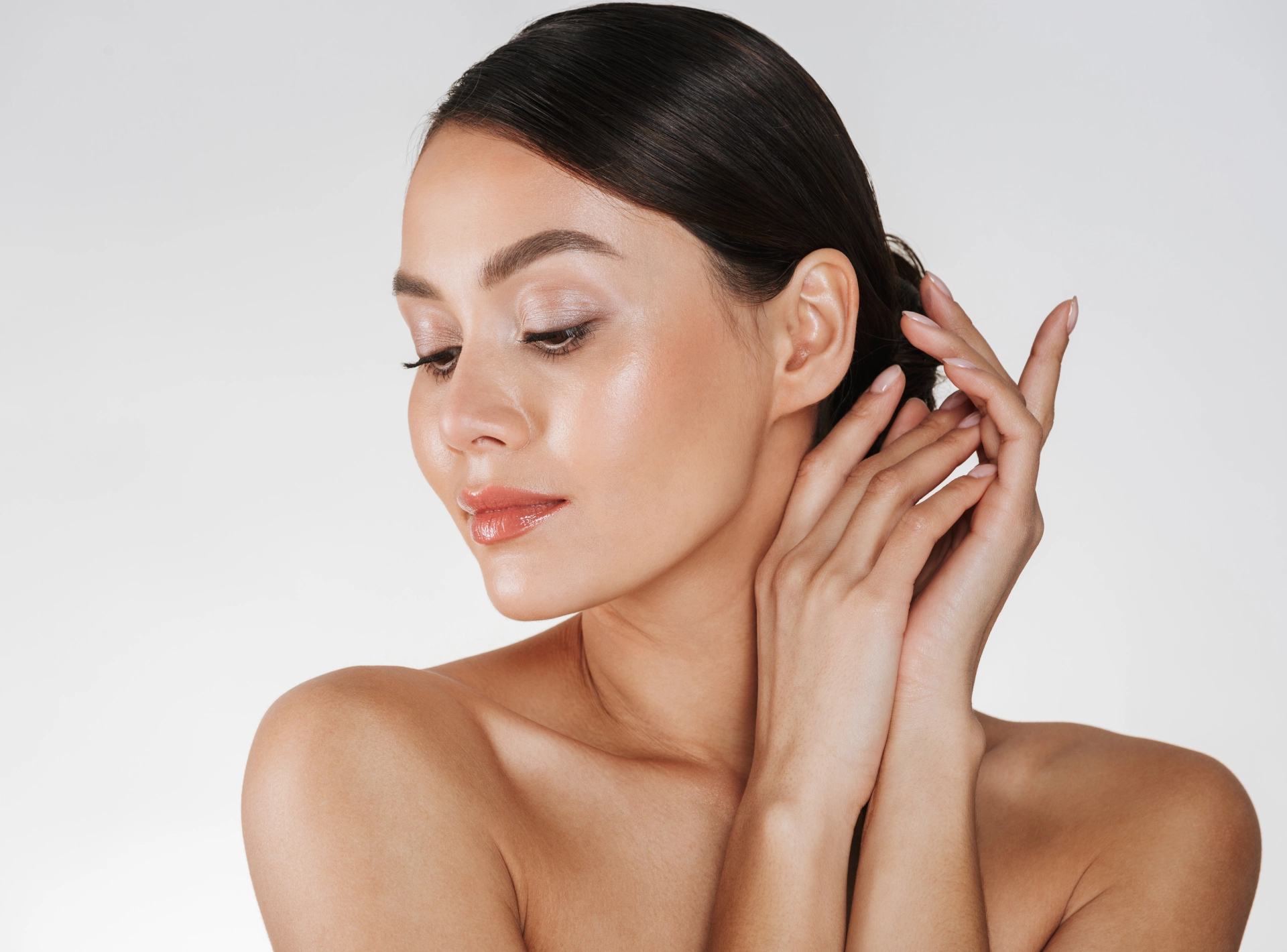
While the terms “dehydrated” and “dry skin” may seem interchangeable, they actually refer to quite different skincare issues with distinct root causes.
While dehydrated skin can affect anyone, dry skin is a skin type. It is not necessary to have dry skin in order to have dehydrated skin. Dehydrated skin can occasionally coexist with oily or combination skin types.
So how does dehydrated skin differ from dry skin?
The weather, pollution, diet, medications, and excessive cleaning are the main external causes of dehydrated skin, which is incredibly common.
Lack of water causes dehydrated skin to feel tight and rough, look lifeless, and exhibit early aging symptoms.
Dehydrated skin is frequently seen around the eyes, on the outside of the cheeks, and on the forehead close to the scalp line.
Drinking as much water as you can is crucial if you have dehydrated skin. Avoid harsh skin care products, eat fruits and vegetables high in water content, and drink lots of water.
On the other hand, dry skin can typically become flaky or rough due to a lack of moisture. Make sure you’re using the appropriate moisturizing products if this is your skin type. Select oils that allow the skin to breathe by penetrating deeply into the skin. We advise using oil products with rich ingredients, such as coconut oil or jojoba.
It can be challenging to distinguish between dry and dehydrated skin because they are nearly identical.
You can talk to Dr. Perfect Celebrity, the founder of Perfect Doctors Clinic and a reputable skin care specialist and aesthetician in the Gulf Cooperation Council, directly about your skin issues.
Dehydrated Skin Treatment In Dubai
Dehydrated skin treatment in Dubai is an increasingly popular solution for individuals seeking to restore moisture, replenish the skin barrier, and achieve a soft, healthy glow. Using advanced hydrating technologies and medical-grade skincare formulas, clinics in Dubai can effectively target concerns such as dryness, flakiness, tightness, and dullness without causing irritation. These treatments are suitable for all skin types and focus on boosting hydration levels, improving elasticity, and reinforcing the skin’s natural protective barrier. With experienced dermatologists, cutting-edge equipment, and high safety standards, Dubai offers a reliable and comfortable environment for achieving nourished, radiant, and revitalized skin with minimal downtime. In addition, many clinics provide tailored treatment plans, combining hydrating facials, serums, and clinical therapies to address the root cause of moisture loss. Consistent aftercare and expert guidance help maintain long-lasting results, ensuring your skin remains smooth, supple, and healthy.
Causes Of Dehydrated Skin Vs. Dry Skin
The causes of dehydrated skin vs. dry skin can vary depending on factors such as:
- Behavioral — a person does not drink enough water.
- Medical—certain conditions may cause loss of oil or water.
- Environmental — Certain triggers in the air may affect hydration or moisture in the skin.
Dehydrated skin
Dehydrated skin is a condition in which the skin becomes dry due to a lack of moisture. Dehydration is usually caused by the body not having enough fluid to perform all of its normal functions.
Dehydration occurs when the body loses more water and fluids than it absorbs. With less water, the body must prioritize supplying organs to support essential functions while directing less water to the skin. This causes the skin to dehydrate.
Aside from drinking less water, dehydration may be caused by:
- Excessive sweating from exercise or hyperhidrosis
- Fluid loss from diarrhea
- Fever
- Sunburn
- Heatstroke
- Diabetes
- Fluid imbalance from medications like antihistamines or laxatives.
Dry skin
Dry skin is a skin type that develops when the skin lacks oil.
The stratum corneum is the skin’s outermost layer. It acts as a barrier, keeping water inside the body and preventing harmful compounds from penetrating through the skin. Dry skin occurs when the stratum corneum fails to function properly.
Factors that contribute to dry skin may include:
- Hormonal imbalances, such as during menopause, can occur in dry environments.
- Low humidity.
- Excessive bathing, abrasive use, and specific soap or detergent ingredients can all cause skin irritation.
Factors that may contribute to weight loss include:
- Malnutrition
- Age
- Dermatitis
- Hypothyroidism
- Chronic kidney disease.
BOOK AN APPOINTMENT TODAY
Test For Dehydrated Skin
Testing for dehydrated skin can be done professionally at a clinic, but there is a simple pinch test that anyone can use at home to check their skin hydration level.
The pinch test uses skin elasticity to determine hydration. Using two fingers, gently squeeze a section of skin on the back of the hand or cheek. If it bounces back within three seconds, the skin is likely to be properly hydrated. If not, it is likely that the skin is dehydrated.
When people have dehydrated skin, a professional skin test before and after treatment can be useful in determining whether the action was effective. A doctor will be able to advise on where to get a test.
A corneometer is a useful, noninvasive tool for assessing the skin’s surface. Unlike the pinch test, which only shows whether or not the skin is hydrated, a corneometer measures skin hydration levels using a scale.
Treatment And Home Remedies
Treatments for dehydrated and dry skin vary depending on the product’s ingredients.
If a person is unsure which product is best for their skin, they can consult a dermatologist.
Dehydrated skin
Dehydrated skin can result from a lack of water in the body. As a result, drinking more water is the most effective home treatment for dehydrated skin. A person may also want to try getting more hydration from electrolytes.
External relief can also be obtained by applying water-based moisturizers. These products are available online.
Dry skin
Moisturizers, emollients, and lotions are the most commonly used home treatments for dry skin. People can buy a variety of products both in stores and online.
Certain raw ingredients can help soften the skin. Coconut oil is one example of a moisturizer that can be applied to dry areas.
Preventions
The majority of dehydration prevention methods focus on maintaining internal conditions, whereas dry skin prevention focuses on external factors.
Dehydrated skin
Staying hydrated can help keep the skin from becoming dehydrated. In addition to drinking water on a regular basis, one can reduce the likelihood of having dehydrated skin by:
Reducing alcohol and caffeine consumption, getting enough sleep, and consuming moisture-rich foods.
Dry skin
Dry skin may crack, making it easier for infection to spread. Applying antibacterial cream to areas of high exposure can help to reduce this risk.
Methods to prevent dry skin include:
- Reduce bathing frequency and duration
- Use lukewarm water
- Use oil-based soaps like tar soap
- Apply moisturizers after bathing.
MEET THE EXPERT DOCTOR
Could I Have Both Dry And Dehydrated Skin?
Yes, it is possible to have dry and dehydrated skin simultaneously. People with dry skin are more likely to become dehydrated because their skin cannot retain moisture.
How to Treat Dry Skin:
If you have dry skin, the key to treating it is replenishing the skin’s natural oils. Use oil-based moisturizers and emollient-rich creams. Ceramides, shea butter, and glycerin-containing products are especially beneficial for dry skin because they restore moisture while also protecting the skin barrier.
Expert Tip: To lock in moisture after cleansing, apply a thick, nourishing moisturizer while your skin is still slightly damp.
How to Treat Dehydrated Skin:
The primary goal for dehydrated skin should be to make lifestyle changes. Drink plenty of water throughout the day, limit your caffeine intake, and make sleep a priority. Hydrating serums and mists with hyaluronic acid and glycerin can help restore moisture to the skin.
Best Aesthetic Clinic In Dubai For Dehydrated Skin Treatment
Best Aesthetic Clinic in Dubai for dehydrated skin treatment should offer FDA-approved hydrating technologies, certified dermatologists, and personalized skincare plans tailored to individual moisture levels and skin concerns. Perfect Doctors Clinic is a highly trusted name in Dubai, providing advanced hydration and barrier-repair treatments that consistently deliver exceptional patient satisfaction. The clinic uses state-of-the-art skincare systems, moisture-boosting therapies, and premium medical-grade products, ensuring deep hydration, restored skin balance, and optimal rejuvenation for all skin types.
Summary
People often confuse dry and dehydrated skin. However, dehydrated skin is caused by a lack of fluid in the body, whereas dry skin can have a variety of causes. It typically appears flaky, rough, and may feel persistently dry regardless of hydration levels.
To prevent and treat dehydrated skin, it is essential to maintain proper hydration by drinking enough water throughout the day and incorporating hydrating, water-based skincare products such as serums with hyaluronic acid. These help attract and retain moisture in the skin. In contrast, managing dry skin usually requires nourishing, oil-based products that help restore the skin’s natural barrier and lock in moisture. Ingredients like ceramides, natural oils, and rich creams are particularly beneficial.
Understanding the difference between these two conditions is key to choosing the right skincare routine and achieving healthy, balanced skin. If you are unsure about your skin type or need personalized advice, consider seeking professional guidance. Give us a call to schedule a consultation and take the first step toward healthier, more radiant skin.