





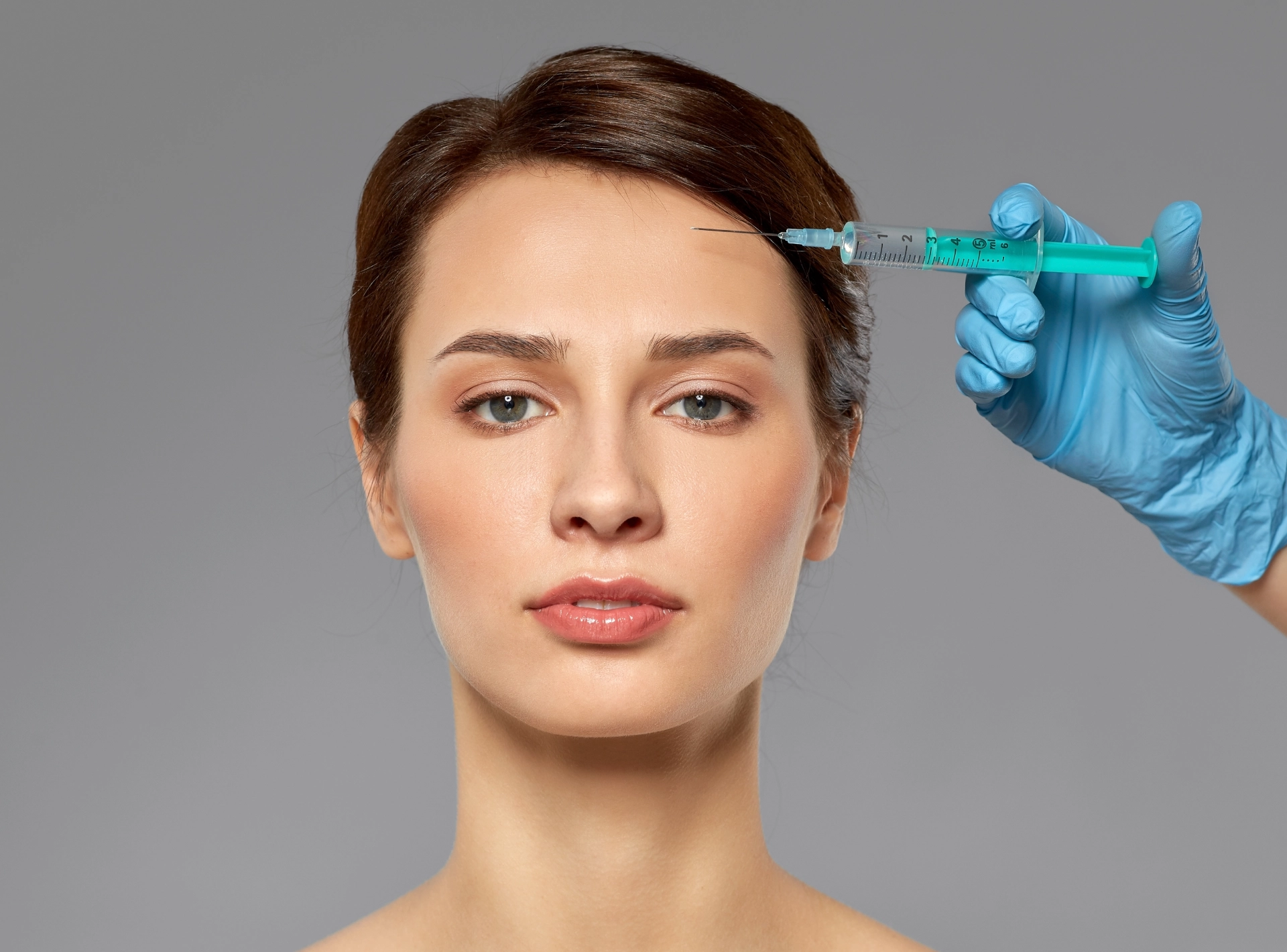
Botox has gained popularity as a treatment for persistent migraines, providing hope for people suffering from this terrible ailment.
If you want to pursue Botox injections for migraine relief, it’s important to understand the recovery process and follow-up care.
With proper aftercare you should expect a smoother recovery, which can include controlling any mild side effects while monitoring your progress.
Some swelling or pain at the injection sites can occur after your Botox treatment.
To reduce discomfort and optimize the effectiveness of the therapy, it is important to follow your healthcare provider’s aftercare instructions.
After injections, engage with your doctor to track your migraine patterns. Learn how effective the treatment is and whether any changes are needed.
Keep a record of your migraine days in the weeks following the Botox injections. Talk to your healthcare professional about any changes.
This information can give you with vital insight into your recovery and help guide future therapies.
When you are involved in your care, it helps you make smart decisions that can improve your quality of life and help you be better able to manage your chronic migraines.
Botox For Migraines In Dubai
Botox For Migraines in Dubai is a non-surgical treatment used to reduce the frequency and intensity of chronic migraine headaches by relaxing targeted muscles and blocking pain signals. It is commonly recommended for patients who experience frequent migraines that do not respond well to medication. In many recovery-focused discussions, patients want to know what to expect after the procedure and how to manage the healing phase effectively. After treatment, mild redness, slight swelling, or tenderness may appear at the injection sites, but these effects are temporary and usually settle within a few hours to a day. Patients are advised to avoid strenuous activities, excessive heat, and rubbing the treated areas for at least one day. Staying hydrated and maintaining a regular routine can help support better results. Most individuals can resume daily activities immediately, as there is minimal downtime. Improvements in migraine frequency are typically noticed within a few days to weeks. With proper care and consistency, patients can experience significant relief and improved quality of life.
Botox In Dubai
Botox in Dubai is a widely used aesthetic and medical treatment that helps reduce fine lines, wrinkles, excessive sweating, and even certain medical conditions such as chronic migraines. In many patient discussions, understanding post-treatment care is important to achieve safe and effective results. Botox for migraines: essential recovery tips and follow-up care focuses on how patients should manage the period after injections to maximize benefits and minimize side effects. After the procedure, most patients may experience mild redness, slight swelling, or tenderness at the injection sites, but these effects are temporary and usually resolve within a short time. It is recommended to avoid rubbing or massaging the treated areas for at least one day to prevent the toxin from spreading to unintended muscles. Patients should also avoid heavy exercise, excessive heat exposure, and alcohol immediately after treatment. Staying upright for a few hours after injections is often advised. Follow-up care is equally important, as it allows the specialist to monitor results and adjust treatment if needed. In Dubai, advanced techniques and experienced practitioners ensure safe procedures with minimal downtime and reliable outcomes for migraine relief and overall well-being.
Understanding Botox And Its Mechanism For Migraines
OnabotulinumtoxinA (Botox) is another type of treatment for migraines. It works by blocking certain pathways in the neurological system. It blocks neurotransmitters to lessen the frequency and intensity of migraines.
Understanding how botulinum toxin works, and the difference between chronic and episodic migraines is vital.
The Science Behind Botox As A Treatment
The bacterium that produces botulinum toxin is Clostridium botulinum. When administered, it interferes with the neurological system by inhibiting the release of several neurotransmitters.
This helps to lessen the pain signaling pathways associated with migraine attacks.
The injections are generally placed in specific locations of the head and neck. Studies have shown that Botox can significantly reduce the number of headaches.
Most individuals get benefits within 2 months, and pain alleviation might endure for several months.
The central nerve system is involved in migraine generation. Botox can help stabilize the signals in this system, which may help with the management of chronic migraines.
Difference Between Chronic And Episodic Migraine
Chronic migraines happen 20 or more days a month. Episodic migraines happen less than 20 days a month. It’s important to understand this difference when you’re thinking about a Botox treatment.
Patients with chronic migraines may experience more severe and longer symptoms. Traditional treatments may not provide relief.
On the other hand, episodic migraine patients can do well with over-the-counter drugs.
Botox has been FDA-approved for treating chronic migraines since 2015. It is not very frequently utilized for episodic instances. although some patients may still benefit from Botox even if they have fewer attacks.
Choosing the best remedy for your particular type of migraine will help you better control your condition.
BOOK AN APPOINTMENT TODAY
The Botox Treatment Process For Migraine Relief
Migraine treatment with Botox is a series of injections and scheduled cycles, designed to lower the frequency and severity of headaches. Once you know the preparatory steps for these injections as well as the usual treatment cycles, you will be able to go through the process properly.
Preparation For Botox Injections
You’ll have a consultation with a health care provider before your Botox injections. They’ll consider your medical history and how bad your migraines are.
You might be told to avoid certain medications beforehand, notably blood thinners such as aspirin or ibuprofen to lessen the chance of bruising.
Be sure to come with a clean face and no makeup on the day of the appointment. The treatment is typically done in an office and is usually approximately 15 minutes long.
Popular Injection Sites are:
- Forehead Temples
- nape of the neck
- Neck.
- Scapulas
- Upper back
Your provider will select the sites according to where you feel the most pain.
Understanding Treatment Cycles
Botox for migraines is usually given in cycles. Treatment is normally given every 3 months with follow-up visits every 1.5 months to determine effectiveness.
Each session you will receive anywhere from 35 to 160 units of Botox depending on your needs.
Over time you might start seeing fewer headache days. After numerous cycles, many patients report fewer and less severe headaches, frequently seeing improvement after their second or third treatment.
Note the days you have headaches to discuss with your clinician at follow-up visits. This comments will improve future treatment strategies for greater alleviation
Recovery And Managing Side Effects
Here are some things you need to know about your recovery and how to deal with side effects after Botox injections for migraines. Taking good care of yourself can help you feel better, and can help treatment work better.
Immediate Post-Injection Care
It’s crucial to keep upright for at least one hour after your Botox injections. This helps to prevent the medicine from spreading to locations that are not intended.
For optimum results do not massage or apply pressure to the injection areas for one day.
You may notice some swelling or redness at the injection site. The effects are usually transitory. You might try gently applying a cold compress to the regions to assist relieve discomfort.
Any risk of problems can be avoided by not doing strenuous exercise for one day.
Potential Side Effects And How To Handle Them
Bruising, swelling, and neck soreness are common side effects of Botox. These symptoms usually disappear on their own but you can take over-the-counter pain relievers to help with the pain if you need to.
Drooping of the eyelid (ptosis) can develop but normally heals within a few weeks.
Call your doctor right away if you develop significant muscle weakness or any other unusual symptoms.
Keeping sufficiently hydrated can also assist to reduce adverse effects such as muscle stiffness or tiredness.
Monitor your side effects and talk about them at your follow-up consultations. This will help to ensure that your continuous therapy is as effective as possible.
Monitoring Outcomes and Adjusting Treatment
It’s important to evaluate your improvement after obtaining Botox therapy for migraines. Getting evaluated periodically can help you track your progress and improve the quality of your life. If you are not satisfied with your outcomes you may want to look into alternate therapy as well.
Assessing Improvement And Quality Of Life
Once you begin Botox treatments, keep track of how often you get migraines, how bad they are and how long they last. Keep a migraine journal or use an app to record your experiences. Check for any changes in your discomfort and what you are able to do each day.
There are also specific scales such as Migraine Disability Assessment Scale (MIDAS) to assess your quality of life.
Effective therapy can be seen by improvements in everyday functioning.
If your headaches are less frequent or the discomfort isn’t as bad, that’s Botox functioning.
Your health care practitioner will want to keep track of your progress and change your treatment as needed.
When To Consider Alternative Or Complementary Therapies
If you aren’t getting enough relief from Botox after multiple cycles, it may be time to consider other choices.
Options may include medications such as antidepressants or treatment directed at calcitonin gene-related peptide (CGRP).
Talk to your doctor about the potential of taking too many medications. Too many medications can interfere with effectively treating migraines.
Some people may also find relief with complementary therapies such as acupuncture or cognitive behavioral therapy.
A comprehensive review of migraine medicines may provide guidance for switching or adding therapies.
Your doctor will evaluate your circumstances and provide a plan that is suited for your individual migraine management needs.
Average Recovery Time After Botox For Migraines
The average recovery time after Botox for migraines is very short, making it a convenient treatment option. Most patients experience minimal downtime and can resume normal activities the same day. Mild soreness, slight swelling, or tenderness at injection sites may occur but usually resolves quickly. Therapeutic effects begin gradually and improve over the following days and weeks.
Your First 24 Hours Of Botox For Migraines Recovery
During the first twenty-four hours after Botox for Migraines, patients may notice mild redness, slight swelling, or sensitivity around the injection areas, commonly on the forehead, scalp, or neck. These effects are temporary and generally fade quickly. It is important to avoid rubbing the treated areas, lying flat for extended periods, or engaging in intense physical activity to support proper treatment results.
Stages Of Healing After Botox For Migraines
Healing after Botox for migraines is smooth and gradual. In the first few days, minor side effects such as tenderness or redness begin to fade. Over the next several days, the Botox starts relaxing targeted muscles, helping reduce migraine frequency and intensity. Full therapeutic effects usually develop progressively, leading to noticeable relief and improved comfort over time.
MEET THE EXPERT DOCTOR
Swelling, Bruising, And Scarring After Botox For Migraines
Swelling and bruising after Botox for migraines are usually mild and temporary. Slight swelling or redness may appear immediately after injections but typically resolves within a short time. Small bruises can occur in sensitive areas but fade naturally. Since Botox involves very fine needles, scarring is extremely rare. Proper aftercare helps minimize these effects and ensures safe recovery.
Downtime For Desk Jobs After Botox For Migraines
Downtime for desk jobs after Botox for migraines is minimal, and most patients can return to work immediately after the procedure. The treatment does not interfere with normal daily activities, making it suitable for busy individuals. Any mild redness or tenderness usually fades quickly, allowing patients to continue work comfortably while following simple aftercare instructions.
Botox For Migraines Recovery Dos And Don’ts
After Botox for Migraines, following basic dos and don’ts helps ensure optimal results. Do keep your head upright for several hours, follow instructions carefully, and stay hydrated. Do avoid touching or massaging the treated areas. Don’t engage in strenuous exercise, lie down immediately, or expose treated areas to heat too soon to maintain effectiveness and safety.
Best Aesthetic Clinic In Dubai For Botox For Migraines
Best Aesthetic Clinic in Dubai for Botox For Migraines is essential for ensuring safe treatment and effective long-term relief. Perfect Doctors Clinic is known for providing advanced Botox treatments with a strong focus on precision, patient comfort, and personalized care. Proper recovery and follow-up care play a crucial role in achieving the best outcomes. Patients receive detailed instructions on post-treatment care, including avoiding heat exposure, intense physical activity, and pressure on the injection sites for a short period. Follow-up appointments help us assess progress and determine if we need additional sessions for optimal results. Mild side effects such as temporary discomfort or sensitivity are carefully managed under expert supervision. With experienced specialists and structured care plans, patients can expect a smooth recovery, reduced migraine frequency, and improved daily functioning, leading to better overall well-being and comfort.