





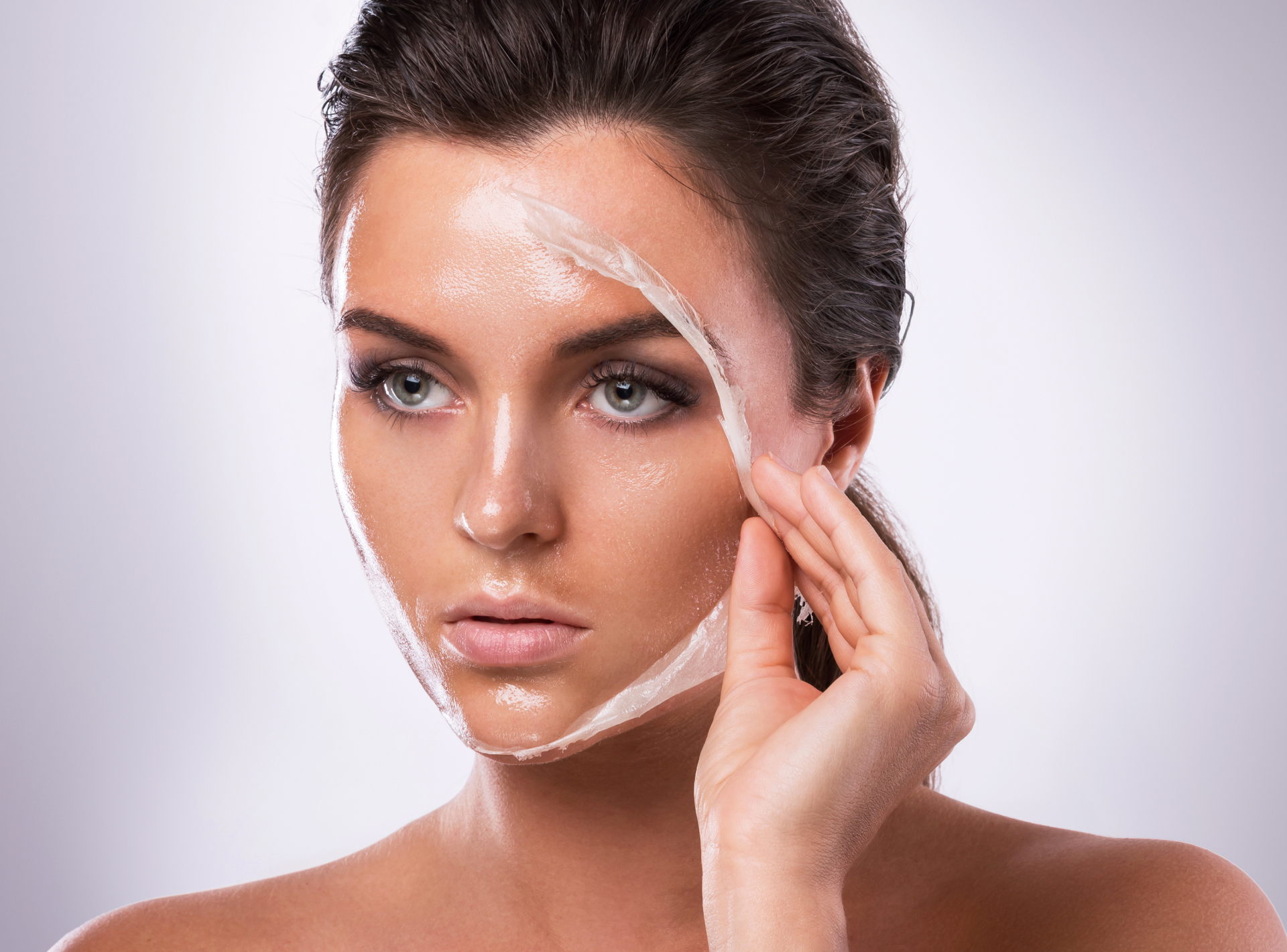
Chemical peels are now a common treatment for a variety of skin conditions, from acne and aging to pigmentation. But there are still many people who are reluctant to attempt this therapy due to misconceptions and myths regarding chemical peels. In this blog post, we’ll clarify common myths about chemical peels and provide you with the facts you need to make an informed decision about this treatment option.
Chemical Peel In Dubai
Chemical Peel in Dubai is a non-surgical skin treatment that uses a specially formulated chemical solution to exfoliate the outer layers of the skin, promoting the growth of new, healthier skin cells. It is commonly used to improve skin texture, reduce pigmentation, minimize fine lines, and treat acne or uneven tone. Depending on the strength of the peel, the treatment can target superficial to deeper skin concerns. As the old skin sheds, a smoother, brighter, and more youthful complexion is revealed. With proper aftercare, results can be long-lasting, helping to enhance overall skin clarity and radiance. This treatment is suitable for a wide range of skin types and can be customized based on individual concerns, including sun damage, dullness, and mild scarring.
Myth #1: Chemical Peels Are Unsafe
Fact: Chemical peels are safe and effective when administered by a board-certified dermatologist. These treatments have been used for years to improve the texture of the skin, minimize wrinkles, and level out skin tone. Side effects are infrequent and are usually short. Common problems such as redness, irritation, edema, and crusting of skin resolve without the need for any intervention in a few days post-therapy. To prevent any negative side effects, it is crucial to get your peel done by a competent skin care specialist and to follow all after-care guidelines.
Myth #2: My Skin Will Excessively Peel Post-Treatment
Fact: Contrary to common opinion, excessive peeling is not a requisite effect of most peels. Individual reaction and depth of peel determine the amount of peeling. Many current chemical peels function at a cellular level and have little physical adverse effect. You can experience some transient redness and discomfort. You can also use sunscreen and follow any post-treatment care instructions to help reduce any discomfort.
Myth #3: Chemical Peels Can’t Be Used on Sensitive Skin
Fact: Chemical peels can be customized for all skin types, especially those with sensitive skin. Many particular peels have been developed for sensitive skin, acne, rosacea, or eczema. These peels typically contain chemicals that help soothe irritation, strengthen the skin, and minimize redness. Even if you have sensitive skin, the correct peel might be beneficial when done under professional supervision.
Myth #4: There’s Only One Type of Chemical Peel
Fact: Chemical peels come in different varieties and depths for different skin types and problems. Superficial peels like alpha-hydroxy and glycolic acid peels are less aggressive and require little to no downtime. Medium to deep chemical peels such as TCA peels may result in more severe exfoliation and need more rest. Depending on the results you want and the state of your skin, your dermatologist will propose the best peel for you.
Myth #5: A Single Peel Is Sufficient
Fact: You may notice some improvement after one chemical peel, but usually a series of treatments is necessary for the best results. For deep wrinkles, acne scars, and dark spots, several treatments may be needed to get desired results. In general, a series of four to six peel treatments is advised, spaced four to six weeks apart. It is important to adhere to the specified treatment plan and maintenance routine for long-lasting results.
Myth #6: All Chemical Peels Are Synthetic
Fact: Many chemical peel solutions contain natural acids derived from sources such as sugar cane, sour milk, and wintergreen. The ingredients are natural, safe to use, and can give you considerable benefits for your skin.
Furthermore, not all chemical peels rely solely on laboratory-created ingredients, as many formulations are inspired by naturally derived acids like glycolic acid from sugar cane, lactic acid from milk, and salicylic acid from plant sources. These ingredients are carefully refined to ensure safety, consistency, and effectiveness while still offering the benefits of their natural origins. Modern chemical peels often combine both natural and scientifically developed components to deliver balanced results.
BOOK AN APPOINTMENT TODAY
Myth #7: Chemical Peels Are Painful
most people tolerate them quite well. The amount of discomfort you feel during a chemical peel will depend on the type and strength of the peel. TCA or phenol peels. Some peels can be an anesthetic and reduce discomfort. Milder peels, such as alpha-hydroxy acid peels, may sting a little throughout the treatment. Most patients generally report minor discomfort, and any discomfort experienced during a chemical peel is brief and resolves immediately after treatment is complete.
Myth #8: Chemical Peels Are Only for Problem Skin
Fact: Chemical peels are customizable to treat a spectrum of skin conditions, from minor to severe. Chemical peels are used to improve the appearance of skin blemishes and can also be used to maintain the general health and appearance of skin. Regular gentle peels can be utilized as a preventative treatment to maintain the skin looking smooth, moisturized, and youthful. In addition to some skin issues, chemical peels are helpful for many skin types, including sensitive skin. Peels also allow the skin to absorb topical skin care products better, and this can increase the effectiveness of your skin care program. A chemical peel can be adjusted to your unique needs, depending on whether you have minor skin flaws or more substantial concerns.
Additionally, chemical peels are not limited to treating visible imperfections but are also widely used as part of a proactive skincare routine to maintain overall skin quality. Even individuals with clear skin can benefit from periodic peels to boost cell turnover, refine pores, and enhance natural radiance. By removing dead skin buildup, peels help improve hydration levels and allow serums and moisturizers to penetrate more effectively. They can also balance uneven skin tone, reduce dullness, and support long-term skin health. With professional guidance, the strength and type of peel can be carefully selected to match your skin’s sensitivity and goals. This flexibility makes chemical peels a suitable option for maintaining smooth, healthy, and glowing skin at any stage, regardless of whether you have specific concerns or simply want to preserve your skin’s youthful appearance.
Myth #9: At-Home Peels Are Just As Effective As Professional Peels
Fact: Peels that you do at home are not as strong and can only treat the topmost layers of the skin. These are good for normal skin maintenance or mild skin conditions. On the other hand, professional peels tend to be much more potent, using prescription-strength doses of the peeling chemicals. These peels are able to address deeper areas of the dermis and treat moderate to severe wrinkling, UV damage, and pigmentation. Learn more about the difference between at-home and professional peels in this blog post.
Myth #10: Chemical Peels Treatments Take a Long Time
Fact: Chemical peel procedures are usually quick and efficient over time. Peel sessions vary in length based on the type and severity of the peel, but are normally between 25 and 35 minutes. This is done by cleaning the skin and applying the chemical solution. Most chemical peels are quick to perform, which makes it convenient for those with hectic schedules, but deeper peels may take a little longer.
Myth #11: Chemical Peels Are For Older Individuals
Fact: Chemical peels are not only for older people who want to diminish the look of aging. They can be useful for anyone who wants to improve the look of their skin and address particular issues. Chemical peels can also be used as a preventative measure to keep your skin appearing healthy and young.
Additionally, chemical peels are highly versatile and can be customized to suit different age groups and skin concerns. Younger individuals often benefit from lighter peels to manage acne, control excess oil, and improve skin texture, while those in their thirties and beyond may use them to target early signs of aging and pigmentation. The key is selecting the right type and strength of peel based on your skin condition and goals. With proper guidance and professional application, chemical peels can be a safe, effective solution for maintaining clear, radiant, and healthy-looking skin at any stage of life.
MEET THE EXPERT DOCTOR
Best Aesthetic Clinic In Dubai For Chemical Peel
Best Aesthetic Clinic in Dubai for Chemical Peel provides advanced skin rejuvenation treatments designed to improve texture, reduce pigmentation, and restore a brighter, more even complexion. Perfect Doctors Clinic offers customized chemical peel solutions tailored to different skin types and concerns, using safe and effective formulations for optimal results. These treatments help exfoliate damaged skin layers, stimulate cell renewal, and enhance overall skin clarity. With expert care and modern techniques, patients experience minimal downtime and noticeable improvements in tone and smoothness. From consultation to aftercare, every step is carefully managed to ensure comfort, safety, and long-lasting, naturally radiant skin results.