





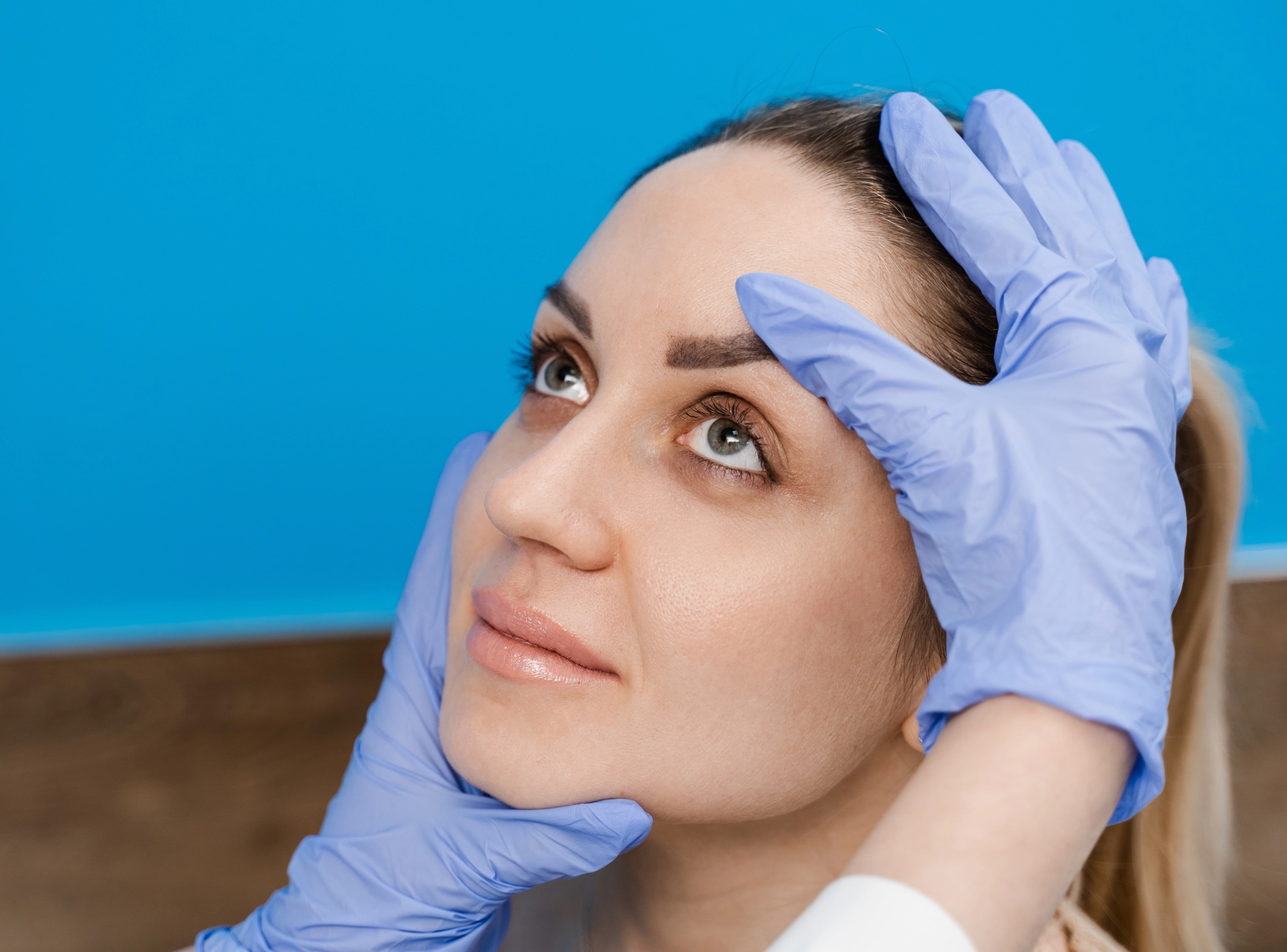
Eyelid surgery is a popular cosmetic procedure performed to improve the appearance of the eyes by removing excess skin and fat. It is also known as blepharoplasty. This surgery can rejuvenate the eye area and even improve its function. Anyone considering this procedure should be aware of the recovery time frame. Here’s a week-by-week guide of what to expect during your eyelid surgery recovery in Dubai.
Upper Eyelid Surgery In Dubai
Upper Eyelid Surgery in Dubai requires a structured week-by-week recovery. In the first week, mild swelling, bruising, and tightness are common. By the second week, the stitches are usually removed, and the discomfort has subsided significantly. Swelling gradually subsides over the next few weeks, and the eyelids appear smoother and more refreshed. Most patients resume normal activities within 11-15 days, with the final results gradually becoming apparent.
Eyelid Surgery In Dubai
Eyelid Surgery in Dubai is a popular cosmetic procedure used to refresh and rejuvenate the eye area by removing excess skin, fat, and puffiness. It reduces droopy eyelids and under-eye bags, resulting in a more youthful appearance. When performed by qualified surgeons, the procedure is both safe and effective, with a relatively short recovery time and long-lasting, natural-looking results.
Upper Eyelid Surgery Recovery: What To Expect After Blepharoplasty
Heavy, drooping upper eyelids can age you and can even affect vision in advanced cases. Many patients find it hard to look tired or old all the time, while feeling energetic and vibrant on the inside. This mismatch can have a profound effect on self-confidence and quality of life.
Upper eyelid blepharoplasty is a graceful surgical option, removing excess skin and repositioning fat through small incisions hidden within the natural eyelid crease. This detailed technique helps you look more alert and rejuvenated without losing your natural eye shape and expression.
Recovery happens in stages. Swelling and bruising are most apparent in the first three days. You’ll see significant improvement in weeks 3 through 4. Refinement of the final result takes place over the next 4 to 7 months. Most patients are back to desk work within 8-12 days. Complete healing is a gradual process.
I am a Consultant Plastic Surgeon with a special interest in facial aesthetics. My aim is to create balanced and harmonious results that complement your natural features, rather than dramatic changes that look obviously ‘surgical’. Every procedure is customized to your individual facial structure and cosmetic goals.
If you are interested in upper eyelid surgery, I invite you to schedule a personal consultation where we can discuss your specific concerns, determine your candidacy and develop a personalised surgical plan tailored to your expectations.
Understanding Upper Eyelid Surgery (Blepharoplasty) Basics
Upper eyelid blepharoplasty is an advanced surgical procedure to restore a more youthful look to tired, heavy or drooping eyelids. I am a Consultant Plastic Surgeon with a special interest in facial aesthetics and I perform this life changing procedure regularly in my Dubai clinic.
Upper eyelid surgery is a precise removal of excess skin and sometimes fat from the upper eyelids to reveal a more refreshed and youthful appearance. The procedure is usually performed under a local anaesthetic with sedation. It takes about 50-70 minutes, although in some cases it may be done under a general anaesthetic.
The average cost for upper eyelid surgery in Dubai is range from AED 7,000 to AED 12,000. The price will depend on the complexity of the surgery, the expertise of the surgeon and the fees of the facility where the surgery is done. At Perfect Doctors Clinic, we provide the highest standards of care in world class facilities.
Blepharoplasty can greatly enhance not only the aesthetic visual result but also the peripheral visual field when excess skin is limiting sight; patients report high satisfaction rates. “I do extensive consultations before surgery to determine suitability and set realistic expectations for the life-changing capacity of the upper eyelid rejuvenation.
BOOK AN APPOINTMENT TODAY
The First Two Days: Critical Post-Operative Care Tips
The first two days after your upper eyelid surgery are the most important time for post-operative care. This is the time when your body begins to recover and good care can make a lot of difference in your healing process.
After surgery, you will probably have some moderate pain, tightness and a feeling of heaviness around your eyes. Intermittent cold compresses (30 minutes on, 30 minutes off) help to minimise swelling and provide comfort. Take prescription pain medication as directed, usually switching to paracetamol after the first day.
Try to sleep with your head elevated at an angle of about 45-60 degrees. You can do this with extra pillows or an adjustable bed. This position decreases the accumulation of fluid around the surgical site. Absolute eye rest is important – no reading, no screen time, no eye straining activities. To prevent dryness your surgeon will provide you with a protective ointment that you will need to apply as instructed.
Handle the incision gently and clean as instructed for the area. Some bloody or clear discharge is normal but should get better within two days. Continue to eat a soft diet and drink plenty of fluids during this time. Do not add salt to your food or drink as this will make the swelling worse.
Most important, have an adult help you during the first few days, because swelling and protective ointments may temporarily impair your vision.
Week 1 Recovery: Managing Swelling And Bruising
The first week following upper eyelid surgery is when the signs of the operation are most evident. The swelling is usually at its worst on the third or fourth day after surgery and will make the eyes appear tight and puffy. Bruising varies a lot from person to person – it can be just a slight discolouration or obvious purple-blue marks that spread on to the cheeks.
Keep using cold packs for the first three days, then switch to warm packs to help stimulate circulation and healing. Sleep all week long with your head up. Usually stitches are taken out between the 6th and 8th day depending on how you are healing.
Most patients report a significant reduction in discomfort by day 5-6. Any prescribed antibiotic ointment should be applied as directed by your surgeon, usually for the whole first week. Gently cleansing of the incision lines with recommended solutions helps to prevent infection and crust formation.
Even with the increased comfort, your eyes may still feel dry or irritated. Lubricating eye drops are prescribed and help with relief and healing. Do not put any eye makeup or contact lenses do not rub or touch the surgical area. On overcast days, wrap-around sunglasses can protect delicate skin from sun exposure outdoors.
You will notice some initial improvement in the contour of your eyelid and will get a glimpse of what is to come during the first week, when swelling and bruising are still present.
Weeks 2-4: Visible Improvements And Healing Milestones
Most patients experience marked improvement in recovery between the second and fourth weeks after blepharoplasty. You begin to notice the dramatic swelling and bruising from week one decrease noticeably and see more of the intended aesthetic results of your surgery.
By 11-15 days, there will usually be 80-90% of the swelling gone. There may still be minor puffiness, especially in the morning. Most bruising changes color from purple to green to yellow before it disappears completely; usually by the end of week 4. The lines of the incision, though still visible, start to flatten and fade in colour.
It is common to experience changes in the way your senses work during this stage. Many patients report an occasional itching along the incision lines which is a positive sign of healing but it is important to resist the urge to scratch. Some people may have temporary numbness or increased sensitivity in the area around the surgical site and this usually gets better slowly.
Most patients are comfortable being seen in public without hiding their eyewear by week 4, with mild residual swelling and redness seen up close. Your eyes may get tired more easily than normal, especially when reading or using digital devices for long periods of time.
This is a time of big healing milestones. Internal healing is going well even as external appearances keep improving. The surgical result is becoming more apparent, although final results will continue to refine over the next few weeks.
How Long Until Complete Recovery After Blepharoplasty?
Recovery from upper eyelid surgery is a predictable, but individual process. Most visible signs of surgery diminish over the first month, but results take 4-7 months to fully mature. The broad spectrum of recoveries allows patients to have realistic expectations.
By weeks 5-7 most patients have about 95% resolution of swelling. Any remaining slight swelling, which may only be noticeable to you and your surgeon will slowly subside over the next several months. Scars keep maturing and usually fade from pink to a thin pale line that blends remarkably well within the natural eyelid crease.
Nerve endings regenerate and full sensory recovery including resolution of numbness or increased sensitivity may take up to 4 months. It usually takes 4 months for your eyelid to get back to its natural shape, but you may continue to see small improvements in the way it looks for up to 7 months.
Factors that affect how long it will take to recover include:
- Age and general state of health
- Volume of surgically removed tissue
- Ability to heal yourself
- Follow post-operative instructions
- Sun protection compliance
Most patients are back to normal activity within 3-4 weeks. Tissue healing and scar maturation takes patience. After this complete healing process your final result of a refreshed, more youthful eye appearance is fully visible.
Potential Complications And When To Call Your Surgeon
Although upper eyelid surgery is generally safe when performed by a qualified plastic surgeon, being aware of the potential complications and warning signs can help to ensure that any problems are dealt with promptly. Like any surgical procedure, there are some risks that come with blepharoplasty that need to be watched for during the recovery.
Call your surgeon immediately if you have any of the following:
- Severe swelling that gets worse, or swelling that is asymmetric, meaning one eye is much more swollen than the other
- Severe pain not relieved by prescribed medication
- Bleeding that does not stop after minor spotting or oozing
- Visual disturbances including blurred vision, double vision or loss of vision
- Increased redness, warmth or drainage from incision sites
- Fever above 39°C or increasing feeling of being unwell
- Unable to fully close eyes
Less urgent but reportable concerns include pronounced asymmetry, persistent numbness that lasts >4 months, visible scarring that appears to be healing poorly, or dry eye symptoms that worsen rather than improve.
Rare but serious complications include infection, ectropion (outward turning of eyelid), lagophthalmos (inability to close eyelids completely), and corneal exposure. Early detection and treatment in these disorders can make a big difference in the outcomes.
During your recovery, be sure to attend all of your scheduled follow up appointments. These appointments are meant to monitor the progress of your healing, and to address any issues that may arise before they become complications.
Essential Aftercare Tips For Optimal Healing Results
Good aftercare following upper eyelid surgery is a major factor in your comfort during recovery and the quality of your final results. These key strategies will help you heal optimally during your recovery period.
Sun protection is essential for at least 14 months following surgery. Scars can darken permanently from UV light exposure and swelling can be worsened by it. Wear wraparound sunglasses and a wide-brimmed hat when outdoors. Apply SPF 60 sunscreen carefully around the eye area once your incisions have completely closed (usually after 3 weeks).
Nutrition is important for tissue repair. Eat foods high in antioxidants, vitamins A, C, E and Zinc. Focus on anti-inflammatory food. Keep your fluid intake up but go easy on the salt, which can make swelling last longer. Don’t drink alcohol for at least three weeks, as it increases fluid retention and may interfere with healing mechanisms.
Recovery is directly tied to sleep quality. Sleep with your head elevated for at least 3-4 weeks. When you start sleeping back in your normal positions , try a silk pillowcase to minimize friction on the healing tissues .
Once your surgeon has given you the all clear (usually around week 4-5) gentle lymphatic massage above the brow and along the cheekbones (not the incision itself) can help to relieve residual swelling. Use clean fingertips, applying light pressure in an upward and outward motion.
Scar management is important once the incisions are fully closed. As you heal your surgeon may suggest certain silicone-based products or gentle massage techniques to help improve the appearance of your scar.
MEET THE EXPERT DOCTOR
Returning To Normal Activities: Timeline And Guidelines
After upper eyelid surgery, you should resume your normal routine gradually and in stages to protect your healing tissues and to optimize your results. Your surgeon will tailor recommendations to your individual healing progress, but this timeline is a general guide.
Walking can start as soon as two days after surgery, slowly increasing in duration as tolerated. But do not bend over at the waist or do things that increase the blood pressure to the head for at least 3 weeks. More vigorous exercise such as aerobics, weight training and yoga should be held off for at least 4–5 weeks.
The majority of patients can return to desk work in 8-12 days, but those with physically demanding jobs may take 3-4 weeks to return to full duty. If you work with digital devices, remember to take regular breaks to prevent eye strain and use lubricating drops if needed.
As for makeup, most surgeons will allow makeup around the eyes after 3 weeks, once the incisions are closed completely. Use sterile and new products to reduce the risk of infection. Mineral based cosmetics are gentle and ideal for the first reintroduction phase.
The significant swelling goes down and contact lens wearers usually go back to wear around the 3 week mark. Again, the wearing of lenses should be done gradually, beginning with short periods of time and using lubricating drops generously.
Generally, flying is safe after 2-3 weeks but cabin pressure may temporarily increase swelling. It is best to wait for 4-5 weeks after surgery before taking long haul flights. Bring hydration and cool compresses to travel with to reduce discomfort as needed.
Listen to your body during this transition phase and adapt your activity to it, taking rest when you need it to support you on your healing journey.
Upper Eyelid Surgery Recovery Dos and Don’ts
Dos
- Apply cold compresses to reduce swelling.
- Keep the head elevated while resting.
- Take your medications as prescribed.
- Keep the eye area clean and protected.
Donts
- Avoid rubbing or touching the eyes.
- Avoid heavy exercise.
- Do not wear makeup early.
- Avoid direct sunlight and screen strain.
Frequently Asked Questions
How Painful Is Upper Eyelid Surgery Recovery?
You will have mild to moderate discomfort after upper eyelid surgery—not severe pain. Most patients feel tightness, pressure and a heavy sensation around the eyes for the first three days. Usually, prescription pain medication is only needed for 2 to 3 days, and after that time, over-the-counter paracetamol is usually sufficient. The application of cold compresses greatly reduces discomfort, and most patients report that the pain is much less than anticipated.
When Will I See The Final Results Of My Blepharoplasty?
You will see improvements in 3-4 weeks after surgery, but the final results of upper eyelid blepharoplasty usually appear at 4-7 months after the procedure. 95% of swelling is gone by week 5. The residual subtle swelling gradually resolves over the next few months and the scars continue to mature from pink to a thin pale line. Complete tissue healing and final contour stabilization requires patience, but the refreshed, more youthful appearance becomes more and more evident throughout this healing process.
Will I Have Visible Scars After Upper Eyelid Surgery?
Blepharoplasty scars are usually well hidden and become almost invisible as they heal completely. The incision is made in the natural crease of the upper eyelid, which is hidden when the eyes are open. The scar is initially a fine pink line that will gradually fade over 4-7 months to a thin pale mark that will blend in with your natural skin tone. Good sun protection and following your surgeon’s scar management protocol goes a long way to the final look of your scars.
How Soon Can I Wear Makeup After Eyelid Surgery?
Most surgeons allow the application of makeup around the eyes about 3 weeks after blepharoplasty, once incisions have healed completely. Start with fresh, clean products to cut the chance of infection. Mineral based cosmetics are the best choice. Begin by steering clear of heavy, oil-based formulas and easing makeup off with non-irritating products. Should you notice more redness, irritation or discomfort when you resume use of cosmetics, stop using the products and contact your surgeon.
Is Blepharoplasty Covered By Insurance Or The NHS?
Upper eyelid blepharoplasty may be eligible for NHS or insurance coverage if done for functional reasons (where there is enough excess skin to affect vision – dermatochalasis). Documentation generally includes visual field testing that shows improvement in peripheral vision with the eyelid taped up. In Dubai, the NHS does not fund purely cosmetic blepharoplasty (improving the appearance of the eye without any visual impairment), this would cost between AED 7,000 to AED 12,000. In certain patients, functional and cosmetic concerns can be addressed at the same time.
How Long Should I Take Off Work After Upper Eyelid Surgery?
Most patients are able to resume desk work in 8-12 days following upper eyelid surgery. People working in physically demanding jobs typically need 3-4 weeks before going back to full duties. When you return to work for the first time you may still have some minor visible bruising which can be camouflaged with tinted glasses. You can use computers, but remember that they can tire your eyes, so it’s a good idea to take regular breaks and use lubricating eye drops. Talk to your surgeon about the specific demands of your job so that he or she can give you specific advice about when you can go back to work.
Best Plastic Surgeon In Dubai For Upper Eyelid Surgery
Best Plastic Surgeon in Dubai for upper eyelid surgery is available at the Perfect Doctors Clinic, where Dr. Perfect Celebrity provides expert care and detailed recovery instructions. Upper eyelid surgery recovery takes place week by week, beginning with mild swelling and bruising in the first week. By the second week, discomfort has subsided, and stitches are frequently removed. Healing progresses in the following weeks, revealing smoother eyelids and a more refreshed, youthful appearance.