





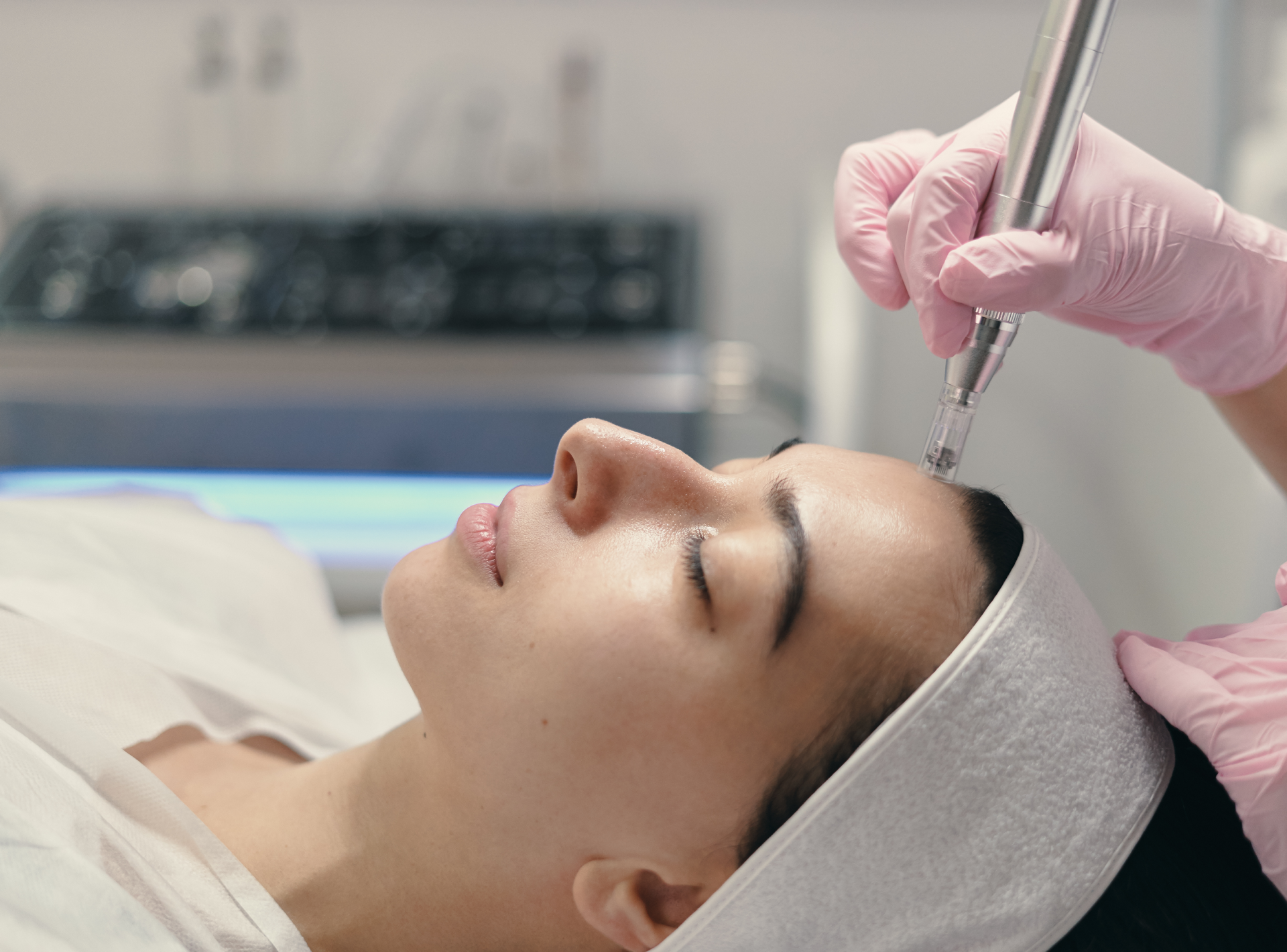
You just got RF microneedling and are anxious about what you’re going through? Breathe. Usually, what you’re seeing is very normal and means that your treatment is working.
RF microneedling makes small, controlled injuries in your skin while sending radiofrequency radiation to deeper layers of tissue. Your body responds by making more collagen, which is what makes your skin tighter and smoother. But you can see the consequences of that healing process.
Most people have redness that lasts 1-3 days, slight swelling (particularly around the eyes), pinpoint bleeding during treatment, and skin that feels warm or burnt. These are normal reactions, not problems.
But some symptoms do require a call to your physician, and it’s important to recognize the difference. If you have swelling that lasts more than a week, strange discharge, intense discomfort, or evidence of infection, you should see a doctor.
At Perfect Doctors Clinic, we give each client full aftercare instructions and are always accessible to answer issues during recuperation. We have done thousands of RF microneedling treatments in Dubai and Abu Dhabi, and we have seen every kind of natural healing response.
We will show you the full recovery timeline in this guide, tell you what side effects to expect at each step, and point out the few warning flags that demand your attention.
RF Microneedling In Dubai
RF Microneedling in Dubai is a popular skin rejuvenation treatment that combines microneedling with radiofrequency energy to improve skin texture, tighten loose skin, and reduce fine lines. In many recovery-focused cases, patients want to clearly understand which side effects are normal and when they should seek medical advice. After treatment, it is common to experience mild redness, slight swelling, warmth, and sensitivity in the treated area, similar to a light sunburn. These effects usually settle within 1-3 days. Some patients may also notice minor dryness or light peeling as the skin begins to renew itself. However, if symptoms such as severe pain, prolonged swelling, signs of infection, or unusual skin discoloration occur, it is important to contact a provider immediately. Proper aftercare, including avoiding sun exposure, using gentle skincare, and keeping the skin hydrated, helps reduce side effects and supports healing. In Dubai, advanced techniques and controlled settings help minimize risks. With proper care and awareness, patients can achieve smoother, firmer, and healthier-looking skin safely.
RF Treatment In Dubai
RF Treatment in Dubai combines radiofrequency energy with microneedling to tighten skin and boost collagen more deeply. RF Microneedling Side Effects: What’s Normal vs. When to Call Your Provider is an important topic for patient safety and awareness. Normal side effects include temporary redness, mild swelling, tightness, and slight tenderness, which usually resolve within a few days as the skin heals. These reactions are expected and indicate that the skin’s natural repair process has started. However, patients should contact their provider if they experience severe pain, prolonged swelling, blistering, signs of infection, or unusual skin discoloration. These may indicate complications that require medical attention. Following proper aftercare—such as avoiding heat exposure, heavy workouts, and harsh skincare products—helps reduce risks and supports faster healing. With professional treatment and careful monitoring, RF microneedling remains a safe and effective option for skin rejuvenation and tightening.
Microneedling In Dubai
Microneedling in Dubai is a popular skin rejuvenation treatment that helps improve texture, reduce fine lines, and stimulate natural collagen production. In many recovery-focused cases, patients want to understand what side effects are normal after treatment and when they should be concerned. After microneedling, it is common to experience mild redness, slight swelling, sensitivity, and a warm sensation in the treated area. These effects usually look similar to a mild sunburn and typically settle within 24 to 72 hours. Some patients may also notice light peeling or dryness as the skin begins to renew itself, which is part of the natural healing process. Proper aftercare, such as gentle cleansing, hydration, and avoiding direct sun exposure, helps speed up recovery and improve results. In Dubai, advanced techniques and controlled depth settings are used to ensure safer treatments and predictable healing outcomes. With correct post-treatment care, patients can achieve smoother and healthier-looking skin with minimal downtime.
Key Takeaways
- Your provider’s skill matters most: The success of your therapy depends on how well the individual using the device knows what they’re doing. Hire a competent, experienced professional to make sure you are safe and receive the results you want.
- Plan for a few days of social downtime: You might have some redness and swelling, like a sunburn. This is a typical component of the healing process as your skin makes new collagen. It normally goes away in 2 days.
- Honesty during your consultation is non-negotiable: You must be honest during your appointment because RF microneedling isn’t right for everyone. It’s important to be honest about your medical history, medications, and whether or not you’re pregnant to make sure the treatment is safe and successful for you.
What Is RF Microneedling? A Simple Breakdown
RF microneedling is one of the best ways to really make your skin look younger if that’s what you’re going for. This is like a more powerful form of regular microneedling. This beauty treatment makes tiny, controlled holes in your skin with a special equipment that has very fine needles. These tiny injuries speed up your body’s natural healing process, which tells it to make more collagen and elastin. These are the two proteins that maintain your skin smooth, firm, and young.
But here’s where the magic really happens: the needles not only go into your skin, but they also send radiofrequency (RF) energy deep into the dermis. This moderate heat speeds up the process of producing collagen, making the treatment much more effective than just microneedling. The end effect is a complete skin refresh that can fix everything from uneven texture and fine lines to acne scars and wrinkles. It’s a smart and effective technique to change your skin from the inside out, making it look smoother, tighter, and more luminous.
What Does The Radiofrequency Do?
So, what does the radiofrequency energy do, exactly? Its role is to send heat to the deeper layers of your skin where collagen is made. The tiny needles transfer radio-frequency energy exactly where it has to go without hurting the top layer of your skin.
This heat energy does two things. First, it makes the collagen fibers that are already there compress and tighten, which gives you an immediate firming impact. Second, and more crucially, the heat causes fibroblasts, which are unique cells, to produce new collagen and elastin. In the weeks and months that follow, this new collagen helps repair the support system of your skin, making wrinkles less noticeable, filling in the skin, and making scars look better.
How Is It Different From Regular Microneedling?
Both procedures work by promoting collagen, but RF microneedling gives you much better results. Microneedling is great for making skin look and feel better, but adding radiofrequency radiation makes it even better. The heat makes the skin’s tightening and remodeling effects stronger, which means that the changes remain longer and are more noticeable.
Because the RF energy is given under the skin, it’s a good choice for people who don’t want to have more invasive treatments like laser resurfacing. It usually has shorter downtime and a lesser risk of pigmentation problems, so it’s a safer and better choice for a wider range of skin types, even darker skin tones. You get all the great benefits of skin resurfacing without having to wait a long time to heal.
What Happens During An RF Microneedling Session?
Knowing exactly what to expect can make any new treatment more fun and less scary. An RF microneedling session is a simple procedure that is planned with your safety and goals in mind. Every step, from the first conversation with your provider until the time you leave, is meticulously designed to make sure you get the best results. It’s not a long or hard process, but knowing how the appointment will go will help clear up any confusion. We’ll go over a typical session, from the consultation before treatment to the process itself and the strategy for your skin’s long-term health. This way, you’ll feel completely ready and sure of yourself.
The Consultation And Prep Work
A thorough consultation is the first step in your journey. This isn’t simply a formality; it’s the most important thing you can do to make sure the treatment works for your skin. Your physician will talk to you about your cosmetic objectives, look at your skin, and go over your health history during this conversation. You need to be absolutely honest here. Tell them about any medications you’re taking, any skin problems you have, or whether you could be pregnant. This openness makes sure that RF microneedling is a safe and effective option for you. We at Perfect Doctors Clinic see this as a team effort, where we work together to build a plan that fits your needs properly and sets the stage for beautiful, long-lasting results.
The Treatment Process
Your provider will clean your skin to get rid of any makeup or dirt before you start. The next step is to put on a topical numbing lotion and leave it on for 35 to 50 minutes to make sure the treatment is as comfortable as possible. Most patients say they feel little to no pain, only a gentle pressure and a moderate warming sensation as the device operates. This is because a numbing cream is put on first. After that, your provider will slide the RF microneedling device over the parts of your skin that need it. The whole thing doesn’t take long, usually half an hour. You might see some redness and swelling right away, like a mild sunburn. This is a natural sign that the healing process has begun.
Planning For Long-Term Results
RF microneedling gives you more and more benefits with each session, so your outcomes get better and better. You will probably observe benefits after your first treatment, but most people need a number of treatments to get the results they want. A usual regimen calls for three to five treatments, with breaks of four to six weeks between each one. This timetable gives your skin plenty of time to repair and make more collagen between visits. To keep your results looking good, your provider will probably suggest maintenance treatments once or twice a year. Your aftercare is just as crucial. To safeguard your investment and help your skin heal, you need to keep the area clean and be careful about sun exposure.
Common Microneedling Side Effects: What To Expect
After your RF microneedling session, it’s typical to have some minor side effects. Think of it as a sign that your skin is working hard to make new collagen, which will make your skin look smoother and firmer. These responses are a normal part of the body’s healing process and usually don’t last long or are very strong. You might feel more secure and ready for your skin to start its rejuvenation cycle if you know what to expect. Most adverse effects go away on their own in a few days, so you’ll be on your way to shining results.
Right After Your Treatment: What To Expect
After your treatment, your skin should appear and feel like it has a mild to moderate sunburn. Most people first notice redness, swelling, and a sense of warmth or tightness. This is your body’s inflammatory response at work. It sends blood and healing elements to the areas that were treated to start the healing process. Don’t worry if your face looks red; it’s a normal and transitory element of the operation and aftercare. This first step is the first step in getting the deep collagen remodeling going that makes RF microneedling work so well.
Pinpoint Bleeding And Bruising
It’s usual to experience some small bleeding or mild bruising shortly after your RF microneedling treatment. This means that your body’s natural healing process is starting to work. The FDA says that bleeding and bruising are frequent adverse effects that go away on their own in a few days. It may seem a little harsh at first, but it’s only a sign that your skin is starting to make new collagen.
Many people feel like they have a little sunburn after this reaction. It’s all part of the same inflammatory process, in which your body sends healing resources to the places that were treated. Most of the time, these effects are moderate and don’t stay long. Think of it as the first step toward the skin’s regenerative effects that will come when it starts to change.
The good news is that these side effects, which range from redness to pinpoint bleeding, usually go away on their own in a few days. This short healing process is an important step toward getting the glowing effects you want.
The First Few Days Of Healing
The redness and swelling will start to go down during the next 1-3 days. As your skin heals, you could notice that it feels dry, tight, or a little irritating. Around day three or four, you might also notice some minor peeling or flaking. It may be tempting to scrub your skin, but don’t do it! Your skin is getting rid of old, damaged cells and making room for new, healthy ones, which is a good indication. Some people may have a slight acne flare-up or a cold sore outbreak while their skin is getting rid of pollutants, but this is also very temporary.
How Long Do These Side Effects Last?
The time it takes for side effects to go away is different for everyone, but most of the time they go away quickly. The redness (erythema) that comes first usually goes away a lot within 0.5 to 2 days, although it might continue up to five days for people with very sensitive skin. Most of the time, any swelling or pain goes away in two days. The phase of peeling and dryness usually ends by the end of the first week. Following your provider’s aftercare instructions to the letter is the best method to help your skin heal and get rid of these temporary side effects as quickly as possible.
Less Common Reactions To Know About
Most individuals heal without any problems, just the usual redness and swelling. However, it’s always a good idea to be mindful of less common side effects. These reactions are very uncommon, especially when a professional and experienced therapist puts your safety first. You can stay informed and take action regarding the health of your skin if you know what to look for. If you ever have questions about how you’re feeling after treatment, the best thing to do is to call your practitioner. They can give you the support and advice you need.
Allergic Reactions
Sometimes, a person may be allergic to the topical numbing cream that is put on before the therapy. Itchy, red lumps may appear in the area that was treated. This kind of allergic reaction might last anywhere from a few hours to a couple of days. Don’t wait to call your provider if you have bumps or itching that won’t go away. They can look at the problem and may suggest an allergy medicine to help ease the discomfort and make you more comfortable while your skin recovers.
Swollen Lymph Nodes
Your lymphatic system is a big element of your body’s immune system, and occasionally it might react to treatments that help you heal. One adverse effect that isn’t very prevalent is lymph nodes that swell up for a short time, especially around the jawline or neck. This is usually just an indication that your body is doing its job and healing the small injuries that happened throughout the session. Even while it may be startling, this reaction is usually short-lived and goes away on its own as your skin heals. Be sure to tell your provider about any worries you have at your follow-up.
Persistent Irritation
The redness and irritation that happen just after RF microneedling should become better over the next few days. If your skin is still very inflamed, red, or unpleasant after the usual healing time, you should see a doctor. The FDA says that skin irritation that lasts for a long time can happen and may need to be looked at by a doctor. This is one more reason why it’s so crucial to choose a good clinic: if your recovery process doesn’t go as planned, you’ll have a team of experts ready to help you.
Are There Serious Or Long-Term Side Effects?
RF microneedling is a safe and successful treatment for many people, but it’s smart to know about the more significant concerns, even though they are very rare. Most of these problems don’t come from the technology itself; they come from the provider not knowing what they’re doing, not setting up the device correctly, or not using sterile technique. The operation is very safe when done by a trained and licensed specialist in a medical setting.
It’s good to know that the FDA has sent out safety messages about RF microneedling to make sure that both patients and physicians are informed of possible problems. This shows why picking the appropriate clinic is the most crucial thing you can do. A qualified practitioner will do a full consultation to make sure you’re a good candidate and will adjust the treatment’s intensity to fit your skin type and goals. This greatly lowers the risk of any serious side effects. Knowing about these hazards will help you ask the proper questions and feel good about your choice.
Potential For Burns And Heat Damage
This therapy employs heat, thus there is a slight chance of burns or other damage if the device is not handled carefully. If the energy setting is too high for your skin type or if the handpiece stays on one spot for too long, this can happen. Not only may inappropriate use cause burns on the skin, but it can also damage nerves. These are serious but avoidable consequences that show how important it is to select a provider that has a lot of training and knows a lot about skin anatomy and the device they are using. A competent specialist knows how to safely and effectively provide heat to make you feel better without hurting you.
Hyperpigmentation And Scarring
It is typical for the skin to get red and darken somewhat for a short time as it heals. However, if the skin is not treated properly, more serious problems might happen. If the treatment is excessively harsh, post-inflammatory hyperpigmentation (PIH), or dark spots, might form, especially in people with darker skin tones. If the skin is hurt too severely or doesn’t heal properly, scarring can happen in very rare circumstances. Studies show that frequent side effects like redness and swelling (erythema and edema) are normal and go away on their own. However, if you notice that your skin is changing color or texture, you should talk to your provider.
Infection And Unwanted Fat Loss
There is a chance of infection with every procedure that makes cuts in the skin. Before the treatment, your therapist should clean your skin well and use a sterile, single-use needle tip. Following your aftercare instructions attentively is also important to keep bacteria from getting into the micro-channels as they recover. Unwanted fat loss is another rare but dangerous risk. If the needles go too deep and the radiofrequency radiation is too strong, it can hurt the delicate fat pads under the skin. This might make your face look hollow or uneven, which is the reverse of what you want.
Vascular And Nerve Damage
RF microneedling is mostly safe, but it’s crucial to realize that there are some uncommon risks, like injury to blood vessels or nerves. Most of the time, these problems come from using the wrong technique, not the technology itself. Using the device too roughly or setting the energy levels wrong for your skin can cause bruises or more serious problems with blood vessels. Also, keeping the handpiece in one place for too long can hurt the nerves under the skin by making them overly hot. Your practitioner’s skill is very important since these bad effects can be avoided. A skilled clinician knows how to minimize these hazards by customizing the treatment to fit your body. This means that you won’t have to worry about damage from heat, and your results will be both safe and beautiful.
Is RF Microneedling A Good Fit For You?
RF microneedling is a great way to get rid of small lines, tighten skin, and make it feel better. It’s a great choice for anyone who wants big, long-lasting effects with little downtime. But like any other complex cosmetic operation, it’s not suited for everyone. A full consultation is usually the first step before making an appointment because your safety and outcomes are the most important things.
You should think of it as a partnership. Your physician knows a lot about health and medicine, and you know a lot about your body and health history. Being honest with your doctor about your health problems, medications, and way of life will help them design a treatment plan that is just right for you. Different things can change how your skin reacts to the therapy and how it recovers thereafter. For example, a big part of what makes the treatment work is your body’s natural ability to repair itself, so you need to talk about anything that could get in the way of that. Let’s go over the most important things to think about to help you decide if RF microneedling is the greatest thing you can do for your skin.
Skin Types And Health Conditions To Consider
Your skin will react differently to RF microneedling depending on how healthy you are overall. The best candidate is someone who is healthy and has realistic hopes for the outcome. But if you have specific health problems, it’s advisable to wait. This includes active skin diseases, cold sores, or acne in the area being treated, since the operation could transmit bacteria. People who have problems that make mending worse, like clotting disorders or immunosuppression, should also not use it. Another key thing to talk about with your provider is a history of slow wound healing or keloid scarring. Microneedling makes little injuries that need to heal properly.
Chronic Skin Conditions like Eczema Or Psoriasis
RF microneedling might not be the ideal option for you if you have a long-term skin problem like eczema, rosacea, or psoriasis, especially while it’s flaring up. These disorders weaken your skin’s natural barrier, and the little injuries caused by the treatment might cause inflammation and make matters worse. The procedure’s purpose is to start a regulated healing reaction, but when the skin is already inflamed, this can become unpredictable. Before getting therapy, it’s important to have skin that is calm and healthy. We may talk about your skin’s history during your consultation and see if now is the perfect time or look into other treatments that can give you great results without making your skin feel bad.
Areas with Warts Or Skin Cancer
Your safety is always the most important thing; hence, RF microneedling should never be done on areas with active warts, moles that look suspicious, or skin cancer. A virus causes warts, and the needles could spread the virus to other places on your face. In the same way, treating a lesion that is malignant or pre-cancerous is very dangerous. It’s not safe to treat places with skin cancer, so you should see a dermatologist about any strange spots before you think about getting any cosmetic work done. It’s best to be checked out if you have any worries. We can always work around little, harmless places, but we will always be careful.
Systemic Infections Or Diabetes
Your overall health has a direct effect on how well your skin can heal. Your body may not be able to heal itself well after RF microneedling if you have a systemic illness like diabetes or an autoimmune problem that makes your immune system weaker. The FDA says that persons with diabetes or a weak immune system should not get microneedling since it can take longer to recover and the risk of infection is increased. You shouldn’t do it if you have an active illness anywhere in your body because your body is already working too hard. Being open about your health history lets your provider make sure that the treatment is safe and works for you.
Known Metal Allergies
This may seem like a simple thing, but it is very significant. Most of the time, the ultra-fine needles in RF microneedling devices are made of medical-grade stainless steel, and some of them are even gold-plated. If you are allergic to these metals, the therapy could cause a severe contact dermatitis reaction, which would cause redness, itching, and irritation that lasts longer than the normal healing process. It’s also crucial to tell the doctor if you are allergic to topical anesthetics because they will use a numbing lotion before the surgery. A full consultation is the best time to talk about any known allergies so that you can be sure that every part of your treatment is safe and comfortable.
Medications That May Increase Risks
What you eat can have a direct effect on how quickly your skin heals. During your appointment, it’s very important to give your provider a full list of all the medications and supplements you use. Some medicines, like aspirin and ibuprofen, can make the treatment more likely to cause bleeding and bruising. Before your appointment, your provider may urge you to stop taking these drugs for a brief time to make the treatment and recuperation go more smoothly. Being honest is the best thing to do here. Even supplements you can get without a prescription can have an effect, so don’t leave anything out. This openness makes sure that your therapy is as safe and successful as it can be.
Pregnancy, Breastfeeding, And Other Considerations
If you’re pregnant or breastfeeding, you should stop RF microneedling for now. For most energy-based aesthetic treatments, this is a normal safety measure. Providers will always be careful because there isn’t enough evidence to prove that it is safe for pregnant women. People are also worried about the topical numbing creams and other chemicals that are used during the procedure because they could go into the bloodstream. You should wait until after you’ve given birth and finished breastfeeding to make an appointment for RF microneedling. This keeps both you and your baby safe and healthy.
When To Postpone Treatment
Knowing when to wait might sometimes be the key to attaining great outcomes. It’s thrilling to book a new treatment, but your safety and the health of your skin should always come first. Some things that happen in life, health problems, or even recent operations might make your skin more sensitive or slow down its healing process. Your skin’s reaction depends a lot on your overall health, and if you keep going when the time isn’t perfect, your outcomes may not be as good. A good provider will always put your health ahead of making an appointment, so it’s crucial to know when it’s best to reschedule. This makes sure that your skin is ready to respond brilliantly when you do have your treatment.
Recent Radiation Therapy
If you’ve had radiation therapy in the past, it’s really important to talk to your physician about it before making an appointment. Radiation is a strong medical treatment that can have a big effect on the health of your skin and its ability to heal. Your skin needs to be robust and healthy to start with since RF microneedling works by making small, controlled injuries that make the body repair. If you have this operation done before your skin has fully healed from radiation, it could slow down the healing process and raise the chance of problems. To be sure that RF microneedling is a safe and effective decision for you right now, you need to be honest about your health history.
How To Minimize Side Effects And Get The Best Results
It’s not just what happens in the treatment room that makes RF microneedling work so well; it’s also how you get ready for it and how you take care of your skin afterward. You and your provider are working together on this. You may greatly lower the likelihood of problems, speed up your recuperation, and make sure you receive the smooth, glowing result you want by following a few simple procedures.
A good plan for before and after care helps your skin heal quickly. Your skin can focus all of its energy on making new collagen and elastin when it gets the correct support. This not only protects your investment, but it also reduces typical adverse effects like redness and swelling. If you plan beforehand and take care of yourself afterward, your RF microneedling experience will be a success from start to finish.
How To Prepare For Your Appointment
Before you even walk into your session, you are on your way to fantastic results. The most crucial thing to do is to find a healthcare specialist that has a lot of experience with RF microneedling. A professional practitioner will use FDA-approved devices with built-in safety safeguards to keep your skin safe. It’s also a good idea to stay out of the sun, tanning beds, and harsh skin care products like retinoids or exfoliants for a week before your session. Your provider will have the greatest possible canvas to work with if you come in with calm, healthy skin. This will also make your treatment go more smoothly and effectively.
The Essential Aftercare Checklist
Your skin needs some extra care after your treatment. You can use cold packs to ease any pain or swelling during the first 1-2 days. Your major task is to keep your skin safe, clean, and hydrated. Use a moderate, non-irritating cleanser and a basic moisturizer that keeps your skin hydrated. Most essential, you need to use sunscreen with an SPF of 30 or higher every day because your skin will be more sensitive to the sun. For the first three to four days, stay away from any active chemicals like retinols, vitamin C, or exfoliants (both physical and chemical) so your skin can heal without being disturbed.
Using A Cool Compress For Itching
After an RF microneedling treatment, it’s normal for your skin to feel a little irritated as it heals. This feeling is usually an indication that your skin is starting to heal, and it often comes with some temporary dryness and tightness. Even while it could be tempting to itch, you should really try not to. A clean, cool compress, on the other hand, can help a lot. Skin specialists say that using a cool compress on the region is the best approach to calm it down. It stops the itching right away without slowing down the healing process or making your sensitive skin feel worse.
You’ll probably feel the itchiness the most in the first 1-3 days, when the redness is starting to go away. This is a very typical part of getting better. The best thing you can do is to carefully follow the aftercare plan that your provider gives you. This practice is meant to help your skin heal and get rid of any transient side effects, such as itching, as quickly as possible. A cool compress is a simple but helpful aspect of that care. It will help you feel better while your skin does its magic to bring out that fresh, new shine.
What To Avoid During The Healing Process
What you don’t do is just as significant as what you do. First, don’t give in to the impulse to pick, scratch, or peel any skin that is peeling. This can cause problems with pigmentation or scarring. Also, you should stay away from alcohol and smoking because they can both slow down healing and get in the way of your body’s natural recovery process. For the first few days, don’t do any extreme workouts, go to the sauna, or do anything else that makes you sweat a lot. This will help keep you from being irritated. If you see or feel anything strange throughout your recovery, don’t wait to call your provider. They can help you make sure that everything recovers completely.
Skipping Makeup And Swimming
You might want to use concealer to cover up any redness after treatment, but it’s important to let your skin breathe. Your skin has thousands of microscopic micro-channels that need to repair after RF microneedling. Putting on cosmetics can put bacteria directly into these channels, which makes it more likely that you will get an infection or a breakout. You should also stay away from the pool, ocean, or hot tub for at least 2-3 days. Chlorinated water and other chemicals can really bother your delicate skin, and germs can live in natural bodies of water and hot tubs. One of the best things you can do to protect your investment and make sure your skin heals quickly is to follow your provider’s aftercare guidelines.
Professional Vs. At-Home Microneedling: A Safety Breakdown
There are a lot of at-home cosmetic tools that look great, and derma rollers are everywhere, promising professional results for a fraction of the price. But when it comes to microneedling, which involves making controlled cuts in your skin, there is a big difference between DIY equipment and a professional treatment. It’s not just about how good your outcomes are; it’s also about your safety. To make a smart choice, you need to know the basic differences between technology, rules, and methods. Let’s look at why getting treatment from a skilled professional is always the best and safest method to have the skin you want.
Why Professional Devices Are Different
The key difference between a professional microneedling device and a derma roller for home use is how precise and powerful they are. In a medical spa, your physician employs a high-tech, motorized instrument that gives them full control over the treatment. They may change the needle’s depth, speed, and pattern to fit the needs of your skin properly, from the delicate skin beneath your eyes to the harder areas with acne scars. A manual roller that is one size fits all can’t provide you this amount of customization. This level of accuracy makes sure that the treatment works to boost collagen and is safe for your skin’s exact condition.
Needle Depth And Collagen Stimulation
The dermis is the deeper layer of your skin where collagen and elastin are made. This is where real skin regeneration begins. Professional microneedling tools have very thin needles that can go as deep as 2.5 to 3.5 millimeters. This is deep enough to start this strong healing reaction. At-home derma rollers, on the other hand, feature needles that are significantly shorter, usually about 0.50 millimeters. Experts at Perfect Doctors Clinic know that this minimal depth merely touches the top layer of skin. It might help your serums soak in better, but it’s not deep enough to actually make new collagen, which is the whole objective of the procedure for getting rid of wrinkles and scars.
Adjustable Settings For Personalized Treatment
Your face isn’t flat, and neither should your treatment be. A qualified professional knows that the skin on your forehead is not the same as the skin on your cheeks or around your mouth. They employ equipment with settings that may be changed to modify the depth of the needle for each place, making sure that the stimulation is as good as possible without hurting anything. For instance, a shallower depth is better for sensitive areas, whereas a deeper setting may be needed to treat thick scar tissue. At-home rollers have a set needle length, which means they can only be used in one way. This can be useless on some places and too harsh on others.
The FDA’s Stance On Microneedling Devices
There is usually a level of regulatory control when you see a treatment offered in a professional setting to make sure it fulfills specific safety and effectiveness criteria. This is the UAE. The Food and Drug Administration (FDA) comes in, especially for medical devices that go through the skin. The fact that the agency is involved is a big reason why the equipment used in a clinic is different from the ones you can buy online. This difference isn’t just about red tape; it’s a clear sign of which products have been checked for safety and which ones can have hidden dangers that users don’t know about.
How The FDA Classifies Microneedling Tools
The FDA puts microneedling devices into groups based on how they work and what they’re meant to do. Medical devices are tools that are meant to change the structure or function of the body. For example, tools used to cure scars and wrinkles are medical devices and must follow rules. This implies that the tools used by licensed professionals in clinics like Perfect Doctors Clinic have been checked to make sure they work as they should. Many at-home derma rollers are sold as beauty items, which means they don’t have to go through this strict evaluation process. This puts all the danger on the user.
FDA-Cleared Uses For Professional Devices
It’s crucial to realize that the FDA has approved several professional microneedling tools for certain cosmetic uses. Most of the time, these certifications are for adults who want to get rid of acne scars, wrinkles, and scars on their stomachs. This official approval indicates that a certified healthcare provider has checked the gadget to make sure it is safe and works for those specific uses. It’s a stamp of approval that lets you know that the technology is based on data and is being utilized for its intended purpose. You don’t get that degree of assurance with an unregulated at-home roller.
Why At-Home Devices Aren’t FDA-Approved
You won’t see “FDA-Approved” on at-home derma rollers since the FDA has not approved any microneedling devices for sale or use at home. The hazards of using it wrong are just too high. It’s simple to put too much pressure on, use a non-sterile equipment, or not follow the right aftercare steps without expert training. All of these things can cause infections, hyperpigmentation, and permanent scarring. The FDA’s stance makes it clear that microneedling is a medical operation that must be done in a clean setting by someone who knows what they’re doing.
What About Combined Treatments And Other Uses?
One of the best things about professional microneedling is that you may use it with other strong chemicals and treatments. The process makes thousands of small micro-channels in the skin, which let topical treatments absorb much better. This lets them go deeper and operate better. People frequently call this transdermal delivery. It opens the door to very personalized treatments that can help with more than simply collagen formation, like hair loss and hydration. But this better absorption also shows how dangerous it is to try this at home with items that aren’t sterile.
Using Microneedling with PRP Or Serums
Microneedling is often done in a doctor’s office with Platelet-Rich Plasma (PRP) or special medical-grade serums. After microneedling, your own growth factors are put on your skin during a PRP facial to speed up the healing and rejuvenation process. Providers can also use hyaluronic acid or other targeted serums that can now go to the deeper layers of the skin. This combo method works far better than microneedling by itself. If you do this at home with over-the-counter treatments, you could be forcing substances that aren’t supposed to be absorbed deeply into your skin, which could irritate it or cause an allergic reaction.
Microneedling For Hair Loss
You might have seen microneedling advertised online as a way to stop hair loss, but you should be careful with this. The treatment can assist topical hair growth drugs, such as minoxidil, get into the scalp more easily. The FDA has made it quite clear, nevertheless, that it has not approved any microneedling devices for use in treating hair loss. People call this an “off-label” use. If your hair is thinning, it’s important to see a doctor who can figure out what’s causing it and provide a safe, effective treatment plan instead of trying out gadgets at home on your scalp.
BOOK AN APPOINTMENT TODAY
How To Choose A Qualified Provider
For modern treatments like RF microneedling, the individual doing the procedure needs to be just as skilled as the equipment itself. The best thing you can do to get great results and lower your chance of side effects is to choose the correct provider. You should think of it as employing a reliable professional to do a very vital job. A good provider will not only be good at what they do, but they will also take the time to learn about your skin, listen to your goals, and come up with a strategy that works for you. Now is not the time to look for the best deal; now is the moment to buy peace of mind and knowledge.
A professional practitioner may adjust the treatment’s depth, intensity, and method to meet your unique needs, whether you’re treating acne scars, fine lines, or loose skin. A decent result is different from a great one because they know a lot about how skin works and how to cure it. More importantly, they know how to keep you safe. You have to find someone you can absolutely trust. They will help you with everything, from getting ready for treatment to taking care of yourself afterward, so you always feel supported and educated. This relationship is what makes a treatment journey successful.
Check For These Credentials And Training
Let’s talk about credentials first. Your provider should be a licensed medical professional, like a board-certified dermatologist, plastic surgeon, registered nurse, or physician assistant who works under the supervision of a doctor. A license is just the first step, though. You also want someone who has a lot of expertise with RF microneedling and has received specific, hands-on training. A weekend class isn’t enough. A properly qualified healthcare expert would know a lot about the complicated science of how radiofrequency affects different types of skin and depths. They will know exactly how to change the equipment so that you obtain the finest outcomes without putting yourself in danger.
Questions To Ask at Your Consultation
Your consultation is your chance to ask a potential provider questions. Don’t be afraid to ask questions; a good practitioner will be happy to answer them. Be ready to ask them about their experience, the technologies they employ, and how they keep things safe.
To get you started, here are a few important questions:
- How many RF microneedling sessions have you done yourself?
- What specific tool do you use, and why did you choose it for your work?
- Can you show me pictures of your own clients who had comparable skin problems before and after treatment?
- How do you deal with side effects that come up unexpectedly?
The FDA says that everyone should talk to their doctor about the advantages and cons of any procedure. This conversation will tell you a lot about how open and knowledgeable a provider is.
Questions About Device Sterilization And Safety
You should feel comfortable and clean with them, not just because of their experience. Because RF microneedling makes tiny holes in your skin, it is very important to clean the area to avoid infection. Ask them directly, “Do you use a new, sterile needle tip for each client?” The answer must be “yes” right away. You can also ask how they clean your skin before the treatment. Another important safety aspect has to do with the device itself. Your provider needs to be very good at adjusting the energy settings so that you don’t get burned or hurt by the heat. One good inquiry is, “How do you know what energy level and needle depth are right for my skin?” Their answer should show that they are taking a personalized approach, not a one-size-fits-all protocol. This is especially important because the FDA has sent out safety warnings to make sure physicians know about these concerns.
Provider Red Flags To Watch For
Understanding what to avoid is just as crucial as understanding what to look for. The largest danger factor in any cosmetic procedure is having an operator who isn’t properly trained. Look for signs that a provider might not be the best one for you. This includes anyone who looks to be in a hurry during your consultation, doesn’t take your issues seriously, or provides you unclear replies to your inquiries. If a provider can’t explain the science behind the treatment or seems too focused on making a sale, that’s a sign that you should be careful. In the end, you should feel entirely at ease and sure in their care. If your instinct tells you something is wrong, trust it and keep looking.
What To Do If Side Effects Appear
Your skin needs time to heal, even if the surgery goes perfectly. If you know what to expect and how to deal with it, the healing process can go smoothly and without stress. Most side effects are minimal and mean that your skin is starting to make new collagen. Here’s how to deal with them and when to ask for help.
Soothing Your Skin At Home
After your treatment, it’s typical for your skin to be red, swollen, dry, and flaky for a few hours or days. You could say that your skin is receiving a tough exercise. Take care of it gently so that it heals wonderfully. Drink a lot of water to keep your skin hydrated from the inside out. Use only simple, moisturizing, and non-irritating skin care products during the first several days. A gentle cleanser and a calming moisturizer are your greatest friends. Don’t use any harsh exfoliants or active chemicals unless your doctor tells you it’s okay. Some people might also get a transient acne flare-up or perhaps a cold sore break out if they are prone to them. This is a normal reaction to skin treatments.
When Should You Call Your Provider?
Trust your gut; if something doesn’t feel right, it’s always wise to check in. It’s normal to have some redness and swelling, but if these symptoms linger more than a few days or seem to be growing worse, you should call your provider. If you get a rash, see any strange changes in your skin, or have any signs of infection, such too much warmth or pus, you should call. Your provider is your partner in this process, and they want to make sure you have a safe and successful outcome. If you have any worries following your procedure, the FDA says to visit a licensed healthcare provider straight away. Don’t be afraid to call.
Your Week-By-Week Healing Timeline
Knowing what to expect at each stage of the healing process is helpful. Your skin will be red and may bleed a little bit just after your session. This is okay. You may experience some slight pain and swelling in the first few days when the healing process starts. At the conclusion of the first week, your skin may feel dry, irritated, and start to peel as new skin cells grow. This is a very good indication! The true magic will happen in the next few months. Around months three and four, collagen production reaches its height. This is when you will really start to see the results of your skin tightening and smoothing. The best part is that your skin can keep getting better for up to a year as the new collagen gets stronger.
RF Microneedling Vs. Other Treatments: A Side-By-Side Look
It might be hard to choose a skin rejuvenation therapy when there are so many to choose from. They all promise excellent results, but they all work in various ways and have their own recovery times. Knowing how RF microneedling’s side effects and downtime compare to those of other popular treatments like chemical peels and laser resurfacing will help you make a confident choice that works with your skin objectives and your schedule. Let’s go over the main distinctions so you know what to expect.
Compared To Laser Resurfacing
Laser resurfacing is a great approach to get rid of wrinkles and sun damage, but it doesn’t work for all skin types. Many people think that RF microneedling is safer than laser resurfacing, especially for people with darker skin. Lasers use light-based energy, which can sometimes generate dark spots on skin that has a lot of melanin. On the other side, RF microneedling sends controlled heat energy directly into the deeper layers of your skin through small needles, skipping the surface. This tailored method greatly minimizes the chance of pigmentation problems, making it a better choice for people with a wider range of skin tones.
Compared To Chemical Peels And Traditional Microneedling
If you know about traditional microneedling, you can think about RF microneedling as its more advanced version. Both treatments make collagen by making tiny injuries, but RF microneedling combines this process with radiofrequency energy that tightens the skin. This two-in-one action often gives more dramatic results while having the same negative effects. The difference in recuperation is even more clear when you compare it to chemical peels. Peels can make your skin very red and cause it to peel off for several days. Most of the time, RF microneedling doesn’t require as much time off, and the redness and swelling usually go away in a day or two. This is an excellent alternative if you want to see results without having to cancel plans with friends.
Advantages Of RF Microneedling You Should Know
RF microneedling is a highly effective skin treatment that combines traditional microneedling with radiofrequency energy to enhance results. It helps stimulate collagen and elastin production, which improves skin texture and firmness. This treatment is commonly used to reduce fine lines, wrinkles, acne scars, and enlarged pores. It also tightens loose skin and improves overall skin tone. Another major advantage is that it is minimally invasive with little downtime, making it suitable for busy individuals. With consistent sessions, patients often notice smoother, healthier, and more youthful-looking skin. Additionally, RF microneedling is safe for most skin types and can be customized based on individual skin concerns for optimal results.
How RF Microneedling Restores Confidence And Appearance
RF microneedling plays a significant role in boosting both physical appearance and self-confidence. By improving skin texture and reducing visible imperfections such as scars, wrinkles, and pigmentation, it helps individuals feel more comfortable in their skin. The treatment promotes natural skin rejuvenation, which enhances a fresh and youthful look over time. Many patients experience improved self-esteem as their skin becomes clearer and firmer. The gradual and natural-looking results make individuals feel more confident in social and professional settings. Overall, this treatment supports a positive self-image and encourages a more confident, radiant appearance in everyday life.
Frequently Asked Questions
How Much Downtime Should I Actually Plan For?
You can technically go back to your normal routine right away, but most individuals like to prepare for some time off from socializing. For the first 1-2 days, your skin will be very red and feel heated, like a little sunburn. You can definitely work from home or do errands, but you might not want to plan a major meeting or a first date the day after your treatment. The redness that comes first usually goes away fast, and any small flakes that come after that can be easily handled with a good moisturizer.
Does RF Microneedling Hurt?
This is perhaps the most prevalent question, and the answer is that it’s far more comfortable than you may anticipate. Before the treatment starts, your doctor will put a powerful numbing cream on your skin. This means that you won’t feel much at all during the process. Most individuals say that the feeling is like a gentle pressure with some warmth every now and then as the radiofrequency radiation is sent. Most people think it’s extremely easy to deal with.
How Many Sessions Will I Need To See Results?
RF microneedling is a process that takes time. You might see some changes after just one treatment, but the best and longest-lasting outcomes come from a series of treatments. For most skin problems, three to four sessions spaced four to six weeks apart are best. This plan provides your skin time to repair and make new collagen between appointments, which will make the results more complete and stunning.
When Will I See Results, And How Long Do They Last?
As the healing process begins, you may notice a shine and a slight tightening effect in the first week. But the real magic happens in the weeks and months that follow. The treatment works by making your body make more collagen, so the full effects build up over time, usually reaching their peak about three to six months after your last session. If you take care of your skin and protect it from the sun, these results can endure for a year or more.
What Skin Concerns Does This Treatment Work Best For?
RF microneedling is a very flexible treatment, which is why so many people like it. This is a great option for anyone who wants to get rid of wrinkles, fine lines, and loose skin. It also does a great job of making skin feel smoother, making pores look smaller, and making different types of scars, including acne scars, less noticeable. It makes the skin smoother, tighter, and more even-toned all over by changing it from the inside out.
MEET THE EXPERT DOCTOR
Best Aesthetic Clinic In Dubai For RF Microneedling
Best Aesthetic Clinic in Dubai for RF Microneedling is essential for ensuring safe treatment and minimizing potential side effects. Perfect Doctors Clinic is recognized for delivering advanced RF microneedling treatments with a strong focus on safety, precision, and patient care. RF Microneedling Side Effects: What’s Normal vs. When to Call Your Provider highlights the importance of expert evaluation and proper technique during treatment. Patients receive detailed consultations and personalized care plans based on their skin type and concerns. After the procedure, clear aftercare instructions are provided to help manage normal side effects and identify any warning signs early. Follow-up visits ensure that healing is progressing as expected and allow timely intervention if needed. With experienced professionals and modern technology, patients can confidently undergo RF microneedling treatments while achieving optimal results with minimal downtime and reduced risk of complications.