





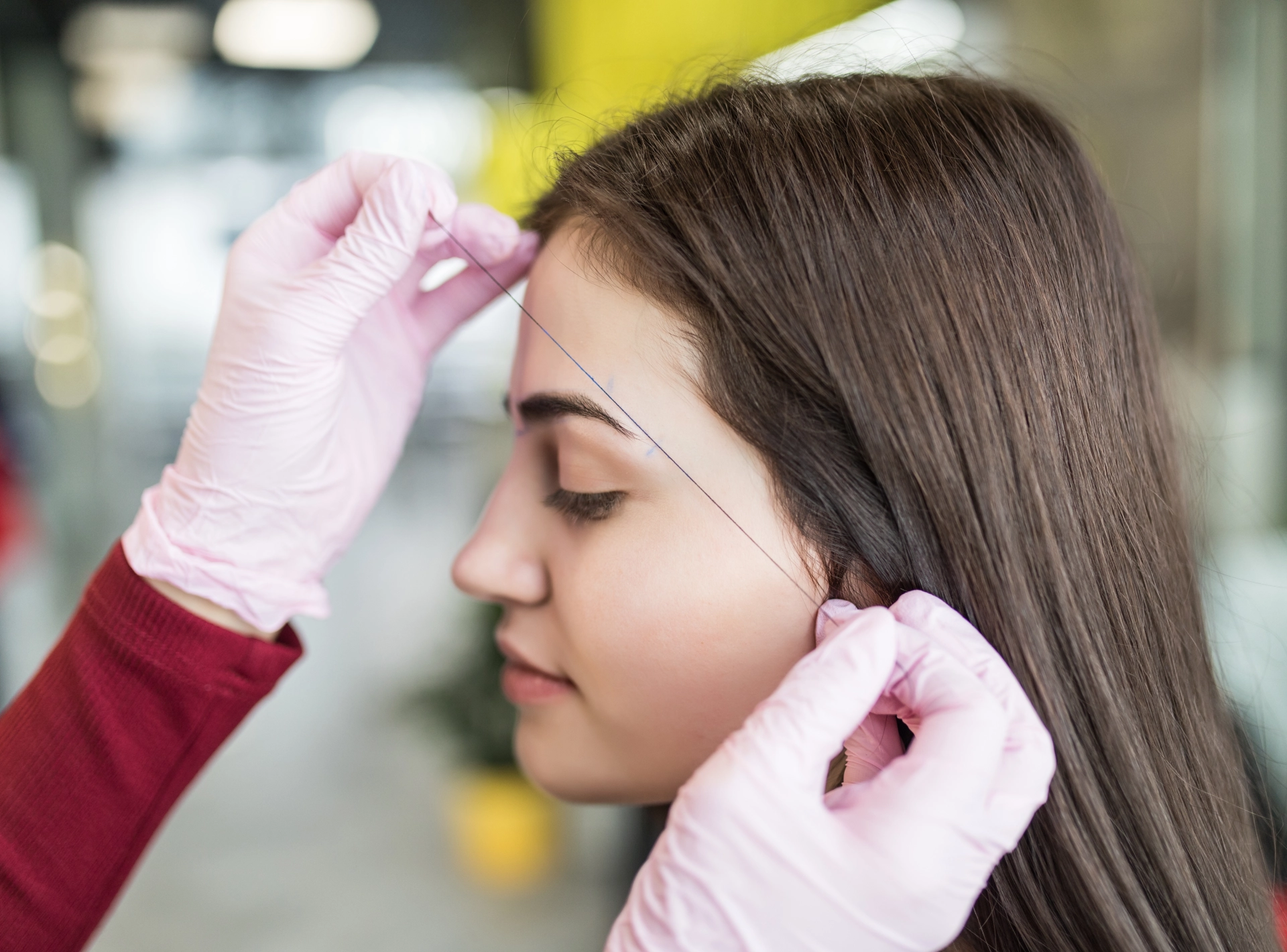
Follow your surgeon’s instructions carefully, including proper wound care and medication use. Keep the surgical area clean, avoid touching or scratching, and sleep with your head elevated to reduce swelling. Avoid strenuous activities, sun exposure, and smoking during early recovery. Stay hydrated, eat a balanced diet, and attend all follow-up visits to ensure smooth healing and optimal results.
Hairline Lowering Surgery In Dubai
Hairline Lowering surgery in Dubai is a cosmetic procedure designed to reduce the height of the forehead and create a more balanced facial appearance. It is commonly chosen by individuals who want a naturally proportioned hairline without relying solely on hair transplant methods. In many recovery-focused discussions, patients are interested in how to care for the scalp after surgery to ensure proper healing. After the procedure, mild swelling, tightness, and slight discomfort in the forehead area are common and usually improve within a few days. Patients are advised to keep the surgical area clean and avoid touching or scratching the scalp during the initial healing phase. Sleeping with the head elevated helps reduce swelling, while avoiding strenuous activity supports proper recovery. Gentle hair care is recommended, and harsh products should be avoided for a short period. Most patients can resume light daily activities within one to two weeks, while full healing continues over several weeks. In Dubai, advanced techniques help minimize scarring and support a smoother recovery process.
Article At A Glance
- Following the particular post-operative instructions of your surgeon is important for a healthy recovery.
- Things like keeping your head up and applying cold compresses will help you feel more comfortable and reduce swelling.
- Gentle scalp care, no over-exertion and watchfulness for signs of infection are all crucial in promoting the best healing.
- Follow up appointments are highly important to monitor the course of recovery and to ensure long term effects.
Hairline lowering surgery (also known as hairline remodeling surgery or surgical hairline advancement) is a great way to achieve balanced facial proportions and a more confident image. The technique itself gives fantastic cosmetic results, but the time you spend recovering is just as important as the surgery.
Proper post-operative care is crucial for your healing and the final results of the treatment. So it’s important to focus on your everyday habits and follow the practices your surgeon recommends.
If you are preparing for, or recuperating from, hairline reduction surgery this thorough article will give you with crucial advice to allow you to heal quickly and pleasantly.
Follow Your Surgeon’s Instructions
The most vital tip for anyone who is healing from a hairline advancement operation is to follow the directions of the surgeon to the T. Post-operative care plans are highly customized to your individual anatomy and recovery needs.
Your surgeon will give you thorough instructions on how to protect the surgery site, clean the area, and reduce swelling. Some surgeons, for example, may recommend that the incision not be submerged in water for a few days, while others may allow mild cleaning with certain products.
Even seemingly insignificant things such as your sleeping posture might greatly affect your recuperation. It is very important that you follow these directions closely. Any deviation may slow the healing process and perhaps raise the chance of problems such as infection or scar formation.
Keep Your Head Elevated
A simple yet effective approach of minimizing swelling and discomfort following hairline reshaping surgery is to keep your head up. Swelling is a part of the healing process, but you can help control it with some minor alterations, including sleeping with your head on more pillows.
Keeping your head elevated above your heart increases circulation and prevents fluid from accumulating at the surgery site. It also relieves tension on the incisions, making it an important aspect of ensuring optimal healing during the first week after surgery.
BOOK AN APPOINTMENT TODAY
Apply Cold Compress
Swelling and bruises are normal after hairline reduction surgery. Cold compresses can help alleviate. In the first 2 days after surgery, use a cold pack on your forehead or the surrounding area to help relieve discomfort and reduce inflammation.
Do not put the compress directly on the incision sites as it can irritate the sensitive skin while it heals. Instead, wrap the cold pack in a soft cloth and place it gently on your forehead or the top of your scalp. Don’t let your sessions go above 20-25 minutes so your skin has a break in between applications.
Avoid Strenuous Activities
Temporary changes to your normal routine are important for a smooth recovery. Avoid severe activity such as heavy lifting, intensive exercise and frequent bending. Your blood pressure can go up and the chance of edema or reopening of wounds can increase, which can prolong your body’s normal healing process.
Your surgeon will tell you when it’s OK to start light exercise, like walking about. Also follow your surgeon’s instructions for gradually returning to more intense exercise or other strenuous activities.
Take Prescribed Medications
Pain management and prevention of infection are critical after surgery. Your surgeon will probably recommend a combination of pain relievers, anti-inflammatory drugs, and antibiotics following your surgical hairline advancement.
You should take these medicines exactly as directed. For example, skipping antibiotic doses may increase your risk of infection, while taking too many painkillers may slow recovery. If you have any unexpected side-effects, or questions regarding over-the-counter options be sure to contact your healthcare physician right away.
Be Gentle With Your Scalp
After hair transplant surgery, your scalp will be quite sensitive and should be treated gently. When combing, shampooing or drying your hair with a towel, be gentle and do not pull the hair around the incision.
And choosing the appropriate scalp care products is just as crucial. Avoid shampoos, conditioners or styling products that are abrasive and may irritate healing skin. Instead, choose the gentle formulas your surgeon advises to produce a clean and comfortable healing environment.
Limit Hair Washing
It is totally normal to feel the want to wash your hair as soon as you have surgery, but washing too often can slow down the healing process. Most surgeons recommend waiting 2-3 days or until the incisions are no longer tender or at risk of reopening before shampooing.
When you do start washing your hair again, don’t forget to consider the temperature and pressure of the water, and your technique. Use lukewarm water and instead of rubbing it in, pat the shampoo into your hair with your fingertips. Keep the surgical region from becoming too moist until your surgeon says it is alright to do so.
Avoid Sun Exposure
UV light can be damaging during the healing phase. Too much sun exposure can irritate or discolor the healing incision site, and exposure without protection might significantly increase the chances of obvious scarring.
If you’re going to be outside, be sure to keep your scalp covered with a soft hat or scarf. Once the incisions are fully healed, an extra layer of protection might be to protect the skin with a sunscreen SPF of 31 or higher. Always listen to your surgeon’s recommendation on when to start using sunscreen based on how you’re recuperating.
Watch For Signs Of Infection
Complications from hairline reshaping surgery are uncommon, so be on the lookout for signs of infection. Signs of infection include constant redness or feeling of heat around the incision, discharge with an abnormal smell and fever. If you detect any of these symptoms, call your surgeon immediately to alleviate any possible concerns.
It is imperative to respond quickly. Infections that are not treated can damage your overall results and interfere with healing. By keeping a regular eye on your wound, in a clean environment, you can see problems and take corrective action sooner.
Trust Your Recovery To Dr. Perfect Celebrity
You will need to be patient in your recovery from a hairline reduction surgery but with proper post-op care, you can expect results that are in accordance with your expectations. By taking expert advise, such as keeping your head up and attending all follow-up appointments, you are setting yourself up for a smooth and successful recovery.
At Perfect Doctors Clinic, your recovery after surgery is as important to us as the surgery itself. We are committed to making you feel confident and supported every step of the way in your recovery with individualized strategies and experienced coaching.
Ready to start your hairline transformation? Call Dr. Perfect Celebrity at our number to arrange a consultation and develop a surgical and recuperation plan personalized to you. We will together ensure your recuperation is as smooth as the outcomes will be amazing. Get in touch today!
Average Recovery Time Hairline Lowering Surgery
Recovery after hairline lowering surgery usually takes about two to three weeks for initial healing. Most swelling and discomfort reduce within the first seven to ten days. Full recovery, including final results, may take a few months. Proper aftercare helps speed up healing and improves outcomes.
MEET THE EXPERT DOCTOR
Your First 24 Hours Of Hairline Lowering Surgery Recovery
During the first day, mild swelling, tightness, and discomfort are common. Patients are advised to rest and keep their head elevated. Small dressings may be applied to protect the incision area. Following your surgeon’s instructions is important for smooth recovery.
Stages Of Healing After Hairline Lowering Surgery
Healing occurs in stages, starting with initial swelling and redness in the first week. Stitches are usually removed within seven to ten days. Gradually, the incision heals and hair begins to grow naturally around the area. Full results become visible over the following months.
Downtime For Desk Jobs After Hairline Lowering Surgery
Most patients can return to desk jobs within five to seven days, depending on comfort. Light activities are allowed, but strenuous work should be avoided. Any visible swelling or redness usually improves within a week. Always follow medical advice before resuming work.
Hairline Lowering Surgery Recovery Tips For Better And Faster Results
Keep the treated area clean and follow all post-surgery instructions carefully. Avoid touching or putting pressure on the incision site. Stay hydrated and maintain a healthy diet to support healing. Regular follow-ups help monitor progress and prevent complications.
Hairline Lowering Surgery Recovery Dos and Don’ts
Do rest properly, take prescribed medications, and attend follow-up visits. Do keep your head elevated to reduce swelling. Don’t engage in heavy exercise or smoking during recovery. Avoid direct sun exposure and any activity that may strain the surgical area.
Best Plastic Surgeon In Dubai For Hairline Lowering Surgery
Best Plastic Surgeon in Dubai for Hairline Lowering Surgery is essential for achieving natural results and a safe recovery experience. Dr. Perfect Celebrity is known for his expertise in performing hairline lowering procedures with precision and attention to detail. Post-surgery care plays a crucial role in ensuring proper healing and minimizing complications after the procedure. Patients receive clear instructions on scalp care, including how to manage swelling, maintain hygiene, and avoid pressure on the treated area. Follow-up visits are important to monitor healing and ensure the hairline is settling naturally. Mild redness or tightness gradually improves with time and proper care. With personalized recovery guidance and expert surgical techniques, patients can expect a smoother healing process, minimal scarring, and long-lasting results that enhance overall facial balance and confidence.
Attend Follow-Up Appointments
When you exit the operation room, your aftercare does not end. Follow-up appointments are crucial for your surgeon to check on your progress and answer any questions or concerns you might have. These meetings are important so we can follow your long term results and tailor your care to your needs.
During subsequent meetings, your surgeon may give you updates on scar care and suggest further treatments like as laser therapy or ointments to get even better final outcomes. Missing these appointments means you may miss critical information and preventive steps.