





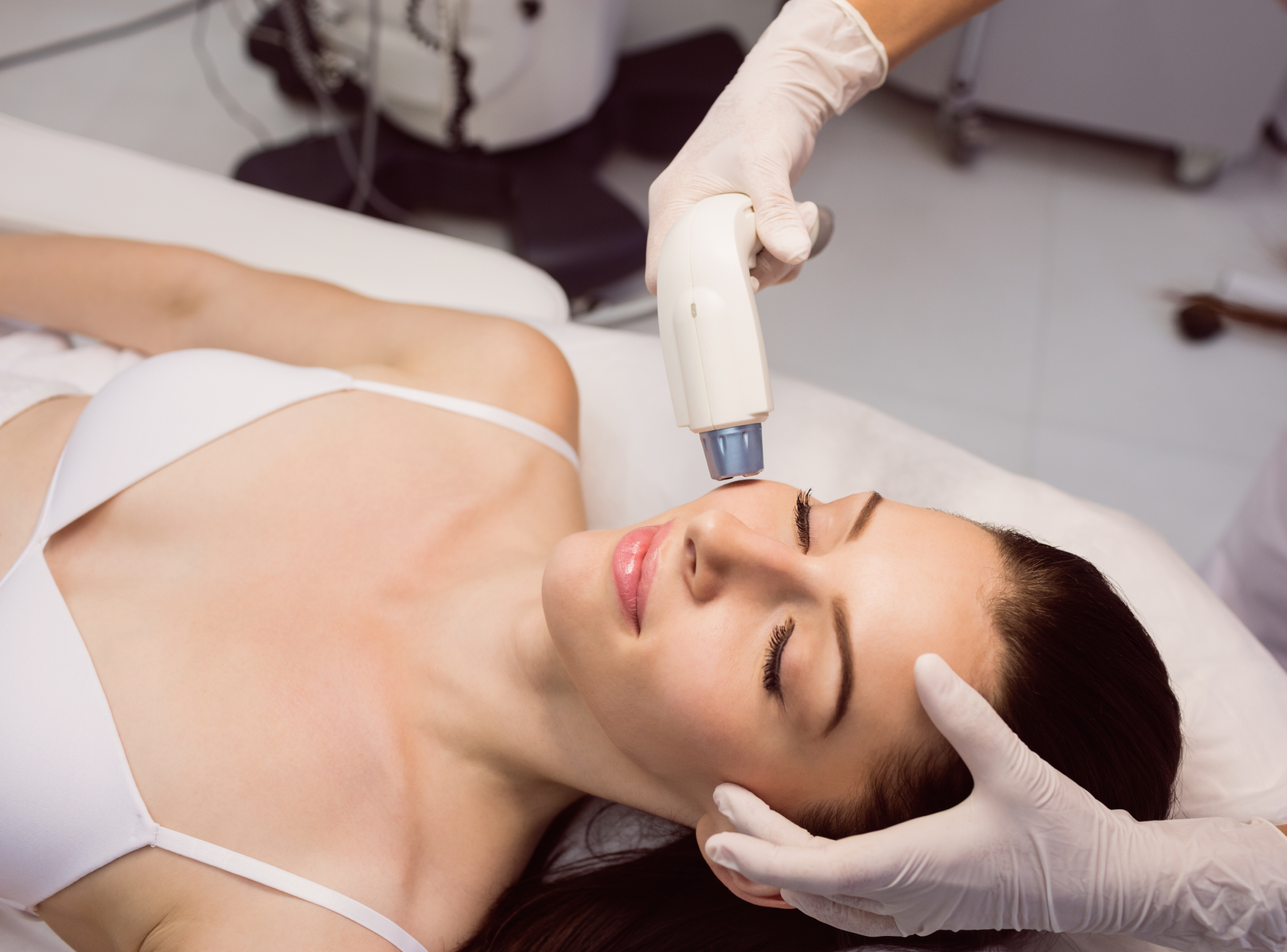
Intense Pulsed Light (IPL) has become popular for many skin treatments, such as getting rid of hair, reducing acne, and making skin look younger. IPL doesn’t work the same way on all skin types, though. Is IPL safe for all types of skin? That’s the big question. This article goes into great detail about how IPL works, how well it works on different skin tones, and the steps you should take to lower your risks.
IPL treatment In Dubai
IPL Treatment in Dubai is generally safe for most skin types when performed by qualified professionals, but it is not for everyone. It is most effective on lighter to medium skin tones and should be used with caution on darker skin types due to the increased risk of pigmentation changes. Some people may experience mild redness, sensitivity, or a temporary darkening of spots following treatment. Before beginning, it is critical to receive a thorough consultation to determine your skin type and suitability. When performed correctly with the proper settings and aftercare, IPL photofacials are a safe and effective way to improve skin tone, texture, and overall appearance with minimal risks and downtime.
TLDR – Quick Guide
- IPL (Intense Pulsed Light) uses a wide range of light to fix skin problems, remove hair, and make skin look younger.
- The safety of the product depends on the type of skin, but fair to medium skin tones usually get better results.
- People with darker skin tones are more likely to have side effects, but newer devices are safer.
- Getting professional advice before treatment is very important for getting the best results and for safety.
- Always pick devices or providers that are right for your skin type.
Understanding IPL: How Does It Work?
Before talking about how safe IPL is for different skin types, it’s important to know how it works. IPL devices give off light that covers a wide range of wavelengths. This light goes through the skin and targets hair follicles or pigmentation. The light turns into heat, which helps to kill the pigment or hair follicle without hurting the skin around it.
The main purpose of IPL is to get darker pigments, like melanin in hair or in areas of the skin that are too dark, to absorb light. This is why IPL works so well for:
- Removing hair
- Getting rid of sunspots, freckles, and other skin discolorations
- How to get rid of acne scars
- Rejuvenating skin by making more collagen
But the interaction between IPL light and melanin can also be dangerous, especially for people with darker skin tones, because it can accidentally target the skin around it and cause problems.
IPL And Different Skin Types: What You Should Know
1. Fair To Medium Skin Tones (Fitzpatrick Skin Types I-III)
IPL treatments work best for people with lighter skin tones. The IPL device can more easily target only the problem areas without affecting the surrounding skin because the skin is lighter and the hair or pigmentation is darker. This leads to fewer side effects and better overall results.
Some benefits that people with fair to medium skin tones often get are:
- Effective hair removal: IPL is very good at removing hair, especially dark hair on light skin.
- Reduced pigmentation issues: After a series of treatments, sunspots, age spots, and freckles can get a lot lighter.
- Skin rejuvenation: IPL’s ability to boost collagen production works well on these skin types, making the skin feel and look better.
But it’s still important to have a trained professional do the work to avoid burns or hyperpigmentation, since no treatment is completely safe.
2. Olive To Medium Dark Skin Tones (Fitzpatrick Skin Types IV-V)
People with medium-dark or olive skin tones should be more careful when thinking about IPL treatments. These skin types have more melanin, which can make side effects like burns, dark spots (hyperpigmentation), and light spots (hypopigmentation) more likely.
Many IPL devices aren’t great for these skin types, but newer technology and better settings have made them a little safer. More and more devices with adjustable wavelengths that work on a wider range of skin tones are available these days.
Precautions for olive to medium-dark skin tones:
- Always use an IPL device made for darker skin types, or find a provider who knows how to treat your skin tone.
- It is highly recommended that you do a patch test before treatment to see how your skin will react to the light.
- To lower the risk of burns or discoloration, use less energy.
3. Dark Skin Tones (Fitzpatrick Skin Types VI)
People with darker skin tones were not usually told to get IPL because it had a high risk of side effects. The IPL light can mistakenly target the skin’s natural pigment because dark skin has more melanin. This can cause burns, blisters, or permanent discoloration.
But with improvements in IPL technology, newer devices are better able to safely treat darker skin tones. These devices often use a longer wavelength, which goes deeper into the skin and doesn’t target melanin on the surface.
Safety tips for dark skin tones:
- Find a professional who knows how to use IPL on darker skin.
- Make sure the device is FDA-approved for use on darker skin tones.
- Do a patch test to lower the chance of bad reactions.
- Look into other treatments, like Nd Lasers, which are safer for dark skin than other lasers.
Risks And Side Effects Of IPL For Different Skin Types
IPL can give great results, but it also comes with some risks, especially for people with darker skin. Some common side effects are:
- Burns or blisters: This happens when the light hits the skin instead of the hair or pigmentation.
- Hyperpigmentation: Hyperpigmentation is when the skin gets darker after treatment. This happens more often in people with medium to dark skin tones.
- Hypopigmentation: Light spots that happen when melanin is destroyed.
- Scarring: Scarring is uncommon, but it can happen, especially if the skin doesn’t respond well to the treatment.
People with medium to dark skin tones may have worse side effects because their higher melanin levels make it more likely that the light will interact with their skin. That’s why it’s so important to find a qualified professional.
Best Practices For IPL Treatment Based On Skin Type
No matter what your skin tone is, there are some best practices that can help you get the most out of IPL and lower the risks:
- Consult with a Professional: Always talk to a professional before starting IPL treatments. This helps make sure you pick the right device and settings for your skin type.
- Patch Test: You should always do a small patch test, especially if you have darker skin, to see how your skin reacts to IPL.
- Aftercare is Key: Avoiding the sun and using gentle skin care products are two examples of proper aftercare that can keep burns and changes in skin color from happening.
- Choose the Right Device: Not every IPL device is the same. Make sure the device you use is FDA-approved for your skin type, especially if you have darker skin.
Alternatives To IPL For Darker Skin Tones
If IPL doesn’t seem like the best choice for your skin type, people with darker skin are often told to try other treatments, like Nd laser hair removal. These lasers only affect hair follicles and not the skin around them, which is rich in melanin. This makes them a much safer choice.
Key Takeaways
- IPL is usually safe for skin types I-III, which are fair to medium. However, it is riskier for skin types IV-VI, which are olive to dark.
- Newer IPL devices are safer for people with medium to dark skin tones, but it’s still important to do a patch test and talk to a professional.
- Burns, hyperpigmentation, and hypopigmentation are common side effects that happen more often in people with darker skin tones.
- People with dark skin who want to get rid of hair or treat their skin may want to look into other options, like laser treatments, which may be safer.
Advantages Of IPL Treatment You Should Know
IPL treatment benefits include reduced pigmentation, sun damage, and redness while improving overall skin texture and glow. IPL Treatment is the best solution because it addresses multiple skin concerns in a single non-invasive session, with little downtime and long-term results. IPL restores confidence and appearance by making skin clearer, smoother, and more radiant, allowing people to feel more attractive, refreshed, and self-confident in their daily lives.
BOOK AN APPOINTMENT TODAY
Why IPL Treatment Is The Best Solution
IPL treatment is the best solution because it addresses multiple skin issues, including pigmentation, redness, and sun damage, in a single non-invasive session. It provides long-term results with minimal downtime, making it ideal for people who lead busy lives. IPL also stimulates collagen, which helps to improve skin texture, glow, and overall youthful appearance in an effective and safe manner.
How IPL Treatment Restores Confidence And Appearance
IPL treatment boosts confidence and improves appearance by reducing skin issues like pigmentation, redness, and sun damage, resulting in a clearer, more even complexion. Individuals feel more attractive and confident as their skin smoothes, brightens, and becomes healthier. This visible improvement significantly boosts confidence in social situations, daily interactions, and overall self-image.
FAQs
1. Is IPL Safe For Darker Skin Tones?
IPL can be dangerous for people with darker skin because the higher levels of melanin can absorb too much light, which can cause burns or changes in pigmentation. But newer IPL devices made for darker skin tones can make the treatment safer. Always talk to a professional and do a patch test to lower the risks.
2. How Does IPL Differ From Laser Hair Removal?
IPL uses light from a wide range of wavelengths, while laser hair removal uses light from just one wavelength. Laser treatments, especially those with Nd lasers, are usually safer and work better on darker skin tones. IPL works better on lighter skin types.
3. Can IPL Cause Permanent Skin Damage?
IPL can cause permanent skin damage, like scarring or changes in pigmentation, but this is very rare. This is especially true if it is used incorrectly on darker skin tones. This is why it’s important to pick a provider with a lot of experience and use the right settings for your skin type to avoid problems.
4. Can IPL Be Used On All Skin Types?
IPL works better on lighter skin with darker hair because it targets the pigment in the hair follicle. But because of improvements in technology, some IPL devices can be used on more skin types. However, people with darker skin should talk to a professional first to avoid problems like hyperpigmentation.
5. What Happens If I Use IPL Without Shaving?
IPL may not work as well if you don’t shave first because the light energy may be absorbed by the hair above the skin. This could also cause burns or skin irritation. Shaving makes sure that the IPL targets the hair follicle below the skin’s surface for the best results.
MEET THE EXPERT DOCTOR
Best Aesthetic Clinic In Dubai For IPL Treatment
Best Aesthetic Clinic in Dubai for IPL treatment is available at the Perfect Doctors Clinic, where Dr. Perfect Celebrity is well-known for offering safe and advanced skin care solutions. In terms of whether IPL is safe for all skin types, the answer is yes when properly assessed by a qualified professional. However, it is most effective on lighter to medium skin tones, as darker skin types may be more prone to pigmentation changes. A thorough skin consultation is required before treatment to ensure suitability. When used correctly and with proper aftercare, IPL is a safe and effective way to improve skin tone, texture, and overall appearance with minimal side effects and downtime.