





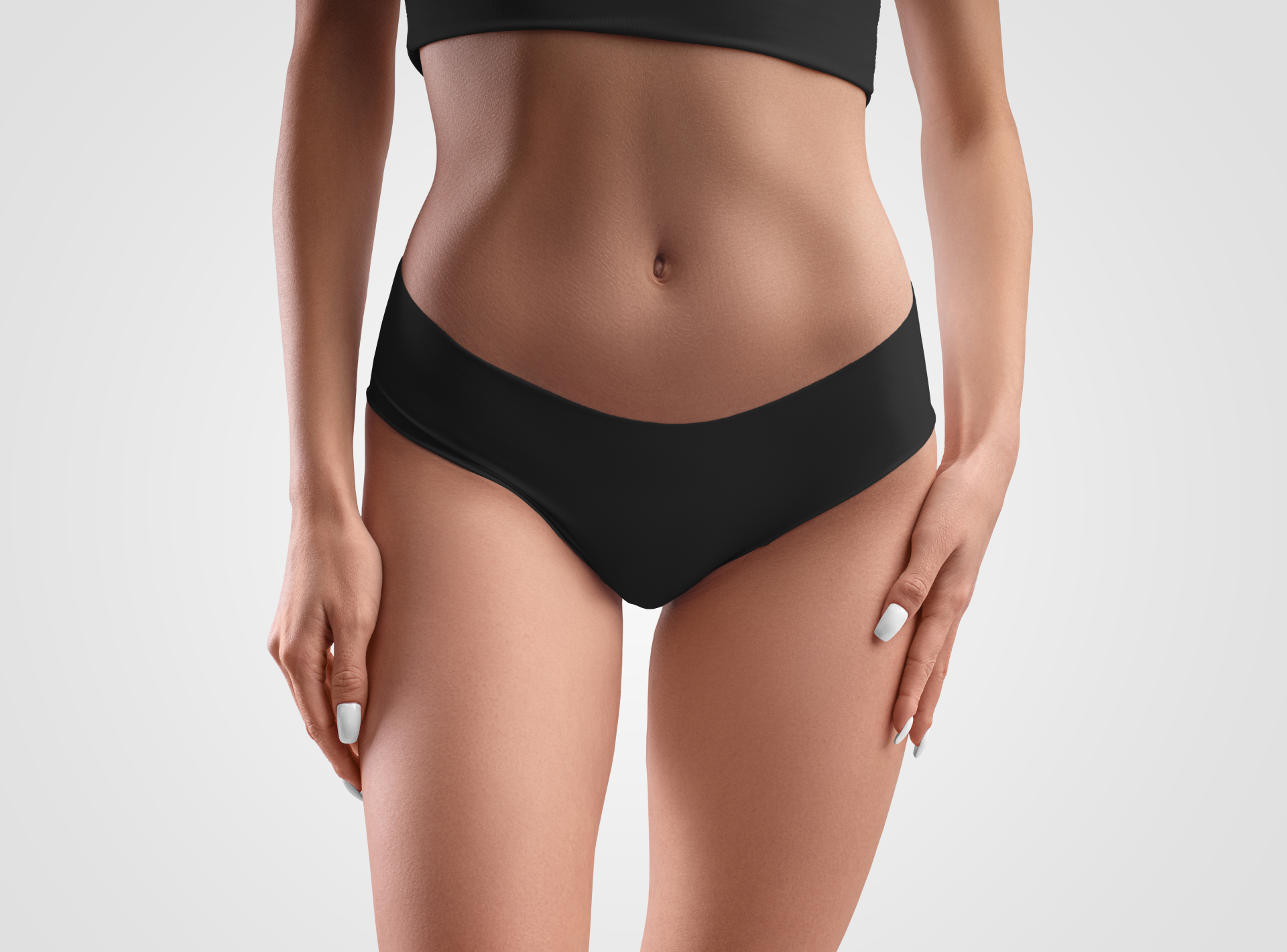
This guide takes you from surgery right through to recovery. Your recovery after belt lipectomy surgery is a milestone in your journey of weight loss to tight skin after massive weight loss. It’s nice to know what to expect in advance so you can get ready for what’s to come.
Let’s delve into what you should expect from the recovery process and how to take care of yourself as you heal. This blog has it from getting out of the clinic to getting back to your normal life, aftercare, showering, when you can drive again, and everything in between.
Belt Lipectomy In Dubai
Belt Lipectomy in Dubai requires a structured recovery process to achieve optimal results. Patients may experience swelling, tightness, and mild discomfort at first, but these symptoms improve over time. Wearing compression garments, practicing proper hygiene, and following medical advice are all critical. Light movement is encouraged, but strenuous activities should be avoided. With proper aftercare, recovery becomes smoother, allowing for a firmer, more contoured body shape.
What Is Belt Lipectomy Surgery?
When someone loses a lot of weight, their skin often loses its elasticity. A belt lipectomy removes excess skin 180 degrees around the waist. The loose skin is removed through a long incision all the way around the waistline. This allows me to cinch in your midsection tighter in the front, back and sides. Also, as I pull the skin up to close the incision at the waist, the skin on the buttocks, mons pubis and thighs is naturally lifted and tightened, producing a smooth look in these areas. When it’s all said and done, you’ll have a leaner, firmer lower torso once all that excess skin and fat are removed.
Who Is A Candidate For Belt Lipectomy Surgery?
This surgery is a good option for patients who have lost a lot of weight and have extra folds of skin on the abdomen, hips, lower back and surrounding laxity.
That said, candidates for this procedure are patients who have reached their weight loss goals, as it should not be considered a substitute for weight loss surgery or a healthy lifestyle. It does remove some fat, especially when liposuction is added, but you will have to be pretty close to your ideal weight to be a desirable candidate. You also need to keep your weight for at least seven months before the surgery.
Desirable Candidates For Belt Lipectomy:
If you are: You might be an ideal candidate.
- Have loose skin around your waist, hips, lower back
- Not pregnant or nursing.
- Are ready to quit or do not use tobacco products.
- Are committed to eating a balanced diet in the years to come.
- Set realistic expectations of what the surgery can and can’t do.
- Ready to follow the surgeon’s instructions to the letter.
- Lost 40+ kilos and have been at a stable weight for 7 months or more.
- Don’t have serious underlying medical conditions that would make surgery too risky.
Undesirable Candidates For Belt Lipectomy:
If you do not: You will not be an ideal candidate.
- Are generally in bad health.
- Still have lots of weight to lose.
- Finding it hard to watch your weight.
- You smoke and don’t want to quit.
- Have Body Dysmorphia and body image issues.
- Not wanting to take the risk of surgery.
- Are pregnant, nursing, or plan to become pregnant soon.
- Cannot take time off work, heavy exercise, drive, lift heavy objects or care for children to recover from surgery.
- Have an active infection or compromised skin in the areas where excess skin must be removed.
Benefits Of Belt Lipectomy
This operation can alter a person’s life on a daily basis. Once the cosmetic and functional issues of excess skin after weight loss are dealt with, many patients are able to enjoy life.
Cosmetic Benefits
A belt lipectomy is a procedure that reshapes your body.
This procedure sculpts the lower torso, including the front, back and sides of the waistline . This is not a stand-alone procedure like a tummy tuck (abdominoplasty) but it does remove excess skin from multiple areas in one fell swoop. This surgery also tightens and smooths the skin on the buttocks, thighs and mons pubis to a degree.
Removing excess skin folds can help slim down the look of your midsection in clothing.
The end goal of this procedure is to reshape 180 degrees around the waist line for a slimmer, more toned shape.
Functional Benefits
A belt lipectomy can help relieve irritation from folds of skin and hygiene issues related to excess skin.
Removing excess tissue from the lower body, including the abdomen, hips and back can help to reduce chafing caused by loose skin folds. If extra skin is preventing you from doing normal activities, it may mean greater mobility and functionality. If you suffer from chronic skin infections or rashes in the areas where you have excess skin, this procedure will probably take care of that for you. A lower body lift (belt lipectomy) can also solve hygiene and body odour problems by removing warm, moist skin folds in which bacteria thrive.
Psychological Benefits
A belt lipectomy doesn’t fix mental health issues, but there are other benefits.
Body contouring is not a cure for mental health issues like depression, or for those with body image issues.
Removing excess skin is not intended to alter your self-image, but research indicates it could improve your self-concept. One study found that patients who attained a toned body through body contouring surgery after major weight loss scored higher on tests of emotional well-being after the procedure.
Risks And Complications
All of it, I always tell my patients, is not without its risks, no matter how small, for all of its possible rewards and benefits. A belt lipectomy is a major operation that treats multiple body areas simultaneously. The complication rates for this procedure are a little higher than for other surgeries like abdominoplasty, breast augmentation (augmentation mammoplasty), or liposuction (suction-assisted lipectomy).
Here’s a list of some of the prevalent risks to consider before deciding to have surgery:
- Infections
- Seroma: fluid collection under the skin
- Haematoma (hematomas): a swelling caused by blood collecting outside a blood vessel
- Risks of anaesthesia
- Asymmetry
- Heavy bleeding
- Deep vein thrombosis cardiac complications and pulmonary complications
- Fat necrosis Death of fat tissue
- Changes in the way the skin feels (numbness or other)
- Pain is constant
- Inadequate wound healing
- Possibility of revision surgery
- Skin laxity recurrence
- Changes in skin color and/or swelling that last a long time
- Loss of skin
- Poor Scarring
The list is not comprehensive. At your consultation I will discuss a list of all known complications.
Belt Lipectomy (Lower Body Lift) Recovery
Now you have a good idea about what is a belt lipectomy and the possible benefits and risks. But then what happens after you have surgery? That’s where your recovery journey begins. You must follow my aftercare instructions carefully. If not, you’re more prone to experience complications.
Recovery Timeline
You won’t get over belt lipectomy surgery overnight. This is something I always tell my patients up front. But you’ll be better off knowing what to expect and how to take care of yourself as you recover in the weeks and months to come.
Here’s a look at what to expect post-surgery. Remember that every patient is different and every situation is different.
Day One
Day one is all about being sore, swollen, achy and groggy. You may feel tired until the anesthetic wears off. This may take up to one day. I’ll come and see you in the clinic and tell you how the surgery went, and you’ll stay in the clinic overnight. Compression garments will aid in the reduction of swelling.
Week One
You’ll be in the clinic most of this week before you finally get discharged. The good news is that you won’t be in bed while you are in the clinic. Rest is good, but every few hours you should get up and walk to prevent blood clots. Otherwise, you could develop a serious complication.
Aches and pains may make it hard to stand up straight for the first 12 days or so. Walking bent over at the waist is the way to go. If you need help, the clinic staff will be there. By the end of the week, you’ll be resting at home. Someone will need to drive you home and help you in and out of the car. Get family or friends to help take care of you ahead of time. You won’t be able to get around as much as you normally do at first. “They can help you get comfortable, prepare meals, and do chores so you don’t have to overexert yourself,” Dr. Perfect Celebrity will see some bruising around the area of the surgery, and you will be very swollen at this point.
For the first week or three you will have a special dressing called the PICO negative-pressure wound system. It’s a soft bandage with a battery pack strapped to it. This is to protect your incision and help your wound to heal. Some surgeons don’t use the PICO dressing but in my experience over the last 16 years I’ve found it speeds wound healing. When I take off the dressing and put some special medical tape that can get wet on, you can have a well-deserved hot shower.
You will be required to wear a compression garment for a few weeks day and night to help reduce the swelling in the treated areas.
The PICO dressing and battery are not water resistant so you will be restricted to bird baths to clean yourself up for the first week or so. After the PICO dressing is removed and replaced with medical tape, you’ll be ready for a nice relaxing shower.
Week Two
The worst of the tenderness and aching should be behind you, but you won’t be able to return to work, exercise or start driving just yet. You will need someone to take you to your follow up appointments with me. At the end of week two the PICO dressing is removed and you can take a proper shower. Thank God! The worst is over and life should be getting back to normal.
Weeks Three-Six
This is when I give my patients the okay to go back to work and start driving. You should be getting a little more active each day, if you are healing as you should be. However, you don’t want to over-exert yourself. You can increase your aerobic activity, but no heavy weight lifting or vigorous exercise yet. Right now you’ll still have quite a bit of swelling but the bruising from the surgery should be gone.
Weeks Seven-Nine
Things develop and you start to get a ballpark idea of your results. Remember, you may still have some aches and tenderness, but you should be well out of any major pain. You can even start lifting weights and jogging unless I tell you not to.
Month Four
You should be much less swollen by now. Once the swelling goes down your results are going to come through. You should be able to enjoy no longer having hanging loose skin around your abdomen, sides and back of your waist, but what you see in the mirror is not your final result. That is a cause for celebration.
Any numbness you had before should gradually fade away as your nerves should be mostly healed by now. Don’t panic if you get the odd shooting nerve pain. That means the nerve endings in your skin are healing themselves.
If you have not had a complication, you should be able to return to strenuous activities without any restrictions.
Months Seven-Fourteen
And then finally almost all your swelling is gone. Your skin will still be tighter than before surgery, but it will not be as hard and tight now that most of the inflammation is gone.
Months Fourteen-Twenty
Finally, your end results are ready to be admired in the mirror. You’re a long way from your surgery. The surgical scar, which was quite dark in the first few months, should be lightening up.
BOOK AN APPOINTMENT TODAY
Recovery Guidelines
Here’s what you need to know about getting back to your normal routine.
Driving
After a belt lipectomy you will not be able to drive for approximately four weeks. You will need a driver to take you to and from your follow up appointments with me, so make arrangements ahead of time. Ease off the gas the first time you get behind the wheel. A few weeks away from the road and a little tenderness around the midsection can almost make it seem like it was your first time behind the wheel. After a day or two you should feel more comfortable to drive yourself around.
Returning To Work
Good news: Unless your career involves a lot of physical activity, like a nurse or construction worker, you should be back in the office in four weeks. Sorry, you’re back at work. It’s your choice whether you want to tell coworkers about your surgery.
Resuming Your Exercise Routine
Exercise is one of the keys to keeping your body in good shape after a belt lipectomy. But don’t rush to get to the gym after surgery. You will not be able to lift weights or any heavy objects for at least four weeks or so. You can start walking on day one.
When I tell you it’s safe, limit your exercise program to walking and light aerobics during the first part of your recovery. Seven weeks later (or so), you should be ready to get back into the full swing of things at the gym.
Incision Aftercare
Good incision care will reduce your chance of tissue infection and increase your chance of a nice looking scar. Change your compression garment daily so it doesn’t become a breeding ground for germs. Keep the wound clean as directed.
PICO Aftercare
You will wear a special dressing called the PICO negative wound pressure system in the first week or three. This is a soft bandage which is attached to a battery pack. It is meant to protect your incision and to help your wound heal. I will take the dressing off and put on some special medical tape so you can take a well deserved hot shower!
Compression Garments
Compression garments are a mainstay of the healing process after body contouring surgery. This is a soft stretchy wrap that goes around your abdomen to help the tissues that were cut during surgery stick together. These clothes can also reduce swelling in the areas being treated. You will need to wear the garment day and night for a few weeks but you can take it off for a few minutes if you need a break. You will need to change it every day to keep it fresh and clean. It can be washed with your other laundry, so many of my patients get two, so one is always available when the other is in the wash.
Showering
You can’t get the PICO dressing and battery wet so you’ll be stuck taking bird baths to freshen up for the first week or so. I’ll remove the PICO dressing, apply some medical tape, and then you’ll be ready for a nice, relaxing shower. Freshening up can do wonders for your spirits, especially if you haven’t had a full shower since before your operation. It’s the small things that seem like big milestones during belt lipectomy recovery.
Swelling
Initially, swelling can be extreme due to the invasiveness of the surgery. Swelling can take months to fully resolve. Any swelling that remains after four to seven months should be quite minor.
Pain Management
You’ll probably be given pain medication for the first week or so after your surgery. Then you can take OTC pain meds. I will tell you which meds to take and which to avoid in your aftercare plan.
Sleeping
For the body and the soul rest peacefully. I know you need your rest to heal but I don’t want you sleeping the whole day, even if it is a little hard to get around. Sleep in a “beach recliner position” with your head elevated on pillows, waist and knees bent to relieve tension on the incision while you sleep.
Belt Lipectomy Recovery Tips For Better And Faster Results
- Wear compression garments consistently to control swelling.
- Keep incision areas clean and dry as directed.
- Stay hydrated and consume protein-rich, balanced meals.
- Take short walks every day to improve circulation.
- Take prescription medications on time.
- Sleep with adequate support to prevent strain on sutures.
- Conduct follow-up visits for monitoring and guidance.
Belt Lipectomy Recovery Dos And Donts
- Follow surgeon’s instructions strictly.
- Take adequate rest and avoid unnecessary movements.
- Maintain hygiene and proper wound care
- Avoid lifting heavy objects and intense exercise.
- Avoid smoking or drinking alcohol during recovery.
- Avoid pressure on surgical areas.
- Avoid missing medications or follow-up appointments.
MEET THE EXPERT DOCTOR
Best Plastic Surgeon In Dubai For Belt Lipectomy
Best Plastic Surgeon in Dubai for belt lipectomy is available at the Perfect Doctors Clinic, where Dr. Perfect Celebrity offers expert care and personalized recovery plans. Belt lipectomy recovery necessitates adequate rest, the use of compression garments, and meticulous wound care. Mild swelling and discomfort are normal and will gradually improve. Following aftercare instructions leads to smoother healing, better contour results, and long-term body transformation outcomes.
Final Takeaway
Belt lipectomy is a major undertaking. The recovery process can be challenging at times and it can take a while but the results can be worth it and last a long time to come. This surgery has a slightly higher risk than other less involved body contouring procedures so it is important to follow your aftercare instructions closely. I, as your surgeon, will be checking in on you throughout your recovery to ensure you are healing as expected. More info Book a consultation with me.