





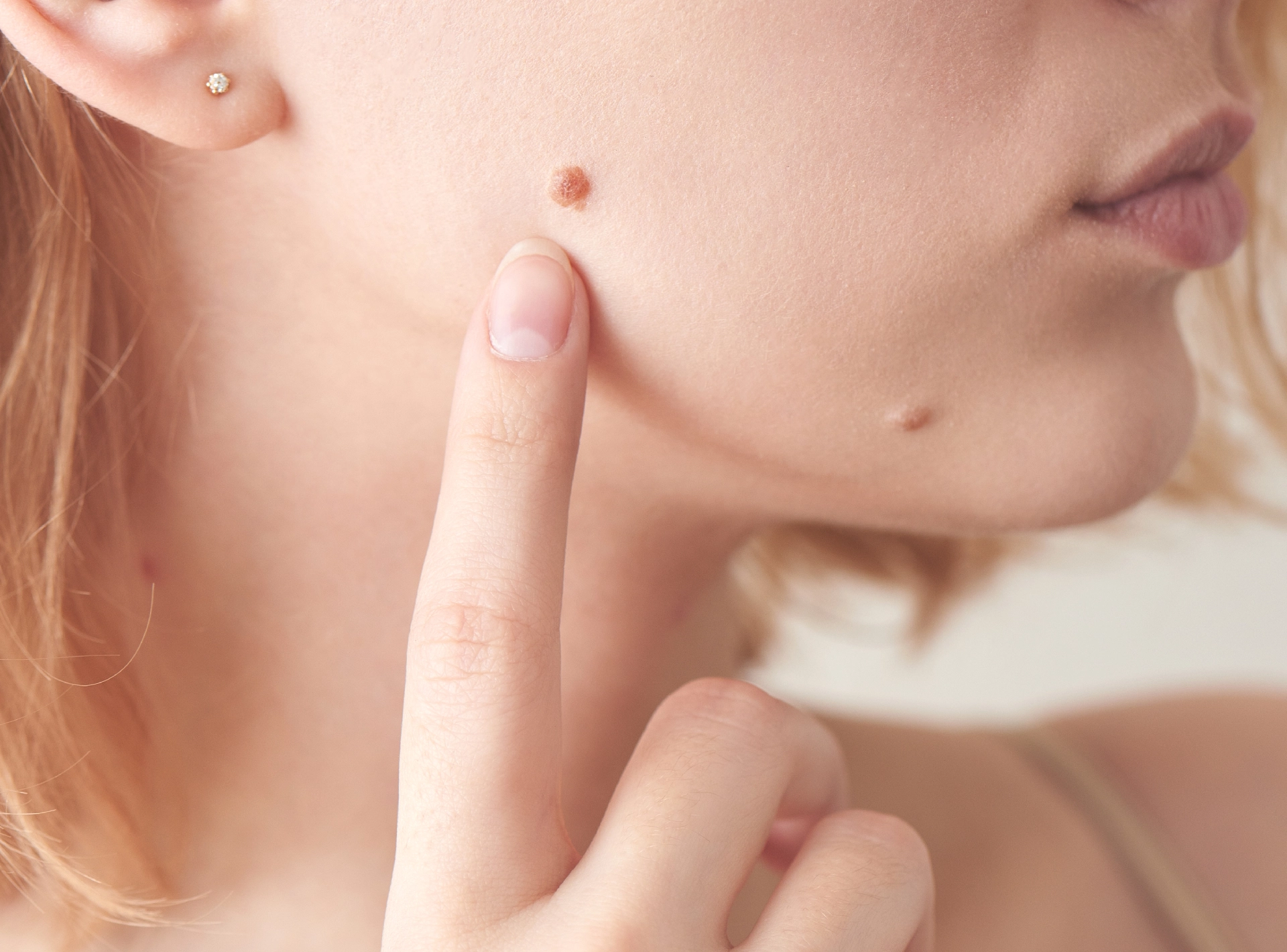
Skin tags are common; they are harmless skin growths that dangle from the skin’s surface on a stalk, which is a piece of tissue. They are made up of many different components, such as fat, collagen fibers, nerve cells, and small blood vessels. These blood vessels and collagen fibers may end up inside a layer of skin, which could result in the development of a skin tag. Skin tags are known medically as acrochordons, though they are also referred to as soft fibromas or fibroepithelial polyps. You must now learn how to remove skin tags in Jumeirah, Abu Dhabi, and Dubai.
Skin Tags Removal In Dubai
Skin tags removal in Dubai is a simple cosmetic procedure aimed at eliminating small, benign growths that commonly appear on areas like the neck, underarms, eyelids, or groin. Although skin tags are harmless, they can cause discomfort or affect appearance. Treatment options include cryotherapy (freezing), cauterization (burning), surgical excision, or laser removal, all of which are quick and minimally invasive. The procedure is usually safe, with little to no downtime, and helps restore smooth, healthy-looking skin while preventing recurrence in most cases.
Why Do They Occur?
Skin tags are composed of loose collagen fibers and skin-bordered capillaries. One type of beneficial protein that is found all over the body is collagen. Skin tags can be made by both sexes. They typically occur in older people, people who are overweight, and people with type two diabetes.
Due to changes in their levels of hormone agents, pregnant women may also be more susceptible to tags. Some people make them for no apparent reason. They frequently have a tendency to enlarge in areas of the skin where the skin rubs against itself, like the groin, armpits, or neck. This is why they have a tendency to influence obese people that have excess folds of skin and also skin chafing.
What Skin Tags Appear Like?
Tiny, soft, skin-colored growths on your skin are called skin tags. They can range in size and color from a few millimeters to five centimeters in width. They are typically found beneath the busts, around the groin, on the neck, or under the armpits. They may also enlarge beneath the folds of the buttocks or on the eyelids.
Although they may resemble verrucas, skin tags are typically:
- Both soft and smooth (blemishes tend to be rougher with greater surface area irregularities).
- Additionally, they are knobby and hang off the skin (moles are usually flat or slightly increased).
- Unexpected outbreaks or clusters of growths are more likely to be warts because verrucas spread out quickly.
- Usually, skin tags don’t cause any pain or discomfort.
Lots Of Techniques Are Offered For Skin Tag Elimination:
They do not have to be gotten rid of. They are not dangerous, and they won’t become so in the future. But some people choose to have them removed because they think they’re ugly. There are several different methods for getting rid of skin tags. One commonly used technique is cryotherapy, in which a doctor, typically a skin specialist, uses fluid nitrogen to freeze off the skin tag. Another option is electrocautery, which involves burning off the skin tag with an electric probe or needle. For larger skin tags, excision or clipping with a scalpel or scissors may be a much better option. Skin tag removal is typically not covered by insurance because it is regarded as a cosmetic procedure.
BOOK AN APPOINTMENT TODAY
Getting Rid Of Skin Tags:
Consult a doctor before attempting to remove a skin tag. Consider scheduling an appointment with a general practitioner who practices independently to have a skin tag removed if it’s causing you problems. The same technique that is used to remove warts can also be used to conveniently burn or scorch skin tags. Additionally, they can be surgically removed, sometimes with the use of a regional anesthetic.
Irritation and temporary skin discoloration can result from freezing or shedding skin tags. Additionally, the tag may not come off, and further care may be required. Surgical removal has the advantage of removing the skin tag completely, yet there is a threat of minor blood loss. Your general practitioner may advise that you attempt to remove your skin tag yourself if it is small and has a thin base.
What Are The Benefits Of Medical Skin Tag Removal Treatments?
Although skin tags are harmless, they can make people uncomfortable, particularly if they appear on their necks and faces. A larger skin tag on the eyelid may cause discomfort or eye pain. People can easily resolve their skin tag issues by having them removed effectively and safely at a dermatology clinic.
Even though this is a simple procedure that poses few risks, it should be performed by a doctor. A doctor can advise the patient on which skin tag removal method is best for him or her.
Skin tags should not be removed at home due to the risk of infection, which is impossible at a dermatology clinic. Doctors use sanitizing equipment and follow a strict protocol for safely removing skin tags. Furthermore, when done professionally, there is a minor risk of scarring. This ensures that the healing process proceeds properly and quickly.
When done at home, skin tags may only be removed from the surface. As a result, they can regrow or the doctor may have difficulty removing them completely later on. Skin tags, on the other hand, are completely removed at the clinic and will not grow back.
Skin tag removal treatment is quick and safe, with no downtime.
After a skin tag removal and healing period of up to two weeks, the patient’s skin on the face or neck is smooth again, and the patient feels more confident in his/her appearance.
What Causes Skin Tags To Appear?
Skin tags are typically caused by the growth of extra skin cells in the upper skin layers. They typically develop in overweight or obese people who have fleshy skin folds. These tags are also common among the elderly and those with type two diabetes. Some pregnant women develop skin tags, but they usually appear after giving birth.
Who Can Get A Skin Tags Removal Procedure?
Skin tags are common for both men and women. Although they are noncancerous and harmless, many people want them removed. You are an excellent candidate for a skin tag procedure if:
- Have an abnormal skin growth or skin lump anywhere on your body.
- Feel physically uncomfortable because of these abnormal skin growths.
- Want to enhance your appearance by removing these protruding skin growths.
What Does Skin Tag Removal Aftercare Include?
Skin tag removal does not require downtime, allowing the patient to continue with their daily activities. However, there are a few recommendations for how to care for the skin after skin tag removal. It all depends on the doctor’s technique for removing the skin tag.
If the patient had their skin tag removed, he or she may need to keep a bandage on the treated area for a few days. Alternatively, the patient can be advised to leave the wound uncovered. The doctor may also advise the patient to apply an antibiotic cream to the wound.
If the removed skin tag was larger, it may have required stitches. The doctor will give the patient instructions on how to care for the stitches and wound. The patient must keep the treated area clean and bandaged for a day or two following the procedure.
Following cryotherapy or cauterization skin tag removal, the patient may need to apply a bandage to the treated area as advised by the doctor.
The patient must keep the treated area dry and clean, washing it gently several times per day and drying it with soft patting. To reduce the risk of infection, keep the treated area clean.
Following the procedure, the patient should avoid using products that may interfere with wound healing, such as alcohol, peroxide, iodine, skin cleaners, or antibacterial soaps.
The skin tags that have been removed should not regrow. However, other skin tags may develop around the treated area.
MEET THE EXPERT DOCTOR
Skin Tag Removal FAQs
Will Skin Tags Grow Back?
Skin tags will not grow back after being removed. However, if you continue to develop skin tags in the treated area, you may be more susceptible to these growths.
Is Skin Tag Removal Safe?
Skin tag removal treatments are generally safe and have few to no side effects afterward. However, you should seek these treatments from a qualified GP rather than exercising a skin tag yourself.
Can Skin Tags Be Cancerous?
Skin tags are benign skin growths composed of collagen and blood vessels. They do not raise any other health concerns.
How Do I Prevent Skin Tags?
To prevent future skin tags, follow the steps below:
- Exercise regularly.
- Maintaining a healthy bodyweight
- Avoiding jewelry and wearables that rub against your skin.
What Virus Causes Skin Tags?
Skin tags can be caused by the presence of Human papillomavirus (HPV) in the body, according to experts.
Best Aesthetic Clinic In Dubai For Skin Tags Removal
Best Aesthetic Clinic in Dubai for Skin Tags Removal offers professional and safe solutions for removing skin tags and other benign skin growths. Perfect Doctors Clinic provides personalized treatments, including cryotherapy, cauterization, and laser removal, ensuring minimal discomfort and quick recovery. The clinic combines advanced technology with expert care to maintain skin health and appearance. With skilled specialists and a patient-focused approach, Perfect Doctors Clinic helps individuals achieve smooth, healthy skin in a comfortable and confidential environment.
A Free Consultation Can Be Scheduled
You’ll be happy to hear that we offer free consultations during discount seasons if available to both new and current customers. This will satisfy you if you’re looking for affordable ways to get rid of skin tags in Dubai, Abu Dhabi, and Jumeirah. Filling out the form below is all that is required. One of our representatives at Perfect Doctors Clinic will get in touch with you shortly. You are then free to discuss anything you want without feeling pressured to do anything else.