





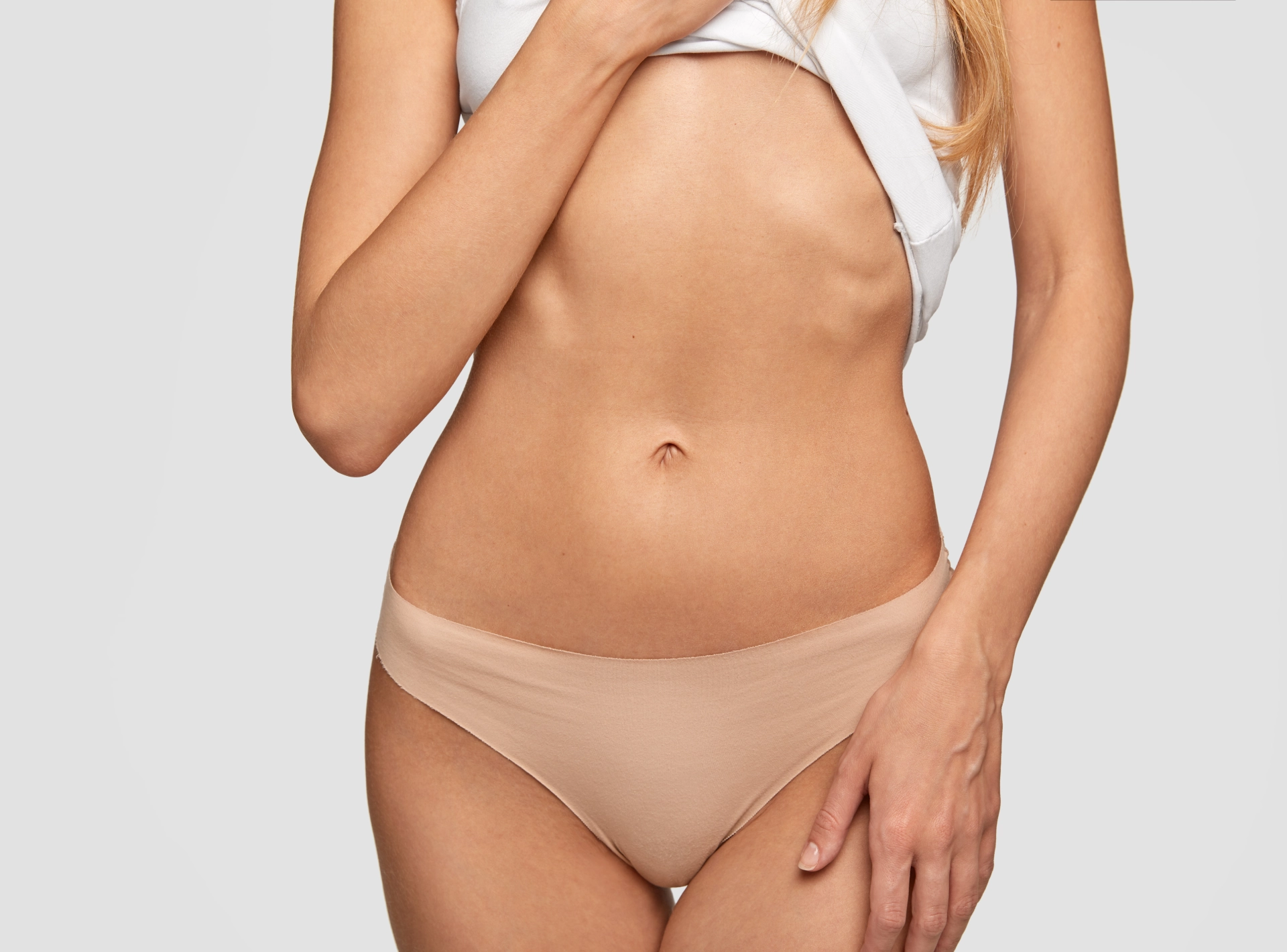
This is a bit long, but if you’re pressed for time, you can skip Abdominoplasty – The Recovery – The Way It is Usually Done, which describes how recovery from abdominoplasty usually works in most other practices. If you have time, I think it’s important to know your options before this surgery. There is a lot of information below, but it would be beneficial for you to read it for a few minutes, if not longer. It is crucial to contrast the recovery I outline below with the typical recovery process (Abdominoplasty – The Recovery – The Way It is Usually Done).
Abdominoplasty In Dubai
Abdominoplasty in Dubai is a life-changing procedure that tightens the underlying muscles while removing extra skin and fat from the abdomen. People who have experienced significant weight loss, pregnancy, or aging—all of which frequently result in loose and sagging skin—are especially fond of this procedure. Top-tier plastic surgeons with expertise in body contouring perform abdominoplasty in Dubai, providing patients with cutting-edge methods and cutting-edge facilities. In addition to aiding in the removal of stubborn fat, the procedure gives the abdomen a youthful, sculpted appearance. A few weeks of rest are usually required for recovery, and the first few days are crucial for controlling bruising and swelling. Compression clothing is advised for patients to promote healing and minimize swelling. More strenuous physical activity should be avoided for four to six weeks, but most people can resume light activities in two weeks. People who choose to have an abdominoplasty in Dubai are guaranteed to receive individualized care, the best possible surgical outcomes, and a seamless recovery process thanks to the city’s stellar reputation for healthcare.
Procedure Protocol
NOTE: The 4D VASER/PAL lipoabdominoplasty (abdominoplasty with VASER/PAL liposuction of the abdominal skin flap and flanks) and abdominoplasties without liposuction are both covered by this protocol. There are a few small variations that will be discussed.
Suture
I use several layers of dissolvable sutures. No sutures need to be taken out.
Dressings
The Perfect Doctors Clinic covers the wound with a thin mesh tape that is half an inch wide and impregnated with Dermabond tissue glue. It feels completely insignificant and is waterproof. It peels off the skin painlessly in two to three weeks. The scars look fantastic, and more significantly, I think that this kind of dressing is much easier to maintain because you can shower over it and gauze dressings and tape are not needed. Additionally, the waterproof barrier plays a significant role in lowering the risk of infection.
Showering
The day following surgery, you take a shower. (Sitting in still water may raise the risk of infection; avoid baths for three weeks.)
Binders
I don’t make use of them. About ten years ago, I got rid of them. They may result in swelling and circulation issues to the abdominal skin flap, but I don’t think they do anything beneficial. There isn’t a single situation that comes to mind where I regret not using one.
Compression Garments
To reduce and manage post-operative swelling, I do find that a compression garment with moderate compression is very beneficial. My patients typically wear them for six weeks, but it also depends on your health. Although it may appear that most patients would find this problematic, my patients actually enjoy the sense of support that the clothes offer.
Drains
I stopped using drains in September of 2015. What happens to the fluid? It doesn’t go anywhere because new abdominoplasty techniques have significantly decreased fluid production in the first place! The body absorbs the small amount of fluid it produces. Does fluid ever build up? It does, but much less frequently than when I had drains. Many patients would start to accumulate fluid after the drains were removed when I used them for an extended period of time, sometimes up to two or three weeks. I conclude that fluid buildup is less common without drains. How could such a phenomenon happen? In order to secure the underside of the abdominal skin flap to the For the muscles of the abdominal wall, I use a suturing method called “progressive tension sutures.” The waist crease incision is sealed once the skin flap has been sutured down. Only the waist crease incision is closed during a traditional abdominoplasty, which leaves a lot of room for fluid to build up and necessitates the use of drains.
Recovery
Usually, my patients don’t need to spend the night in the hospital, with the exception of a few times following circumferential “belt” abdominoplasties, as I previously mentioned. I would rather have my patients stay at a hotel a mile from my workplace. From my office surgical facility to the nearby hotel, one of my surgical nurses, who is well-versed in your surgical procedure, will accompany you until the next morning. Throughout the night, she will communicate with me. After that, my nurse will prepare you for the journey home. Your family can then pick you up from the hotel and take you home. This lets your family caregiver rest before you go home, and my nurse will care for you on your first night after surgery, when you need it most. Patients adore this arrangement, and I think it ensures that you receive the best care possible following your surgery.
BOOK AN APPOINTMENT TODAY
Tips & Tricks For Improved Results
Liposuction + Tummy Tuck
For the best results when contouring your entire trunk, combine these two procedures. Discover more about 4d-Vaser Lipo-Abdominoplasty, which combines Vaser liposuction with an abdominoplasty.
Pain Medicine
You should read this section. Read this if you have nothing else to read. Narcotic painkillers cause nausea, vomiting, constipation due to slowed bowel movements, drowsiness, and difficulty returning to activities, and you shouldn’t drive or operate heavy machinery while taking them (who drives heavy machinery after a tummy tuck?). That’s what the pill bottle label says. What if the need for narcotic painkillers could be completely eliminated, or at the very least significantly reduced? You can read more about this below.
Pain Pumps
I started using an On-Q pain pump in 2012. Marcaine, a local anesthetic, is automatically pumped into the body through two thin tubes that enter the abdominal skin and lie inside you between the abdominal wall below and the abdominal skin above. It resembles a drain and is essentially a small rubber reservoir. A local anesthetic is a numbing medication used by dentists. Unlike narcotic painkillers, which act on your brain to prevent pain impulses from nerves in the wound from reaching your brain, it puts pain nerves in the wound to sleep. Unlike narcotics, anesthetics like marcaine do not cause nausea, vomiting, or constipation. In order to administer the marcaine, my patients used a small device that had two tubes inserted into their skin, and they felt fairly at ease. Compared to when I didn’t use the pain pump, they didn’t require nearly as much pain medication. The tubes would be painlessly removed from the body by the patient or a family member four days following surgery (they slid out very easily). The patient must be brought back to the operating room to have the catheter (tube) from the pain pump removed if it becomes lodged in the wound and does not slide out.
Exparel – The End of the Pump!!!
A ground-breaking new medication entered the market in the middle of 2015. Exparel is the name of it. In essence, exparel is marcaine. What makes it so revolutionary? Marcaine doesn’t last long enough to provide sufficient postoperative pain relief—roughly four to eight hours. However, a drug delivery system was developed using state-of-the-art technology in which the marcaine is gradually released over a period of approximately 48 to 72 hours from microscopic “liposomes,” which are tiny granules containing the drug molecules. This significantly increases the duration of action and reduces discomfort. It now lasts roughly as long as it did when the pain pump contained marcaine. The Exparel is injected directly into the surgical wound during the procedure, just like any other local anesthetic, before the wounds are closed. Both tubes and a pump are absent. After using Exparel instead of the pain pump, my patients wake up from surgery much more comfortably. They have a very easy first night and depart my surgical facility in comfort. Additionally, I’ve noticed that compared to when I used the pain pump, I take a lot fewer narcotic painkillers! After surgery, patients frequently only take one or two painkillers! Do you want to purchase some pain pumps? In my supply closet, I have a ton!
The Way I Perform Abdominoplasties Now…
- Absence of heavy gauze dressings
- Absence of drains
- Absence of tubes and pain pumps
- Much, much less “discomfort”
- Instantaneous Ambulation
- No admission to the hospital
- Take a shower the following morning.
There are no problems, no wounds to tend to, no dressings to replace, no drains to document, clean, or declog, a speedier recovery, or less discomfort.
This is the depressing part. Surgeons performing abdominoplasty still frequently use bulky dressings, drains, binders, and narcotic painkillers!
Average Recovery Time After Abdominoplasty
Depending on the extent of the procedure and the patient’s health, recovery from an abdominoplasty (tummy tuck) usually takes four to six weeks. Most patients experience swelling, bruising, and mild discomfort immediately after the procedure, which prescription drugs can alleviate. Patients are typically advised to rest and refrain from physical activity during the first one to two weeks, though light walking is recommended to enhance circulation. Many people can resume light daily activities by the end of the second week, but they should still refrain from physically demanding activities. It may take several months to fully recover, including a decrease in swelling and the softening of scars. Following post-operative care instructions, which include wearing compression garments, taking prescribed vitamins, and maintaining a healthy diet, is crucial for the best outcomes. Following these recommendations will enable patients to enjoy long-lasting benefits from their tummy tuck surgery and return to their regular activities more quickly.
Your First 24 Hours of Abdominoplasty Recovery
You should anticipate some discomfort, swelling, and bruising around the treated area during the first 24 hours after abdominoplasty surgery. To ease the initial discomfort, painkillers will be prescribed, and it’s critical to adhere to your surgeon’s advice regarding rest and elevation. You may have drains installed to remove any extra fluid, and the treated area will probably be bandaged. Maintaining the head elevated is essential to reduce swelling and to prevent straining, lifting, or bending over. You will be on a restricted diet during this time, beginning with clear liquids and progressively moving to more solid foods, but staying hydrated is essential as it aids in healing. Managing the immediate aftermath of surgery, making sure your body begins the healing process, and lowering the risk of complications are the main goals of the first 24 hours of recovery.
Stages of Healing After Abdominoplasty
Following an abdominoplasty, the healing process happens gradually. Patients suffer the most severe bruising and swelling during the first one to two weeks. It’s crucial to adhere to the surgeon’s recommendations for rest and recuperation during this time, including donning compression clothing to reduce swelling and encourage healthy healing. During the second stage, which typically lasts between weeks two and four, patients start to feel more at ease and the swelling and bruises start to go away. Many people are now able to return to light daily activities. To guarantee that the abdomen heals properly, however, more demanding physical activities like lifting or intense exercise should be avoided for at least four to six weeks. The scar tissue continues to soften during the final healing stage, which may take up to six months, and the procedure’s final aesthetic effects become more noticeable. The abdominal contour will continue to improve as the scar fades and flattens over time.
Swelling, Bruising, And Scarring After Abdominoplasty
After abdominoplasty surgery, swelling, bruising, and scarring are common side effects that gradually go away with time and appropriate care. The first few days following surgery are usually when swelling is most noticeable, and it may take several weeks for it to fully go away. Bruising is common near the treated area but will fade in one to two weeks. Because excess skin must be removed from the incision site, scarring is an inevitable part of the tummy tuck procedure. But expert surgeons carefully position the incision along the lower abdomen, where it can be concealed by clothes or undergarments. The scars will eventually become less noticeable, but it may take several months for this to happen. It’s crucial to adhere to your surgeon’s aftercare recommendations, which include moisturizing the affected area, applying recommended ointments, and avoiding sun exposure in order to reduce scarring. Additionally, proper care will encourage quicker healing of the incision sites and lessen swelling and bruising.
MEET THE EXPERT DOCTOR
Downtime for Desk Jobs After Abdominoplasty
The recovery period following an abdominoplasty is comparatively short for people who work desk jobs. Most patients can return to work in 10 to 12 days, depending on their comfort and healing. Even though desk jobs don’t require a lot of physical effort, it’s crucial to remember that prolonged sitting can exacerbate abdominal swelling. To improve circulation and ease discomfort, it’s advised to stand, walk, and stretch during the day. Additionally, any tasks involving lifting, bending, or physical exertion should be avoided for at least 3 to 5 weeks, even though patients may feel comfortable going back to light desk work after 2 to 3 weeks. Before beginning more strenuous activities, this recuperation period guarantees a smooth recovery and permits the abdominal muscles to heal appropriately.
Abdominoplasty Recovery Dos and Don’ts
There are a few important dos and don’ts to adhere to to guarantee the best possible healing and outcomes following abdominoplasty. Do: Pay close attention to your surgeon’s post-operative instructions, which include wearing compression clothing and showing up for all follow-up appointments. Do: To avoid discoloration and scarring, keep the area around the incision clean, moisturized, and shielded from the sun. Do: To promote circulation and hasten healing, rest and go for quick walks. Avoid: Exercising vigorously or lifting heavy objects for at least four to six weeks, as these activities may impede the healing process. Avoid: Touching or scratching the area where the incision was made, as this may raise the risk of scarring or infection. Don’t: Until the scar has completely healed, keep your abdomen out of direct sunlight. You can guarantee a quick recovery and get the best outcomes from your stomach tuck procedure by adhering to these dos and don’ts.
Best Plastic Surgeon In Dubai For Abdominoplasty
Best Plastic Surgeon in Dubai for abdominoplasty is crucial to getting the best and safest outcomes. Numerous well-known plastic surgeons with expertise in minimally invasive procedures that minimize scarring and expedite recovery are based in Dubai and specialize in abdominoplasty. The top surgeons in Dubai will start by evaluating each patient’s unique requirements and customizing the procedure to fit their body type and desired appearance. These professionals employ cutting-edge techniques, such as liposuction in conjunction with abdominoplasty, to produce a more toned, sculpted abdomen with little recovery time. Typically, recovery entails controlling bruising, swelling, and mild discomfort, all of which can be managed with compression clothing and prescribed medication. The best surgeons will make sure that patients comprehend the significance of rest and follow-up care by giving them clear post-operative instructions. Patients who choose a highly qualified surgeon can be confident that they are getting excellent care and a beautifully contoured outcome, which will eventually improve their appearance and self-confidence.
Ready to Schedule Your Appointment?
We would be delighted to speak with you about your options! A member of our team will contact you shortly after you complete the form by clicking the button below.