





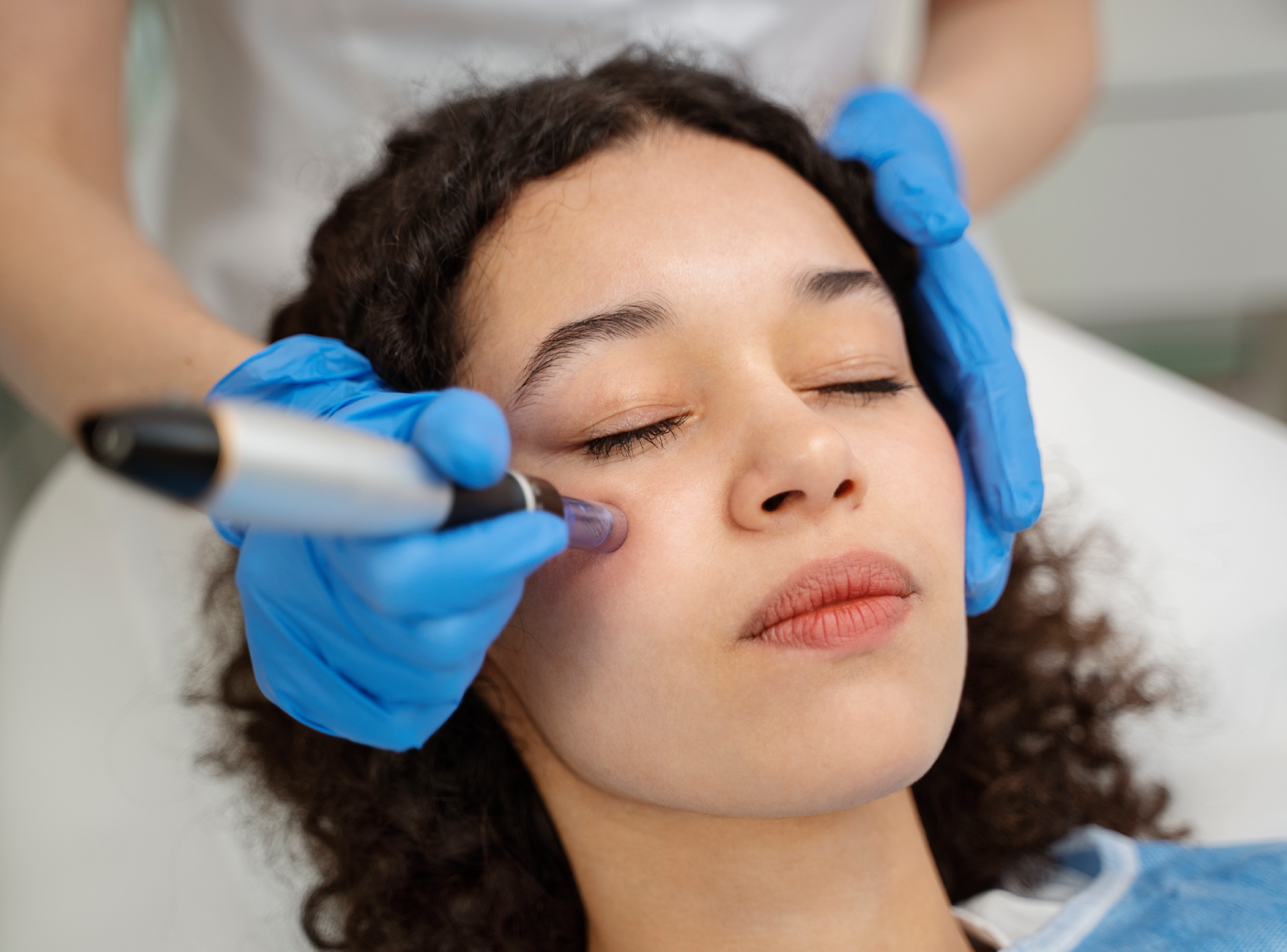
Procedures like RF (Radio Frequency) Microneedling have gained center stage for people seeking to revitalize their skin and lessen indications of aging as the beauty and wellness sector continues to innovate. RF Microneedling has become a popular therapy for those looking for a minimally invasive way to improve their complexion because of its potential to tighten skin, remove wrinkles, and improve texture. But before proceeding, it’s important to thoroughly understand any potential adverse effects, just like with any cosmetic procedure.
The discussion surrounding RF microneedling is still developing as 2026 approaches, with a stronger focus on patient safety and education. Even though the surgery is usually safe when carried out by a trained professional, prospective patients can make an informed decision and appropriately prepare for what to expect after treatment by being aware of the potential side effects.
Compared to conventional microneedling, the high-frequency radio waves and tiny needle punctures work in concert to promote collagen formation and heal the skin more deeply. Despite being non-surgical, the invasiveness of the needles and the injection of radiofrequency energy into the skin result in a unique set of potential side effects, including soreness, swelling, and redness, which usually go away soon after the procedure. However, although they are uncommon, more serious consequences, including scarring, pigmentation changes, or infection, call for further discussion.
As we examine RF microneedling’s possible side effects in more detail in 2026, it’s important to recognize how technological and technical developments may affect the procedure’s safety and effectiveness. With this information, patients can make decisions that are in line with their personal risk tolerance, health, and beauty objectives while navigating the terrain of skin rejuvenation with clarity and confidence.
RF Microneedling In Dubai
RF Microneedling in Dubai has become a highly sought-after treatment for skin rejuvenation, tightening, and scar reduction. This sophisticated procedure integrates radiofrequency energy with conventional microneedling to induce collagen production beneath the skin’s surface. Although it is generally safe and effective, it is crucial to be cognizant of potential side effects in 2026, including temporary redness, swelling, mild discomfort, and sensitivity. Minor bruising or hyperpigmentation may occur in rare instances, particularly when post-care instructions are not adhered to. Selecting experienced professionals and adhering to proper aftercare guarantees optimal results and minimizes risks associated with RF microneedling treatments.
Radiofrequency Treatment In Dubai
Radiofrequency Treatment in Dubai is widely recognized for its non-invasive skin tightening and anti-aging benefits. It functions by directing controlled heat energy into the deeper layers of the skin, thereby facilitating the remodeling of collagen. Despite the fact that the procedure is generally regarded as safe, patients should be cognizant of the possibility of temporary redness, warmth, and mild swelling following it. Slight skin sensitivity or dryness may occur in certain instances; however, the discomfort typically subsides within a few days. In the event that the procedure is not executed correctly, rare complications may include burns or uneven skin texture. Consequently, it is imperative to select a qualified practitioner to effectively achieve the desired results and ensure safety.
Microneedling Treatment In Dubai
Microneedling Treatment in Dubai is a popular cosmetic procedure designed to improve skin texture, reduce acne scars, and enhance overall skin appearance. The procedure entails the induction of natural healing and collagen production by causing minute micro-injuries in the skin. Although generally safe, certain side effects may manifest immediately following the session, such as slight swelling, redness, and minor irritation. The skin of patients with sensitive skin may experience temporary dryness or flaking. In rare instances, infection or pigmentation changes may result from improper technique or a lack of hygiene. A safe and successful microneedling experience is contingent upon the proper consultation, sterilization, and aftercare.
Skin Inflammation And Redness
Following an RF (Radiofrequency) microneedling procedure, skin redness and inflammation are typical early reactions. The conventional microneedling procedure is combined with the heat produced by radiofrequency energy in RF Microneedling, a cosmetic procedure. To address problems including fine lines, wrinkles, acne scars, and general skin texture, this therapy aims to increase collagen production and accomplish skin regeneration.
The radiofrequency energy heats the skin’s underlying layers to promote the synthesis of collagen, while the tiny needles pierce the skin to create controlled micro-injuries that trigger the body’s natural healing process. This healing and damage process causes the skin redness and inflammation observed after therapy. This is typically a normal response, meaning the body is reacting to the treatment as it should.
Similar to a sunburn, the redness and inflammation often go away in a few hours to a few days, depending on the patient’s skin sensitivity and the intensity of the therapy. Keeping the skin hydrated, avoiding direct sunlight, and adhering to any special recommendations given by the skincare specialist are all part of post-procedure care.
As we investigate the possible adverse effects of RF microneedling in 2026, it is crucial to remember that these effects may alter depending on technological advancements, modifications to treatment plans, or findings regarding the procedure’s long-term impacts. In general, such adverse consequences might consist of:
1. Prolonged Redness and Swelling: Although transient redness and swelling are normal, some people may have these symptoms for a longer period of time. Technological developments may lessen these impacts or provide new ways to mitigate them more quickly.
2. Risk of Burns: Because RF microneedling uses heat, there is a chance of burns if the energy is not used properly or if equipment breaks down. Future developments in technology and stricter safety regulations could lessen this risk.
3. Changes in Pigmentation: After the procedure, people with darker skin tones may experience either hyperpigmentation or hypopigmentation. Optimized techniques that reduce this danger could result from ongoing study into skin reactions.
4. Skin Infection: Innovations in sterile procedures and antiseptic products are likely to significantly reduce this worry, even though the risk of infection is already reduced with appropriate technique and aftercare.
5. Scarring: Although RF microneedling is intended to minimize scarring, treatment can occasionally result in scarring, particularly if done incorrectly. Greater results and fewer cases of negative scarring could be ensured by greater training and certification for practitioners.
6. Reactivation of Herpes Simplex Virus: If a patient has a history of cold sores, the procedure may cause the herpes simplex virus to reactivate.
Future RF microneedling side effects will be significantly influenced by developments in technology, better practitioner knowledge, and a deeper comprehension of patient skin biology. Before undergoing RF Microneedling, like with any cosmetic procedure, it is crucial to meet with a trained specialist to evaluate personal risks and go over possible side effects.
Risk Of Infection
When considering RF (Radio Frequency) Microneedling treatments, customers should be aware of the possibility of infection as a side effect. By combining the skin-tightening properties of radiofrequency energy with the collagen-inducing effects of standard microneedling, RF Microneedling is a minimally invasive therapy that claims to revitalize the skin. RF radiation is used to heat the skin’s underlying layers to promote the creation of collagen and elastin, while small needles are utilized to make tiny punctures in the skin to initiate the body’s natural healing process.
As with any procedure that requires breaching the skin barrier, there is an inherent risk of infection even though it is normally safe. If the tiny wounds made during the procedure come into contact with microorganisms either during or after the therapy, infections may result. Although uncommon, this occurrence could occur, particularly if appropriate aseptic procedures are not followed or the patient disregards the post-procedure care instructions given by their doctor.
Due to changing germs and possible novel strains that may be resistant to conventional antibiotics, practitioners will need to be very watchful about sterilization and infection control techniques in 2026. Using sterile equipment, making sure the treatment space is clean, and donning the proper protective gear should all be prioritized. To reduce the chance of infection, clients should also be instructed on how to take care of their skin after treatment. This includes keeping the region clean, taking topical antibiotics as directed if needed, and avoiding bacterially rich settings until the skin has healed.
Increased redness, swelling that persists after the initial effects of treatment, pain, warmth at the site, fever, or pus emerging from the treated region are all indicators of infection that patients should be on the lookout for. To effectively treat the infection and prevent any consequences, it is imperative that you seek medical assistance as soon as any of these symptoms appear.
Additionally, practitioners should keep up with the most recent findings and developments in infection control procedures and RF microneedling technologies. This could involve the development of more sophisticated antimicrobial medicines that can be used right away following the treatment to lower the risk of infection or novel methods to lessen skin harm. Professionals can help guarantee patient safety and enhance the overall results of RF Microneedling treatments by keeping up with the most recent advancements.
Altered Pigmentation
A disease known as altered pigmentation causes the skin to change color, frequently becoming lighter (hypopigmentation) or darker (hyperpigmentation) than the surrounding tissue. RF microneedling is one of the skin procedures that can cause this condition as a side effect. RF Microneedling targets deeper layers of the skin and promotes the formation of collagen and elastin by combining standard microneedling with radiofrequency energy. The result is a smoother, more youthful appearance.
The body’s reaction to the controlled damage caused by the needles may result in hyperpigmentation following RF microneedling. Melanin production may rise as a result of this reaction, particularly in people with darker skin tones or those who do not sufficiently shield their skin from the sun after treatment. On the other hand, if the treatment harms melanocytes, the cells that give skin its color, it may result in hypopigmentation.
When thinking about possible adverse effects of RF microneedling in 2026, it’s crucial to remember that as technology advances, practitioners might have access to more sophisticated tools and procedures to reduce hazards. Nonetheless, the following are still possible adverse effects:
1. Skin Sensitivity and Pain: Although topical anesthetics are typically administered to lessen pain during treatment, the technique may result in discomfort and increased skin sensitivity.
2. Swelling and Bruising: Because RF microneedling is an invasive process, some swelling and bruising are to be expected. Usually, these are transient and go away in a few days.
3. Burns and Heat Damage: When radiofrequency energy is used improperly, it can cause burns or heat damage to the skin.
4. Temporary Scarring: Although uncommon, scarring is possible, especially if the patient has a history of keloids or hypertrophic scarring or if aftercare recommendations are not followed.
5. Changes in Skin Texture: Patients may occasionally notice changes in the texture of their skin, such as tiny lumps or a coarser surface where the procedure was carried out.
6. Infections: As with any needle-related treatment, there is a chance of infection if the equipment is not thoroughly disinfected or if adequate aftercare is not adhered to.
A licensed dermatologist or cosmetic specialist should be consulted by patients thinking about RF microneedling so they can determine whether their skin is suitable for the procedure, talk about these possible side effects, and create a customized treatment plan. To reduce the chance of difficulties and guarantee the best possible outcomes, it is also essential to adhere to all pre- and post-treatment instructions.
Scarring
One of the possible adverse effects of RF (radiofrequency) microneedling, a minimally invasive cosmetic technique meant to tighten and revitalize the skin, is scarring. Like all medical therapies, it has certain risks and adverse consequences despite its advantages.
RF microneedling starts a natural healing process by making tiny punctures in the skin using a handheld device. In addition, it uses radiofrequency energy to promote the development of collagen and elastin, which are vital for preserving the suppleness and firmness of skin. Smoother, younger-looking skin is the ideal result. However, the procedure of making micro-injuries in the skin can occasionally result in scarring, especially if the patient is predisposed to keloid or hypertrophic scarring or if the treatment is not carried out properly.
In 2026, developments in the field of RF microneedling have continued to progress, offering improved procedures and tools designed to lower the chance of scarring. For example, professionals understand the significance of determining the kind and condition of the skin prior to the surgery. They limit the possibility of scarring by precisely controlling the RF energy output and needle depth to customize the treatment to each patient’s needs.
However, it’s important to understand that even the most cutting-edge technology may have some possible negative effects. These include scarring that is either transient or, in rare cases, permanent. People should make sure they receive treatment from qualified, experienced specialists who adhere to the right post-treatment care guidelines to reduce this risk.
In 2026, additional possible adverse effects of RF microneedling to be mindful of are the following:
- Swelling and Bruising: The treated area may swell or bruise, but the condition is usually temporary and resolves within a few days to a week.
- Skin Dryness and Flaking: The skin may experience dryness and flaking as it heals and regenerates as a result of the micro-injuries it has sustained.
- Sensitivity to the Sun: Following treatment, the skin may become more sensitive to UV rays, so avoid direct sunlight and use a broad-spectrum sunscreen.
- Infections: Although uncommon, there is always the risk of infection after a skin puncture. Follow your practitioner’s aftercare instructions to reduce this risk.
Any odd or persistent symptoms should be mentioned to the clinician who administered your treatment, even though side effects are usually transient and a normal part of the healing process. Before beginning RF microneedling, like with any cosmetic procedure, a comprehensive consultation is essential. Potential side effects, the provider’s background and credentials, and any particular worries or objectives the patient may have should all be covered during this meeting.
Downtime And Recovery Process
The downtime and recovery process refers to the time after RF (radiofrequency) microneedling treatment, when patients usually experience some side effects and allow their skin to heal. RF microneedling is a cosmetic technique that uses radiofrequency energy in conjunction with conventional microneedling to increase collagen formation and produce smoother, firmer skin. Patients still need to give their skin time to rest and heal, even though RF microneedling is less intrusive and requires less recovery time than more invasive cosmetic procedures.
Patients may have mild to moderate edema, redness, and a sunburn-like feeling in the treated areas during the recovery period. These symptoms usually peak immediately following the treatment and go away in a few days. However, the recovery period may differ because everyone’s skin responds differently.
To get the greatest results and reduce dangers, patients must adhere to the aftercare guidelines given by their skincare specialist. This usually entails keeping the skin clean and hydrated, avoiding direct sunlight, and avoiding specific skincare products that could irritate the skin. As advised by the practitioner, makeup should be avoided for a while following the treatment to prevent clogging the pores while they are still open and healing.
In 2026, people should be aware that the possible adverse effects of RF microneedling will likely remain similar to those now, although the procedure’s safety profile may change as technology and technique develop. The following are some possible adverse effects to be aware of:
1. Inflammation and Redness: Short-term inflammation and redness are to be expected as the skin is perforated and RF energy is injected. This should go away in a few days and is a typical part of the healing process.
2. Swelling: Swelling is a frequent reaction to the micro-injuries induced by microneedling, but it usually resolves within a few days.
3. Pain or Discomfort: Depending on the patient’s pain tolerance and the scope of the procedure, pain or discomfort may occur during and after treatment. To lessen discomfort during the treatment, practitioners frequently use topical anesthetics.
4. Bruising: Some individuals may have bruising, especially if they are using blood thinners or have a history of bruising readily.
5. Skin Dryness and Peeling: As part of the natural healing process, the skin may become dry and possibly peel, resembling the results of a gentle chemical peel.
6. Risk of Infection: Following post-treatment care greatly reduces the inherent risk of infection associated with any surgery involving skin puncture.
7. Changes in Pigmentation: Skin may become lighter (hypopigmentation) or darker (hyperpigmentation) due to transient or, less frequently, permanent changes in pigmentation.
8. Scarring: Scarring is a potential side effect, especially if post-treatment care is not appropriately followed, but it is incredibly rare, particularly when the surgery is carried out by a skilled practitioner.
As the process develops, more improvements in RF microneedling techniques, such as more accurate energy delivery and needle technology, may assist in lessening these negative effects. Both the patient and the practitioner can approach RF microneedling with knowledge and readiness for the post-treatment phase if they are aware of the possible side effects. When thinking about this procedure or any other cosmetic procedure, it is always advisable to speak with a qualified skincare specialist or certified dermatologist.
Advantages Of RF Microneedling You Should Know
- Encourages the production of natural collagen and elastin to achieve long-lasting skin improvement
- Effectively enhances skin texture, tone, and firmness
- Reduces the appearance of acne scars, fine lines, and enlarged pores
- Enhances outcomes by integrating radiofrequency and microneedling
- A procedure that is minimally invasive and requires a shorter recovery time
- Suitable for a wide range of skin types and concerns
- Facilitates the tightening of sagging skin without the need for surgery
- Offers results that are both gradual and resembling nature
- In comparison to conventional microneedling, it is capable of targeting deeper layers.
Why RF Microneedling Is The Best Solution
Due to its dual-action technology, which targets both the surface and deeper layers of the skin, RF microneedling is regarded as one of the most effective skin rejuvenation techniques. It is more effective than traditional treatments in enhancing collagen production by combining microneedling with radiofrequency energy. This leads to a more youthful, smoother, and firmer complexion as time progresses. It is an excellent choice for busy individuals, as it necessitates minimal downtime, in contrast to invasive procedures. It is capable of addressing a variety of issues, such as skin laxity, acne scars, and wrinkles, in a single treatment. RF microneedling provides long-term skin improvement through safer, more precise, and highly customizable results, thanks to advancements in 2026.
BOOK AN APPOINTMENT TODAY
How RF Microneedling Restores Confidence And Appearance
By effectively addressing common skin concerns, RF microneedling plays a significant role in restoring both confidence and physical appearance. It assists individuals in achieving a more youthful and refreshed appearance by tightening loose skin, reducing scars, and improving skin texture. Patients frequently experience an increase in self-assurance and comfort as their skin becomes more even-toned and smooth. The natural-looking results are guaranteed by the gradual improvement, which prevents the artificial appearance that is often associated with certain cosmetic procedures. RF microneedling continues to empower individuals by improving their self-image and boosting their confidence in social and professional environments in 2026, thanks to advanced techniques and enhanced safety.
MEET THE EXPERT DOCTOR
Best Aesthetic Clinic In Dubai For RF Microneedling
Best Aesthetic Clinic in Dubai for RF Microneedling is Perfect Doctors Clinic, where Dr. Perfect Celebrity offers exceptional expertise in advanced skin rejuvenation treatments. The clinic is renowned for its utilization of cutting-edge RF microneedling technology, which is specifically engineered to produce safe, precise, and effective outcomes that are customized to the skin type and concerns of each patient. Each treatment commences with a comprehensive consultation to evaluate the condition of the skin and develop a customized strategy that optimizes outcomes while minimizing risks. Dr. Perfect Celebrity prioritizes patient safety, comfort, and natural-looking results to guarantee a seamless and enjoyable experience. Modern techniques and rigorous hygiene protocols are implemented by the clinic to mitigate potential adverse effects, including sensitivity or redness. Perfect Doctors Clinic is a reputable destination for individuals in Dubai who are in search of high-quality RF microneedling treatments that provide long-lasting aesthetic benefits. The clinic is known for its patient satisfaction and excellence.