





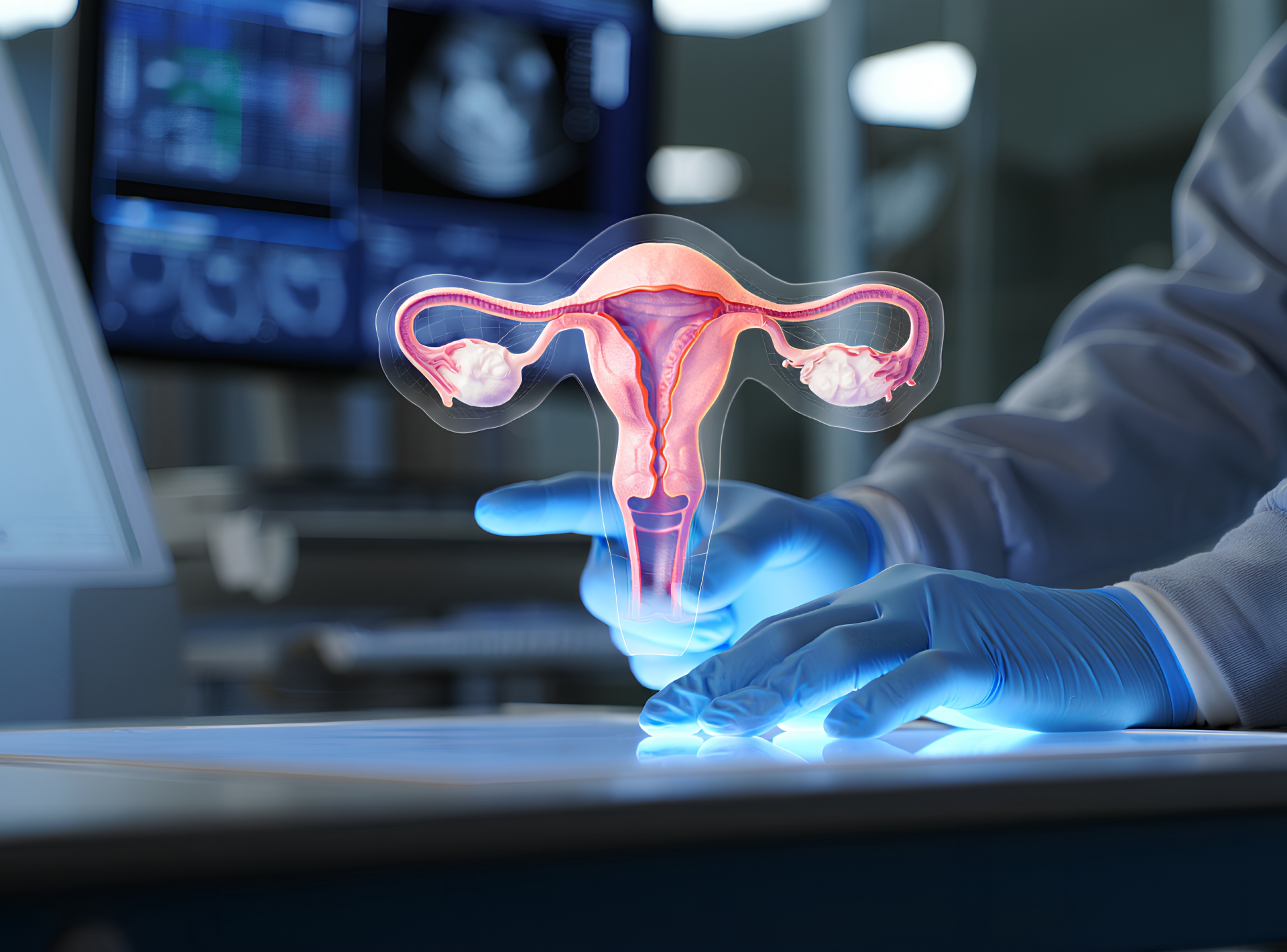
A research in the Canadian Medical Association Journal found that women who got pregnant through infertility therapy, specifically in vitro fertilization, were more likely to have serious health problems and die.
Between April 2005 and March 2013, a group of Canadian researchers looked at women aged 20 to 62 who gave birth in a hospital. After propensity score matching, 11,545 pregnancies resulting from infertility treatment—comprising ovulation induction, intrauterine insemination, or in vitro fertilization—were compared with 47,555 unassisted pregnancies to evaluate their connection with severe maternal morbidity and mortality. Infertility therapy was classified into invasive (in vitro fertilization with or without intracytoplasmic sperm injection) and noninvasive (intrauterine insemination or ovulation induction alone) to ascertain the correlation between treatment type and maternal morbidity indicators only.
The main outcome measure was severe maternal morbidity or death that happened between 21 weeks of pregnancy and 45 days after the mother left the hospital after giving birth. Secondary outcomes encompassed the predominant individual markers of severe maternal morbidity (severe postpartum hemorrhage, maternal admission to an intensive care unit, puerperal infection, hysterectomy, and heart problems) and all-cause maternal mortality occurring between 45 and 360 days postpartum.
Severe maternal morbidity or mortality was observed in 355 treated pregnancies (30.7 per 1005) and in 1055 untreated pregnancies (22.3 per 1005). This outcome measure was observed in 120 pregnancies resulting from noninvasive treatment (21.8 per 1005) and in 235 pregnancies resulting from invasive treatment (39.5 per 1005). The absolute risk for serious maternal morbidity or death associated with infertility therapy was significantly higher in those aged ≥42 years and in those experiencing multiple pregnancies.
Maternal mortality from 21 weeks’ gestation to 40 days postpartum was observed in fewer than 5 women undergoing infertility treatment (≤0.6 per 1005) and in fewer than 6 women not receiving treatment (≤0.2 per 1005). Additionally, mortality from 43 to 366 days postpartum occurred in fewer than 5 women who received infertility treatment (≤0.6 per 1005) and in 12 women who did not (0.3 per 1005).
Indicators of severe maternal morbidity were more prevalent in pregnancies resulting from infertility therapy compared to untreated pregnancies. There were substantial links between severe postpartum hemorrhage, maternal admission to an intensive care unit, puerperal sepsis, and invasive infertility treatment. However, there were no statistically significant links between noninvasive treatment and these conditions.
“Women who became pregnant through infertility treatment, particularly in vitro fertilization, face an elevated risk of severe maternal morbidity or mortality,” the authors found. “Additional research should pinpoint patient- and treatment-specific factors that could be altered to reduce excessive maternal risks.”
Infertility Treatment In Dubai
Infertility Treatment in Dubai includes advanced medical options such as fertility medications, hormonal therapy, and assisted reproductive techniques like IVF to help individuals and couples achieve pregnancy. These treatments are carefully planned and monitored by specialists to improve success rates. However, it is important to understand the topic Infertility Treatment Increases Risk for Severe Maternal Morbidity, Mortality. Although fertility treatments are generally safe, certain risks may increase, particularly in high-risk pregnancies or when multiple embryos are involved. Potential complications can include high blood pressure, gestational diabetes, or complications during pregnancy and delivery. The risk may also be higher in older patients or those with underlying health conditions. Careful monitoring, proper medical evaluation, and following expert guidance are essential to reduce these risks. With the right approach, many patients can safely undergo treatment while minimizing complications and achieving successful outcomes. Additionally, maintaining a healthy lifestyle, attending regular check-ups, and following prescribed medications can further support a safer pregnancy journey and improve overall treatment success rates. Proper planning before conception also plays a key role in identifying risks early and ensuring better maternal and fetal health outcomes.
Advantages Of Infertility Treatment You Should Know
A lot of couples use in vitro fertilization (IVF) as a last resort to get pregnant. A lot of people don’t know that infertility treatments are often the first thing that future parents do. Find out why more and more couples who want to start a family are getting infertility treatments.
Treatments Are Improving
One of the best things about it is that therapies keep getting better. Women can improve their chances of having a healthy and joyful pregnancy by using the newest medical advances in treatment approaches.
Control Of Timing
Couples that want to choose when to get pregnant for different reasons often undergo infertility treatments like IVF. These procedures let couples plan for the future because the woman’s eggs can be frozen for later use. Pregnancy can be planned for the right time in a person’s life, whether it’s time for the woman to focus on her work or heal from an injury or sickness.
Decrease Family Risks
IVF is a popular choice for couples who have a family history of genetic disorders. Genetic testing during infertility treatments makes it easier to see whether there are any genetic problems with the embryos. Scientists keep an eye on embryos as they grow, and eventually they take a cell from each one to examine its DNA. This test can help future parents understand more about the embryo’s health and genetic makeup.
Use Donated Sperm And/Or Eggs
You can use donated sperm and/or eggs for infertility treatments. This choice makes it more likely that you will get pregnant during the first and second sessions. When the egg is fertilized by hand, it turns into an embryo.
If you’ve had difficulties becoming pregnant or are ready to plan when to start a family, think about the many benefits of infertility treatments.
Why Infertility Treatment Is The Best Solution
Infertility treatment is considered one of the most effective ways to address challenges related to conception because it focuses on identifying and treating the root cause of the problem. Instead of relying on uncertainty, modern medical approaches use diagnostics, monitoring, and targeted therapies to create a clear and structured path toward parenthood. This reduces confusion and replaces it with a guided plan that is both practical and result-oriented.
Another key advantage is the wide range of treatment options available. Depending on the condition, doctors may recommend medications, hormone therapy, intrauterine insemination (IUI), or advanced procedures like in vitro fertilization (IVF). This flexibility allows treatments to be tailored according to individual needs, increasing the likelihood of success. Patients also benefit from continuous medical supervision, which ensures timely adjustments and better outcomes.
Personalized Care And Expert Guidance
Every case of infertility is unique, which is why personalized treatment plans play a crucial role. Doctors consider factors such as age, medical history, and underlying conditions before recommending a solution. Along with expert guidance, regular follow-ups and progress tracking help maintain consistency throughout the process. This combination of personalization and professional support makes infertility treatment a reliable and effective solution for many individuals and couples.
BOOK AN APPOINTMENT TODAY
How Infertility Treatment Restores Confidence And Appearance
Infertility can take a toll on emotional well-being, often leading to stress, anxiety, and a decrease in self-confidence. However, starting treatment brings a sense of direction and hope. When individuals begin to see progress through medical support, it helps them feel more in control of their situation. This shift in mindset plays a significant role in rebuilding confidence and reducing emotional pressure.
As confidence improves, it naturally reflects in overall appearance and personality. People tend to become more positive, socially active, and attentive to self-care. Reduced stress levels can also contribute to better sleep, healthier skin, and improved energy. These changes collectively enhance how a person looks and feels on a daily basis.
Emotional Balance Enhances Overall Well-Being
Infertility treatment are often includes counseling and medical support that help stabilize emotions. Hormonal balance achieved through treatment can further improve physical health and vitality. When both mind and body begin to respond positively, individuals experience a noticeable improvement in their outlook on life. This inner transformation gradually reflects outward, creating a more confident, refreshed, and balanced appearance.
MEET THE EXPERT DOCTOR
Best Aesthetic Clinic In Dubai For Infertility Treatment
Best Aesthetic Clinic in Dubai for Infertility Treatment focuses on patient safety, advanced care, and personalized treatment plans to reduce potential risks. Reputable clinics address concerns related to Infertility Treatment Increases Risk for Severe Maternal Morbidity, Mortality by conducting detailed health assessments before starting any procedure. Experienced specialists closely monitor each stage of treatment to detect and manage any complications early. Clinics use modern technology and evidence-based practices to improve safety and outcomes. Patients are also educated about possible risks, preventive measures, and lifestyle adjustments to support a healthy pregnancy. Continuous follow-up and professional guidance help ensure both maternal and fetal well-being. Choosing a trusted clinic in Dubai allows patients to receive high-quality care, reduce risks, and move forward with confidence on their fertility journey. Furthermore, these clinics provide emotional support and counseling options to help patients manage stress and anxiety during treatment, ensuring a more comfortable and well-supported experience throughout the entire process. Ongoing communication between patient and specialist also helps in making timely decisions, improving overall safety and success rates.