





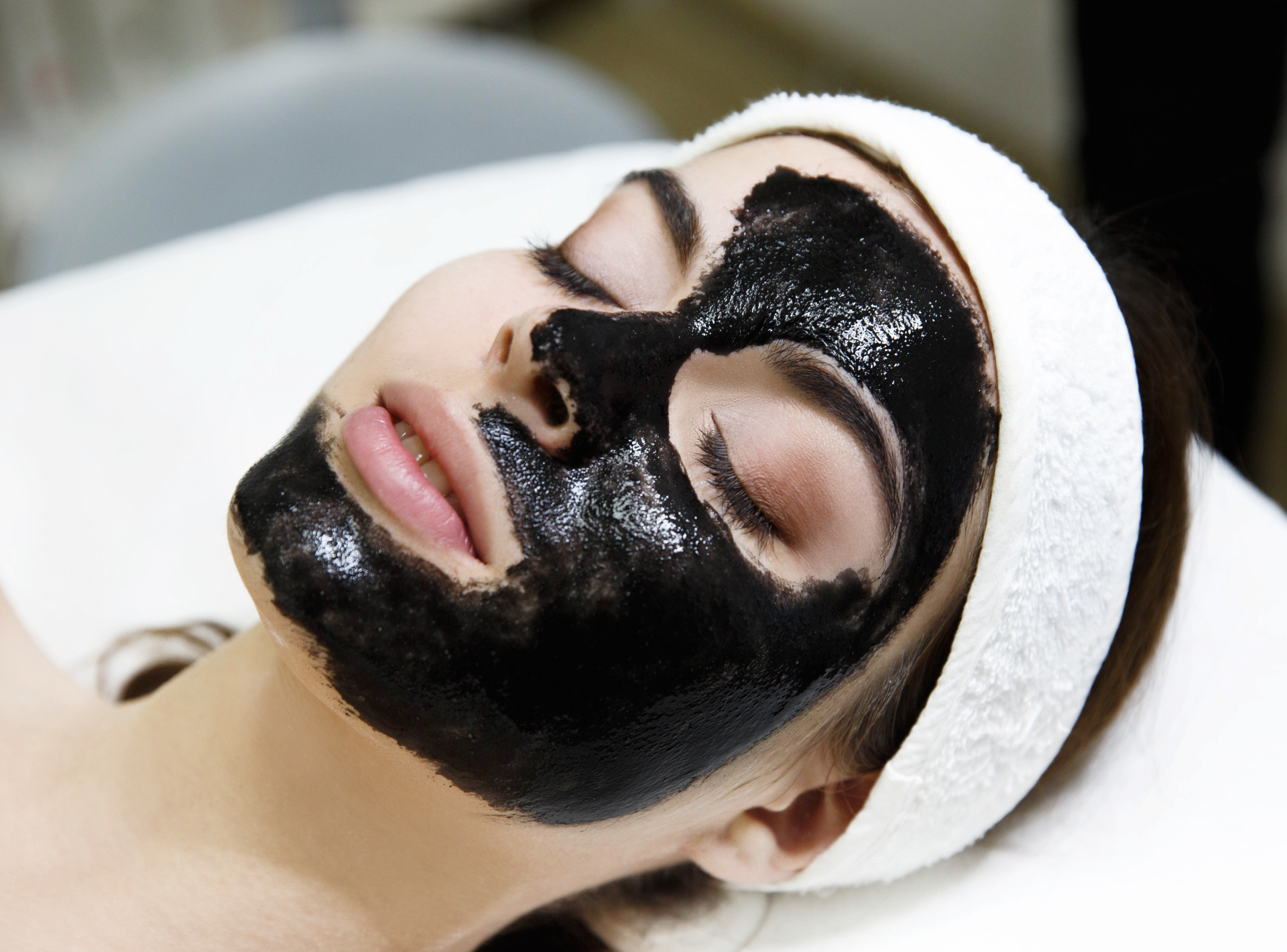
Chemical peel recovery varies based on the peel depth, ranging from a few days to two weeks. Mild redness, peeling, and sensitivity are normal during healing. Keeping the skin hydrated, avoiding sun exposure, and following aftercare instructions help speed recovery and ensure smoother, healthier, and more radiant skin results.
Chemical Peel In Dubai
Chemical Peel in Dubai is a highly effective skincare treatment designed to improve skin tone, texture, and overall radiance. It is especially popular among individuals dealing with acne scars, pigmentation, fine lines, and dull skin. When discussing recovery time, it is important to understand that healing varies depending on the type and strength of the peel used. Superficial peels usually require only a few days of recovery, while medium to deep peels may take one to two weeks for complete healing. During the initial days, patients may experience redness, sensitivity, tightness, and visible peeling as the damaged outer layer of skin sheds. This is a natural and essential part of the process. Proper aftercare, including regular moisturizing, avoiding direct sunlight, and applying a high-quality sunscreen, plays a key role in speeding up recovery. Patients are also advised to avoid picking or peeling the skin manually to prevent irritation or scarring. As the skin heals, a fresher, smoother, and more even-toned complexion gradually appears, making the recovery phase worthwhile.
Understanding Chemical Peels
Many skin issues can be resolved with chemical peels, a common skin resurfacing procedure. In order to show the smoother, more youthful skin underneath, they apply a chemical solution to the face, causing the outer layers to peel away. Let’s examine the three primary chemical peel kinds and their variations according to skin type and depth of treatment.
Light Peels
The gentlest option is a light peel, which targets the skin’s outermost layer with mild acids like alpha hydroxy acids (AHAs). These peels are ideal for addressing uneven skin tone, minor acne, and fine wrinkles. They have a short recovery period of one to seven days and are appropriate for the majority of skin types. You may feel a little flaky and irritated after a gentle peel, but these side effects are usually transient.
Medium Peels
Trichloroacetic acid (TCA) is frequently used in medium peels, which penetrate the skin more deeply than light peels. They are therefore useful for treating scars, UV damage, and moderate wrinkles. Medium peels usually take seven to fourteen days to heal. Your skin may appear red, puffy, and discolored during this time. To reduce discomfort and get the greatest outcomes, it’s critical to adhere to aftercare guidelines.
Deep Peels
Because deep peels penetrate the skin’s deeper layers, they produce the most striking effects. They employ more TCA or strong acids like phenol. Deep scars, precancerous growths, and severe wrinkles are best treated with deep peels. These peels take longer to heal—2 to 3 weeks—and may cause redness and swelling that lasts for several months because of their intensity. Because deep peels might cause hyperpigmentation, they are not advised for people with darker skin tones.
Skin Types
Which chemical peel is best for you depends in large part on your skin type. Because they are less likely to experience pigmentation changes, those with lighter skin tones usually have more options. However, when done by qualified experts like those at Perfect Doctors Clinic, chemical peels—especially light and medium peels—can still be beneficial for those with darker skin. To select the ideal peel for your particular skin type and issues, it is essential to speak with a dermatologist.
Knowing the distinctions between these peels enables you to choose a treatment that best suits your skin’s objectives. Choosing the appropriate peel can revitalize your skin and increase your self-esteem because each type has special advantages.
We’ll then go into great detail on the chemical peel recovery period, emphasizing what to anticipate and how to take care of your skin while it heals.
BOOK AN APPOINTMENT TODAY
Chemical Peel Recovery Time
Chemical peels can revitalize your skin, but controlling expectations and guaranteeing a seamless healing process depend on knowing how long they take to recover. Let’s examine what to anticipate from light, medium, and deep peels.
Light Chemical Peel Recovery
Recovery Time: Week 1
The most delicate chemical peels use weak acids to remove the skin’s outermost layer. They are ideal for treating minor skin flaws and fine wrinkles.
- Healing Process: Your skin may feel tight and dry after a minor peel. Similar to a light sunburn, you may experience some minor irritation.
- Redness and Swelling: You should anticipate some redness, but it normally goes away fast. There is very little swelling.
- Peeling: Usually beginning on day three, flakiness is typical as the old skin sheds. To avoid leaving scars, refrain from picking at peeling skin.
Medium Chemical Peel Recovery
Recovery Time: Week 1-2
Trichloroacetic acid (TCA) is frequently used to repair moderate wrinkles and sun damage in medium peels, which go deeper than light peels.
- Healing Process: At first, your skin may be puffy and red, and it may sting for a few days.
- Redness and Swelling: Redness can last for weeks, and swelling is more noticeable than with minor peels.
- Discoloration: Before peeling starts, it’s common for the skin to darken or get brown spots.
- Peeling: The skin will crust and peel, exposing fresh skin beneath. In order to achieve smoother skin texture, this procedure is essential.
Deep Chemical Peel Recovery
Recovery Time: Week 2-3
By accessing the deepest layers of skin, deep peels—which frequently use phenol or high-concentration TCA—offer the most striking effects.
- Healing Process: Be prepared for extreme swelling and redness. The skin may have a burning or throbbing sensation.
- Redness and Swelling: Redness can last for months, and swelling may even cause the eyelids to momentarily swell shut.
- Peeling: After forming a crust, the skin will separate to show new, fresh skin. Due to its extreme sensitivity, this layer needs careful maintenance.
- Special Considerations: Not all skin types can benefit from deep peels due to their intensity. A professional must keep a close eye on them.
You can better prepare and control your expectations if you are aware of the recuperation schedule. Every form of peel has different advantages and difficulties, but you may get the skin you want with the right aftercare.
We’ll next go into detail about the daily healing process so you know exactly what to anticipate at every stage of your recuperation.
Day-by-Day Healing Process
Hours 24-72: Initial Reactions
Your skin will respond as it starts to heal in the initial days following a chemical peel. Anticipate tightness, redness, and a sunburn-like sting. As your skin begins to remove the old, damaged layers, this is its normal reaction.
Hours 24: You have dry, tight skin. A sunburn-like sting or moderate irritation may be experienced by some. To stop more aggravation, refrain from touching or scratching.
Hours 48: The skin may feel more sensitive and the redness is still present. To calm the skin, use cool water and mild cleansers.
Hours 72: The skin is still tight, but the stinging feeling may lessen. As the dead skin begins to slough, you may detect the onset of flakiness.
Days 5-8: Peeling Begins
The peeling process is well underway by days four through seven. At this point, flakiness and crusting start to show. Picking at your skin can leave scars, so it’s important to fight the impulse.
Day 5: Peeling gets more intense. Bigger flakes might begin to separate. To reduce discomfort, keep your skin hydrated.
Day 6: Don’t pick at your skin any more. Imperfections may become more noticeable due to the peeling, however this is only temporary.
Day 7: There should be less flakiness. Some parts can still be peeling, though. Because your skin is so fragile, sun protection is crucial.
Day 8: For light peels, the majority of the peeling should be finished. There will be some discoloration, but new skin will begin to appear.
Days 9-15: Continued Healing
Your skin starts to adjust to its new state throughout this time. Although some discolouration and sun sensitivity may persist, the initial redness may go away.
Day 8 to 9: You can see more of the new skin. It is typical for it to seem pink or somewhat crimson. To prevent sun damage, keep applying SPF.
Day 10–11: The skin feels smoother and more pliable. To keep the skin’s moisture balance, hydration is still essential.
Day 12–13: Any residual redness ought to be going away. You may still have swelling if you got a medium or deep peel, but it is getting better.
Day 14–15: Your skin should appear more vibrant and even-toned. You can gradually return to your regular skincare routine, being sure to incorporate sun protection, even if your sensitivity to sun exposure persists.
You can manage expectations and lead the healing process with the help of this daily guide. Next, we’ll discuss how to take care of your skin after a peel to get the greatest outcomes.
How To Care For Your Skin Post-Peel
Essential Aftercare Tips
To get the greatest results and reduce discomfort following a chemical peel, proper care is essential. The following are crucial aftercare guidelines to adhere to:
- Moisturizing
After a peel, your skin will feel tight and dry. Every time your skin feels tight, use a mild, moisturizing moisturizer that has been approved by your skincare specialist. This protects and calms your newly developed skin.
- Sun Protection
Your delicate, post-peel skin may be harmed by sun exposure. Even if you’re indoors, use a broad-spectrum sunscreen with an SPF of 40 or greater each day. This helps avoid discolouration and protects your skin from UV radiation.
- Avoid Makeup
It’s advisable to stay away from cosmetics for at least a week while your skin heals. This lets your skin breathe and lowers the chance of inflammation. You can resume applying makeup once your skin has recovered.
- Gentle Cleansing
Use a mild cleanser and lukewarm water to wash your face. Steer clear of strong products and scrubbing that could irritate your skin. Instead of rubbing, use a soft towel to pat dry your skin.
- Hydration
Drink lots of water to keep your body hydrated. Maintaining hydration promotes skin health and facilitates healing.
Your skin will heal properly and appear glowing if you adhere to these aftercare recommendations. We’ll then go over some commonly asked issues regarding chemical peel recovery, such as how long it takes to appear normal and which days are usually the most uncomfortable.
Average Recovery Time Chemical Peel
Average recovery time after a chemical peel depends on its depth. Light peels heal within 2 to 6 days, medium peels may take 1 to 2 weeks, while deep peels require up to 14 to 21 days. Redness may last longer, but visible improvements appear gradually as the skin heals.
Downtime For Desk Jobs After Chemical Peel
Downtime for desk jobs after a chemical peel is usually minimal, especially for light peels, where patients can return within 24 to 48 hours. Medium peels may require a few days off due to visible peeling, while deep peels may need up to two weeks before resuming professional activities.
MEET THE EXPERT DOCTOR
Chemical Peel Recovery Do And Donts
During chemical peel recovery, keep your skin hydrated, use sunscreen daily, and follow your specialist’s aftercare instructions. Avoid sun exposure, harsh skincare products, and picking or peeling the skin manually. Do not use makeup immediately after treatment, and allow your skin to heal naturally for best results.
Frequently Asked Questions about Chemical Peel Recovery
How Long Does It Take To Look Normal After A Chemical Peel?
Your skin will heal in phases following a chemical peel. Following the surgery, redness and swelling are typical. after most cases, the redness and swelling will go away after a week. Your skin should begin to feel and look normal by the end of the second week.
On the other hand, redness may persist for up to three months with mild and deep peels. Once your dermatologist gives you the all-clear, which is typically around the two-week mark, you can wear cosmetics to mask any residual redness during this period.
What Days Are The Worst After A Chemical Peel?
For most people, days three and four are the toughest. The peeling process begins at this point, and it can be very unpleasant. As your old skin starts to slough, you’ll notice flakiness and crusting. It’s important to avoid picking at your skin during this period because doing so could result in infection or scarring.
How Can I Speed Up The Recovery Process?
Accelerating healing requires adhering to the appropriate aftercare guidelines. Here are some essential pointers:
- Hydration: To keep your skin moisturized from the inside out, drink lots of water.
- SPF: Every day, use a broad-spectrum sunscreen with an SPF of at least 40. This shields your newly developed skin from damaging UV radiation.
- Moisturize: Use a mild, moisturizing moisturizer that your doctor has prescribed to keep your skin hydrated. This relieves any discomfort or tightness.
- Avoid Harsh Products: Steer clear of harsh chemical-containing products and stick to mild cleansers. This promotes healing and reduces discomfort.
You may speed up your skin’s healing and reap the advantages of your chemical peel sooner if you follow these recommendations.
We’ll wrap off with summarizing Perfect Doctors Clinic’s dedication to compassionate care and superior aesthetics.
Best Aesthetic Clinic In Dubai For Chemical Peel
Best Aesthetic Clinic in Dubai for chemical peel should provide expert treatment along with detailed aftercare support to ensure safe healing and optimal results. Choosing a reputable clinic makes a significant difference in both the outcome and recovery experience. Perfect Doctors Clinic is recognized for offering advanced skincare treatments with a strong focus on safety, hygiene, and natural-looking results. Experienced specialists carefully assess each patient’s skin condition before recommending the most suitable type of peel. They also provide step-by-step aftercare instructions, such as keeping the skin hydrated, avoiding harsh skincare products, and protecting the skin from sun exposure. Patients are guided to use gentle cleansers and avoid makeup for a few days to allow proper healing. Regular follow-up appointments ensure that the skin is recovering well and help address any concerns early. A trusted clinic not only enhances the effectiveness of the treatment but also ensures a smooth, comfortable recovery journey with long-lasting improvements in skin quality and appearance.
Conclusion
At Perfect Doctors Clinic, we are dedicated to providing each and every one of our patients with sensitive care and outstanding aesthetics. Our staff, led by the renowned Dr. Perfect Celebrity, who received training at Perfect Doctors Clinic, is committed to assisting you in reaching your beauty objectives with the highest level of care and professionalism.
We recognize that getting a chemical peel is a big step toward improving the appearance and health of your skin. Making sure you feel informed and supported during your recovery process is our top focus. We are available to offer advice, respond to inquiries, and provide individualized service tailored to your particular need.
Chemical peels can reveal smoother, more vibrant skin. You can anticipate outstanding outcomes with our knowledge and your dedication to the chemical peel recuperation period. To get the greatest results, patience and appropriate aftercare are essential.
We encourage you to look over our selection of services if you’re thinking about getting a chemical peel or any other cosmetic procedure. Your road to refreshed skin is in good hands at Perfect Doctors Clinic. Together, let’s carefully and precisely enhance your inherent attractiveness.