





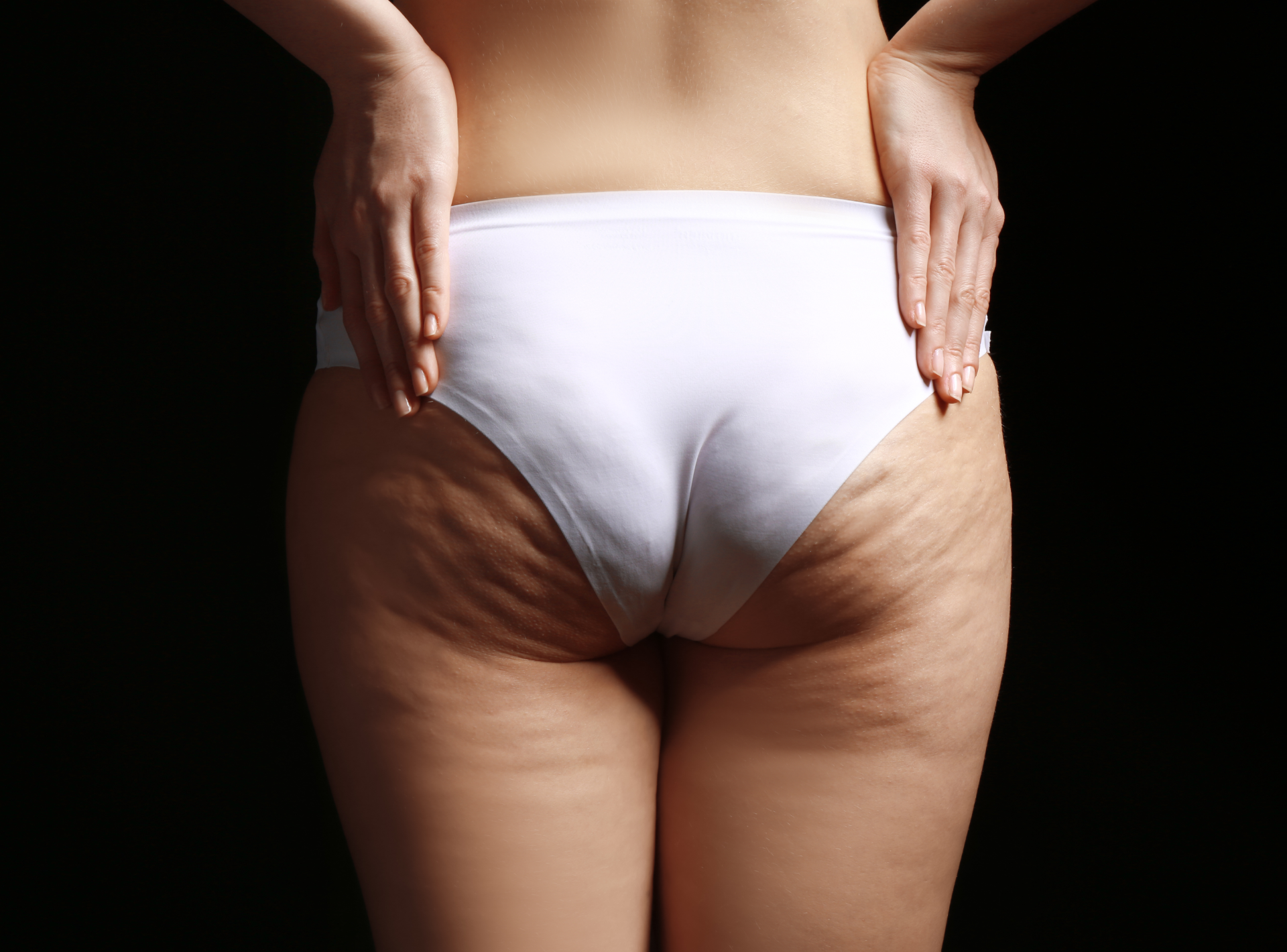
After a cellulite treatment, proper aftercare helps maximize results and reduce side effects. Mild swelling, redness, or tenderness is normal and usually fades within a few days. Stay hydrated, avoid intense workouts for one to two days, and follow your provider’s skincare instructions. Gentle massage may be recommended to improve circulation and smooth results. Wearing loose clothing and protecting the treated area from heat or sun exposure can also support faster healing and better skin texture.
Cellulite Treatment In Dubai
Cellulite Treatment in Dubai is a popular solution for improving skin texture and reducing the dimpled appearance commonly seen on thighs, hips, and buttocks. Understanding aftercare and recovery is essential to achieve smooth and long-lasting results. After the treatment, patients may experience mild redness, swelling, or slight tenderness in the treated areas, which usually subsides within a few days. It is important to stay hydrated, as proper hydration helps support skin healing and improves overall results. Patients are often advised to avoid intense physical activities and heat exposure, such as saunas or hot showers, for at least one to two days. Gentle massage may sometimes be recommended, depending on the treatment type, to enhance circulation and results. Visible improvements can start appearing within a few weeks, with continued enhancement over time. Following proper aftercare ensures better skin texture, improved firmness, and a smoother overall appearance.
How Long Does It Take To Recover From A Cellulite Treatment?
It usually takes a few days to feel better after a cellulite treatment. You will be told by your surgeon how long it will be until you can go back to doing your normal activities and employment. After your surgery, your doctor will also provide you and your caregiver extensive instructions on how to take care of yourself, including:
- If they have been put in, drains
- Common signs and symptoms you will have
- Possible symptoms of problems
You must follow all of your surgeon’s recommendations for taking care of the patient. It’s also crucial to realize that different people take different amounts of time to heal.
What Can I Expect Immediately After My Cellulite Treatment?
- You may experience some bruising, swelling, numbness, minor pain, and little quantities of fluid may flow from your incision sites (if you had them).
- You should be able to go back to doing your typical things in a day or two.
What Can I Expect During The First Few Weeks Of My Cellulite Treatment Recovery?
- After your treatment, your doctor may tell you to wear compression clothing for two to three weeks.
- You should be able to start doing harder things and working out again after one to two weeks.
How Many Sessions Does It Take For Cellulite Treatment
Skin that is tighter can help stop cellulite from forming. Most people notice full improvements after only a few sessions, however some individuals may need up to eight sessions to achieve good results. Most people can safely use radiofrequency skin tightening, and it only has a few negative effects.
The most common adverse effects include a little redness or swelling, which normally goes away in a few days. If you’re thinking about this treatment, you should talk to a skilled practitioner, like those at Perfect Doctors Clinic, to find out how many periods you’ll need.
Typical Recovery Timeline Of Cellulite Treatment
Let’s look at how long it takes to recover from cellulite treatment.
First Week
Most patients begin their recovery process in the first week. During this time, swelling and bruising are typical. Most people notice those symptoms for about three or four days. This is done every day following surgery for cellulite.
It’s crucial to rest for the first several days. You can start doing light things after a few days, but you should stay away from things that are stressful. To assist minimize edema, patients need to keep their legs moving while they sit.
Two Weeks Post-Surgery
A lot of patients notice a considerable drop in edema by the second week. You might still be able to see bruises, but they start to go away. At this stage, most people can go back to doing light things like walking or driving short distances.
But it’s very important to focus on the body. Some pain may still be there, especially if you do more vigorous tasks. Following the surgeon’s advice on past degrees can make the recovery go more smoothly.
One Month
Patients feel substantially better after about a month. A lot of people may go back to their usual lives without any problems. By this time, the swelling and bruising should have gone down. Some people may also notice a little pain in the areas that were treated, although this usually goes away soon.
Around this period, it is often possible to start exercising hard again. At this time, running, biking, and lifting weights are usually safe. It’s important to go back to doing workouts on a regular basis.
Long-Term Recovery
For other people, it takes more than a month to fully recover. It may take a few months to notice the full results of cellulite surgery. The skin’s texture and tone keep becoming better as the body heals.
During this time, surgeons commonly tell patients to come back for follow-up appointments. Regular check-ups can help show how you’re growing and fix any problems that are still there.
Aftercare And Recovery Guidelines
Here are some ideas for aftercare and recovery that will help you heal after cellulite treatment.
Pain Management
After getting rid of cellulite, it’s very important to take over-the-counter pain medicine. Ibuprofen and other drugs can help with pain. Patients should take the medicine exactly as the package says to. This method makes the pain less during the recuperation process.
Sun Protection
Staying out of the sun is a crucial part of getting better. Direct sunlight can make scars worse. After treatment, the skin is more sensitive and more likely to get hurt. It helps to stay out of the sun for at least four weeks. Putting on sunscreen with a high SPF or wearing protective gear can also help keep your skin safe.
Compression Garments
It is best to wear compression shorts. These clothes help your body heal and make swelling go down. After the therapy, you should wear them for up to two weeks. Compression helps blood flow better, which speeds up recuperation.
Hydration And Nutrition
Staying hydrated helps your body stay healthy and recuperate. Drinking a lot of water helps keep skin flexible. Eating a balanced diet full of vitamins and minerals also helps you get better. Foods that are high in antioxidants are very good for you.
Follow-Up Appointments
It’s important to make follow-up appointments to keep track of progress. The experts at Perfect Doctors Clinic suggest these visits to check on your recuperation. Doctors can deal with any concerns or difficulties that come up during these check-ups.
Activity Restrictions
It is highly important to limit physical activity while you are recovering. For at least two weeks, you should avoid doing things that stress you out. Patients should do gentle things like walking, but they should also pay attention to how their bodies feel. Getting back to your normal routine too soon will slow down your recuperation.
Emotional Well-Being
Emotional well-being recovery involves both the physical and emotional parts of the body. Patients may also have mood changes because of pain or stress about the findings. Using rest techniques can help you deal with stress. Talking to friends or family about how you feel can help.
Monitoring Changes
It’s really important to keep an eye on changes in the areas that were treated. Patients should look for signs of contamination, such as redness or swelling. It’s important to tell a healthcare physician directly about any unusual signals. This proactive method makes sure that help will come at the right time if needed.
BOOK AN APPOINTMENT TODAY
Signs Of Complications To Look
Here are some symptoms of issues that you should check for when treating cellulite:
Infection Symptoms
Symptoms of difficulties can lead to infection following cellulite surgery. Check to see if the area around the operation site is getting redder. Another indicator that anything is wrong is swelling that doesn’t go down. Problems can happen if there is pus or an unexpected discharge coming from the incision. A temperature of more than 100.3°F (37°C) is another symptom. You need to pay attention to these signs right away.
Pain And Discomfort
A lot of pain means there are problems. It’s natural to feel some pain, but not intense or getting greater agony. If the pain doesn’t go away even with medicine, talk to a doctor. Changes in how the area around the surgery feels might also be a sign of trouble. Numbness or tingling can be a warning sign.
Healing Progress Monitoring
After cellulite surgery, it’s really important to keep an eye on your healing. Regular visits to your doctor help keep track of your recuperation. Find out what the symptoms are and tell your doctor about them at every follow-up visit. This information helps doctors and nurses keep track of your development.
Your First 24 Hours Of Cellulite Treatment Recovery
During the first day, mild swelling, redness, and sensitivity in the treated area are common. You may also feel slight tightness depending on the treatment method used. It’s best to avoid intense physical activity, hot showers, and pressure on the treated area. Wearing loose clothing can help reduce irritation and support comfort.
Stages Of Healing After Cellulite Treatment
Healing usually occurs gradually over several days to weeks. Initially, swelling and mild bruising may appear. As inflammation decreases, the skin begins to look smoother. Collagen production improves skin texture over time, and noticeable results often develop within a few weeks. Full improvement typically becomes visible after the body completes its natural healing process.
Swelling, Bruising, And Scarring After Cellulite Treatment
Temporary swelling and bruising are common side effects, especially in areas where deeper treatment is performed. These symptoms usually fade within a few days. Applying cold compresses and staying hydrated can help minimize discomfort. Scarring is uncommon, particularly when post-treatment care is followed properly and the treated area is kept clean.
MEET THE EXPERT DOCTOR
Downtime For Desk Jobs After Cellulite Treatment
Most people can return to desk work within a day or two, depending on the treatment intensity. Sitting for long periods is generally fine, but it’s helpful to take short breaks to improve circulation. Avoid tight clothing and prolonged pressure on treated areas to prevent discomfort and support smoother recovery.
Best Aesthetic Clinic In Dubai For Cellulite Treatment
Best Aesthetic Clinic in Dubai for cellulite treatment should offer advanced technologies, experienced specialists, and detailed aftercare guidance to ensure safe recovery and effective results. A trusted choice like Perfect Doctors Clinic is known for providing professional, patient-focused care with a strong emphasis on natural improvements. Patients receive personalized instructions on post-treatment care, including hydration, skincare, and activity limitations to support healing. Skilled practitioners use modern techniques to minimize discomfort and reduce downtime. Follow-up support is also provided to monitor progress and optimize results. Choosing a reliable clinic ensures a comfortable treatment experience and a smooth recovery process, helping patients achieve firmer, more even-looking skin with confidence.