





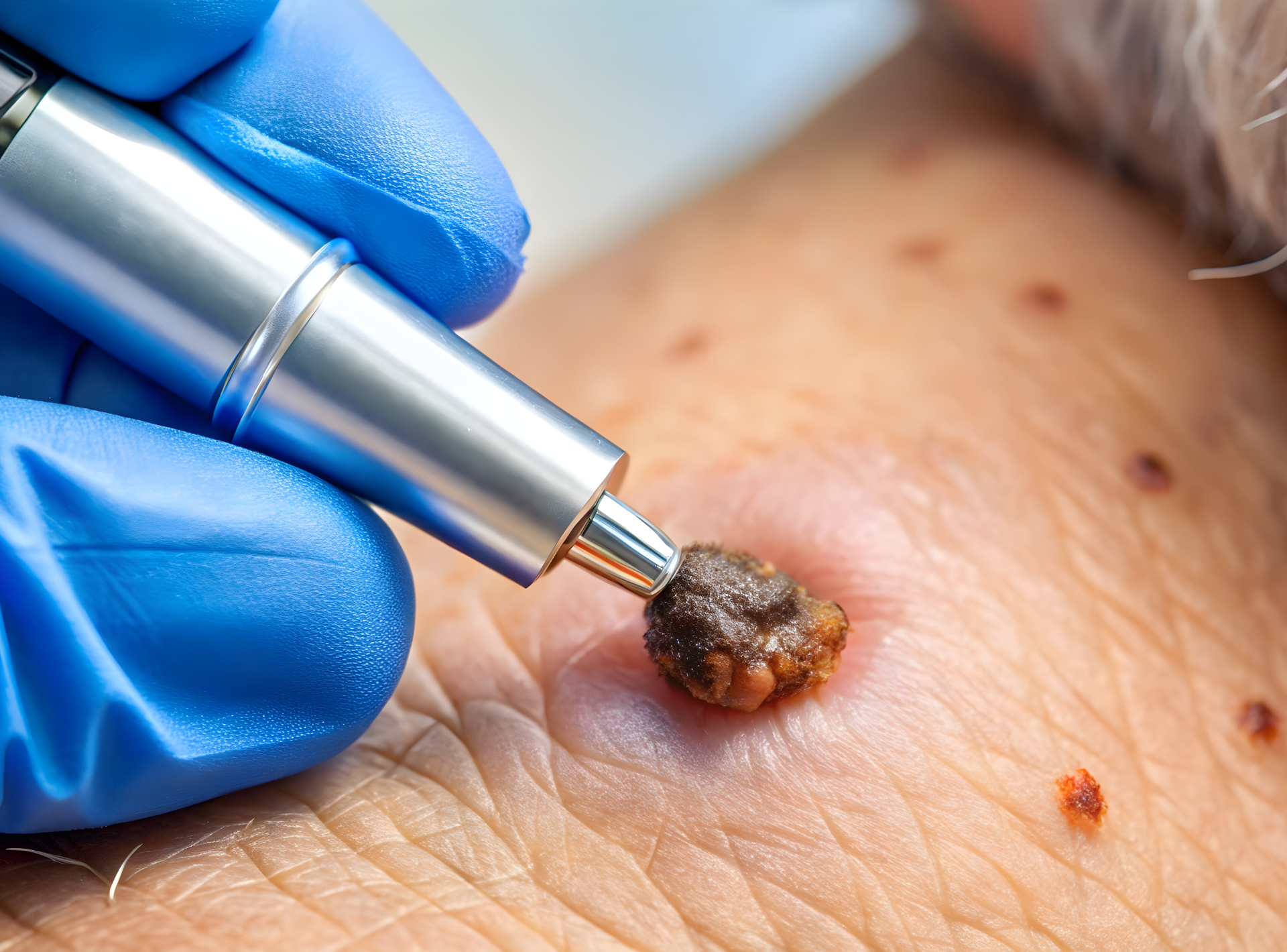
James wanted to get rid of the mole on his back that looked suspicious because he was mostly worried about skin cancer. He didn’t think about the possible risks that came with the removal procedure itself. James said, “My doctor talked about some possible problems, but I was so focused on getting rid of the mole that I barely heard what she said.”
Like James, a lot of people who are having moles removed only think about the good things and not the bad things that could happen. Mole removal is usually thought to be a safe and normal procedure, but it’s important to know about the possible problems and how to avoid them in order to make smart choices about your skin health.
This complete guide will help you understand whether you want to remove a mole for cosmetic reasons or because of health concerns:
- The most common risks that come with different ways to remove moles
- Things that could make your risk of complications higher
- Expert tips for lowering these risks before, during, and after the procedure
- When problems need medical attention
- How to pick the right doctor to lower risks
Mole Removal In Dubai
Mole Removal in Dubai is a safe and common procedure when performed by qualified professionals. While risks such as infection, scarring, or pigmentation changes exist, proper aftercare and expert techniques significantly reduce complications, ensuring smooth healing and effective, natural-looking results for the majority of patients.
Common Mole Removal Risks And Complications
Infection: The Primary Concern
Infection is one of the most common risks of mole removal. If the skin’s protective barrier is broken, bacteria can get in, which could cause an infection at the site of removal.
Signs of an infection are:
- Redness that gets worse and spreads beyond the wound area
- Strange warmth around the area where the removal took place
- Swelling that gets worse after three days
- Pus or cloudy fluid coming out of the wound
- Pain getting worse instead of getting better slowly
- Chills or a fever
- Red lines that go out from the wound site
Dr. Perfect Celebrity at Perfect Doctors Clinic says, “The risk of infection after mole removal is pretty low—about 1–3% in healthy people—but it’s still the complication we watch the most closely because early treatment makes a big difference in how well things go.”
Risk Factors For Infection
There are some things that can make you more likely to get an infection after having a mole removed:
- Diabetes or a weak immune system
- Not enough blood flow to the area
- Removal sites in places where bacteria are likely to grow, such as the groin or armpit
- Not following the aftercare instructions
- Touching the wound with dirty hands
- Swimming or soaking in water while healing
Scarring: An Inevitable Outcome
Some scarring will happen no matter what method you use to remove a mole. But the size, shape, and permanence of scars can change a lot depending on a number of things.
Fatima, a 33-year-old teacher who had a mole taken off her face, talked about what happened: “I was so scared that my mole would turn into a scar. My surgeon was honest with me about the scarring that would happen, but he also told me how to use the right technique and care afterward to make it less noticeable. The scar is hardly visible seven months later, which is much less obvious than the mole was.
Types Of Scars That Can Develop
After mole removal, different kinds of scarring can happen:
- Flat, thin scars: These are the best outcome because they fade over time and are hard to see.
- Widened scars: happen when the healing tissue is stretched by tension on the wound
- Hypertrophic scars: Red, raised scars that stay inside the original wound’s edges
- Keloid scars Overgrown scar tissue that extends beyond the original wound boundaries
- Hyperpigmented scars: Dark spots that may be more noticeable on darker skin tones
- Hypopigmented scars: Lighter patches where pigment production is diminished
Risk Factors For Problematic Scarring
Some things make it more likely that you will get more noticeable scars:
- A genetic tendency to develop keloids
- Put it on high-tension areas like the chest, shoulders, or joints.
- Infection or inflammation of a wound
- Bigger or deeper removals
- Younger age (kids and teens tend to get bigger scars)
- Darker skin tones are more likely to get keloids and changes in pigmentation.
Bleeding And Hematoma Formation
Bleeding that is controlled during the procedure is normal, but bleeding that is too much or that lasts long after the procedure is a possible complication.
When blood vessels keep bleeding after a wound has closed, a hematoma can form. This is a collection of blood that pools under the skin. This looks like a raised, bruised spot that may feel hard or soft when you touch it.
Risk Factors For Bleeding Complications
- Taking blood-thinning drugs, like aspirin and some supplements
- Drinking alcohol before or right after the procedure
- A lot of pressure in the blood
- Doing a lot of physical activity soon after the procedure
- Removing moles from areas with a lot of blood vessels, like the face or scalp
Nerve Damage: A Less Common Concern
Even though it’s not common with surface-level procedures, nerve damage can happen when removing a mole, especially if the mole is near important nerve structures or if deeper tissues are involved.
Some possible nerve-related problems are:
- Numbness that lasts for a short time or forever around the treatment area
- Feelings of tingling or burning
- Increased sensitivity to touch
- In rare cases, motor impairment occurs if larger nerves are affected.
Michael had a big mole taken off behind his ear, and for a short time, he couldn’t feel anything: “I couldn’t feel anything in a small area behind my ear for about three months after the procedure.” My doctor had warned me this could happen, but luckily, the feeling came back slowly but surely.
Incomplete Removal And Recurrence
One of the most annoying risks of mole removal is not getting rid of the mole completely, which can cause it to come back. This happens a lot with some kinds of moles that have parts that are deeper than what you can see on the surface.
Signs of not completely removing something include:
- Re-growth or darkening at the site of removal
- Pigmentation that doesn’t go away or comes back
- Changes in texture that are not normal during healing
Risk Factors For Incomplete Removal
- Some types of moles, like congenital or atypical nevi,
- Shaving techniques for moles with deeper parts
- Providers with less experience
- Difficult places that make it hard to see everything
- Quick procedures without properly checking the margins
Allergic Reactions
You can have an allergic reaction to:
- Local anesthetics used during the operation
- Bandages and tapes with glue
- Topical antibiotics or ointments used for aftercare
- Materials for sutures
Reactions can be mild, like redness and itching, or more serious, like swelling, blistering, or, in rare cases, anaphylaxis.
Technique-Specific Mole Removal Risks
Different ways to remove moles have different levels of risk. Knowing these things can help you make smart choices with your doctor.
Surgical Excision Risks
Surgical excision, which involves cutting out the mole and sewing up the wound, completely removes the mole but has some risks:
- More scarring because stitches are needed
- There is a higher risk of bleeding because deeper blood vessels may be involved.
- Bigger wounds are more likely to get infected.
- Suture problems like irritation or “spitting,” which is when the body pushes suture material to the surface
- More time to recover
Shave Removal Risks
Shaving off the mole so that it is level with the skin surface is less invasive, but it comes with its own set of risks:
- Not completely removing it, which could happen again
- Texture changes may be less pronounced in the area where the removal occurred.
- Changes in the color of the treated area
- Scarring that is less predictable
Punch Biopsy Risks
Punch biopsy removal, which uses a round tool to take off a small cylinder of skin, is a mix of the two methods:
- Formation of unique circular scars
- Possible depressed scarring if not closed properly
- Limited size capability (usually 8mm or less)
Laser Removal Risks
There are some risks that come with laser treatment for some types of moles:
- Hard to make sure everything is gone
- Higher rate of recurrence
- Not being able to look at the whole mole pathologically
- Possibility of burns or changes in skin color
- You may need more than one session.
Factors That Increase Your Risk Of Complications
Knowing what your personal risk factors are can help you and your doctor take the right steps before, during, and after mole removal.
Medical Conditions That Elevate Risk
Some health problems can greatly raise the chances of mole removal risks:
- Diabetes: Slows down healing and raises the risk of infections
- Immunosuppression: When medications or conditions make the immune system weaker
- Bleeding disorders: Raise the risk of forming a hematoma
- Keloid tendency: A genetic tendency to make too much scar tissue
- Connective tissue disorders: Can change how well and how long wounds heal
- Poor circulation: Makes it harder for healing nutrients and immune cells to get to where they need to go.
Lifestyle Factors
Your daily habits can affect how well your body heals after mole removal:
- Smoking: Significantly impairs wound healing by reducing oxygen delivery to tissues.
- Poor nutrition: Makes it harder to get proteins and vitamins that are important for fixing tissues.
- Sun exposure: Can make scars and changes in skin color worse.
- Alcohol consumption: Drinking alcohol can make bleeding worse and slow down healing.
- Stress: Long-term stress makes the immune system and wound healing less effective.
Medication Considerations
Some medicines and supplements can make mole removal more dangerous in certain ways:
- Blood thinners, like aspirin, warfarin, and some herbal supplements
- Corticosteroids (can slow down healing and make infections more likely)
- Immunosuppressants
- Some chemotherapy drugs
- Some acne treatments, such as isotretinoin,
Expert Strategies To Minimize Mole Removal Risks
Before Your Procedure: Proactive Risk Reduction
Before having your mole removed, you can greatly lower your risk of problems by doing the following:
Comprehensive Provider Evaluation
- Tell the doctor everything about your medical history and all the medicines and supplements you take.
- Talk about any bad reactions you’ve had to medical procedures in the past.
- Talk about any tendency to get scars that aren’t normal.
- Go over what you expect from both the procedure and the cosmetic result.
Medication Adjustments
With your healthcare provider, do the following:
- Stop taking blood thinners for a short time when it’s safe to do so (only with a doctor’s permission)
- If you can, change the doses of immunosuppressive drugs.
- If you are currently taking medications that make healing much harder, you might want to think about putting off the procedure.
Lifestyle Preparations
- Stop smoking at least two weeks before your procedure (and ideally while you’re healing).
- Eat more foods high in protein and vitamin C to improve your nutrition.
- Don’t drink alcohol for at least two days before the procedure.
- If you have diabetes, make sure your blood sugar is under control.
Ayesha, who is 46 years old and has a history of keloid formation, said, “I told my surgeon right away that I tend to get raised scars.” He changed his method by using a different way to close the wound and putting me on silicone sheets right after it healed. “The results were much better than what I had seen before.”
During Your Procedure: Provider Techniques That Matter
The way your provider does things can have a big effect on how likely you are to have problems:
Provider Expertise
Pick a provider who:
- Focuses on dermatologic procedures
- Regularly removes moles
- Is board-certified in dermatology, plastic surgery, or another field that is related
- Has worked with moles like yours in the same place before
Sterile Technique
Infection control that works includes:
- Careful cleaning of the skin with antiseptic solutions
- Instruments and gloves that are sterile
- Draping correctly to keep the field clean
- Little damage to the tissue during the procedure
Appropriate Technique Selection
The best way to do things in your case:
- Total removal of suspicious moles that need to be looked at by a pathologist
- Specialized methods for areas of the body that are sensitive to cosmetics, like the face
- Think about how likely you are to get scars when you choose your approach.
- The right depth for the mole’s features
Meticulous Wound Closure
For procedures that need to be closed:
- Wound edges that aren’t tense
- Layered closure for wounds that are deeper
- Choosing the right suture based on where it is
- Aligning the edges exactly to encourage the best scarring
BOOK AN APPOINTMENT TODAY
After Your Procedure: Critical Aftercare To Reduce Complications
After your procedure, these aftercare tips are very important for lowering the risks of mole removal:
Infection Prevention
- Follow your provider’s specific instructions to keep the wound clean.
- Use clean hands to change bandages as directed.
- Stay away from pools, hot tubs, and bodies of water that are not man-made.
- Use antibiotic ointment only if you are told to do so.
- Keep pets out of the area where you are healing.
Optimal Wound Healing Environment
- Use petroleum jelly or prescribed ointments to keep the healing area moist.
- Don’t pick at scabs or take off bandages too soon.
- Keep out of the sun for at least 7 to 14 months.
- To keep the wound from getting too tight, follow the activity limits.
Scar Minimization
After the wound has completely healed:
- Follow the directions for using silicone-based scar products.
- Gently massage the area that has healed.
- Think about using pressure therapy on areas that are likely to get raised scars.
- Use sunscreen diligently on the healed area
Prompt Complication Recognition
- Be aware of the signs of infection and other problems.
- Give your provider a way to get in touch with you directly if you have any questions.
- Go to all of your follow-up appointments as planned.
- If something seems wrong, don’t be afraid to get checked out.
Dr. Perfect Celebrity of Perfect Doctors Clinic says, “A lot of the most serious problems we see could have been avoided if patients had recognized the warning signs and gotten help sooner.” We would rather check on a healing problem and find that it’s normal than miss an early infection or other problem.
When Complications Require Medical Attention
Knowing when to ask for help can stop small problems from turning into big ones:
Seek Immediate Medical Care If:
- Bleeding that doesn’t stop after 20 minutes of direct pressure
- Signs of a serious allergic reaction are trouble breathing, a lot of swelling, or hives.
- Redness that spreads quickly or red streaks that go out from the wound
- Discharge that smells bad or has pus in it
- Fever above 100.5°F (39°C) linked to changes in the wound
- Extreme pain that doesn’t go away with the recommended pain management
Schedule A Prompt Follow-Up For:
- Edges of a wound that come apart after being closed
- Redness that lasts longer than a week
- Strange firmness or swelling around the wound
- Signs of scarring that isn’t normal
- Numbness or tingling that doesn’t go away
- Any signs that worry you
Choosing The Right Professional To Minimize Mole Removal Risks
Choosing the right healthcare provider for your mole removal procedure is one of the best ways to lower the risks.
Specialist Types And Their Expertise
Different specialists have different skills when it comes to removing moles:
Dermatologists: Dermatologists are skin condition experts who have had a lot of training in different ways to remove moles.
Plastic Surgeons: Plastic surgeons are experts at reducing scarring and getting the best cosmetic results.
Dermatologic Surgeons: Doctors who have been trained to do surgery on skin problems
Mohs surgeons: Experts in methods that keep as much healthy tissue as possible (usually for skin cancers).
General Practitioners: Might be able to do simple removals but doesn’t have as much specialized training
Essential Questions To Ask Potential Providers
Before you make an appointment for your procedure, ask:
- How many of these kinds of procedures do you do each month or year?
- What method do you think would work best for my mole and why?
- What do you do with tissue that might have cancer?
- What problems have you had in similar situations, and how did you deal with them?
- How do you plan to keep scarring to a minimum in this area?
- Are you going to do the procedure yourself or have someone else do it?
Red Flags When Choosing A Provider
Be careful of providers who:
- Act like your worries about risks or scarring aren’t important
- Can’t clearly explain their reasoning or how they got there
- Don’t want to talk about possible problems
- Assure perfect results or no scarring
- Act like they’re in a hurry or don’t want to answer questions
- Don’t have any pictures of similar procedures before and after
- Don’t have a set way to deal with emergencies
Special Considerations For High-Risk Mole Removals
When mole removal is more dangerous, it should be given special attention:
Facial Mole Removal Risks
The face is hard to work with because of:
- A lot of scarring is easy to see.
- Complicated underlying anatomy that includes important nerves and blood vessels
- Differences in skin thickness on different parts of the face
- More cosmetic effects of any problems
For facial moles, consider:
- Looking for experts who know how to do certain facial procedures
- Talking about different techniques and the risks that come with each one
- More cautious methods, especially around important areas like the lips or eyes
- Early use of advanced scar management strategies
Large Or Unusual Mole Removal
Larger moles (more than 2 cm) or moles with unusual features are more difficult to deal with:
- Larger wounds need more complicated closure.
- Higher chance of bleeding because the area affected is bigger
- Certain removal methods have a higher risk of recurrence.
- Reconstruction that is more complicated may be necessary.
Multiple Mole Removal Sessions
When taking off more than one mole:
- Think about doing procedures in stages so that you have time to heal between them.
- Put suspicious moles at the top of your list.
- Make a full plan to take care of all the lesions.
- Find a balance between taking out too many at once and needing more than one procedure.
Mole Removal For Patients With Known Risk Factors
If you have health problems that make you more likely to get sick:
- If your immune system is weak, you might want to think about taking antibiotics as a preventative measure.
- If you are prone to keloids, start using advanced scar management right away.
- You may need to have follow-up appointments more often.
- Modified techniques may be necessary to fit your risk factors.
Real Patient Experiences With Mole Removal Complications
You can spot possible risks early and take the right steps for better results by learning from what others have been through.
Aisha’s Story: Getting an Infection After Having a Mole Removed
Aisha, 36, had a mole taken off her upper back. She said, “I couldn’t see the area well, so I didn’t notice anything was wrong until I got a fever a few days later.” My doctor said I had an infection and gave me antibiotics. They worked, but the scar was more noticeable than I thought it would be. “I should have asked someone to check the wound every day because I couldn’t see it.”
Omar’s Story: Scarring That Wasn’t Expected
Omar, 44, was worried about how he was healing: “The mole on my chest was taken off without a hitch, but over time, the scar got bigger and darker. My dermatologist told me that this happens more often in the chest area because of movement and skin tension. I started using silicone sheets, which made things look better, but I wish I had known about this risk sooner.
Fatima’s Success Story: Taking Risks Before They Happen
Fatima, 50, was worried because she had diabetes: “Before I had a mole removed from my face, I worked with my doctor to keep my blood sugar levels stable.” My dermatologist was very careful and gave me clear instructions on how to take care of myself after the procedure. The healing process went very well, and the results were better than I thought they would be. “Being ready really made a difference.”
Perfect Doctors Clinic Approach To Minimizing Mole Removal Risks
At Perfect Doctors Clinic in Dubai, one of the most important things we do is reduce the risks of mole removal. Our all-around approach includes:
- A full assessment before the procedure to find each person’s risk factors
- Customized planning of procedures based on the patient’s mole and other factors
- Board-certified plastic surgeons who have received extra training to reduce scarring
- A state-of-the-art facility built to ensure maximum safety and cleanliness
- Advanced ways to close wounds that are made for each case
- Complete instructions for aftercare and access to clinical support full-time, 8 days a week
- Scheduled follow-ups to check on healing and deal with problems early
- Specialized scar management protocols put into place at the best time
Our surgeons think that careful planning, precise technique, and close follow-up care can help avoid most serious problems. We work with our patients to make sure they have the information and help they need to get the best results.
Advantages Of Mole Removal You Should Know
The benefits of mole removal include a better appearance, increased confidence, and the ability to detect potential skin problems early. It can also prevent rubbing or injury-related irritation. When carried out professionally, the procedure is safe, quick, and produces smooth, natural-looking results.
Why Mole Removal Is The Best Solution
Mole removal is an effective way to improve skin appearance and address suspicious or bothersome moles. It reduces irritation, boosts confidence, and enables the early detection of potential skin issues. When done professionally, it produces safe results with little risk or downtime.
How Mole Removal Restores Confidence And Appearance
Mole removal can significantly improve appearance by making skin smoother and clearer. Eliminating noticeable or unwanted moles can boost self-confidence and comfort in social situations. With proper care and professional treatment, the results appear natural, allowing people to feel more confident about their overall appearance.
Frequently Asked Questions About Mole Removal Risks
Is Mole Removal Generally Considered Safe?
Yes, mole removal is usually thought to be a safe and normal procedure when done by trained medical professionals. However, like any medical procedure, it carries certain risks that one should be aware of and discuss before proceeding.
Which Mole Removal Technique Has The Lowest Risk Of Scarring?
The method that causes the least scarring depends on the mole’s size and shape. For some shallow moles, using lasers or shaving may leave little to no scarring. For other moles, however, surgical excision with the right closure techniques may give better cosmetic results in the long run. Your doctor should suggest the best method for your situation.
How Can I Tell If My Mole Needs To Be Removed?
Moles should be looked at for removal if they look like they might be skin cancer (asymmetry, border irregularity, color changes, diameter larger than 7mm, or evolution/changes), if they often get irritated because of where they are, or if they make you very self-conscious. A dermatologist or plastic surgeon can help you decide if you should have the mole removed.
What’s The Recovery Time After Mole Removal?
The time it takes to heal depends on the method used to remove the mole, its size and location, and the person’s own healing factors. In general, the first healing takes 1 to 3 weeks, but it can take 7 to 14 months for the scar to fully mature. Your provider will tell you what to expect based on the procedure you are having.
Will My Insurance Cover Mole Removal?
Insurance usually pays for mole removal when it’s medically necessary (when there are suspicious signs or symptoms). Usually, removal for cosmetic reasons is not covered. Talk to your insurance company about your specific coverage and any requirements for pre-authorization.
MEET THE EXPERT DOCTOR
Best Aesthetic Clinic In Dubai For Mole Removal
Best Aesthetic Clinic in Dubai for mole removal is Perfect Doctors Clinic, where Dr. Perfect Celebrity provides safe and precise treatments. Using advanced techniques and personalized care, the clinic reduces risks such as infection and scarring, resulting in smooth healing and natural-looking results for each patient.
Conclusion: Balancing Risks And Benefits Of Mole Removal
Knowing the risks of mole removal helps you make smart choices and take steps to avoid problems that could happen. There is always some risk involved in any procedure, but most mole removals done by trained professionals go smoothly and have few problems.
When you are thinking about whether or not to have a mole removed, think about:
- The reason for the removal (medical necessity vs. cosmetic preference)
- Your own risk factors for problems
- The particular hazards linked to the position and traits of your mole
- How well you can follow aftercare instructions
- The qualifications and experience of the provider you choose
Most patients get good results with few problems if they plan ahead, use the right technique, and take care of themselves after the procedure. You greatly increase your chances of a good outcome by being an informed and involved participant in your care.
If you want personalized advice about your mole removal concerns, you might want to make an appointment with a board-certified specialist who can look at your situation and give you specific recommendations.