





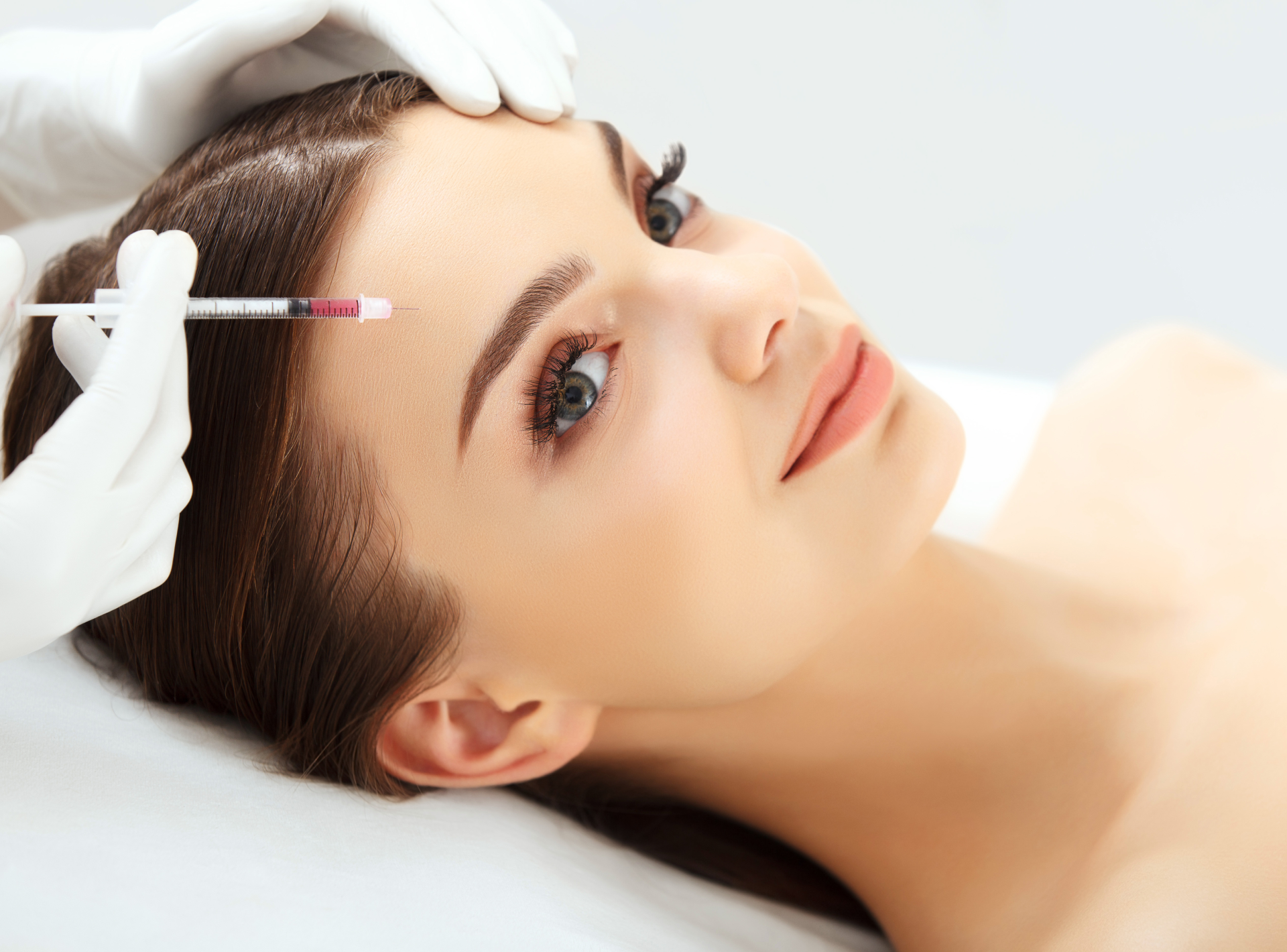
Botox injections and dermal fillers are two of the most popular cosmetic treatments in the world for getting younger, healthier skin. Botox is a well-known brand of botulinum neurotoxins that are used in beauty treatments. These minimally invasive procedures promise to reduce facial wrinkles, improve facial features, and bring back lost volume with little to no downtime. Botox and fillers may seem like quick and easy fixes, but they come with risks.
If not given correctly or if a person is allergic, has a pre-existing health condition, or has a bad reaction, the effects can range from common side effects to serious ones that last a long time. Only licensed professionals who know how to safely give botulinum toxin injections should do so.
Botox In Dubai
Botox in Dubai is a popular non-surgical treatment that reduces fine lines and wrinkles, resulting in a smoother and more youthful appearance. When performed by qualified professionals, it is generally safe and low-risk. Proper consultation and expert technique lead to natural-looking results and high patient satisfaction.
Fillers In Dubai
Fillers in Dubai are widely used to restore facial volume, contours, and smooth wrinkles for a more youthful appearance. When performed by experienced professionals, they are generally safe and require minimal downtime. Proper technique and consultation help to achieve natural-looking results while minimizing potential risks and complications.
What Are Botox And Fillers?
Before talking about the risks, it’s important to know what Botox and dermal fillers are and how they work. Those who have had an allergic reaction to any botulinum toxin product, like Myobloc or Dysport, should avoid Botox.
Botox And Botulinum Toxin Injections
Botox (Botulinum toxin) is a neurotoxin that comes from Clostridium botulinum and is similar to tetanus toxin. It temporarily paralyzes the muscles that are injected by blocking neurotransmitters that are released at the nerve terminals, which stops them from contracting and making lines and wrinkles on the face. It is most commonly used to treat frown lines, crow’s feet, and forehead muscles. Botox is also used for medical reasons, like getting rid of migraines.
Botulinum toxin injections are also used to treat several problems, including chronic migraines, overactive bladder, urinary incontinence, neck spasms, and cerebral palsy. The FDA has approved these injections for these uses. Botox can also help with TMJ, which is a condition that causes pain and tension in the jaw. These injections work well for a number of conditions that cause muscles to move without your control and dynamic wrinkles. Other uses include treating Lambert-Eaton syndrome and some nerve conditions. Xeomin and Dysport are two alternatives with brand names.
How Botox Works: Understanding The Science Behind Botox
Botulinum toxin is a neurotoxin protein that comes from the bacterium Clostridium botulinum. It works by stopping nerve signals that make muscles contract for a short time. Botox stops the release of acetylcholine, a chemical messenger, by binding to nerve endings in a muscle. This stops the signal that tells the muscle to contract, which makes the muscle relax.
There are a few steps involved in how Botox works:
- Binding: Botox binds to the nerve endings, specifically to the presynaptic terminals.
- Internalization: The Botox molecule gets inside the nerve terminal.
- Cleavage: The Botox molecule is split into two parts: a heavy chain and a light chain.
- Inhibition: The light chain fragment stops the release of acetylcholine, which stops muscles from contracting.
You can better understand how Botox works to reduce wrinkles on the face and treat a number of medical conditions if you know how it works.
Dermal Fillers And Hyaluronic Acid
Dermal fillers are substances that are injected into the skin to add volume, smooth out wrinkles on the face, and improve the shape of the face. Fillers work by making the skin look fuller, while Botox affects muscle movement.
Here are some of the most common kinds of fillers:
- Hyaluronic Acid (HA) Fillers: Juvederm and Restylane are two well-known brands. These HA fillers make the skin fuller and more hydrated.
- Calcium Hydroxylapatite (CaHA) Fillers: Radiesse and other brands use this to boost collagen production.
- Poly-L-lactic Acid Fillers: These fillers, like Sculptra, also boost collagen production and last for a long time.
- Permanent Fillers: Some fillers, like silicone injections, give results that last forever, but they are riskier.
These treatments have become very popular, but it’s important to remember that they could be dangerous.
The Risks Of Botox
1. Bruising And Swelling
It’s common to have mild bruising, pain, and swelling at the injection site, and these side effects usually go away on their own. But in some cases, too many bruises can happen, especially if the person is taking over-the-counter blood thinners or has a history of getting bruises easily.
2. Droopy Eyelids (Ptosis)
Botox can cause eyelids or eyebrows to droop if it spreads to other facial muscles. Depending on how quickly the body breaks down the toxin, this side effect can last for weeks or even months. Patients with more serious cases may have problems with their vision, such as blurry vision or seeing things twice. Some patients may also have trouble raising their eyebrows as a possible side effect.
3. Asymmetry
Botox injections can cause facial asymmetry if they are not given evenly or in the right place. This means that one side of the face looks different from the other. This is especially true for the eyebrows and lips.
4. Headaches and Flu-like Symptoms
After getting Botox, some people get headaches, nausea, and other flu-like symptoms. These side effects usually only last a few days to a week, but they can be uncomfortable.
5. Allergic Reactions
Some people can have an allergic reaction to Botox, but this is very rare. Some signs may be itching, a rash, swelling, or trouble breathing. Before your procedure, tell your doctor if you have ever had an allergy to a drug or ingredient. If any of these happen, you need to see a doctor right away.
6. Difficulty Swallowing or Breathing
In very rare cases, Botox can cause symptoms similar to botulism, which can spread beyond the injection site and affect the muscles, making it hard to swallow, breathe, and speak clearly. When Botox is given in higher doses or in sensitive areas like the neck, this is more likely to happen.
7. Resistance to Botox Over Time
Some people become resistant to Botox after getting it several times because their bodies make antibodies that make the botulinum toxin less effective. This means that they might not get the same results as before or that they will need to take more of the drug to get the desired effect.
The Risks Of Dermal Fillers
1. Swelling and Bruising
Fillers can cause common side effects like swelling and bruising at the injection site, just like Botox. This is especially true with HA filler. This usually goes away in a few days, but it can be worse in some cases.
2. Lumps and Nodules
If you don’t know how to inject correctly or use certain fillers, you might get lumps, bumps, or nodules under your skin. Hyaluronidase can sometimes dissolve these (for hyaluronic acid fillers), but if they don’t go away, you may need more treatment.
3. Infection
There is a risk of skin infection or, in rare cases, a deeper tract infection if proper hygiene is not maintained during the procedure because fillers are injected directly into the skin. Redness, warmth, pain, and pus at the injection site are all signs of an infection. These problems might need antibiotics to go away.
4. Vascular Occlusion (Blocked Blood Vessels)
One of the most dangerous things that can happen with fillers is vascular occlusion, which happens when filler is accidentally injected into a blood vessel. This can stop blood flow, which can cause skin necrosis (death of tissue), blindness, or a stroke. Symptoms include severe pain, white or blue skin discoloration, and swelling right away. This is a dangerous complication that needs to be treated right away.
5. Overfilling and Overuse
The “pillow face” or “duck lips” effect happens when there is too much filler in the face, which can make it look unnatural or distorted. When you use too many fillers, your face can lose its natural expressions and look out of proportion.
6. Migration of Filler
Filler can sometimes migrate to other parts of the face, making it look uneven or puffy. It may be hard to fix this without more treatments.
7. Granulomas and Immune Reactions
Granulomas are an immune response that can happen in some people. They are lumps that form in response to the filler material. These lumps, or granulomas, can show up months or even years after the injection and may need to be treated with corticosteroids or surgery to get rid of them.
8. Allergic Reactions
Some people may have allergic reactions to certain filler ingredients, which can cause swelling, redness, itching, and skin irritation. This is not common, though.
BOOK AN APPOINTMENT TODAY
How To Minimize The Risks
If you’re thinking about getting Botox or fillers, there are things you can do to lower the risk of problems:
- Choose a Qualified Injector: Always go to a licensed and experienced professional, like a board-certified plastic surgeon or dermatologist. Don’t go to unqualified doctors who offer cheap treatments.
- Do Your Research: Before getting the treatment, find out what the product is, what it is made of, and what the risks are.
- Ask About Emergency Protocols: A qualified injector should know how to deal with problems like vascular occlusion and have the right tools on hand to do so right away.
- Avoid Blood Thinners Before Treatment: Don’t take blood thinners before your treatment. If you can, don’t take aspirin, ibuprofen, or other blood-thinning drugs for a few days before your appointment to reduce bruising.
- Follow Post-Treatment Care Instructions: Following the aftercare instructions, like not touching the treated area and not doing anything too hard, can help keep problems from happening.
Who Should Avoid Botox And Fillers?
Not everyone can use Botox and fillers. Some people should not get these treatments, such as:
- Women who are pregnant or nursing
- People who have certain health problems, like myasthenia gravis, Lou Gehrig’s disease, or Lambert-Eaton syndrome
- People who have had allergic reactions to botulinum toxin or other Botox ingredients in the past
- People who have skin infections or other conditions that could affect the injection site
- People who take certain drugs, like blood thinners or muscle relaxants
You should talk to a qualified healthcare professional to find out if Botox or fillers are right for you. They will look at your medical history and needs to make sure that the treatment is safe and works. You can make a safer choice by knowing who shouldn’t get these treatments.
Managing Complications And Serious Adverse Effects
If you notice strange symptoms after getting Botox or fillers, you should act right away:
- Contact Your Healthcare Provider Immediately: Seek care for signs like breathing problems, decreased eyesight, neck pain, or severe swelling.
- Know the Reversal Options: Hyaluronidase can often dissolve HA fillers. You can’t go back on poly-L-lactic or permanent fillers.
- Ask About Emergency Protocols: Your provider should know how to handle serious side effects and other problems. It is very important to follow the U.S.
- Document the Reaction: Administration (FDA) rules when keeping an eye on the safety and effectiveness of Botox treatments.
- Review Medical History Before Treatment: Take pictures and write down any symptoms to help with evaluation or follow-up care. Before getting Botox, tell your doctor about any medical conditions that could affect its safety, such as nervous system disorders or a history of Lou Gehrig’s disease. Also, tell your doctor if you are pregnant, nursing (because it hasn’t been studied how botox gets into breast milk), or taking any prescription drugs or muscle relaxants. People who have had bad reactions to other botulinum toxin products, like Myobloc, Dysport, or Xeomin, should not get Botox injections.
Making An Informed Choice About Botox And Filler Risks
When done right, Botox and fillers can make you look better, but they also come with some risks. Before you decide to get treatment, you should know about the possible side effects, which can range from mild ones like bruising to serious ones like vascular occlusion and nerve damage. You can lower the risks and make a safer, more informed choice by hiring a qualified professional, doing your homework, and knowing your own health history.
Advantages Of Botox And Fillers You Should Know
Advantages of Botox and fillers include improved facial volume, reduced wrinkles, and smoother skin, all of which contribute to a more youthful appearance. They provide minimal downtime and rapid, non-surgical outcomes. Additionally, these procedures may enhance facial harmony and increase self-assurance. They are generally safe and effective aesthetic solutions when executed by qualified professionals.
Why Botox And Fillers Is The Best Solution
Botox and fillers are regarded as one of the most effective solutions for facial rejuvenation due to their ability to effectively reduce wrinkles, regenerate lost volume, and enhance natural features without the need for surgery. They deliver rapid, noticeable outcomes with minimal downtime. They provide safe, customizable, and long-lasting enhancements in confidence and appearance when executed by professionals.
How Botox And Fillers Restores Confidence And Appearance
By reducing wrinkles, smoothing fine lines, and increasing facial volume, Botox and fillers can help restore confidence and a more youthful appearance. These treatments enhance facial harmony and revitalize the overall expression. They assist individuals in experiencing increased confidence, attractiveness, and comfort in both professional and social environments by providing subtle, natural-looking results.
Frequently Asked Questions
Is Botox Damaging Long-Term?
Botox is not thought to be harmful in the long term, even after 11 or 21 years, if it is given correctly. However, using it too much or in the wrong way can cause muscle weakness or resistance in rare cases.
What Happens When You Stop Using Botox?
If you stop using Botox, the muscles that were treated will slowly start to move again, and over the course of several months, lines and wrinkles may slowly return to how they looked before.
What Is The Best Alternative To Botox?
Xeomin® is a popular alternative to Botox. It is a purified botulinum treatment that works like Botox to reduce wrinkles without adding any proteins.
What Age Can You Start Getting Botox?
People usually start getting Botox in their 40s or 50s when they can see expression lines, but it is safe to start in the mid- to late 30s for preventative use.
Are Fillers More Risky Than Botox?
Fillers generally have a slightly higher risk profile than Botox because they can cause problems like vascular occlusion, but both are safe.
MEET THE EXPERT DOCTOR
Best Aesthetic Clinic In Dubai For Botox And Fillers
Best Aesthetic Clinic in Dubai for botox and fillers is Perfect Doctors Clinic, where Dr. Perfect Celebrity provides expert, personalized care. The clinic prioritizes safety, natural results, and patient satisfaction, reducing wrinkles, improving facial features, and restoring youthful confidence with minimal downtime.