





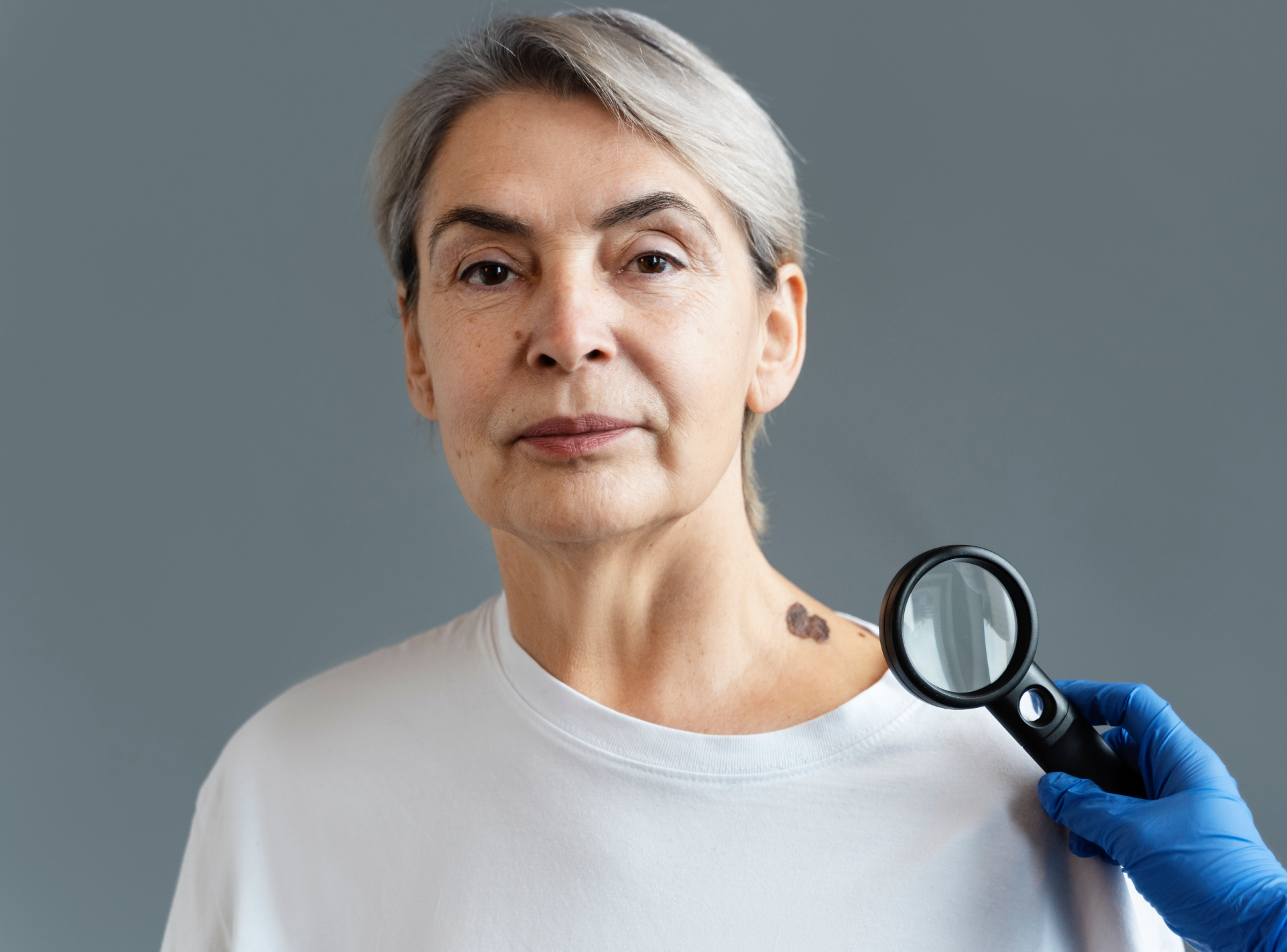
Engaging in unusual lifestyles and habits, whether on purpose or accidentally, can lead to health risks that have long-lasting effects on physical and skin issues. However, with the aid of neoteric technology, research, and its influence on medical and cosmetic procedures, modern humans can endure, confront, and treat certain circumstances without worrying about them. While simply stuck in How To Prepare For Skin Lesion Removal In Dubai, Abu Dhabi & Jumeirah, the person with any dermal hazard doesn’t have to hesitate. The plans of action are structured according to each person’s unique health situation.
Skin Lesion Removal In Dubai
Skin Lesion Removal in Dubai is a medical or cosmetic procedure to eliminate abnormal growths, spots, or marks on the skin, such as moles, warts, or cysts. It helps improve skin appearance, prevents potential complications, and is often done using methods like excision, laser, or cryotherapy under professional supervision.
What Is A Skin Lesion?
The word “skin lesion” itself encompasses a wide range of skin problems brought on by illnesses, viruses, trauma, or any other particular skin or health situation. In actuality, some of them are permanent, while others can be taken off temporarily or permanently. Regardless, the patient must strictly adhere to the precautionary pattern before, during, and after treatment in accordance with the prescribed regimen.
What Are The Expected Precautionary Measures For Reaching Out For Treatment?
Diagnose:
The patient undergoes a physical examination, which includes the following steps, in order to prepare for the treatment.
- A blood test
- Test for allergies
- X-ray imaging test
- Microbiological test
- Biopsy
Precautionary Measure:
The patient only needs to take the most basic precautions in order to get ready for the laser treatment.
- First and foremost, the person should shield their skin from the sun and sunlight.
- Aside from that, patients are advised to avoid smoking and drinking alcohol when it comes to their diet.
- Additionally, remove a portion of the skin lesion while making sure it is completely clean.
- Additionally, the person should generally maintain proper hydration.
- Additionally, it is advised that people avoid wearing clothing that is too tight and comes into direct contact with the afflicted area of their bodies.
What Happens During The Treatment?
The patient is anticipated to experience some of the general steps during the treatment after completing a pre-session with the specialist.
- First, anesthesia is administered based on the patient’s requirements.
- The dermal layer is then exposed directly to the laser light beam in order to continue with the non-invasive procedure.
Aim Of Treatment:
Removing the dermal problem while healing and regaining a naturalistic appearance is the main goal of the treatment. Even though the treatment’s effectiveness depends on the patient’s health and skin condition, precautions are taken to safeguard the treated area of the body as well as any nearby areas, and any additional inflammation or other potential risks are avoided. Moreover, medical or topical application is recommended to alleviate the dermal obstacle encountered; however, patients may also undergo cosmetic, invasive, injectable, surgical, non-invasive, and non-surgical procedures.
BOOK AN APPOINTMENT TODAY
Who Is An Ideal Candidate To Sign Up For Treatment?
Actually, anyone who has been dealing with any kind of skin condition, such as acne, actinic keratosis, shingles, chicken pox, dermal infection, etc., can enroll in the treatment. At the same time, putting aside the problem’s history and severity.
Benefits To Look For:
Given the implications of novel ideas for the removal of skin lesions, Many advantages are available to patients in Dubai, some of which are listed below.
- Restore the naturalistic and typical appearance.
- No indication of any scar, mark, etc.
- Defend against skin discoloration
- The appearance of lesions would not be permanent or last longer.
- Enhance and improve the skin’s visual appeal.
What Are The Two Categories Of Skin Lesions?
Primary and secondary skin lesions are the two primary categories of skin lesions.
Primary Lesions
Primary lesions may be present at birth or may develop at a later time in an individual’s life. These lesions are categorized into three categories:
- Fluid-filled lesions, for example, vesicles and pustules
- Solid-mass lesions, for example, nodules, skin tags, and tumors
- Flat lesions, for example, macules and patches
Secondary Lesions
The shape and structure of a primary lesion may be altered by irritation or manipulation. A secondary lesion is the term used to describe this altered lesion. For instance, the act of scratching a mole can result in its bleeding and infection, which may subsequently develop into a crust. This crust is a secondary lesion. If specific primary lesions are left untreated, they may also progress to secondary lesions.
Skin Lesion Excision Procedure
Skin lesion removal is a medical procedure that is conducted in a clinical setting following the application of a topical anesthetic or numbing solution. It is typically performed as an outpatient procedure.
A lesion’s removal procedure is typically contingent upon its size, type, and location. Your surgeon may send the excised lesion to a laboratory for expert examination of its tissues to ascertain whether it is cancerous.
MEET THE EXPERT DOCTOR
Skin Lesion Removal Techniques
At Perfect Doctors Clinic Dubai, we employ four methods to eliminate a skin lesion. The following is a concise summary of those methodologies.
Shave Excision
The shave excision technique is effective in the removal of lesions from the skin that have a raised projection. Additionally, this method can eliminate lesions that are located on the uppermost layer of the skin.
A topical anesthetic solution is initially applied to the treatment area by the surgeon or dermatologist. Afterward, they employ a blade to completely or partially remove the lesion. The treated area is typically not required to be stitched using this technique. Ultimately, medication is administered to the treated area to halt any bleeding.
Simple Scissor Excision
The removal of lesions that are present in the upper skin layer or that rise above the skin surface is also facilitated by this technique.
Initially, a topical anesthetic solution will be applied to the treatment area by your surgeon or dermatologist. Subsequently, they will employ small forceps to gently elevate the lesion and small, curved scissors to remove the tissues surrounding and beneath the lesion. Additionally, they may employ a curette to eliminate any remaining tissues from the lesion.
Stitching is seldom required following a scissor excision procedure. Medicine is typically administered to the wound to halt bleeding.
Cryotherapy
The process of cryotherapy entails the freezing of a tissue, resulting in its death. This method is most frequently employed to eliminate warts, actinic keratoses, seborrheic keratoses, and molluscum contagiosum.
Cryotherapy is primarily characterized by the application of liquid nitrogen to a lesion. This is accomplished by employing a cotton swab that has been dipped in liquid nitrogen, a nitrogen spray, or a probe that is currently flowing with nitrogen.
The discomfort that may result from freezing the tissue is anticipated and mitigated by administering a numbing solution before the procedure. Blisters may develop in the treated area; however, they subside as the lesion is removed.
Laser Treatment
In general, laser treatment is effective in treating small skin areas that contain specific types of cells or tissues. When directed toward a lesion, this treatment employs a laser beam that converts to heat. The tissues that require removal are destroyed by this heat without resulting in a wound. Consequently, laser therapy accelerates the process of fading lesions in comparison to other treatment methods.
Laser treatment can assist in the removal of:
- Warts
- Moles
- Benign skin lesions
- Sunspots
- Small blood vessels in the skin
What To Expect When Removing Lesions?
The treatment for each type of skin lesion is unique. Consequently, the treatment method employed determines the response of your skin to the treatment and the actions you must take to manage it. In general, the treated area will be tender for a few days, regardless of whether or not a wound is present following the treatment.
It is generally recommended that you consult with the clinical staff who are responsible for your condition regarding your treatment plan. The specific steps involved in the removal of skin lesions and the subsequent changes to the skin can be discussed during this discussion to determine the exact outcome of your treatment.
How Long Do Skin Lesions Take To Heal?
After the removal of a skin lesion, it typically takes one to three weeks for a wound to heal. The skin areas that are treated with surgical lesion removal methods typically require a longer period of healing than those that are treated with non-surgical procedures.
Best Aesthetic Clinic In Dubai For Skin Lesion Removal
Best Aesthetic Clinic in Dubai for Skin lesion removal offers personalized assessment, minimally invasive techniques (such as laser, cryotherapy, or excision), and expert dermatological care in a comfortable and professional setting. Perfect Doctors Clinic offers targeted skin lesion removal services with a focus on safety, minimal scarring, and a streamlined patient experience.
Book A Free Consultation:
To receive a customized answer regarding how to Get Ready for Skin Lesion Removal, get in touch with the team of experts and professionals at the Perfect Doctors Clinic in Dubai, Abu Dhabi, and Jumeirah. To book a free consultation, call us during the discount season. Start your journey toward healthier, smoother skin and a more confident you today.