





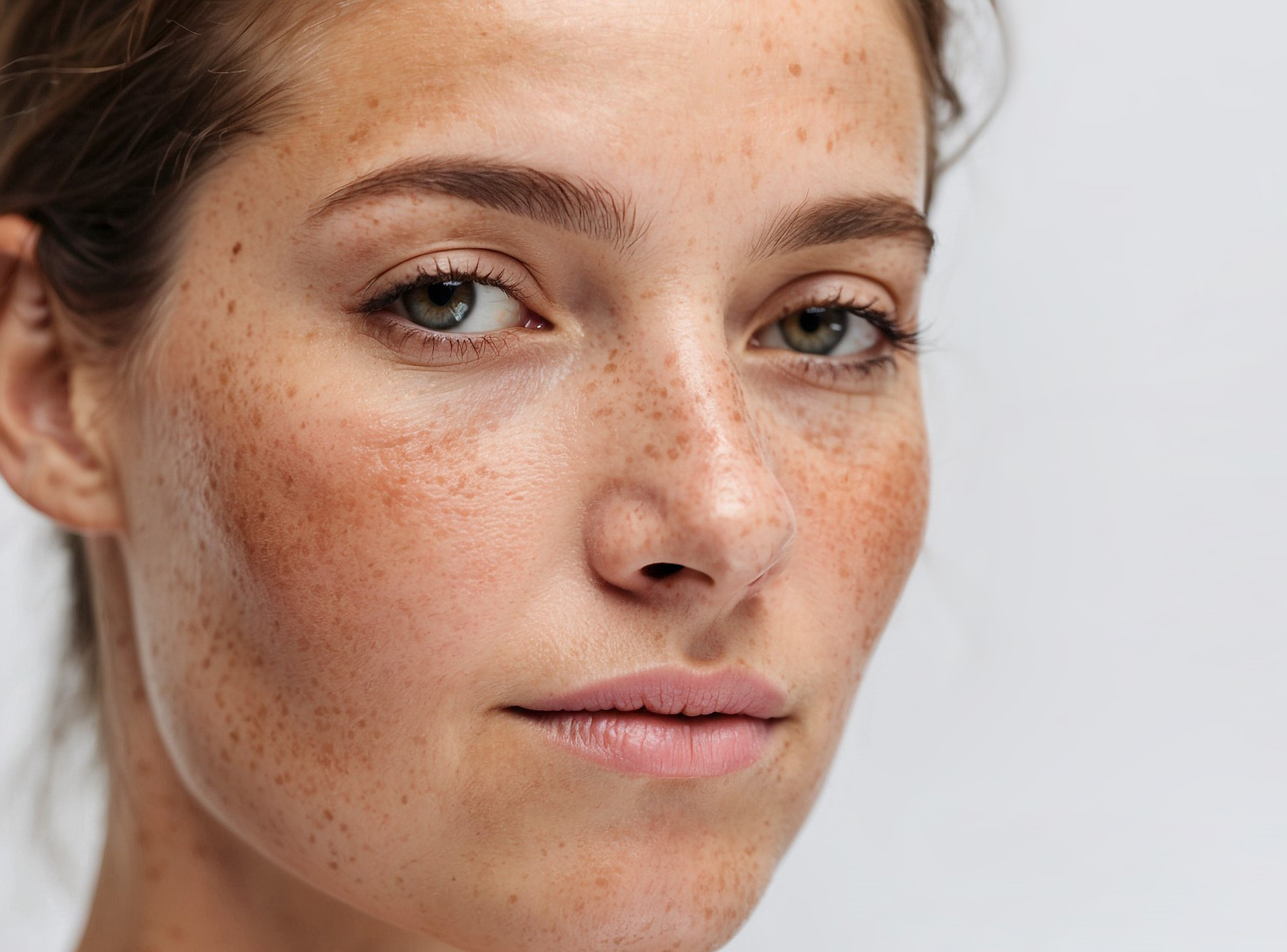
Millions of people worldwide suffer from melasma, a common skin condition also referred to as the “mask of pregnancy.” Melasma, which is characterized by dark, discolored patches on the face, can cause low self-esteem and embarrassment for those who have it. In Dubai, Abu Dhabi, and Jumeirah, many melasma sufferers wonder if the condition will go away on its own. or whether getting treatment is necessary to restore their clear complexion. This post will discuss the causes of melasma, the variables that affect its course, and the steps you can take to lessen its visibility and attain a more even, clearer complexion.
Melasma Treatment In Dubai
Melasma treatment in Dubai is a non-surgical approach designed to reduce dark, discolored patches on the skin caused by hormonal changes, sun exposure, or genetics. It typically includes a combination of medical-grade creams, chemical peels, and advanced laser therapies to target excess pigmentation. With consistent care and proper sun protection, melasma treatment helps restore a smoother, brighter, and more even complexion, enhancing the skin’s natural glow and confidence.
What is Melasma?
Dark, discolored patches on the face, usually on the cheeks, nose, forehead, and upper lip, are the hallmark of melasma, a skin disorder. The patches may be symmetrical or irregular in shape, and their colors may vary from light brown to gray-brown.
Apart from discoloration, melasma frequently manifests as the following symptoms:
- Burning or itching feelings in the afflicted areas
- Skin patches that are dry and scaly
- Skin hyperpigmentation, or darkening
- Heightened susceptibility to sunlight
It’s crucial to remember that although melasma is most frequently found on the face, it can also develop on the neck, arms, and legs—other areas of the body that are regularly exposed to the sun. Furthermore, people who have melasma may experience emotional and cosmetic distress, so it’s critical to treat it seriously and, if required, seek appropriate medical care.
Will Melasma Go Away On Its Own?
The response to the query: Will Melasma in Dubai, Abu Dhabi, and Jumeirah disappear on its own? is that melasma may disappear on its own in certain situations, but this is not always the case. The severity of the discoloration, the cause of the condition, and the skin type of the individual all affect the chance that melasma will go away on its own.
For instance, if a hormonal shift, like pregnancy, causes melasma, it might go away on its own when the hormone levels stabilize. Melasma might not go away on its own, though, if it is brought on by other things, like sun exposure or the use of specific drugs.
The possibility that melasma will go away on its own can also be influenced by how severe the discoloration is. While more severe cases of melasma might need medical intervention to improve, mild to moderate cases might be more likely to go away on their own.
Ultimately, speaking with a dermatologist or skin care specialist is the only way to be certain that your melasma will resolve itself. They can assist you in identifying the reason behind your melasma and suggest the best treatment to help you get skin that is more even and clear.
Is Melasma Dangerous?
No, melasma pigmentation does not pose a substantial health risk; melasma is a benign condition.
You may be surprised to discover that melasma is more prevalent among individuals with darker skin tones and tends to become more pronounced during the summer months.
Factors that may pose a risk to your health could also be responsible for your melasma, as certain medical conditions and illnesses, such as thyroid disease and Addison’s disease, can induce skin discoloration (i.e., melasma).
Contact Perfect Doctors Clinic to schedule a skin assessment to evaluate the presence of melasma.
BOOK AN APPOINTMENT TODAY
What Causes Melasma?
As previously noted, certain medical conditions can lead to melasma skin pigmentation. The following are more common causes of melasma on the face and body:
- Sun damage: repeated exposure to sunlight, ultraviolet radiation, or heat affecting the skin
- Hormonal fluctuations during puberty or resulting from postpartum and postnatal changes (e.g., pregnancy mask)
- Certain medications (for example, oral contraceptives containing oestrogen)
- Family Medical History and Genetic Factors
- Illness or medical condition
Melasma is a distinct form of hyperpigmentation that is predominantly attributed to hormonal influences, especially oestrogen and progesterone. This does not imply that you should disregard the importance of safeguarding your skin from sun exposure.
Our clinic’s skincare specialists advise daily application of a sunscreen lotion, cream, or face powder with a minimum SPF of 35 or higher to safeguard your skin against sun damage and the potential development of melasma.
Types of Melasma
Melasma may be categorized into three primary types according to the depth of pigmentation within the skin:
- Epidermal melasma: This form involves the outermost layer of the skin, referred to as the epidermis. The dark patches are typically clearly delineated, exhibit a brown coloration, and demonstrate a favorable response to treatment. Epidermal melasma is more readily treatable due to the pigment’s proximity to the skin’s surface.
- Dermal melasma: This form affects the deeper layers of the skin, referred to as the dermis. The patches are typically of a lighter hue, exhibiting a bluish or gray-brown coloration, with borders that are less distinctly delineated. Dermal melasma presents greater treatment difficulties due to the pigment’s deeper localization within the skin.
- Mixed melasma: This is the most prevalent form, characterized by pigmentation present in both the epidermis and dermis. The patches may display a mixture of brown and bluish hues. Mixed melasma may present greater treatment challenges but often responds effectively to a combination of therapeutic approaches.
How is Melasma Diagnosed?
Melasma is diagnosed solely by an aesthetic general practitioner or dermatologist, who can differentiate it from other skin conditions through its characteristic lesions. The diagnosis depends on the physical examination, clinical evaluation, and the expertise of the attending physician. During the examination, the aesthetic general practitioner may employ specialized instruments such as dermatoscopes, magnifying tools, and skin analyzers to improve lesion visibility and evaluate the depth and extent of pigmentation.
In certain cases, supplementary assessments such as blood tests may be performed to exclude underlying causes such as hormonal imbalances or thyroid disorders. The integration of visual inspection and diagnostic instruments guarantees a precise diagnosis, enabling the formulation of the most effective treatment strategy.
MEET THE EXPERT DOCTOR
Melasma Treatment Options at Perfect Doctors Clinic
Today, a variety of treatments and procedures are accessible to effectively address and diminish melasma pigmentation.
Perfect Doctors Clinic provides a range of effective strategies for the treatment of melasma, including:
- SKIN IV drip: This therapy includes Glutathione and vitamin C, which are essential in decreasing melanin synthesis, thereby assisting in the reduction of pigmentation.
- Chemical peels: Especially efficacious for epidermal melasma, chemical peels function by exfoliating the outermost layers of the skin and stimulating skin regeneration. Different types of peels may be utilized, including TCA, azelaic acid, mandelic acid, and glycolic acid.
- Mesotherapy: This procedure entails the direct injection of vitamins and other advantageous substances such as vitamin C, glutathione, and hyaluronic acid into the skin. Mesotherapy has the potential to enhance skin tone and diminish pigmentation.
- Laser treatments: Advanced laser systems such as PICO laser, HALO, and MOXI induce stimulation of the skin to generate new, healthier skin cells, thereby substantially enhancing hyperpigmentation.
- Lightening injection: Injectable therapies that incorporate anti-pigmentation agents such as growth factors, glutathione, and tranexamic acid. Prominent brands encompass Innovyal, LC Bright, and Salmon DNA.
- PRP (Platelet-Rich Plasma): PRP therapy facilitates skin regeneration and rejuvenation through growth factors extracted from the patient’s own blood, enhancing skin health and minimizing pigmentation.
These treatments at Perfect Doctors Clinic are formulated to effectively treat melasma, providing a personalized approach to meet each patient’s individual requirements; our specialists will evaluate and recommend the most suitable option for you.
Best Aesthetic Clinic In Dubai For Melasma Treatment
Best Aesthetic Clinic in Dubai for Melasma treatment offers advanced skin care solutions using cutting-edge technology and dermatologist-approved products to effectively lighten pigmentation and restore even skin tone. Perfect Doctors Clinic is renowned for its expert dermatologists who specialize in personalized melasma treatments, including laser therapy, chemical peels, and medical-grade skincare. With a focus on safety, precision, and visible results, the clinic provides a luxurious experience and long-lasting improvement for radiant, healthy skin.
The Takeaway
In summary, although melasma may occasionally go away on its own, this is not always the case. The severity of the discoloration, the cause of the condition, and the skin type of the individual all affect how likely it is that melasma will go away. To find the best course of action for your particular situation, it’s crucial to consult a dermatologist at Perfect Doctors Clinic or a skin care specialist if you have melasma. Melasma can be less noticeable, and a clearer, more even complexion can be attained with the right care and treatment. Therefore, don’t be afraid to start the process of restoring your self-esteem and making your skin look better.