





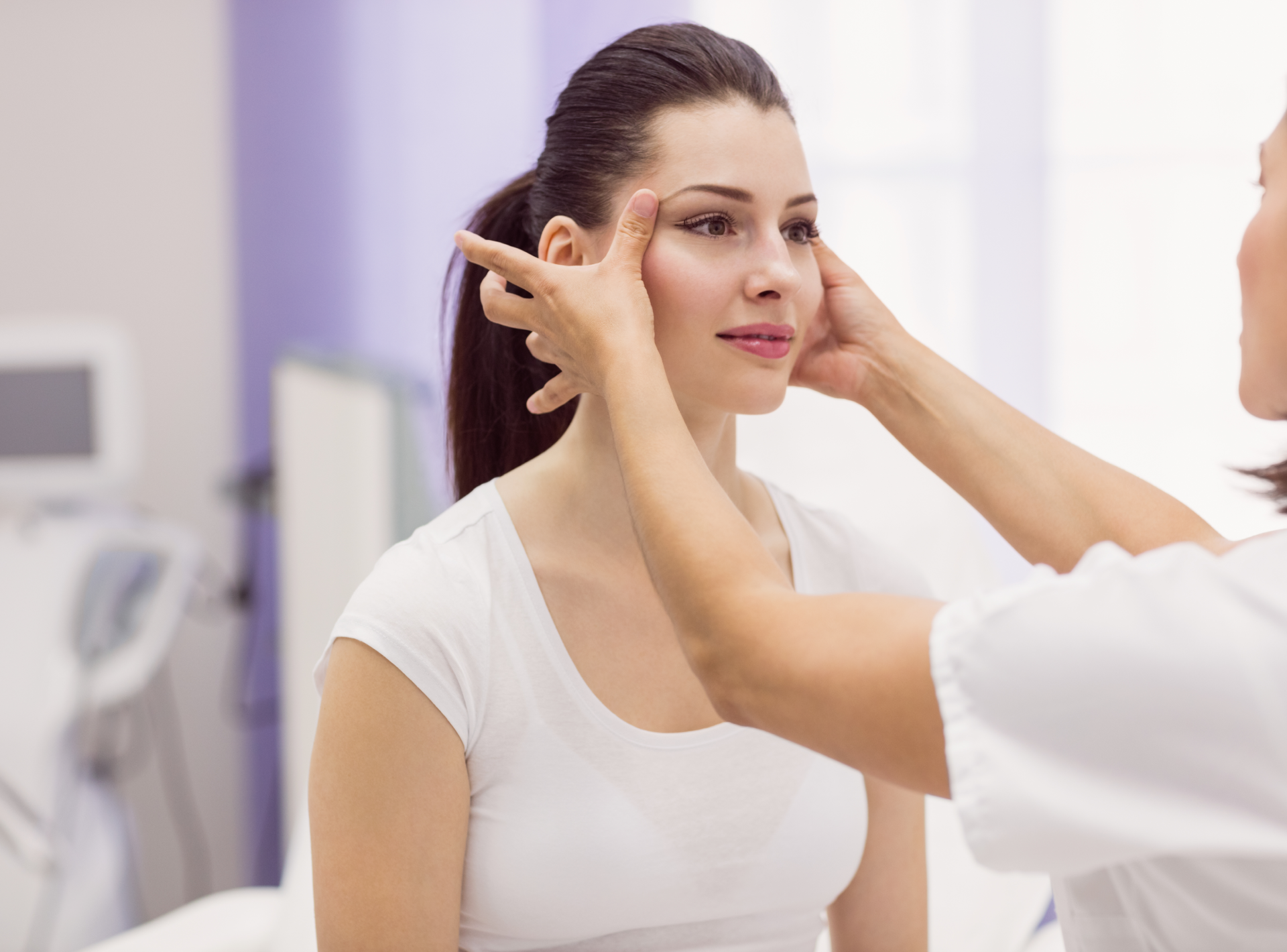
A facelift (rhytidectomy) is a type of surgery that lifts up the skin and loose tissues on the face to make it tighter and smoother. In 2015, facelifts were one of the five most common types of surgery in Dubai, with more than 132,000 of them done.
There are a lot of great online resources that can help patients do their own research (we have a series of blog posts about facelifts here), but the best way to get all of your questions answered is to talk to the plastic surgeon in person.
Facelift In Dubai
Facelift in Dubai is a cosmetic surgical procedure designed to reduce visible signs of aging on the face and neck by tightening loose skin, repositioning underlying tissues, and removing excess fat if necessary. The procedure helps improve common concerns such as sagging cheeks, deep folds around the mouth and nose, jowls along the jawline, and loose skin on the neck. A facelift does not change your basic appearance but instead restores a more youthful, refreshed version of your natural features. Modern facelift techniques focus on achieving natural-looking results with minimal scarring and a smoother recovery process. The procedure is usually performed under anesthesia and may be combined with other treatments, such as a neck lift or eyelid surgery, to enhance overall facial harmony. With proper care and a healthy lifestyle, facelift results can last for many years, helping individuals feel more confident in their appearance.
Before you schedule facelift surgery, here are ten questions you should ask:
1. Are You a Board Certified Surgeon?
Why Ask? Surgeons who are Board Certified by the American Board of Plastic Surgery or the American Board of Facial Plastic and Reconstructive Surgery have more training and experience than other surgeons when it comes to doing plastic surgery. Their training will include sixteen years of school after high school, years of doing cosmetic and reconstructive procedures under direct supervision, and passing their board exam, which is a very hard two-day oral and written test of their skills and knowledge.
Believe it or not, a doctor in Dubai can say that he or she does plastic surgery, even if he or she is not Board Certified by a recognized board. According to Dubai law, “buyer beware.” Sadly, the doctor’s lack of credentials is often only revealed after a big disaster. Compared to non-certified surgeons, board-certified surgeons have a much lower rate of complications and a higher rate of patient satisfaction.
2. How Many Years of Experience Do You Have Performing Facelift Procedures?
Why Ask: More experience means better results when it comes to doing facelifts. Patients should look for a surgeon who has done a lot of different types of facelift procedures on people of all ages, genders, races, and ethnicities. Don’t be fooled by answers that include the years of training that are wrong. Years of training should not “count” as years of practice.
3. Do You Have Hospital Privileges to Perform Facelifts (And If So, Which Hospitals)?
Why Ask: One more way to find out how good the surgeon is right now is to look at their current hospital privileges. To get privileges, the surgeon would need to have a certain amount of experience and a good track record of work. Make sure that facelift (or whatever surgery you’re there to talk about) is one of the privileges.
4. Where Will the Procedure Be Performed?
Why Ask: Patients should check that the procedure will be done at a facility that is accredited by the state or the country and is in good standing with all local authorities. In these kinds of places, everyone who is there during the procedure is also properly licensed and accredited by the facility on their own. The Joint Commission, which gives accreditation to all hospitals, and the American Association for Accreditation of Ambulatory Surgery Facilities (AAAA), which gives accreditation to most private plastic surgery facilities, have both given Perfect Doctors Clinic their stamp of approval.
5. Can I See Before & After Photos of Other Facelift Cases?
Why Ask: Pictures of the surgeon’s work before and after are the best way to see how good they are. Don’t just look at cases that are like yours; look at a lot of different ones. Note: Many surgeons have before-and-after photos on their websites (see ours here), but most have more cases that can only be seen in person.
6. Am I a Good Candidate for a Facelift?
Why Ask: Because the surgeon has done the surgery before, it’s important to get their honest opinion on whether or not you are a good candidate. Be sure to ask if they have done facelifts on people with similar features before and, if possible, look at their before and after photos. If you are not a good candidate for a facelift, there may be another procedure that would work better for you.
A good candidate for a facelift is typically someone who has noticeable signs of facial aging, such as sagging skin, deep wrinkles, jowls, or loss of definition along the jawline and neck. Candidates should generally be in good overall health, maintain realistic expectations, and understand both the benefits and limitations of the procedure. People who do not smoke or who are willing to stop smoking before and after surgery often experience better healing and outcomes. Skin elasticity and bone structure also play an important role in determining how effective the results will be and how long they may last. During a consultation, the surgeon will carefully review medical history, current medications, and lifestyle habits to ensure the procedure can be performed safely. In some cases, individuals with mild to moderate aging concerns may be advised to consider non-surgical options, such as dermal fillers, Botox, or skin tightening treatments, before choosing a full surgical facelift.
7. What Facelift Technique Do You Recommend (And Why)?
Why Ask: There are a lot of them, so it’s important for a patient to know exactly what technique will be used. You should also ask your surgeon why they like that method better than others.
There are several facelift techniques available today, and the most appropriate one depends on the patient’s age, skin quality, facial anatomy, and desired results. Common options include the traditional facelift, mini facelift, deep plane facelift, and neck lift, each designed to address specific signs of aging. A skilled surgeon will explain how the recommended technique targets areas such as sagging cheeks, loose skin around the jawline, or excess skin in the neck. They will also discuss the expected recovery time, level of invasiveness, and how long the results are likely to last. In some cases, a combination of procedures, such as eyelid surgery or fat grafting, may be suggested to enhance overall facial balance and rejuvenation. Understanding why a particular method is chosen helps patients feel confident in their treatment plan and ensures that the selected technique aligns with their aesthetic goals and lifestyle.
BOOK AN APPOINTMENT TODAY
8. What Will My Recovery Be Like?
Why Ask: Patients need to know what to expect after their procedure. Ask your surgeon what other patients who had the same surgery said about it and what specific aftercare instructions you will need to follow.
Recovery after a facelift varies from person to person, but most patients can expect some swelling, bruising, and mild discomfort during the first one to two weeks. Surgeons usually recommend taking adequate rest, keeping the head elevated, and avoiding strenuous activities to support proper healing. Stitches or bandages may be removed within several days, and many patients feel comfortable returning to light daily routines after about two weeks, although full recovery can take several weeks. Following post-operative instructions carefully, including taking prescribed medications and attending follow-up appointments, plays a crucial role in achieving the best results. Patients should also protect their skin from direct sun exposure and maintain a healthy lifestyle to support long-lasting outcomes. Understanding the recovery process in advance helps reduce anxiety, sets realistic expectations, and ensures a smoother, safer healing journey.
9. What Are the Complications and Risks Associated With the Procedure?
Why Ask: It’s very important to talk about any possible side effects or problems that could happen after the procedure in order to do your full due diligence. Be sure to ask how each kind of problem will be fixed.
10. How Can I Get the Best Results?
Why Ask: Getting a facelift takes a lot of time and money. Patients should ask their surgeon how to get the results they want and keep them for a long time. Patients may ask surgeons what their best cases had in common, for example.
MEET THE EXPERT DOCTOR
Best Plastic Surgeon In Dubai For Facelift
Best Plastic Surgeon in Dubai for Facelift provides advanced facial rejuvenation procedures designed to restore a youthful and refreshed appearance. Dr. Perfect Celebrity is recognized for his expertise in performing facelift surgeries that focus on natural-looking results and patient safety. Each treatment plan is carefully customized based on the patient’s age, skin condition, facial structure, and aesthetic goals. Using modern surgical techniques, the procedure helps tighten loose skin, reduce deep wrinkles, and improve facial contours, especially around the cheeks and jawline. Patients receive thorough consultations, clear guidance about the procedure, and detailed aftercare instructions to support a comfortable recovery. With a commitment to precision, professionalism, and high-quality care, choosing an experienced facelift surgeon in Dubai can significantly enhance confidence and provide long-lasting, satisfying outcomes.