





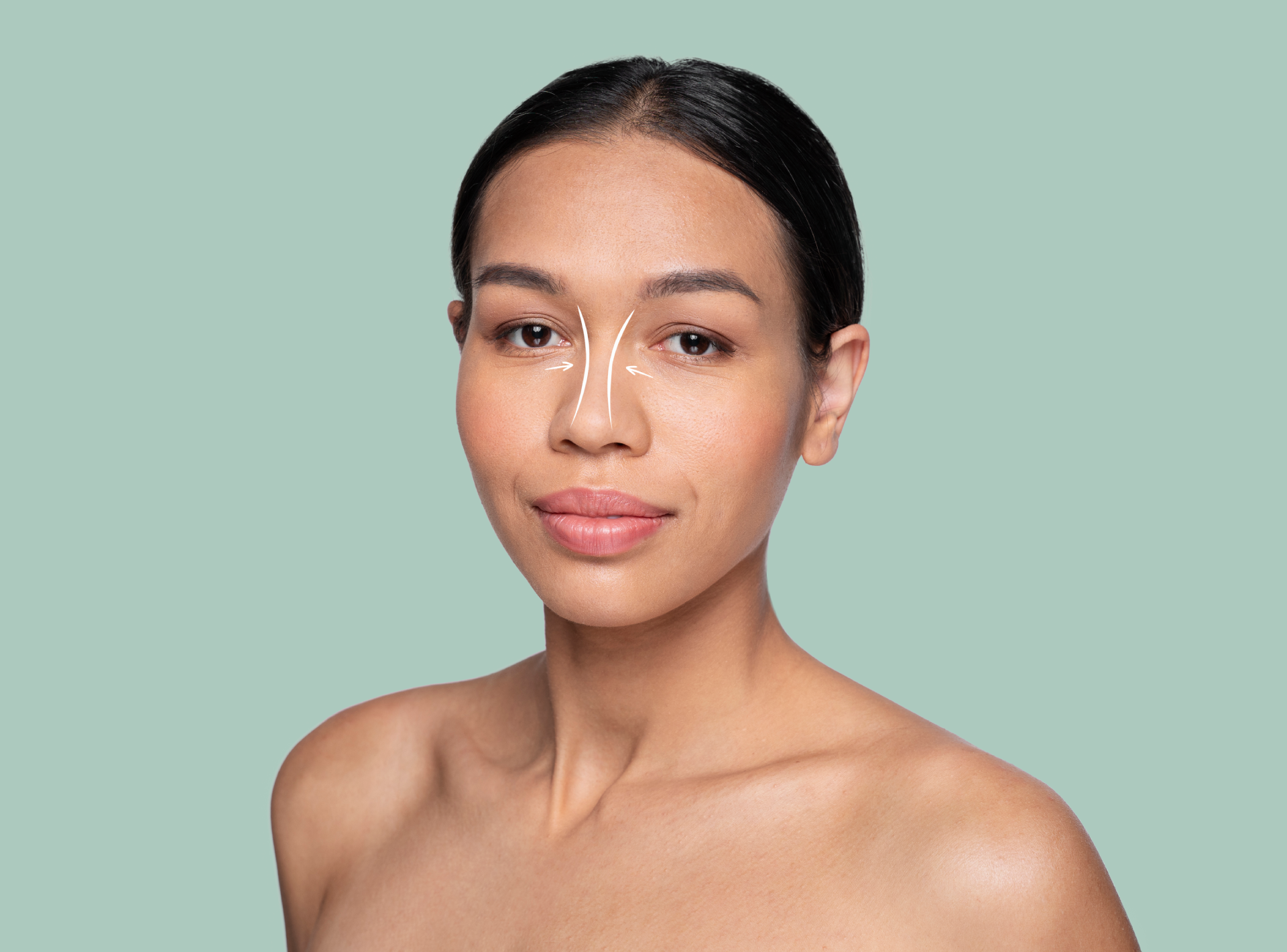
One of the most common and puzzling things about recovering from rhinoplasty is swelling. Even if the operation goes flawlessly, the nose and the areas around it can stay swollen for weeks or even months, especially around the tip of the nose and around the eyes. This is natural, but knowing how swelling works, how long it lasts, and what you can reasonably do to make it go down will make your recovery a lot less stressful.
This guide discusses the timing for rhinoplasty swelling, why it looks different on various people, and gives you safe, surgeon-approved ways to deal with and reduce it as you heal.
Rhinoplasty In Dubai
Rhinoplasty in Dubai is a highly sought after cosmetic procedure for individuals who want to enhance the appearance and structure of their nose. Many patients consider this surgery to improve facial balance while also correcting structural concerns that may affect breathing. One of the most common parts of the recovery process is swelling after rhinoplasty, which naturally occurs as the body begins to heal. Swelling usually appears during the first few days after surgery and gradually improves over time as the tissues settle and recover. The swelling timeline after rhinoplasty can vary from person to person, but most noticeable swelling reduces within the first few weeks while subtle swelling may continue to improve over several months. Understanding these stages helps patients stay patient and confident throughout the healing process.
Key Takeaways
- After rhinoplasty, swelling reaches its highest point in 2 days and then steadily goes down over the next few weeks.
- The tip edema lasts the longest because the skin is thicker and the surgery changed it.
- Swelling under the eyes is typical, especially if the nasal bones were shattered or polished during the treatment.
- Most patients notice a big difference in 14 to 28 days, but the final touch-up can take 1 to 1.5 years.
- Elevation, cold compresses (during the first 2 days), drinking a lot of water, and eating less salt can all assist with edema.
- It is common for swelling to be uneven or one-sided. This is part of the healing process.
- You should always have your surgeon look at edema that comes on suddenly, hurts, or gets worse.
Why Swelling Happens After Rhinoplasty
Rhinoplasty changes delicate structures in the nose, therefore swelling is a normal reaction to surgery. As part of the healing process, fluid builds up in the soft tissues. Because the nose has thin skin and not much lymphatic drainage, swelling tends to last longer than in other parts of the body.
There are a number of things that can determine how bad and how long edema lasts:
Surgical Technique
- Open rhinoplasty (which involves making a small cut across the columella) usually produces more edema in the first few months because the skin is raised off the cartilage and bone.
- Closed rhinoplasty usually causes less edema right away, but the long-term effects are similar.
Individual Anatomy
Swelling lasts longer in thick skin, especially around the tip of the nose.
Thin skin may show changes in shape sooner, but it can also exhibit little bumps and lumps during swelling phases.
Location Of Swelling
- Nasal bridge: Usually settles the fastest.
- Nasal tip: Stays swollen the longest.
- Under the eyes: When bones are refined or osteotomies are done, bruising and swelling happen under the eyes.
Why Asymmetric Swelling Happens
It’s very natural for one side of your nose or face to look more swollen than the other. Each side drains differently, and even tiny changes in how the surgery is done might cause swelling that becomes better with time.
Rhinoplasty Swelling Timeline
First 2 Days – Peak Swelling
- The swelling and bruises are at their worst.
- It’s important to use cold compresses and raise your head.
- Fluid changes can make the area under the eyes puffy.
7 Days
- Taking off the splint might make the nose look bigger for a short time.
- The bruising around the eyes starts to go away.
- The nose still feels big, hard, and numb.
14 Days
- A lot of the extreme swelling goes down.
- Patients frequently feel at ease resuming social engagements.
- The edema under the eyes gets a lot better.
4 Weeks
- The swelling is still getting softer, especially along the bridge.
- The tip swelling is still there, especially in patients with thick skin.
- It is nevertheless typical for edema to be uneven.
12 Weeks
- This is a big step forward: roughly 55–65% of the edema usually goes down.
- The shape gets sharper.
- Asymmetric edema usually goes away on its own.
Half a Year
- Around 75–85% of the edema has gone down.
- The tip still has more swelling than the bridge.
Half a Year to 1.5 Years
- The last definition shows up.
- The tip contour and small asymmetries keep getting better.
| Time After Rhinoplasty | Typical Swelling & Bruising | What Patients Usually Notice / Can Do |
| 2 Days | The swelling is at its worst; bruising around the eyes is often the most noticeable; the nose feels tight and constricted. | Rest with your head up, cold compresses on your cheeks, and only short walks around the house. |
| 7 Days | The swelling is still there, the bruising is starting to go away, and the nose may look bigger after the splint is taken off. | A lot of patients go back to light employment at a desk, but they still don’t exercise or move heavy things. |
| 14 Days | There is a noticeable decrease in swelling and bruising, and the puffiness beneath the eyes is becoming better. The nose still feels hard. | I feel more at ease in public; light walking is beneficial; most people won’t notice the surgery. |
| 4 Weeks | The bridge looks thinner, but the tip is still rounder and more swollen. Mild swelling in the morning is normal. | Most everyday activities can normally be resumed, and light exercise is often allowed if the surgeon approves. |
| 12 Weeks | About 55–65% of the swelling usually goes down, and the uneven swelling is considerably less obvious. The tip is still growing. | People think the nose looks “normal,” and patients feel better about themselves in pictures and close-ups. |
| Half a Year | About 75–85% of the swelling has gone down, and most of the definition is apparent. The swelling that is still there is mostly at the tip area. | The final shape is close to what was planned, however the swelling can still alter a little bit from day to day. |
| Half a Year to 1.5 Years | The swelling is gone, the scar tissue is softer, and the shape is still changing slightly, especially at the tip. | Final result of the rhinoplasty. If you still have problems, you can talk about them during a long-term assessment or revision planning. |
Nasal Tip Swelling
After rhinoplasty, the nasal tip is the last part to be refined. This happens because:
- The tip has more sebaceous glands and thicker skin.
- Surgical remodeling of the cartilage causes inflammation that lasts for a long time.
- The tip’s lymphatic drainage is slow, thus the fluid clears slowly.
Most patients see:
- For a few months, it seemed rounder or “bulbous.”
- Touching the tip makes the tissue feel firmer.
- Between 4 months and 1 year, things got better slowly but surely.
- Tip edema is most visible in open rhinoplasty, patients with thicker skin, and revision operations.
Under-Eye Swelling After Nose Surgery
After nose surgery, especially when osteotomies (managed bone fractures) are done, swelling under the eyes is very prevalent. Puffiness and bruising happen when fluid builds up around the delicate tissue behind the eyes.
A normal timeline:
- The worst days are 3–5.
- Gets better quickly by day 14
- There will be mild swelling for 1 to 1.5 months.
If you typed “how to reduce swelling under eyes after nose surgery” into a search engine, the best ways to do so are:
- Cold packs for the first 2 days
- Sleeping on your back for at least 7-14 days
- Staying away from salty meals
- Only do gentle lymphatic drainage massage if your surgeon says it’s okay.
Swelling under the eyes is not usually a sign of a problem until it hurts, turns red, or gets worse rapidly.
BOOK AN APPOINTMENT TODAY
How To Reduce Swelling After Rhinoplasty (Safe, Surgeon-Approved Methods)
Most swelling goes down on its own, but these safe methods can help it go down faster.
Cold Compresses (First 2 Days Only)
Put ice packs on your cheeks, not your nose, to help with swelling and bruising.
Sleep Elevated
Keeping your head above your heart helps the lymphatic system drain better. A wedge pillow or two pillows works great.
Reduce Sodium
Salt makes the body hold on to water, which makes swelling worse right away. Try to eat meals that are low in salt for the first two to three weeks.
Stay Well Hydrated
Drinking enough water helps your body get rid of inflammatory fluids more easily.
Avoid Exercising Too Soon
When you do a lot of activity, it makes blood flow faster and swelling worse. Most doctors say you shouldn’t work out for at least three to four weeks.
Use Arnica Or Bromelain (If Recommended By Your Surgeon)
Some surgeons suggest taking natural supplements to help with bruising and swelling.
Do Not Apply Pressure On The Nose
Don’t wear glasses, blow your nose, wear heavy shades, or get a facial massage unless you have permission.
Lymphatic Drainage Massage
Do this only if your doctor says it’s safe. It can assist shift fluid away from the nose and under the eyes as you get better.
When Swelling Is Normal Vs. When To Worry
Normal Swelling Signs
- Swelling that gets better every week
- One side of the nose looks more enlarged.
- A stiff or numb tip of the nose
- A little swelling in the morning that goes down by noon
Signs You Should Contact Your Surgeon
- Swelling that gets worse all of a sudden after getting better
- Redness, heat, or fever that doesn’t go away
- Pain that gets worse instead of better
- A sudden and large imbalance
- Discharge that is yellow or green
Quick examination can stop problems from getting worse, even though complications are rare.
Uneven, Asymmetric, And Long-Term Swelling After Rhinoplasty
After rhinoplasty, one of the most prevalent worries is swelling that is uneven or not symmetrical. Patients may be surprised, but it’s almost usually typical, especially in the initial few weeks and months of recuperation.
Why Swelling Looks Uneven
There are a few reasons why swelling looks worse on one side than the other:
- Differences in anatomy that are natural
Most people have one side of their face that has skin that is a little thicker, more lymphatic tissue, or a different cartilage structure. These distinctions grow clearer as time goes on.
- Different ways of doing surgery
Even if the rhinoplasty is done flawlessly, the surgeon may need to make one side more than the other to fix any problems or differences. This causes inflammation to happen at different levels.
- Patterns of lymphatic drainage
The lymphatic fluid on each side of the face drains at a distinct rate. If one side doesn’t drain well, it can stay bloated for longer.
- How you sleep
If you sleep more on one side of your face (even if you don’t mean to), the swelling on that side may get worse for a short time.
Asymmetrical swelling can remain even longer in patients with thicker skin or in cases when there are a lot of changes. This doesn’t mean something is wrong; it just shows how quickly each person heals.
FAQ
How Long Does Swelling Last After Rhinoplasty?
Most of the visible swelling goes down in 14 to 28 days, but it takes a lot longer for the finer details to become better. Many patients have lost 55–65% of the swelling by 12 weeks, 75–85% by half a year, and the final form can take half a year to 1.5 years to fully settle, especially around the tip of the nose.
Why Does My Nose Look Bigger After The Cast Or Splint Is Removed?
This is very typical. The splint hides some of the swelling and helps the tissues stay strong. When it comes off, the swelling underneath is more visible, so the nose may look bigger or puffier than you thought it would. This swelling goes down over the course of several weeks, and the real shape starts to show through.
Is It Normal For Swelling To Be Uneven After Rhinoplasty?
Yes. Asymmetric swelling happens a lot and is usually not a symptom of a problem. During surgery, each side of the nose is treated a little differently. It drains fluid at a different rate and may react differently to inflammation. Uneven swelling can persist for months before it begins to even out.
Why Is The Tip Of My Nose Still Swollen Months After Surgery?
The skin near the tip of the nose is thicker and is often the part that is most changed during surgery. Because of this, it takes the longest for the swelling to go down. For half a year to 1 year, and occasionally longer in individuals with thick skin, the tip may look rounder, firmer, or a little bit bigger before it reaches its final shape.
How Can I Reduce Swelling Under My Eyes After Nose Surgery?
Swelling under the eyes is mainly caused by bruises and fluid building up in the sensitive tissues around the eyes. In the first 2 days, you can assist in lowering it by putting cold compresses on your cheeks (not directly on your nose), resting with your head up, avoiding salty meals, and drinking plenty of water. Gentle lymphatic drainage and arnica may also assist if your surgeon agrees.
What Can I Do To Reduce Swelling After Rhinoplasty Overall?
Keeping your head up, using cold compresses early on, not doing hard work or being in the heat, drinking a lot of water, and cutting back on sodium in your diet are all very helpful. Don’t smoke, stay away from alcohol in the first few weeks after recuperation, and only use drugs or supplements that your surgeon has cleared.
When Should I Worry About Swelling After Rhinoplasty?
If the swelling gets worse all of a sudden after it was getting better, if it comes with redness, heat, fever, or more discomfort, or if you see yellow or green drainage, call your surgeon. These could be indicators of an infection or another problem that needs to be looked at right away.
When Will My Rhinoplasty Results Look “Final”?
Most patients feel comfortable in social situations with their nose after approximately 1 to 1.5 months, but it takes time to see the complete outcome. The bridge normally gets better in a few months, but the tip and more detailed contouring can take half a year to 1.5 years to settle down, especially on thick or oily skin.
MEET THE EXPERT DOCTOR
Best Plastic Surgeon In Dubai For Rhinoplasty
Best Plastic Surgeon in Dubai for Rhinoplasty focuses on delivering refined results while also guiding patients through a smooth recovery process. Dr. Perfect Celebrity is known for performing rhinoplasty with careful surgical planning to help reduce swelling and support faster healing. Swelling after rhinoplasty can depend on several factors, including surgical technique, skin thickness, and how well patients follow post operative instructions. Experienced surgeons use advanced methods that minimize trauma to surrounding tissues, which helps control swelling and improves recovery outcomes. Patients are often advised to keep their head elevated, avoid strenuous activities, and follow proper aftercare instructions during the early stages of healing. With expert care and proper recovery guidance, swelling gradually subsides and the final rhinoplasty results become more visible over time.