





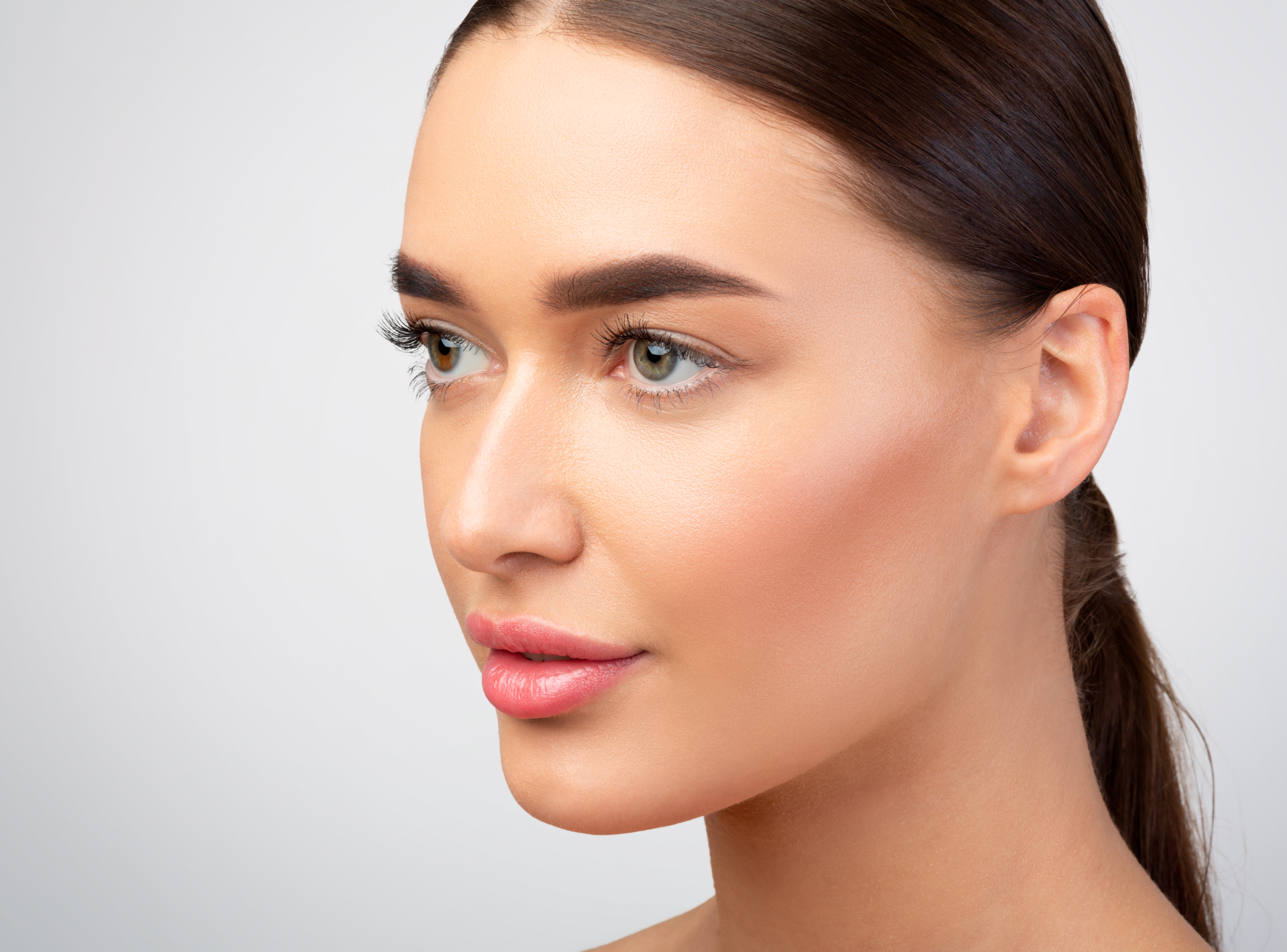
If you’re thinking about getting a nose job (rhinoplasty), you should make sure you can ask your surgeon any questions you have. He or she should be willing to fully answer and address any questions and concerns you have so that you know what to expect before, during, and after your procedure.
Dr. Perfect Celebrity, a board-certified facial plastic surgeon at the Perfect Doctors Clinic, talks about the most important questions to ask before getting a nose job in this blog.
Rhinoplasty In Dubai
Rhinoplasty in Dubai is a surgical procedure designed to reshape and enhance the appearance and function of the nose. It can address cosmetic concerns, such as a dorsal hump, wide nostrils, asymmetry, or a drooping tip, as well as functional issues like breathing difficulties caused by a deviated septum or other structural problems. The procedure involves careful modification of the nasal bones, cartilage, and soft tissues to achieve a balanced and harmonious look that complements the patient’s facial features. Rhinoplasty can be performed using open or closed techniques, and results are tailored to each individual’s unique anatomy and aesthetic goals.
Am I A Good Candidate For A Rhinoplasty?
You should know what results you can expect from your procedure. Talk to your surgeon about what you want to achieve and whether this surgery can help you do that.
You might want to have another procedure done at the same time in some cases to get the results you want.
Do You Have Any Before-And-After Photos I Can See?
Your doctor should be able to show you pictures of other rhinoplasties that he or she has done and the results.
Before the surgery, it can help to look at pictures of noses that are similar to yours, and after the surgery, it can help to look at pictures that show results that are similar to what you want.
How Many Rhinoplasties Have You Performed?
It’s best to find a surgeon who has done a lot of rhinoplasties so they can improve their skills and learn new ones.
The saying “Practice makes perfect” is often true for this kind of surgery.
What Additional Qualifications Do You Have?
A doctor who is board-certified by the American Academy of Facial Plastic and Reconstructive Surgery has passed certain tests and training requirements. It shows that you want to keep learning.
Also, a doctor who has written articles for medical journals and is known as a leader in his or her field is likely to know more and be better at what they do.
What Type Of Surgical Techniques Do You Use?
The best surgeon for you will be one who has worked with a variety of methods. Minimally invasive surgery will speed up your recovery, and your doctor should be able to do both open rhinoplasty (with a small cut under the tip of your nose) and closed rhinoplasty (with no cuts on the outside of your nose).
Also, if you’re getting a revision rhinoplasty, you should make sure your surgeon has done this type of surgery before because it’s more difficult than the first one.
Where Will My Surgery Be Performed?
The place where your surgery will be done is also important.
The Perfect Doctors Clinic in Dubai provides state-of-the-art, seamless care. Patients get great care in this private, high-end setting.
What Can I Do In Order To Have A Successful Rhinoplasty?
To make sure your surgery and recovery go as smoothly as possible, you need to know what you need to do before and after the surgery.
For instance, you should plan to take a week off work after your surgery.
What Are The Risks Of Rhinoplasty?
Rhinoplasty, like any surgical procedure, involves certain risks. These may encompass:
- Infection and Bleeding: Although these risks are rare, they can be mitigated by adhering to your surgeon’s instructions and selecting an experienced surgeon.
- Asymmetry: Although skilled surgeons strive to achieve symmetry, minor asymmetries are feasible.
- Unsatisfactory Outcomes: Communication is indispensable! This risk can be mitigated by conducting a comprehensive discussion regarding your objectives in advance.
- Revision Surgery: Although uncommon, certain patients may require a revision procedure.
Will There Be Visible Scarring?
The visibility of scarring after rhinoplasty is generally minimal, especially when performed by an experienced and skilled surgeon. Incisions are strategically placed in areas that are less noticeable, such as inside the nostrils for closed rhinoplasty or across the columella, the narrow strip of tissue between the nostrils, for open rhinoplasty. In most cases, the scar on the columella fades significantly over time and becomes barely noticeable. Closed rhinoplasty, which avoids external incisions, leaves no visible scars at all, making it an excellent option for patients concerned about aesthetic outcomes. Factors that can influence scarring include the patient’s skin type, age, and healing ability. Proper post-operative care, such as following the surgeon’s instructions on cleaning, avoiding sun exposure, and not disturbing the incision sites, also plays a key role in minimizing scars. With these precautions, most patients achieve smooth, natural-looking results with little to no visible scarring.
What If I’m Not Happy With The Results?
It is essential to maintain open communication with your surgeon from the outset. If any questions or apprehensions arise subsequent to surgery, consult with your physician. In rare instances, minor adjustments may be implemented, and revision surgery may be contemplated.
Will Rhinoplasty Help Me Breathe Better?
Yes, it is possible! If you suffer from nasal obstruction as a result of a deviated septum or other structural issues, incorporating functional enhancements into your rhinoplasty can have a substantial impact on your breathing.
What Results Can I Realistically Expect?
The potential changes that rhinoplasty can achieve should be disclosed to you by your surgeon. Computer imaging software is frequently implemented during consultations to facilitate the visualization of potential outcomes. Patient satisfaction is contingent upon the management of expectations.
What Type Of Anesthesia Will Be Used?
Local anesthesia with sedation, twilight sedation, or general anesthesia can be used to perform rhinoplasty. Your surgeon will evaluate your case and preferences to determine the optimal course of action.
Where Will The Incisions Be Placed?
There are two primary methodologies:
- Open Rhinoplasty: An incision is made across the columella, which is the skin between the nostrils, resulting in a slight increase in visibility.
- Closed Rhinoplasty: Incisions are made within the nostrils, resulting in no external scars but with a slight reduction in visibility for the surgeon.
Will It Be Necessary For Me To Undergo A Nasal Fracture?
In some rhinoplasty procedures, it may be necessary to perform an osteotomy, which is a controlled fracture of the nasal bones, to properly reshape and align the nose. This step is usually required when narrowing a wide nasal bridge, correcting asymmetry, or adjusting the overall nasal structure. Not all patients will need this procedure; the decision depends on the individual’s nasal anatomy and the specific changes planned. Your surgeon will carefully evaluate your nose during the consultation and inform you if a nasal fracture is required, ensuring that the procedure is safe and tailored to your goals.
How Long Is The Surgery?
The length of a rhinoplasty procedure depends on several factors, including the complexity of the changes being made and whether it is a primary or revision rhinoplasty. Simple procedures, such as minor adjustments to the nasal tip or smoothing small bumps, may take around one hour. More intricate surgeries, which involve reshaping the nasal bones, correcting asymmetry, or addressing functional issues like a deviated septum, can take two to three hours or even longer in rare cases. Revision rhinoplasties are often more time-consuming because the surgeon must carefully work with previously altered tissue. The surgeon’s experience, the chosen surgical technique, and the patient’s unique anatomy all influence the overall duration of the surgery.
BOOK AN APPOINTMENT TODAY
What Is The Recovery Process Like?
What you can anticipate is as follows:
- Initial Discomfort: Bruising, swelling, and soreness are frequently observed, particularly during the initial days.
- Nasal Splint/Cast: Utilized for approximately one week to provide support for the nose during the healing process.
- Activity Restrictions: For a period of several weeks, refrain from engaging in strenuous activities and blowing your nose.
- Patience: Patience is required, as the final results may not be visible for up to a year, as the swelling completely dissipates.
MEET THE EXPERT DOCTOR
Best Plastic Surgeon In Dubai For Rhinoplasty2?
Best Plastic Surgeon in Dubai for Rhinoplasty offers expert, customized nose reshaping procedures to enhance both appearance and function. Dr. Perfect Celebrity and his experienced team use advanced surgical techniques to address cosmetic concerns like a nasal hump, wide nostrils, asymmetry, or drooping tip, as well as functional issues such as breathing difficulties. From the initial consultation and detailed planning to surgery and post‑operative care, patients receive personalized attention and support. The goal is to achieve natural‑looking results that harmonize with your facial features while ensuring safety and comfort. With a focus on precision and aesthetic balance, patients can enjoy improved confidence and long‑lasting outcomes.
Call the Perfect Doctors Clinic today to set up a consultation if you want to learn more about rhinoplasty. We are happy to answer any questions you may have so that you can make an informed choice and feel good about your surgery.