





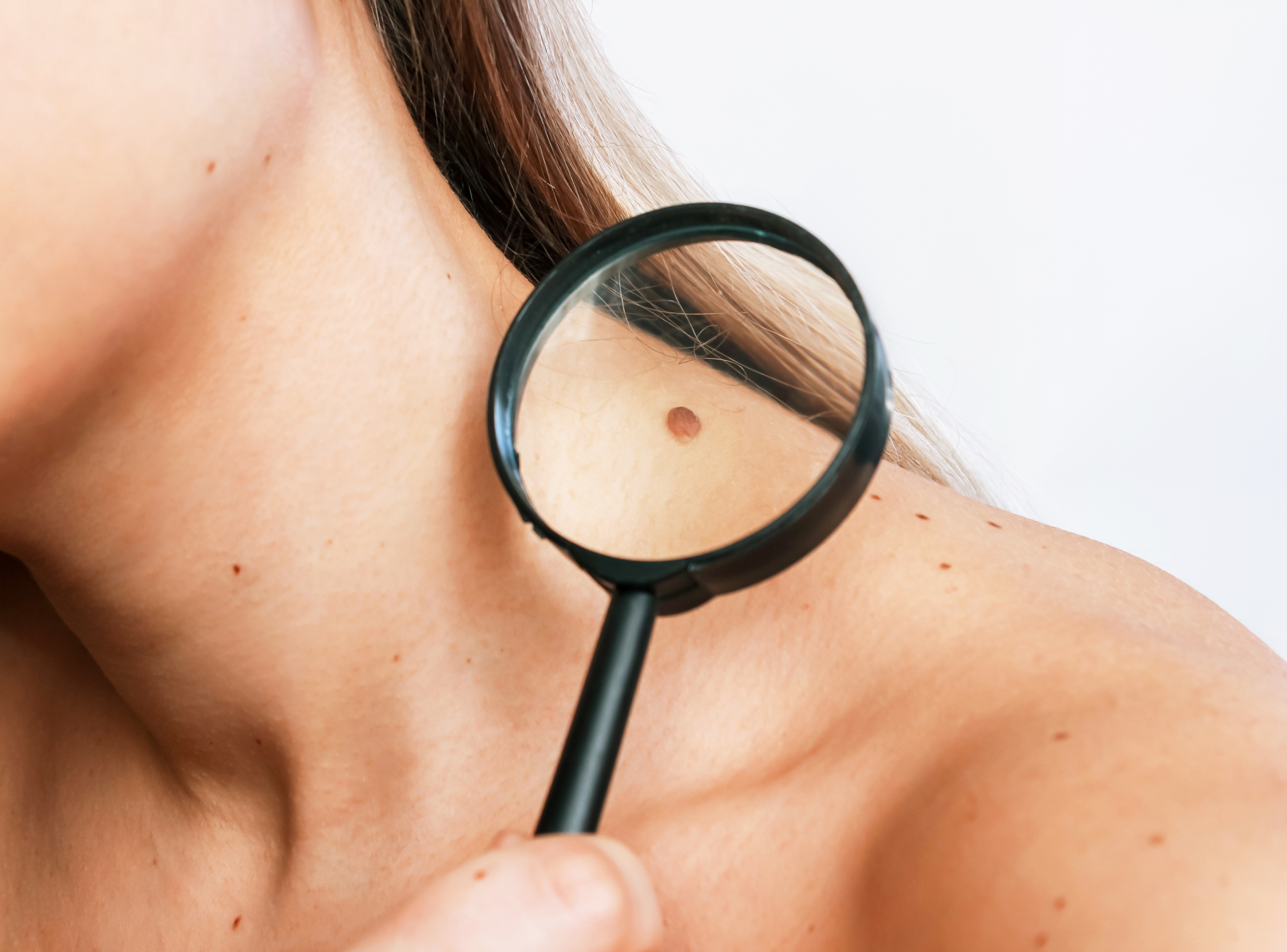
Many people may be concerned about moles, also referred to as nevi. Mole removal may be a solution if your mole has changed in appearance or is just ugly. However, the process of mole removal can be overwhelming due to the abundance of options and factors to take into account. To assist you with each step of the process, from diagnosis to recovery, we have developed this comprehensive guide. You’ll have all the knowledge you need to make wise choices and feel secure about your mole removal journey with the help of this guide. Let’s begin by learning about the Step-by-Step Guide to Mole Removal in Jumeirah, Dubai, and Abu Dhabi.
Mole Removal In Dubai
Mole Removal in Dubai is a medical or cosmetic procedure aimed at safely eliminating moles from the skin for aesthetic reasons or health concerns. The procedure can be performed using surgical excision, laser removal, or electrosurgery, depending on the mole’s size, depth, and location. Surgical excision involves cutting out the mole and stitching the area, which is often used for larger or suspicious moles. Laser or electrosurgery offers a minimally invasive alternative for smaller, benign moles. Proper aftercare is essential to prevent infection, reduce scarring, and promote smooth healing. Mole removal also allows for the examination of atypical moles to rule out skin cancer, ensuring both cosmetic and medical safety.
What are the Treatments Available for Mole Removal?
A mole or nevus is surgically removed during a mole removal procedure. Moles can be removed using a variety of techniques, such as laser therapy, cryotherapy, shave excision, and excision.
- Excision: This entails suturing the skin shut after removing the entire mole.
- Shave excision: This procedure entails shaving the mole from the skin’s surface with a razor blade, leaving a tiny, shallow wound that usually goes away without leaving any scars.
- Cryotherapy: Using liquid nitrogen to freeze the mole, cryotherapy causes it to fall off after a few days.
- Laser therapy: This entails destroying the mole with a laser so that it gradually disappears over time.
Your unique medical history, preferences, and the size, location, and appearance of your mole will all influence the best mole removal procedure for you. The best approach for your needs can be determined with the assistance of a qualified medical professional. Following removal, the mole will be examined in a lab to identify whether it is malignant (cancerous) or benign (non-cancerous).
How Does Diagnosis for Mole Removal Take Place?
A licensed medical practitioner, such as a dermatologist, will usually perform a physical examination of the mole before making the diagnosis for mole removal. This examination will include the medical professional evaluating the mole’s size, shape, color, and texture. Additionally, they will search for any irregularities that could be signs of skin cancer, like uneven color or irregular borders.
A biopsy might be performed if the doctor believes the mole might be malignant. During a biopsy, a tiny sample of the mole is taken out for examination in a lab. The next steps in the mole removal procedure will be guided by the biopsy results, which will help identify whether the mole is benign (non-cancerous) or malignant (cancerous).
It’s crucial to remember that not all moles require removal, and not all removed moles are malignant. The best course of action and whether mole removal is required for your particular situation will be determined by your healthcare provider.
How Does Recovery for Mole Removal Take Place?
Depending on the technique employed, recovery from mole removal typically entails the following steps:
- Aftercare: It involves bandaging the wound and keeping it dry and clean. To stop infection and encourage healing, you might be told to apply ointment.
- Healing process: The wound may take several weeks to completely heal, but it will begin to heal and close in a few days.
- Swelling and Redness: Following mole removal, some redness and swelling are common, but they should go away in a few days.
- Scarring: After mole removal, scarring is typical; however, the degree of the scar will vary depending on the technique and the person’s skin type. The scar might be visible in certain situations.
For optimal results and to reduce the chance of infection or complications, it’s critical to adhere to your doctor’s aftercare instructions. You should call your doctor right away if you encounter any strange symptoms, such as increased pain, fever, or redness.
Pre-Treatment Guidelines For Mole Removal
Before undergoing mole removal, it is essential to schedule a detailed consultation with your healthcare provider to evaluate the mole and confirm that it is benign. Your practitioner will review your medical history, skin condition, and any medications you are currently taking. You should inform your provider about allergies, skin sensitivities, or previous cosmetic procedures. In some cases, you may be advised to avoid certain skincare products, such as retinoids or exfoliating acids, for a few days before treatment to reduce the risk of skin irritation.
It is also recommended to keep the treatment area clean and free from makeup, lotions, or perfumes on the day of the procedure. Avoid excessive sun exposure, tanning beds, or sunburn before your appointment, as irritated skin may not respond well to treatment. Staying well-hydrated and maintaining good skin hygiene can help prepare your skin for the procedure and support smoother healing afterward. Wearing comfortable clothing that allows easy access to the treatment area can also make the process more convenient.
Additionally, you should follow any specific instructions provided by your practitioner regarding medications or supplements. Blood-thinning medications, alcohol, and smoking may be discouraged for a short period before treatment to minimize the risk of bleeding or delayed healing. Arriving on time for your appointment and having realistic expectations about the results can help ensure a positive treatment experience. Careful preparation plays a key role in achieving safe, effective, and aesthetically pleasing outcomes from nonsurgical mole removal.
BOOK AN APPOINTMENT TODAY
Mole Removal Aftercare Tips For Healthy Healing
The commencement of aftercare occurs immediately following the conclusion of the procedure. The following tips, which have been approved by dermatologists, can assist in the effective recovery of your skin:
1. Keep The Area Clean And Dry
To promote proper healing after nonsurgical mole removal, gently cleanse the treated site once daily using mild soap and lukewarm water. Pat the area dry carefully with a clean, soft towel; avoid rubbing or applying pressure, as this can irritate the skin or disrupt the healing process. Keeping the area clean and dry helps prevent infection, supports faster recovery, and ensures the skin heals smoothly with minimal scarring.
2. Avoid Picking Or Scratching
It is essential to let the treated area heal naturally after nonsurgical mole removal. Avoid picking, scratching, or disturbing the scab, as this can delay the healing process and increase the risk of scarring. Allowing the wound to recover undisturbed ensures proper skin regeneration, reduces irritation, and helps achieve a smoother, more even result. Patience during healing is key to optimal cosmetic outcomes.
3. Use The Ointment Or Dressing Recommended
In order to prevent infection and preserve hydration, adhere to the instructions provided by your dermatologist when applying a healing ointment or dressing.
4. Protect From Sun Exposure
Pigmentation or visible scarring may result from the darkening of new skin by UV rays. Once the area has healed, it is important to apply a high SPF (35+) sunscreen and maintain its coverage.
5. Avoid Swimming And Heat Exposure
After nonsurgical mole removal, it is important to avoid swimming pools, saunas, steam rooms, and other hot or humid environments for at least seven to ten days. These settings can introduce bacteria to the healing area or soften the skin, which may delay recovery or increase the risk of infection. Protecting the treated site ensures smoother healing and reduces the chance of complications.
6. Watch For Signs Of Irritation
Some mild redness, tenderness, or discomfort is normal during the healing process. However, if you notice worsening pain, spreading redness, unusual discharge, or swelling, contact your dermatologist promptly. Early attention to any concerning symptoms helps prevent complications, ensures proper healing, and maintains the best cosmetic outcome after mole removal.
MEET THE EXPERT DOCTOR
Best Aesthetic Clinic In Dubai For Mole Removal
Best Aesthetic Clinic in Dubai for Mole Removal offers expert care using gentle, effective techniques to remove benign moles without incisions or stitches. At Perfect Doctors Clinic, experienced dermatologists utilize advanced methods such as laser therapy, electrosurgery, or cryotherapy to target and eliminate unwanted moles with minimal discomfort and downtime. Personalized assessments ensure the safest, most suitable approach for each patient’s skin type and mole characteristics. With careful aftercare guidance and follow‑up support, patients can enjoy smoother, clearer skin and natural‑looking results. Our goal is to provide safe, precise treatments that enhance skin appearance while maintaining comfort and confidence throughout the entire process.
After going over everything in From Diagnosis to Recovery: A Step-by-Step Guide to Mole Removal in Dubai, Abu Dhabi & Jumeirah, it’s critical to select the best physician and clinic for your care. If you want assistance from a skilled and knowledgeable staff, Perfect Doctors Clinic is the best choice for you. Therefore, please use the consultation form below to schedule an appointment.