





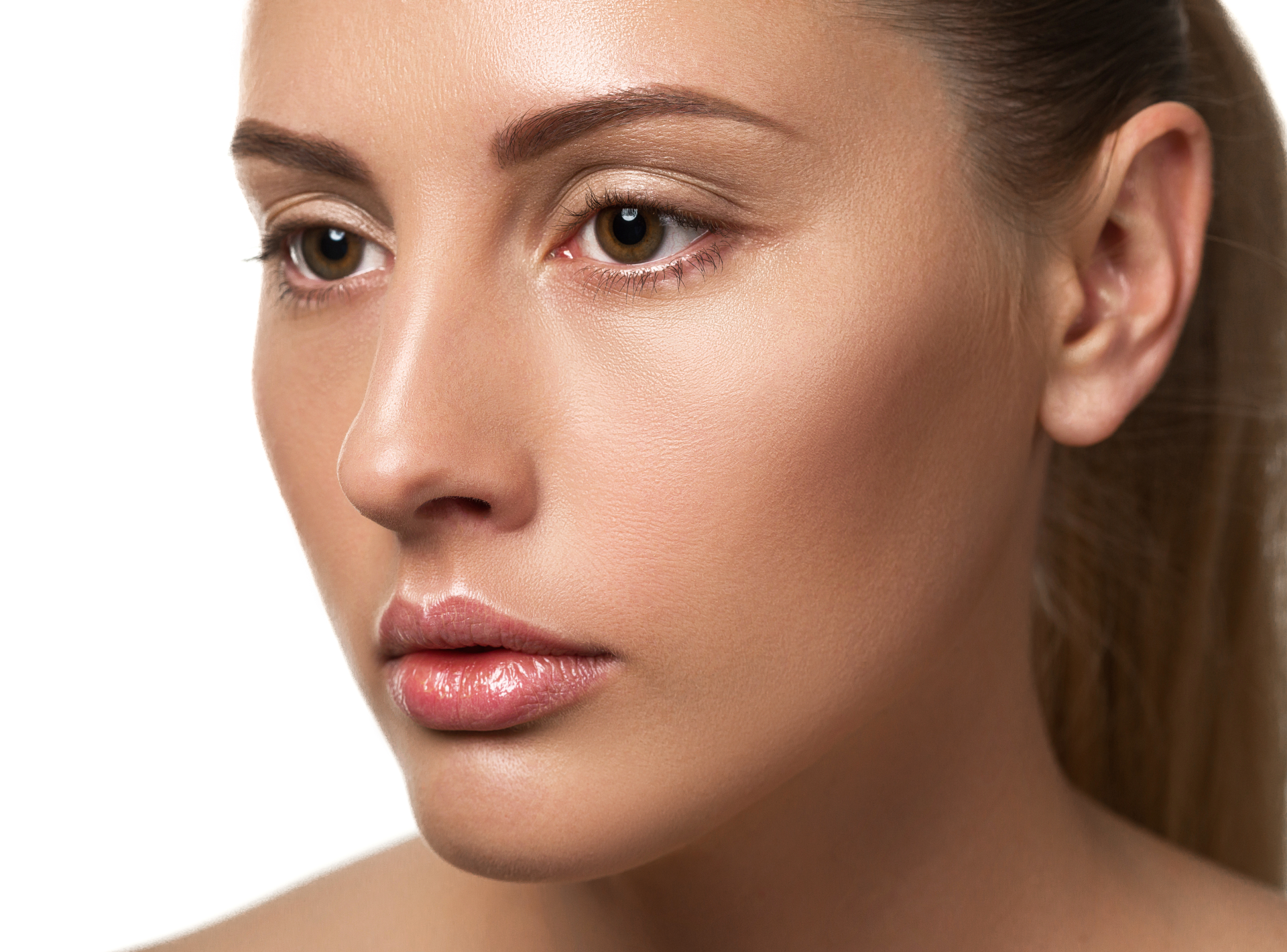
When facial surgeons talk about rhinoplasty these days, they almost always talk about making the nose bigger. For the past 21 years, as a rhinoplasty surgeon and teacher, I have been in favor of making the nose bigger and stronger. There are some risks that come with having a lot of volume in the nose, even though it’s mostly a good thing.
Surgical Rhinoplasty In Dubai
Surgical rhinoplasty in Dubai is a medical procedure performed to reshape, resize, or correct the structure of the nose for aesthetic or functional purposes. It can address concerns such as nasal humps, wide or bulbous tips, crookedness, asymmetry, or breathing difficulties caused by structural issues. The surgery involves precise modification of the nasal bones and cartilage, typically under anesthesia, to achieve balanced, natural-looking results. Patients benefit from long-lasting improvements in both appearance and nasal function. Recovery includes managing swelling and following post-operative care instructions to ensure optimal healing and successful outcomes that enhance facial harmony and boost confidence.
Non-surgical Rhinoplasty In Dubai
Non-surgical rhinoplasty in Dubai, also called liquid rhinoplasty, is a minimally invasive procedure that uses injectable dermal fillers to reshape and contour the nose without surgery. It can smooth bumps, lift the nasal tip, and improve symmetry for a more balanced appearance. The procedure is quick, requires minimal downtime, and provides immediate results. Although temporary, it is an effective option for individuals seeking subtle enhancements without undergoing surgical rhinoplasty.
Selecting The Appropriate Graft
Choosing the grafts to use to add volume is the first risk during surgery.
Nasal Septal Cartilage: The best graft comes from the nasal septum. Septal cartilage is a great graft because it is thick and can be shaped easily. When put into the nose, septal cartilage seems to last forever. You can shave, thin, cut, chop, score, or crush septal cartilage to make the perfect graft for a certain part of the nose. For instance, if it needs to be a hidden supporting graft, it can be made to fit perfectly where it is needed, giving support without adding weight. If you need to hide surface flaws, on the other hand, it can be crushed so that it looks like it’s not there, but still does the job.
However, the graft can move, or the septal cartilage can warp. This can happen because of the stress of healing or because of a mistake made when putting the graft in place. Any cartilage graft can have these problems. In fact, septal cartilage is the near-ideal graft that all other grafts are compared to.
Ear cartilage: Why do some surgeons use the ear instead of the septum for their grafts? The best answer is that they don’t feel safe taking septal cartilage. Ear cartilage is not as strong, flexible, or stiff as septal cartilage. Ear cartilage is only better than septal cartilage when it comes to being a soft, camouflage graft. The ear has parts that can be used for structural support, but using the ear is only a good idea when septal cartilage is not available because of previous surgery or serious injury.
Rib cartilage: It is more plentiful than septum cartilage. Rib cartilage is stiffer than septal cartilage, and in most people, it will start to turn into bone by age 49, which makes it weak. Most surgeons only use rib for revision rhinoplasty when they need to do a lot of work on the nose, and the septal cartilage isn’t enough for the job.
In older patients, irradiated rib cartilage is sometimes used for revision cases because their own ribs are likely to be too ossified to be useful.
Bone from the skull or pelvis used to be used for nasal reconstruction, but rib cartilage has been shown to last longer and be more useful.
Artificial implants: Artificial implants, also called alloplasts, were used a lot in rhinoplasty in the past, but they are not as good as septum, ear, or rib cartilage because they are more likely to get infected. For instance, in primary augmentation rhinoplasty, expanded tetrafluoroethylene (e-PTFE) implants have been the best choice over time because they have the lowest rates of infection and extrusion. However, their safety in revision rhinoplasty has not been as good.
Where Is The Volume Added?
Rhinoplasty usually needs volume in any area where the nose is too low or too flat. The bridge, the sidewall, and the tip are all common places. A bulbous, wide tip almost always needs some kind of graft to make it more defined and give it a better shape.
The nostril edge is one area where the volume needs are less clear. There is almost always a volume deficit in the area of the nose where the nostril is too high. Grafts that push the edge of the nostril down, like alar rim grafts or alar batten grafts, need to be strong but still a little flexible so that they don’t make the edge of the nostril too stiff. The best type of cartilage is septal cartilage.
When the volume deficit is bad enough to pull the nostril rim back a lot, not only do you need more cartilage, but you also need more lining. For this, the best option is to use composite grafts made from skin and cartilage from the ear. There will be a skin defect in the ear that needs to be fixed because skin is needed. A skilled rhinoplasty surgeon can do this and leave only a small, well-hidden scar.
It is harder to add volume to a patient with thin skin because thin skin shows everything underneath it. In these unique situations, the rhinoplasty surgeon performs three actions:
- Put grafts under normal cartilage so that the smoothness of the normal cartilage is closest to the skin.
- If you have to put grafts right under the skin, make them as smooth as possible and hold them in place with dissolvable sutures so they don’t move.
- If you need to, put a layer of soft tissue between the grafts and the skin. The best material for this is the temporalis fascia, which is taken from an incision in the hair on the temple. You can also use fat.
BOOK AN APPOINTMENT TODAY
Rhinoplasty Without Surgery
If a patient isn’t ready for rhinoplasty but could use more volume to fix asymmetries or build up a bridge, they can choose non-surgical, liquid rhinoplasty.
A facial plastic surgeon or dermatologist injects a temporary dermal filler here to make the height and/or symmetry better. Radiesse, Sculptra, liquid silicone, Restylane, and Juvederm are just a few of the products that can be used for this. I like Restylane-L the best of these.
Restylane-L is a hyaluronic acid filler that also has lidocaine, a painkiller, in it. Restylane-L can be reversed if the filler goes to the wrong place. It is small enough to fill in most areas of the nose and lasts about a year. When injecting, you need to be careful not to block blood vessels in the skin of the nose, as this can cause skin loss in that area. The injector always has hyaluronidase (like Vitrase) on hand in case the Restylane-L that was injected needs to be dissolved. [Note: The FDA has only approved Restylane-L for filling soft tissue in the deep dermis, not the nose. It can be used off-label with the patient’s permission.] It’s clear that injecting the nose is different from injecting the rest of the face, so make sure you hire an experienced injector.
Today’s rhinoplasties make the nose stronger and bigger, and the results last for life.
Visit our website at Perfect Doctors Clinic for more information about rhinoplasty. Dr. Perfect Celebrity’s article “Rhinoplasty Cost” has information about the cost of rhinoplasty. You can also call us now for a free consultation during the discount season.
Best Plastic Surgeon In Dubai For Surgical Rhinoplasty
Best Plastic Surgeon in Dubai for surgical Rhinoplasty offers comprehensive nose reshaping procedures to enhance both the appearance and function of the nose. Dr. Perfect Celebrity provides personalized surgical plans tailored to each patient’s facial features and goals, ensuring natural-looking, balanced results. Surgical rhinoplasty can address aesthetic concerns such as nasal humps, a wide or bulbous tip, crookedness, or asymmetry, while also correcting functional issues like breathing difficulties caused by structural problems. The procedure involves precise reshaping of nasal bones and cartilage under anesthesia, with careful attention to maintaining facial harmony. With modern techniques and post-operative care, patients can achieve long-lasting improvements in both the look and functionality of their nose, boosting confidence and overall quality of life.
MEET THE EXPERT DOCTOR
Best Aesthetic Clinic In Dubai For Non-surgical Rhinoplasty
Best Aesthetic Clinic in Dubai for Non-surgical Rhinoplasty offers advanced, minimally invasive treatments to reshape and enhance the nose without surgery. Perfect Doctors Clinic provides expert non-surgical rhinoplasty using high-quality dermal fillers to smooth bumps, lift the nasal tip, and improve symmetry. This procedure delivers natural-looking results with minimal downtime, making it an ideal option for those seeking subtle nose enhancements without undergoing surgery. Skilled specialists at the clinic tailor each treatment to the patient’s facial structure and aesthetic goals for balanced, harmonious outcomes.