





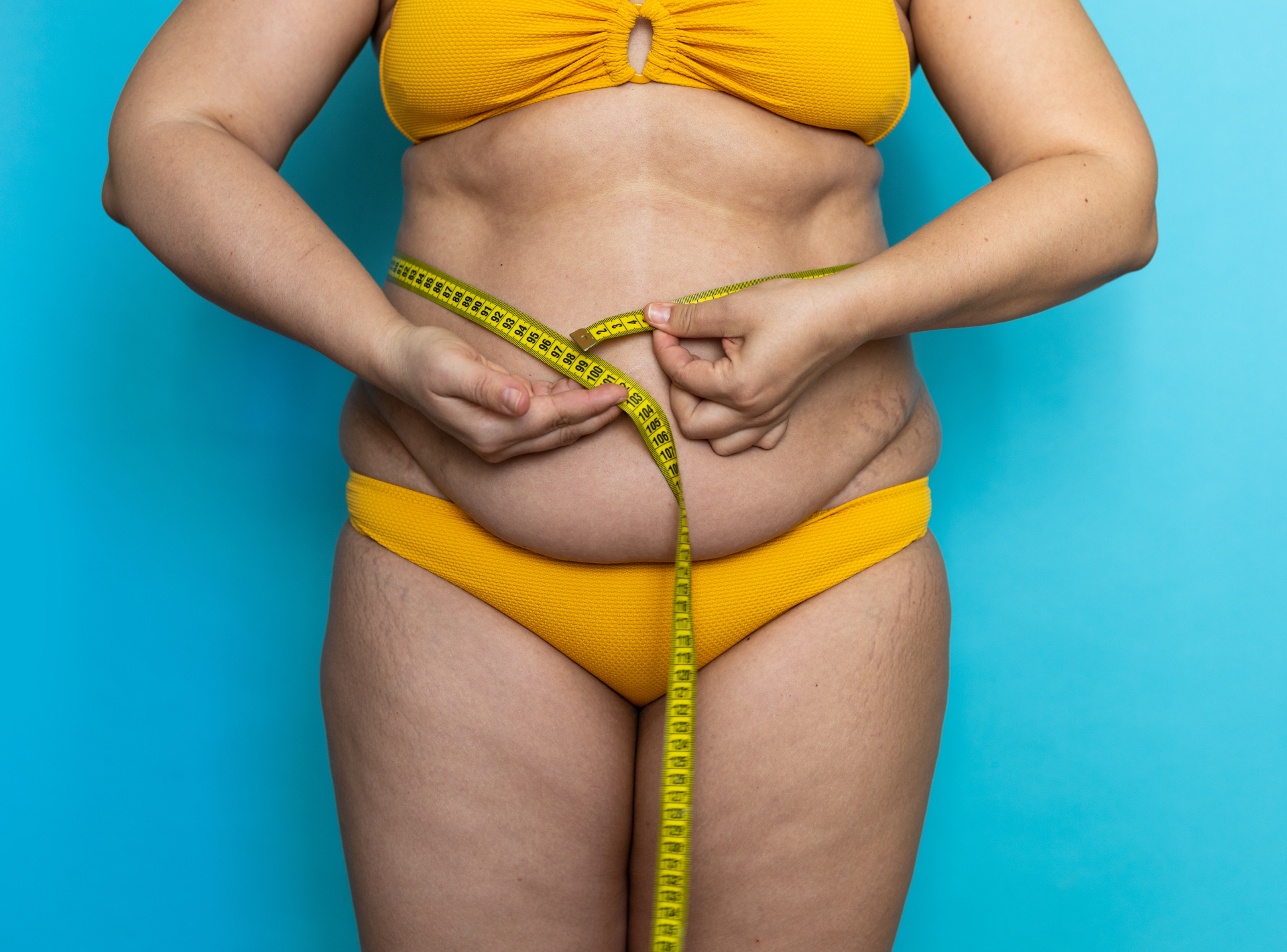
Liposuction is a well-known cosmetic procedure that removes extra fat from certain areas of the body to change its shape and contour. Even though liposuction is very popular, there are a lot of myths and misunderstandings about it that can lead to unrealistic expectations and disappointment when the results don’t match these false beliefs.
In this article, we will look into and debunk 10 common myths about liposuction. This will help people who are thinking about getting the procedure understand what it really is and give them the right information they need to make an informed decision. We want to clear up any misunderstandings about this life-changing but often misunderstood cosmetic procedure, including how it works and how it affects weight loss, cellulite, and skin texture.
Liposuction In Dubai
Liposuction in Dubai is frequently misunderstood due to widespread myths. Contrary to popular belief, liposuction is not a weight-loss procedure, does not prevent future fat gain, and requires adequate recovery. Understanding the differences between facts and myths enables patients to make safe and effective decisions about body contouring procedures.
Myth 1: Liposuction Isn’t Real Surgery
A common misunderstanding about liposuction is that it isn’t “real” surgery. This myth probably comes from the fact that the cuts made during the procedure are usually small and may not even need stitches, which makes it seem like a minor procedure. But this is not true at all.
It is true that liposuction is a type of surgery that takes fat out of the body. Even though the cuts are small, a lot of work is going on below the surface. Before fat can be removed, it needs to be broken up or mixed with something else. This is especially true for Laser or Sound Wave assisted liposuction. It has risks, just like any other surgery, and you need to think about it carefully and get ready for it.
Patients should take liposuction very seriously. Not everyone reacts well to local or general anesthesia, and the body may respond in different ways. Patients should be fully aware of the possible risks and the importance of following post-operative care instructions, even though complications are rare.
Liposuction with lasers or sound waves is a more advanced method that uses energy to break down fat cells before removing them. These methods may have some benefits, like less bruising and swelling, but they are still major surgeries. A qualified plastic surgeon should talk to the patient about the best technique for their needs and goals.
Myth 2: Liposuction As A Weight-Loss Technique
People often think that liposuction is a quick way to lose weight, which is another common myth. Many people think that liposuction is a way to lose weight, but this is not true. This can lead to unrealistic expectations and disappointment.
Liposuction is mainly used to shape and contour the body by getting rid of fat that won’t go away with diet and exercise. It doesn’t replace a healthy lifestyle and works best for people who are close to their ideal body weight but have trouble losing fat in certain areas. The procedure targets and removes specific areas of fat, improving the shape and size of the body.
People who are good candidates for liposuction are those who eat a healthy diet and exercise regularly to keep their weight stable, but there are certain areas of fat that won’t go away no matter what they do. Bariatric Surgery and other procedures may be suggested for people who want to lose a lot of weight. Patients need to know exactly what liposuction can do and what they can expect from the procedure.
Patients may notice that their clothes fit better and their bodies look more sculpted after the procedure, but it’s important to remember that fat weighs less than water, so the weight loss on the scale may not be very much. Liposuction isn’t about losing weight; it’s about changing the shape and contour of your body. After the procedure, it’s important to keep living a healthy lifestyle to keep the results and stop weight gain in areas that weren’t treated.
Myth 3: After Fat Is Gone, It Won’t Come Back
People often think that liposuction will permanently remove fat, but this is not true. There is some truth to this, but it’s important to understand the details so you don’t get disappointed and the results last.
During liposuction, fat cells are taken out of the area that is being worked on, and these cells do not grow back. But this doesn’t mean that the fat cells that are still in the body can’t get bigger. The body can still store fat, and if you don’t live a healthy lifestyle, you may gain weight.
To keep the results of liposuction, it’s important to eat a balanced diet and work out regularly. The areas that were treated may have fewer fat cells, which means they are less likely to store a lot of fat. However, other parts of the body that weren’t treated can still gain weight. Eating too much or not eating right can make you gain weight and change the shape of your body, which can change how you look overall.
An unbalanced diet and not getting enough exercise can cause weight gain in areas that aren’t treated, which can make you look uneven or out of balance. Patients need to be dedicated to living a healthy life in order to get long-lasting results and avoid ruining the procedure’s aesthetic results.
Myth 4: Liposuction Is Always An Outpatient Procedure
People often say that liposuction is always an outpatient procedure, like a “lunchtime” cosmetic procedure, but this is not true. The truth is that the procedure can be very different for each person and the type of surgery they have.
Depending on how much fat is being removed and how well the patient can handle it, liposuction can be done with either local or general anesthesia. Some patients can have the procedure done with just a local anesthetic and maybe an oral sedative, while others may need or want general anesthesia. The type of anesthesia used is different for each patient and can change the care and observation needed after surgery.
Many liposuction procedures let patients go home the same day, but there are times when they need to stay in the hospital overnight for observation, especially if they were put under general anesthesia. The patient’s safety is the most important thing to think about when making the decision. This includes things like how extensive the surgery is and how healthy the person is overall.
Patients should never drive themselves home after liposuction, no matter if the procedure is done in an outpatient setting or requires a hospital stay. It is important to make arrangements for transportation because the effects of anesthesia and the condition right after surgery can make it hard to drive safely.
Myth 5: Liposuction As A Substitute For Breast Lift
People who think that liposuction can replace a breast lift are wrong, and this can lead to poor results for people who want to fix sagging breasts. Liposuction can change the size and shape of the breasts, but it doesn’t make them firmer and lift them like a breast lift does.
Liposuction mainly removes extra fat, which can make breasts smaller. But it doesn’t deal with problems like skin laxity and the loss of tone in connective tissue, which are often what cause breasts to sag. The procedure might make the skin a little tighter, but this effect is usually small and not guaranteed.
Breast sagging is often caused by things like getting older, gravity, changes in weight, and changes in hormones, which make the skin less elastic and connective tissue less toned. To effectively deal with sagging breasts, you need procedures that lift and tighten the skin and tissues, like a breast lift (mastopexy). Liposuction alone can’t do this.
If your breasts are sagging a lot, you might want to get a breast lift or a breast lift and augmentation together to get the lifting, firming, and reshaping effect you want. It is important to talk to a qualified plastic surgeon to figure out what the person needs and wants and what the best way to do the surgery is.
Myth 6: Quick Return To Work Post-Lipo
A common myth is that people who have liposuction will be able to go back to work and their normal activities right away. Some patients may heal quickly, but the time it takes to get back to work can be very different for each person and the type of surgery they had.
People can have very different recovery times after liposuction. Some patients, especially those who have minor procedures, may be ready to go back to sedentary jobs in 3 to 4 days. But some people, especially those who have had a lot of surgery, may need a lot more time off to heal and get better.
Because recovery times can vary, it’s a good idea for patients to plan to take more time off than they thought they would need. Giving yourself enough time to heal helps avoid problems and makes the recovery process go more smoothly. Patients should talk to their employers about how their return to work might change and make any necessary plans.
The length and quality of the recovery period can be affected by how each person heals. How quickly a patient can go back to their normal activities depends on things like their age, overall health, how well their body heals on its own, and how well they follow post-operative care instructions. To avoid setbacks and ensure a full recovery, it is very important to listen to your body and follow your doctor’s advice.
Myth 7: Liposuction Is Just For Women
The idea that liposuction is only for women ignores the fact that more and more men are getting this cosmetic procedure. Men, like women, want to improve the shape of their bodies and get rid of stubborn fat, which is why liposuction is popular with both sexes.
Liposuction is one of the three most popular cosmetic procedures for men in Dubai, which is not true. More and more men are getting liposuction to get rid of love handles, chest fat, and fat around the neck and jawline. This shows that the desire for a sculpted body goes beyond gender.
Men often choose liposuction to get rid of love handles and make their stomachs look more defined. Another common request is to lose fat around the chest, which helps men get a firmer, more masculine look. Some men also choose liposuction for their neck and jawline instead of a neck lift because it is less invasive and gives them a younger, more refined look.
Cosmetic surgery is becoming more inclusive of all genders, recognizing and meeting the aesthetic needs and wants of both men and women. More and more men are being open about their cosmetic goals and getting procedures like liposuction to feel better about their bodies and boost their confidence. It is important to create a space where people of all genders can look into cosmetic options without fear of being judged or shamed.
BOOK AN APPOINTMENT TODAY
Myth 8: Liposuction Will Eliminate Cellulite
A common myth is that liposuction can get rid of cellulite, which needs to be cleared up. Liposuction is good for getting rid of deeper fat deposits and shaping the body, but it doesn’t specifically target the structural causes of cellulite, which are closer to the skin’s surface.
Cellulite is when the skin looks like “cottage cheese” with dimples. It usually happens on the thighs and buttocks. It happens when fat cells and connective tissue strands come into contact with each other just under the skin. These fat cells are mixed in with connective tissues, which makes it hard to get rid of them without hurting the skin a lot.
Liposuction gets rid of fat pockets that are deeper under the skin, not the fat that is on the surface and causes cellulite. The procedure can change the overall shape and contour of the body, but it doesn’t directly fix the structural problems that make cellulite look bad. So, people who want to get rid of cellulite should look into other therapies and treatments that are specifically made to get rid of cellulite.
There are many ways to get rid of cellulite, including creams that you put on your skin, massage, laser therapy, and radiofrequency treatments. These options are meant to make your skin feel better, boost collagen production, and make cellulite less noticeable. Talking to a qualified professional can help people find the best options for them and make smart choices based on their needs and goals.
Myth 9: Liposuction Will Make My Skin Look Better
Many people think that liposuction will make the skin look and feel much better, but this is not true. The procedure can improve body shape and get rid of fat, but it doesn’t do much to change the texture of the skin, scars, or stretch marks, and the results vary from person to person.
Liposuction can make the shape of your body smoother, but the final texture of the area that was treated depends a lot on how elastic your skin is. Some patients may notice that their skin is tighter, while others may not notice a big change. Age, genetics, and skin health are some of the most important things that affect how the skin will adapt and retract after fat removal.
Liposuction can change the size and shape of the area being treated, but it doesn’t specifically target or treat surface skin problems like scars and stretch marks. Changes in the fat layer underneath the skin may make these flaws look a little smaller or less noticeable, but liposuction does not fix these skin problems. People who want to get rid of scars and stretch marks should think about treatments that are made just for these problems, like laser therapy or microneedling.
When thinking about liposuction to improve your appearance, it’s important to keep your expectations in check. Patients should know exactly what the procedure can do for their skin’s appearance. Talking openly with a qualified plastic surgeon can help you understand what to expect and look into other treatments if your main goal is to improve the texture of your skin.
Myth 10: Ultrasound And Laser Assisted Lipo Are More Effective Than Regular Liposuction
It is a myth that advanced techniques like ultrasound and laser-assisted liposuction are always better than traditional tumescent liposuction. This is something that needs to be looked into. Although these techniques present specific advantages, there is insufficient evidence to assert their superiority, necessitating individualized method selection.
Ultrasound and laser-assisted liposuction are new methods that use energy to turn fat into liquid before taking it out. These methods are meant to make it easier to remove fat, reduce bruising and swelling, and tighten the skin. But these methods may not work as well or be right for everyone, and they may not be right for the area being treated.
So far, there haven’t been any large, multi-center comparative clinical trials that clearly show that ultrasound and laser-assisted liposuction are better than regular tumescent liposuction. Some small studies show promising results, but others show mixed results, and many of them are paid for by the companies that make these devices, which could affect the results.
No matter what method is used, the plastic surgeon’s skill and experience are the most important things for getting the best results. A skilled surgeon can figure out what the patient needs, talk about the pros and cons of each method, and suggest the best one based on the patient’s goals and body type. Patients should put the surgeon’s experience and reputation ahead of the tools or technology they use.
MEET THE EXPERT DOCTOR
Best Plastic Surgeon In Dubai For Liposuction
Best Plastic Surgeon in Dubai for liposuction is available at the Perfect Doctors Clinic, where Dr. Perfect Celebrity clears up common misconceptions about the procedure. Liposuction is not a weight-loss procedure; results must be maintained, and proper recovery is required—patients are guided by experts for safe, effective, and long-lasting body contouring.