





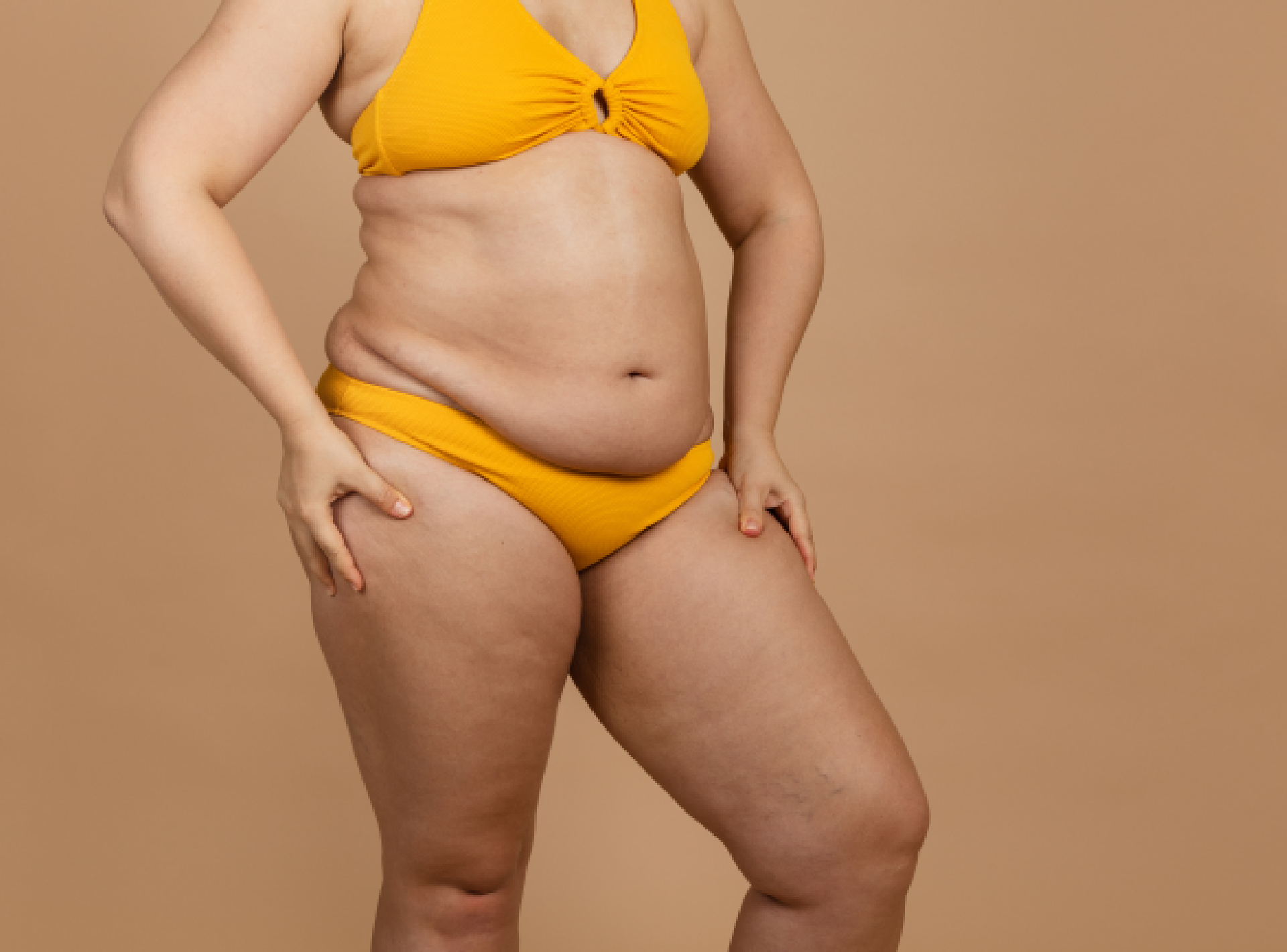
Liposuction is a common cosmetic procedure that helps people get the body shape they want by getting rid of extra fat. But, like any other surgery, liposuction has some things to think about while you’re healing. After liposuction, one of the most common worries is that fluid will build up. You might see swelling, fluid buildup, or fluid leaks coming from the areas that were treated. It’s important to know how to handle fluid after liposuction so that your recovery goes smoothly and successfully.
This blog post will talk about what makes fluid build up after liposuction, how to deal with it, and what you can do to make sure your healing goes as smoothly as possible. These tips will help you take charge of your recovery and get the best results, whether you’ve just had liposuction or are planning to.
Liposuction In Dubai
Liposuction in Dubai necessitates proper aftercare to reduce fluid buildup and swelling following surgery. Wearing compression garments, staying hydrated, taking gentle walks, and following your surgeon’s instructions all help the body naturally drain excess fluids. In some cases, lymphatic drainage massage can aid in faster recovery and smoother contour results.
BOOK AN APPOINTMENT TODAY
What Is Fluid Retention After Liposuction?
After liposuction, the body may accumulate fluid, especially in the regions from which fat has been extracted. This is a normal part of getting better. The surgeon uses a cannula (a thin tube) to take out fat through small cuts during the surgery. To make it easier to get rid of fat and reduce bleeding, a solution called tumescent fluid is sometimes injected into the area being treated. The fluid that is injected into the area has saline (salt water), lidocaine (to numb the area), and epinephrine (to stop the bleeding). Your body may keep some of this fluid after the procedure as it heals.
When you hold onto too much fluid, it can make you swell and hurt. It can also cause seromas, which are pockets of fluid that can form under the skin in the area that was treated. There are things you can do to deal with fluid retention and help your body heal, though.
Dr. Perfect Celebrity is a skilled cosmetic surgeon who knows how important it is to help patients heal properly after liposuction. His advice on how to handle fluid after the procedure can really help you get better.
Why Does Fluid Buildup Happen After Liposuction?
After liposuction, fluid buildup is common and usually happens for a number of reasons:
- Tumescent Fluid: The fluid that is injected during liposuction helps break down fat and get the area ready for fat removal. After the procedure, some of this fluid will stay in the body and can make swelling worse.
- The body’s natural healing process: After liposuction, your body begins to fix the area that was treated. This process can make the body hold onto more fluid because it is focused on healing and reducing inflammation.
- Response of the Lymphatic System: Your lymphatic system helps get rid of extra fluid and waste from your body. After liposuction, the lymphatic system may slow down or stop working for a short time, which can cause fluid to build up.
- Compression Garments: Compression garments are important for helping the body heal and reducing swelling, but if they aren’t worn correctly or all the time, they can sometimes make fluid build up in certain places.
Fluid retention is common, but it usually doesn’t last long and can be controlled with the right care and attention.
How Long Does Fluid Retention Last After Liposuction?
After liposuction, some people may keep fluid for a few days to a few weeks, while others may not. After the procedure, there may be noticeable swelling and fluid leakage at first. The swelling should start to go down as your body gets used to it, and the extra fluid will slowly be absorbed back into your body.
Remember that the swelling and fluid buildup after liposuction should go down a lot in the first three to four weeks. But it may take a few months for the final results to show up completely as your body heals and gets used to the changes.
Dr. Perfect Celebrity says that following the post-operative care instructions carefully is the best way to make sure that swelling and fluid retention are kept to a minimum and that the recovery process goes as smoothly as possible.
How To Manage Fluid After Liposuction?
It is normal to have fluid retention after liposuction, but there are things you can do to help reduce fluid buildup and make your recovery go more smoothly. Here are some tips for dealing with fluid retention:
- Wear Compression Garments As Directed
Wearing compression clothes is one of the most important things you can do after liposuction. These clothes help the healing process by reducing swelling, supporting the newly shaped areas, and making the overall healing process faster. The compression helps the fluid move away from the areas being treated and makes it easier for the body to absorb it.
Dr. Perfect Celebrity will tell you exactly how long to wear the compression clothes, which is usually 48 to 72 hours a day for the first few weeks. You might be able to wear the garment for shorter amounts of time as the swelling goes down.
- Stay Hydrated
After liposuction, it’s very important to drink a lot of water. Drinking enough water helps your body get rid of extra fluid and can help you heal faster. Dr. Perfect Celebrity says that drinking at least 10 glasses of water a day can help your lymphatic system work better and lower swelling.
- Elevate The Treated Areas
It’s important to keep the treated areas raised while you rest to help keep fluids from building up. If you had liposuction on your stomach, for instance, you could try lying on your back and putting pillows under your legs. If you had liposuction on your thighs or sides, try to keep those areas raised as much as you can while you rest.
Raising the treated areas helps the fluid leave the body and makes the lymphatic system work better.
- Gentle Massage (Lymphatic Drainage)
A gentle massage can help with swelling and fluid retention. Lymphatic drainage massage is a way to help the body move extra fluid into the lymph nodes, where it can be gotten rid of. A trained professional usually does this kind of massage, and Dr. Perfect Celebrity may suggest it as part of your recovery process.
You shouldn’t rub the areas that have been treated too hard, because this could hurt the tissues. Before you try any kind of massage, always talk to Dr. Perfect Celebrity to make sure it’s safe for you.
- Monitor For Seromas
After liposuction, a seroma is a group of fluids that can build up under the skin. Seromas are usually not dangerous, but they can be painful and slow down the healing process. Call Dr. Perfect Celebrity right away if you see a seroma or a lot of fluid building up in one spot. Your surgeon may need to drain seromas in some cases to stop problems from happening.
- Avoid Salt And Processed Foods
Too much salt can make you hold onto water, so you should be careful about how much sodium you eat after liposuction. Eating processed foods, fast food, and salty snacks can make your body hold onto more water than it needs to. To help reduce inflammation and speed up healing, eat mostly fresh, whole foods like fruits, vegetables, lean proteins, and whole grains.
- Follow All Post-Operative Instructions
Following Dr. Perfect Celebrity’s post-operative instructions exactly is the best way to deal with fluid retention. He will give you clear instructions on how to care for the areas that were treated, what activities to avoid, and when to make follow-up appointments. Following these steps will help your recovery go smoothly and keep swelling and fluid retention to a minimum.
When To Contact Dr. Perfect Celebrity
After liposuction, it’s normal to have some fluid retention, but you should be on the lookout for any signs of problems. You should call Dr. Perfect Celebrity right away if you see any of the following:
- A lot of swelling that doesn’t go down with compression clothes or raising the area.
- Signs of infection include redness, warmth, or tenderness around the cuts.
- Pain that is very bad and can’t be treated with medicine.
- Any signs of seromas, which are pockets of fluid under the skin.
Dr. Perfect Celebrity will help you get better and answer any questions you have along the way.
MEET THE EXPERT DOCTOR
Best Plastic Surgeon In Dubai For Liposuction
Best Plastic Surgeon in Dubai for liposuction is available at the Perfect Doctors Clinic, where Dr. Perfect Celebrity advises patients on how to reduce post-liposuction fluid through compression garments, hydration, light movement, and proper aftercare to ensure smoother healing and refined body contour results.
Conclusion
After liposuction, it’s normal for your body to hold on to fluid, but with the right care, you can help your body heal faster and reduce swelling. You can make sure that your recovery goes smoothly and that you get the best results by following Dr. Perfect Celebrity’s advice to wear compression clothing, drink plenty of water, raise the areas that were treated, and watch what you eat.
If you’re thinking about getting liposuction or have already had it done, get in touch with Dr. Perfect Celebrity for personalized care and advice. His knowledge and experience with liposuction will help you reach your body goals while making sure you have a safe and quick recovery.
Don’t wait to get in touch with us today if you want to learn more about liposuction and recovery or schedule a meeting with Dr. Perfect Celebrity.