





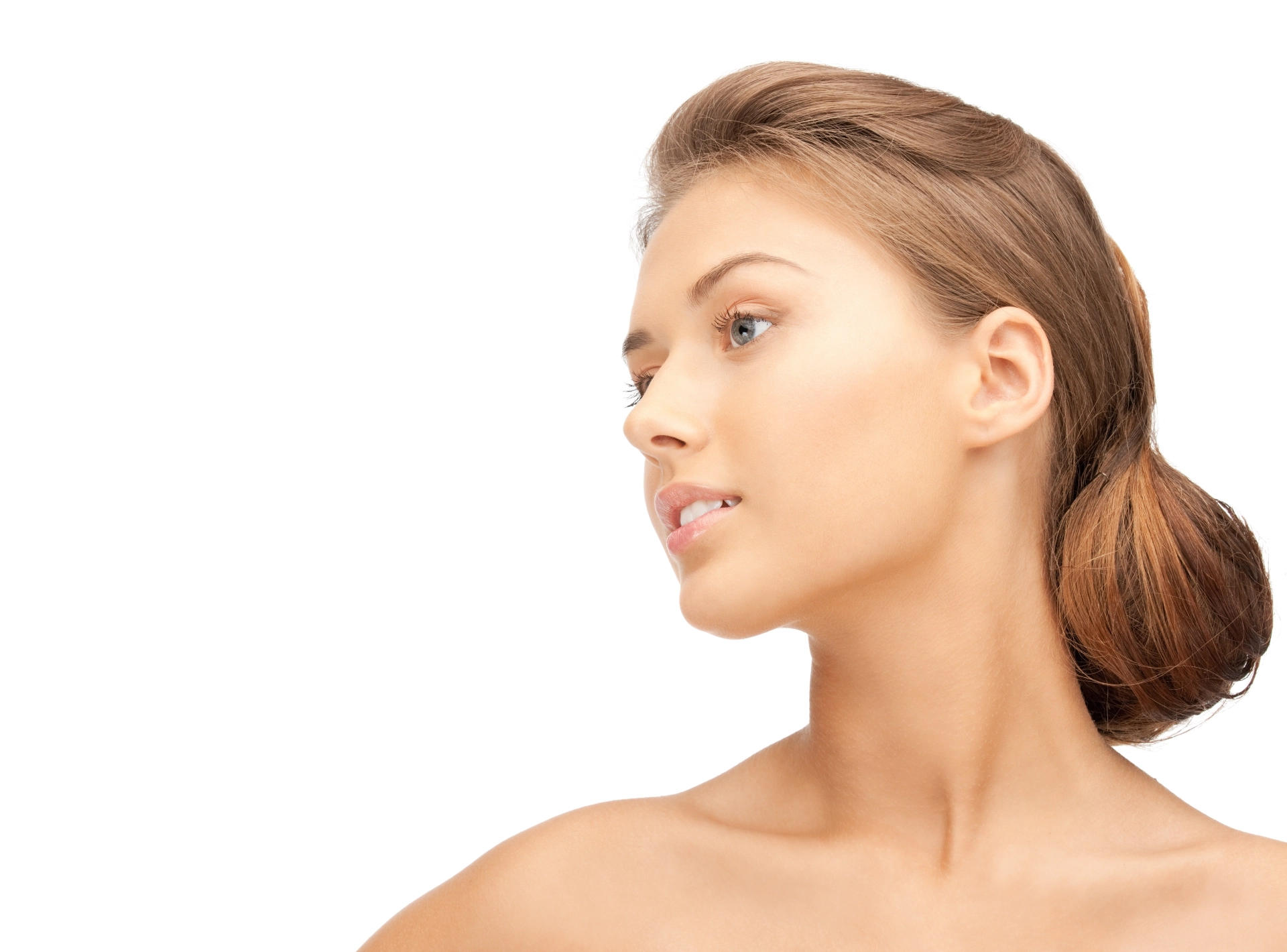
In the months following rhinoplasty, it’s normal to notice that your nasal tip appears a little lower or different from what you had anticipated. After rhinoplasty, this change—often referred to as tip drop—occurs frequently as swelling subsides and tissues settle.
Many patients inquire as to whether the tip of their nose will drop following rhinoplasty and how much change is typical during the healing process.
Our expertise in cutting-edge rhinoplasty techniques is put to use at Perfect Doctors Clinic in Dubai, UAE, to help patients anticipate their recovery. Our objective is to provide straightforward, sincere advice so you feel informed and encouraged at every turn.
Rhinoplasty In Dubai
Rhinoplasty in Dubai is a surgical procedure performed to change the shape, size, or structure of the nose for cosmetic enhancement or functional improvement. It can reduce a prominent hump, refine a wide or bulbous tip, straighten a crooked nose, or adjust the overall proportions to better suit the face. In addition to aesthetic benefits, rhinoplasty can correct breathing difficulties caused by structural problems such as a deviated septum. The procedure is carefully planned according to the patient’s facial anatomy and desired outcome. Depending on the case, it may be performed using open or closed techniques. The goal is to achieve natural-looking, balanced results while maintaining proper nasal function and long-term stability.
What Nose Tip Drop Means After Rhinoplasty
The term “tip drop” describes how the nose tip appears to sit lower than anticipated as healing goes on following rhinoplasty. In many cases, this shift is temporary and represents the natural settling process of the nasal tissues, which can be concerning for patients who expected a more lifted or defined tip right after surgery.
After rhinoplasty surgery, the tip of the nose is frequently the last part to be completely refined. The final course of the nose tip’s healing is influenced by swelling, the development of scars, and modifications in structural support. Swelling that has resolved from the higher parts of the nose may be the cause of what appears to be a downward shift, creating the appearance that the tip has fallen.
While some nasal tip drop is normal following rhinoplasty, a noticeable or persistent downward rotation may indicate a complication that should be discussed with your facial plastic surgeon, particularly if it is accompanied by functional or aesthetic concerns.
Healing Timeline for the Nasal Tip After Rhinoplasty Surgery
There are some general stages you can anticipate regarding the appearance and feel of the nose tip following rhinoplasty surgery, though each patient heals at a different rate. Over time, particularly during the first year of healing, the tip’s appearance will change.
When Does Tip Drop After Rhinoplasty Occur?
Between the first few weeks and three months, when swelling subsides, and the tip starts to settle, tip drop is most obvious. Smaller refinements can last for a year or longer.
What You Might See During the First Month
The nasal appearance is dominated by swelling in the initial weeks following a nose job. Because of internal cartilage grafting of support structures and surgical manipulation, the tip is frequently swollen and slightly upturned.
The tip of the nose may feel hard, even numb, and may look more protruded than usual during this time. This is typical and does not represent the outcome of your rhinoplasty; rather, it represents your immediate post-operative condition.
During this stage, the following are important expectations:
- A nose tip that is higher or rotated
- Pronounced edema, particularly in the lower third of the nose
- Changes in skin sensation and bruises
- Internal swelling-related pressure or congestion
Changes Around the Three-Month Mark
Most of the swelling in the upper portion of the nose starts to go away by the three-month mark. The tip may appear softer, rounder, or even a little droopier as this happens. After rhinoplasty, this is frequently the point at which patients initially notice what appears to be a drop in the tip of their nose, even though this change may just be the result of shifting swelling and tissue settling.
It’s critical to remember that the healing process is still in its early stages. The skin over the tip is gradually forming to fit the new nasal structure beneath, while the cartilage and tissue continue to adjust.
In this period, patients might observe:
- Better breathing as internal swelling decreases
- Changes in the projection or rotation of the tip
- Definitional shifts along the nasolabial angle
How Much Does the Nose Tip Drop After Rhinoplasty?
Each patient and surgical technique has a different amount of nasal tip drop. The majority of the time, the change is not drastic but rather subtle, measured in millimeters. Because tissues relax over time, your surgeon accounts for this settling during surgery.
How the Tip Settles Between Six Months and One Year
The tip starts to take on a more refined shape between six months and a year. The surgically created structural framework stabilizes, and swelling gradually goes down.
Patients should anticipate:
- More seamless changes from the bridge to the tip
- Ongoing definition and softening in the tip area
- Gradual elevation or stabilization of the position of the nasal tip
As part of the normal variance in healing, minor asymmetries or a slightly lower nasal tip may occasionally persist. Consult your surgeon if the tip is obstructing the nostrils or looks excessively droopy.
Long-Term Results and What to Expect Over Time
Although some minor changes may persist for several years, final rhinoplasty results are usually assessed after a full year. Unless there are unforeseen complications or healing problems, the tip’s position should now be stable and represent the surgeon’s desired result.
Revision rhinoplasty may be considered if tip drop seems more noticeable or if it causes functional issues (like breathing difficulties or nasal valve collapse). However, as swelling subsides and scar tissue softens, many mild cases of tip drop resolve or get better on their own.
BOOK AN APPOINTMENT TODAY
What’s Actually Happening Under the Skin
Realistic expectations and reduced anxiety can result from knowing what causes changes in the nose tip’s appearance during recovery. In addition to the surface, cartilage, connective tissue, and scar formation are all part of the healing process.
Swelling and How It Affects the Tip
Nose swelling is not consistent. Because of its limited lymphatic drainage and dense connective tissue, the nasal tip in particular retains fluid for a longer period of time. The shape and apparent position of the tip may be distorted by this residual swelling, appearing larger or lower than it will be in the finished product.
Additionally, during the first year, the external columellar incision can temporarily stop the nasal tip skin’s lymphatic fluid drainage.
Additionally, swelling may change slightly throughout the day, adding to the feeling of uncertainty. While applying cold compresses or taping the nose may provide short-term relief, they won’t significantly alter the tip’s long-term shape.
How Cartilage and Tissue Shape the Final Look
The cartilage structures that support the tip of the nose, especially the lower lateral cartilages, are reshaped during rhinoplasty procedures. The angle, projection, and contour of the tip are improved by methods like suturing, trimming, grafting, or repositioning cartilage.
These structures self-heal over time. However, the way the soft tissue and skin settle over the framework also affects the final appearance. While thinner skin may better display contouring details, thicker skin may give the appearance of softer or rounder features. The necessary cartilage grafting used to modify tip definition, projection, and rotation frequently results in the tip feeling stiffer than it was before surgery.
Additionally, scar tissue may develop beneath the skin, changing the appearance and feel of the nose tip. This is why controlling tip support during healing requires skilled surgical technique and careful post-operative care.
How Surgeons Help Prevent Tip Drooping After Rhinoplasty
The first step in preventing excessive tip droop is surgery. To preserve projection and rotation, surgeons employ structural support methods like suturing and cartilage grafting. Protecting these support structures also requires adherence to post-operative instructions.
Why Tip Position Can Shift Even Months Later
The structure of the nose is dynamic. Natural aging, gravity, and movement from facial expressions can all cause minute changes over time. Internal changes may persist for several months following nasal surgeries, particularly in patients with complicated nasal anatomy or a history of previous procedures.
Among the elements that could cause tip drop are:
- Insufficient cartilage support or excessive resection
- Loss of tip projection as a result of graft absorption or scarring
- Elasticity and thickness of the skin
- Scar tissue’s excessive downward tension
Follow-up care with your surgeon is crucial for this reason. Keeping an eye on the tip position makes it possible to address any unwanted appearance as soon as possible.
Know When Tip Drop Is Normal and When to Talk to Your Surgeon
As your nose changes shape during the healing process, it’s normal to feel uncertain. Being able to distinguish between typical changes and possible problems will help you remain proactive without getting scared.
Signs That Are Part of a Normal Healing Process
Following rhinoplasty, a certain amount of tip drop is normal and expected. Usually, these symptoms occur within the anticipated healing period:
- As the swelling after surgery goes down, the tip looks a little lower or more defined.
- Although there is some mild softness or asymmetry, nasal function is unaffected.
- Over time, the nasal tip’s appearance steadily improves or stabilizes.
- There are no indications of nasal blockage or breathing difficulties.
These changes are frequently noticeable during routine post-operative visits and are typically transient.
What May Be a Sign to Schedule a Follow-Up
Your facial plastic surgeon may need to examine the nose tip further if certain changes occur. These indicators may consist of:
- Drooping abruptly or gradually following the initial recuperation period
- An obvious pinch, unevenness, or collapse in the tip
- Breathing difficulties or obstruction of nasal airflow
- After a year, there are notable discrepancies between expected and actual results.
- Noticeable alterations to the nasolabial folds or nostril shape
A follow-up appointment is the best way to determine whether revision rhinoplasty or non-surgical interventions might be helpful if you encounter any of these problems.
Choose a Skilled Rhinoplasty Surgeon in Dubai, UAE
How well your nose heals and how your nose tip looks in the months after surgery depend greatly on the surgeon you choose. One of the most technically complex facial procedures is rhinoplasty, which calls for an exacting technique that strikes a balance between structure, function, and aesthetics.
Why Surgeon Experience Makes a Difference
Advanced facial rejuvenation and nasal surgeries are the areas of expertise for our board-certified plastic surgeons and facial plastic surgeons at Perfect Doctors Clinic in Dubai, UAE. We prioritize results that look natural and last, and we employ careful techniques to maintain or improve nasal tip support.
Benefits of working with an expert rhinoplasty team include:
- Pre-operative planning that is specific to your facial features
- Techniques for structural support to reduce undesired tip drop
- Early intervention for healing concerns in post-operative care
- A cooperative strategy for achieving both aesthetic and reconstructive objectives
Our staff is here to support you at every stage, whether you’re thinking about having primary nose surgery or are investigating your options following a prior procedure.
MEET THE EXPERT DOCTOR
Frequently Asked Questions About Rhinoplasty Tip Drop
Is Tip Drop After Rhinoplasty Permanent?
Not always. Tip drop following rhinoplasty is frequently transient and associated with the nose’s healing process. The tip may appear lower than it will be due to swelling and soft tissue changes. However, in certain cases, a revision procedure might be required to restore tip position, particularly if structural support was compromised during surgery.
When Does The Tip Drop After Rhinoplasty And When Does It Settle?
After rhinoplasty, the nasal tip usually keeps getting better for another 11 to 17 months. The majority of the swelling goes away in the first three to six months, but in patients with thick skin or complicated anatomy, minor changes may persist after that time.
Can Tip Drop Be Corrected Without Another Surgery?
In certain situations, non-surgical options like dermal fillers can be used to improve mild tip drop. These can aid in smoothing out contours or adding projection. However, revision rhinoplasty is frequently the best long-term option for more serious issues. Depending on your anatomy and objectives, your surgeon can advise you on the best course of action.
What If My Tip Looks Uneven During Healing?
The tip of the nose frequently appears asymmetrical at various phases of recovery. Each side may experience swelling in a different way, and scar tissue may momentarily change shape. Talk about it during your follow-up appointments if you’re worried. The majority of unevenness goes away as healing advances.
Should I Be Worried If My Tip Looks Different Each Week?
Absolutely not. Throughout the healing process, weekly changes are to be expected. As tissues settle, the tip may appear elevated, droopy, swollen, or even slightly altered in shape. These variations are typical and may not accurately represent the outcome of your rhinoplasty.
Will Taping The Nose Help With Tip Support?
In the early phases of healing, tape may help minimize swelling, particularly when used as directed by your surgeon. It does not, however, replace surgical support structures. The way the tip heals depends more on the surgical technique used and the post-operative care given.
Best Plastic Surgeon In Dubai For Rhinoplasty
Best Plastic Surgeon in Dubai for Rhinoplasty offers advanced nose reshaping procedures designed to enhance facial harmony and improve nasal function. Dr. Perfect Celebrity is recognized for delivering customized rhinoplasty treatments tailored to each patient’s facial structure and aesthetic goals. The procedure can refine the nasal bridge, reshape the tip, correct asymmetry, and address breathing concerns. With a strong focus on precision, safety, and natural-looking outcomes, patients receive detailed consultations and personalized surgical planning. The goal is to achieve balanced, proportionate results that complement the overall facial features while maintaining functionality.
Are You Ready For A Consultation?
By learning about modern plastic surgery, you are about to take the first steps toward bettering your appearance and your perception of yourself.
Book a Consultation at Perfect Doctors Clinic
A reputable expert should be consulted if you’ve noticed changes in the tip of your nose following rhinoplasty or if this is your first time thinking about surgery. At Perfect Doctors Clinic in Dubai, UAE, we provide individualized assessments and skilled treatment based on decades of expertise.
Allow us to explain what is typical, what isn’t, and what is feasible. Take the next step toward the nose you’ve always desired—one that is elegant, practical, and harmonious with your inherent features—by scheduling your rhinoplasty consultation right now.