





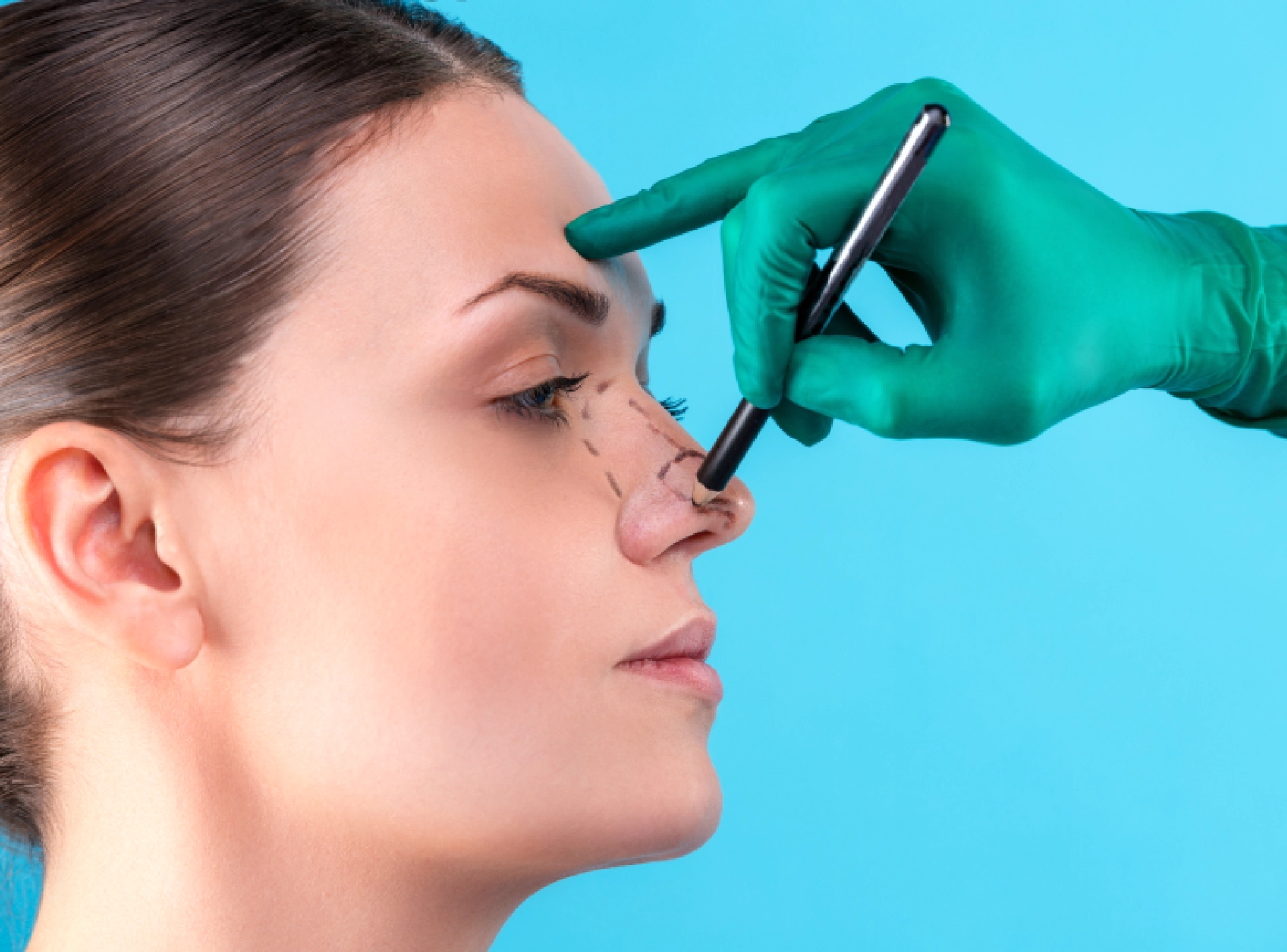
People often ask us about rhinoplasty recovery, which is one of the most common questions we get. Patients are very interested in what will happen as they recover from surgery, and that’s understandable! Before your rhinoplasty, Dr. Perfect Celebrity will give you detailed instructions on how to take care of yourself afterward to make sure you heal quickly. The following will be included in these instructions:
- How to take care of the area where the surgery was done
- When to go back to the office for your follow-up visit
- What medicines to take
Rhinoplasty In Dubai
Rhinoplasty in Dubai is a surgical procedure aimed at improving the appearance and function of the nose. It can correct cosmetic concerns such as a dorsal hump, wide nostrils, asymmetry, or a drooping nasal tip, while also addressing functional issues like breathing difficulties caused by a deviated septum or other structural problems. The surgery involves precise reshaping of the nasal bones, cartilage, and soft tissues to create a harmonious look that complements the patient’s facial features. Rhinoplasty can be performed using either open or closed techniques, and results are customized to the individual’s anatomy and aesthetic goals for natural, balanced outcomes.
Immediately After Surgery
After surgery, you will be taken to the recovery suite. After that, an adult friend will take care of you and take you home. They should help you get into a comfortable position for recovery with food, water, and medicine close by. Your friend should stay with you for the first 23 hours after your surgery in case you need help.
Your Facial Appearance
Your nose will be bruised and swollen. Your face may also look puffier than usual, and the area around your eyes may look bruised. For two to four days after surgery, it’s normal to have bloody nasal discharge.
You will wear a nasal splint over your nose to protect it from accidental contact and support its new structures. For one week, the splint should stay in place. Dr. Perfect Celebrity will take it out at your follow-up appointment after the surgery.
The swelling will go down in a few weeks. As the swelling goes down, you will see changes in how your nose looks over time.
BOOK AN APPOINTMENT TODAY
Managing Discomfort
You can take the oral pain medicine that Dr. Perfect Celebrity told you to if you are in pain or discomfort. He will tell you when to take it and how much to take. Putting ice bags on the area (we suggest crushed ice) can help with pain and swelling.
You might also have trouble breathing through your nose because the inside of it is swollen after surgery. Don’t worry; this will get better over time.
Activity Level
You should keep your head up for the first few days after surgery, even when you sleep. After surgery, light activity like short walks is good for circulation, but for one to two weeks, you should avoid any strenuous activity, heavy lifting, bending at the waist, and straining.
Returning to Work/School and Exercise
Dr. Perfect Celebrity says you should take a week off from school or work. At this point, you can use makeup to cover up any bruises that are still there.
For two weeks, don’t do any hard work, and then slowly get back into your exercise routine.
Most patients can go back to their normal activities in about three weeks. For four to six weeks, you shouldn’t do anything that could accidentally hit your nose, like sports.
Long-Term Recovery
It could take up to a year for all of the swelling to go down and for you to see the final results of your rhinoplasty. You should see an improvement right away after your nasal splint comes off, though.
MEET THE EXPERT DOCTOR
Best Tips for a Faster Rhinoplasty Recovery
Patience is a prerequisite for a successful rhinoplasty recovery; however, there are numerous measures you can take to expedite the healing process and optimize your outcomes. In my years of experience as a plastic surgeon, I have personally observed the significant impact that minor modifications to postoperative care can have. The following are my top suggestions for expediting the recovery process while guaranteeing a secure healing process.
How to Reduce Swelling After Rhinoplasty
Swelling is a typical aftereffect of surgery; however, there are methods to reduce it and enhance your comfort during the recovery process.
- Elevate your head: For the initial two weeks, it is beneficial to sleep with your head at a 44-degree angle to facilitate the drainage of excess fluid and the reduction of swelling.
- Utilize cold compresses: Decrease swelling and bruising by applying a cold compress around the nose during the initial 2 days, rather than directly on it.
- Maintain hydration: Consuming an abundance of water and refraining from consuming salty foods can assist in the elimination of excess fluids and the prevention of further swelling.
- Restrict sodium consumption: Salt can induce water retention, which may prolong swelling. For the initial few weeks, adhere to a low-sodium diet.
- Refrain from making excessive facial movements: Activities such as prolonged talking, laughing too hard, or smiling excessively can exacerbate swelling and discomfort.
How to Sleep After Rhinoplasty
Ensuring that your nose is safeguarded while you sleep is one of the most critical components of rhinoplasty recovery.
- For a minimum of two weeks, sleep on your back with your head elevated using an additional pillow or a wedge pillow. This safeguards against unintentional pressure on the nasal passages.
- Refrain from sleeping on your side, as this can result in asymmetry and a shift in the nasal structure.
- Utilize a travel pillow to maintain your head’s stability and prevent it from rolling over during sleep.
- Avoid sleeping with pets or small children in your bed, as accidental contact with your nose could potentially affect the healing process.
Can I Exercise After Rhinoplasty?
Numerous patients are enthusiastic about resuming their fitness regimen following surgery; however, complications, bleeding, and swelling may be exacerbated by prematurely resuming physical activity.
- For two weeks: For the initial two weeks, it is recommended that you engage in low-impact activities, such as brief walks, to enhance circulation and mitigate the risk of blood clots.
- Weeks 3-5: You are permitted to resume non-strenuous activities, such as light yoga or stretching, but it is advised that you refrain from lifting heavy weights or bending over.
- Weeks 5-7: The majority of patients are able to commence light cardio activities, such as stationary cycling or brisk walking. However, it is important to refrain from engaging in high-impact exercises.
- After six weeks: You may gradually resume more strenuous workouts, but it is important to be cautious of any swelling or discomfort. To prevent nasal injury, refrain from participating in contact sports for a minimum of three months.
What Not to Do After Rhinoplasty
The healing process can be impeded, and the final results may be compromised by specific habits and errors. The following are some common things to avoid:
- Refrain from blowing or touching your nose: Bleeding and the disruption of healing can result from blowing one’s nose within the initial weeks. To alleviate pressure, sneeze with your mouth open.
- Refrain from wearing sunglasses or glasses: The healing process can be distorted by placing glasses on the nasal bridge. In order to prevent direct contact, it may be necessary to employ tape or specialized support.
- Stay away from alcohol and smoking: Refrain from consuming alcohol and smoking, as they can exacerbate swelling and delay the healing process, thereby extending the recovery period.
- Refrain from prolonged sun exposure: The skin surrounding the nose is delicate following surgery, and ultraviolet rays can induce discoloration or prolong swelling. If you are required to be outdoors, it is important to wear a hat and sunscreen.
- Don’t rush your recovery: Although many patients experience a sense of optimism after a few weeks and desire to resume their regular routines, the process of healing necessitates time. Complications that necessitate additional corrections may result from rushing.
By adhering to these post-operative care guidelines, you can guarantee a smooth rhinoplasty recovery, minimize discomfort, and achieve the best possible outcomes.
Best Plastic Surgeon In Dubai For Rhinoplasty
Best Plastic Surgeon in Dubai for Rhinoplasty provides expert, personalized surgical care to help you achieve a beautifully balanced and natural‑looking nose. Dr. Perfect Celebrity and his experienced team offer detailed consultations to understand your aesthetic goals and evaluate your nasal structure. Using advanced surgical techniques and a tailored approach, they address cosmetic concerns like asymmetry, dorsal humps, wide nostrils, and drooping tips, as well as functional issues such as breathing difficulties. From pre‑operative planning to post‑surgery recovery guidance, patients receive attentive support and safe, high‑quality care. The result is improved nasal harmony, facial balance, and enhanced confidence.
Questions? Call Dr. Perfect Celebrity
Call Dr. Perfect Celebrity now if you have any questions about how to get better after rhinoplasty.