





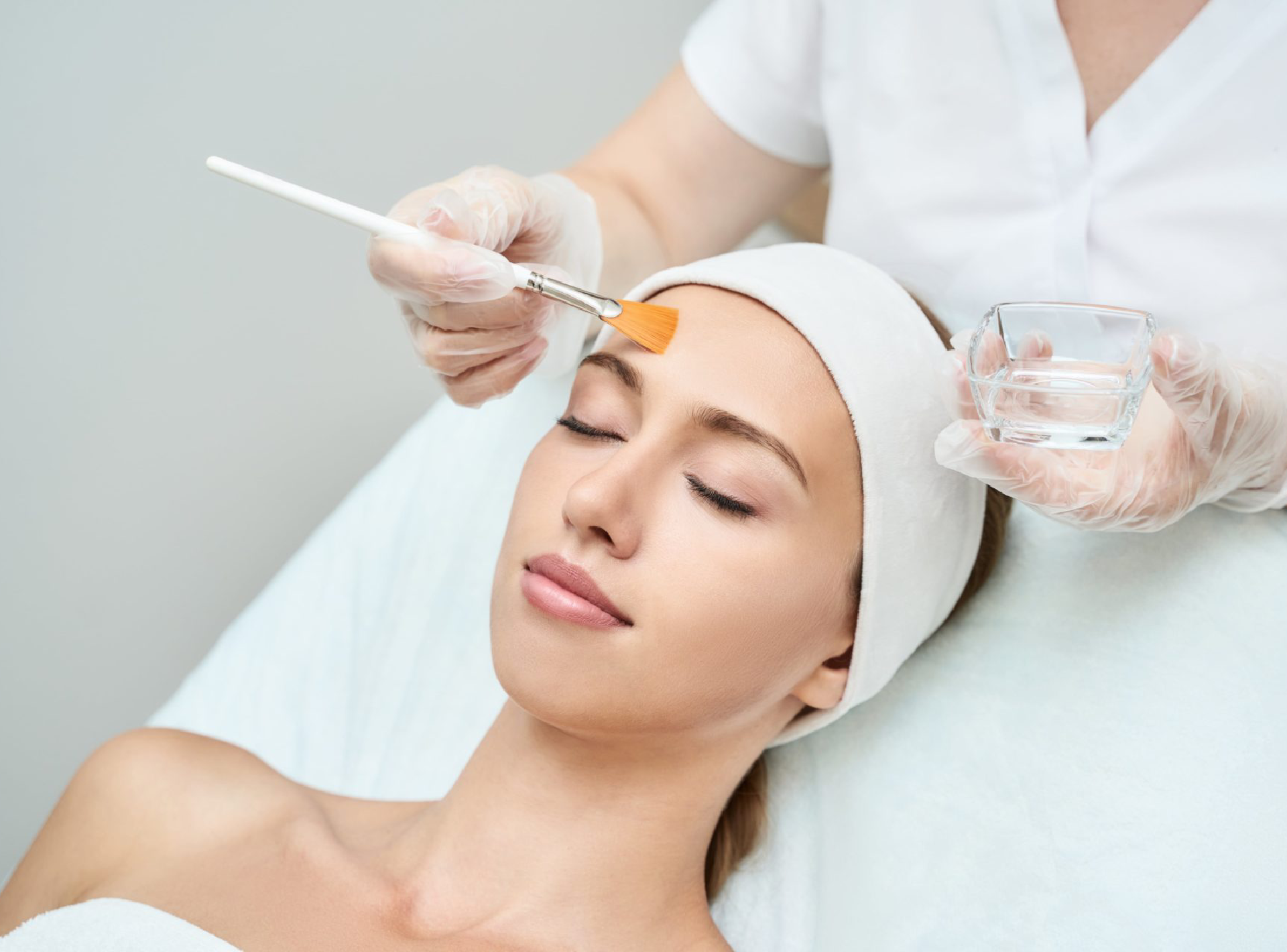
Chemical peels are a leading component in great skin care.
Chemical peels are regarded as an excellent adjunct to laser resurfacing and laser skin tightening, in addition to their efficacy in exfoliating the skin’s surface to promote the growth of new cells. For this reason, chemical peels have grown in popularity over time.
Chemical peels reveal a smoother, healthier, younger-looking complexion by removing the top, damaged layers of skin using chemical solutions like trichloroacetic acid or alpha hydroxy acid.
We provide a variety of chemical peels at Perfect Doctors Clinic to meet every skin type.
Chemical Peels In Dubai
Chemical peels in Dubai are a professional skin-resurfacing treatment designed to exfoliate damaged outer layers of the skin and stimulate natural cell renewal. It helps improve skin texture, tone, acne, pigmentation, fine lines, and sun damage. Different peel strengths and formulations are available, allowing treatments to be customized for individual skin types and concerns. Performed by experienced practitioners in advanced aesthetic clinics, chemical peels promote smoother, brighter, and healthier-looking skin with minimal downtime and long-lasting rejuvenation benefits when combined with proper aftercare.
Nimue Glycolic Treatment
Recommended for: hyperpigmented skin
Hyperpigmented skin responds well to our Nimue glycolic treatment. Glycolic acid is used for a thorough exfoliation, providing controlled and anticipated removal of dry skin tissues while improving the skin’s feel and appearance.
Nimue TCA Peel
Recommended for: acne-prone and clogged skin
Our Nimue TCA Peel, also referred to as a proactive skin restoration therapy, deeply exfoliates the outermost layer of the skin by combining a 7.4% TCA with a bioactive compound. This makes it easier for skin-healing alpha hydroxy acids and other active ingredients to penetrate the skin effectively, leaving behind smooth, vibrant skin with an even texture.
Nimue Fading Treatment
Recommended for: sun-damaged and pigmented skin
Antioxidants are used to shield your skin from free radical irritation and environmental harm. By lowering melanin, these antioxidants control the production of new pigmentation while fading that which already exists.
Nimue Corrective Treatment
Recommended for: acne and acne scarring
This gentle, superficial peel is ideal for treating acne and acne scarring. In addition to reducing acne scars and large pores to avoid breakouts, the active ingredients and corrective serum used during the treatment aid in absorbing excess oil to prevent dirt accumulation, which is the main cause of acne.
Select the best chemical peel that best suits your skincare requirements to enhance the appearance of your skin.
BOOK AN APPOINTMENT TODAY
FAQs
Who Is A Good Candidate For Chemical Peel?
A good candidate for a chemical peel is anyone looking to improve common skin concerns such as pigmentation, acne, acne scars, uneven skin tone, dullness, fine lines, or early signs of aging. Chemical peels are suitable for both men and women and can be customized for different skin types, including oily, dry, combination, and certain sensitive skin. Individuals with sun damage or rough skin texture also benefit significantly. However, not all peels suit everyone. A professional consultation is essential to assess skin condition, medical history, and lifestyle factors to ensure the safest peel type and optimal results tailored to your skin needs.
What To Expect After A Chemical Peel?
After a chemical peel, it is normal to experience mild redness, tightness, dryness, or visible peeling depending on the peel’s strength. Light peels may cause slight redness that subsides within hours, while medium peels can lead to peeling for several days. The skin may feel sensitive and appear flaky as dead skin sheds. Hydration and sun protection are crucial during this phase. Results gradually emerge as new skin forms, typically within 4-13 days. Following aftercare instructions helps reduce irritation, supports healing, and enhances the outcome of smoother, brighter skin.
When Will I See The Results?
Results from a chemical peel are usually noticeable once the skin completes its shedding process, typically around 9-14 days after treatment. Early improvements include brighter skin tone, smoother texture, and reduced congestion. However, optimal results are achieved gradually. Most practitioners recommend completing a series of 4–6 sessions, depending on the treatment protocol and skin concern being addressed. Each session builds upon the previous one, enhancing clarity, pigmentation control, and collagen stimulation. Consistency and adherence to aftercare, including sun protection, play a key role in achieving and maintaining visible, long-term skin improvements.
Is There Downtime?
Downtime after a chemical peel varies based on the peel’s depth and formulation. Light or lunchtime peels usually cause minimal redness or dryness, allowing patients to return to daily activities the same day. Medium-depth peels may involve visible peeling, redness, and mild discomfort lasting several days. Deep peels require longer recovery and strict aftercare. Your practitioner will advise on expected downtime before treatment. Following recommended skincare routines, avoiding sun exposure, and using gentle products help minimize downtime and support faster healing while ensuring safe, effective results.
How Long Will The Results Of A Chemical Peel Last?
The results of a chemical peel can be long-lasting, especially when supported by proper skincare and sun protection. Improved skin texture, tone, and clarity may last for months. However, ongoing exposure to sun damage, pollution, acne triggers, or poor skincare habits can lead to new skin concerns over time. Maintenance peels and a consistent at-home skincare routine help preserve results. While chemical peels significantly improve the skin, they do not stop natural aging. Regular professional treatments combined with healthy habits ensure sustained, youthful, and refreshed-looking skin.
What Are The Possible Side Effects Of A Chemical Peel?
Common side effects of chemical peels include mild redness, dryness, tightness, flaking, and temporary sensitivity. These effects are usually short-lived and resolve with proper aftercare. Possible but less common complications include post-inflammatory hyperpigmentation, prolonged redness, infection, delayed healing, or, in rare cases, scarring, particularly with deeper peels. Risks are minimized when treatments are performed by qualified professionals who select the appropriate peel strength for your skin type. Strict adherence to post-treatment care, especially sun avoidance and sunscreen use, significantly reduces the risk of complications and ensures safe healing.
When Is It Safe To Have Another Chemical Peel?
The timing for repeat chemical peels depends on the type and depth of the peel performed. Light peels can typically be repeated every 1-3 weeks to maintain results and gradually improve skin quality. Medium peels are usually spaced 2-5 months apart to allow full skin recovery. Deep peels are intense and generally not repeated. Your practitioner will design a treatment schedule based on your skin goals, tolerance, and response to previous peels. Proper spacing ensures optimal results, reduces irritation, and allows the skin sufficient time to heal and regenerate between sessions.
What Type Of Acid Is Used In A Chemical Peel?
Chemical peels use various acids depending on the skin concern being treated. Commonly used acids include glycolic and lactic acid for exfoliation and brightening, salicylic acid for acne and oily skin, and azelaic acid for pigmentation and redness. Medium and deep peels may use TCA or phenol for more intensive resurfacing. Professional multi-acid blends such as Cosmelan and Sesderma are also used for advanced pigmentation and melasma. The acid selection is customized after skin assessment to ensure safety, effectiveness, and targeted treatment of specific skin issues.
Will My Skin Be Sensitive To Sunlight After A Chemical Peel?
Yes, the skin becomes more sensitive to sunlight after a chemical peel because the outer protective layer has been exfoliated. This increased photosensitivity can last from several days to weeks, depending on the peel’s depth. Sun exposure during this period may lead to pigmentation or irritation. It is essential to avoid direct sun exposure and apply broad-spectrum SPF 45+ daily for at least 7-14 days. Wearing hats and avoiding peak sun hours further protects the skin. Proper sun care is critical to maintaining results and preventing complications.
Which Clinic Offers Chemical Peel Treatments In Dubai?
Perfect Doctors Clinic offers customized chemical peel treatments in Dubai, including light, medium, and deep peels tailored to individual skin concerns. Light peels using glycolic or salicylic acid target mild acne and pigmentation, while medium peels such as TCA or Cosmelan address melasma and scars. Deep peels like phenol focus on wrinkles and advanced aging. Each treatment begins with an expert skin assessment to ensure safety and effectiveness. With minimal downtime and personalized protocols, Perfect Doctors Clinic delivers smoother texture, even skin tone, and visible rejuvenation for concerns like acne, sun damage, and aging.
MEET THE EXPERT DOCTOR
Best Aesthetic Clinic In Dubai For Chemical Peels
Best Aesthetic Clinic in Dubai for chemical peels offers advanced skin-resurfacing treatments tailored to your skin concerns for brighter, smoother, and healthier-looking skin. Perfect Doctors Clinic provides expert chemical peel services with experienced dermatologists, personalized care plans, and safe, effective results. Patients benefit from customized peel strengths, professional evaluation, and dedicated aftercare to improve texture, tone, acne, pigmentation, and signs of aging with minimal downtime.
Our professionals will assist you in identifying your skin type and recommend the best facial treatment for you. To schedule a consultation with one of our skincare specialists, give us a call now.