





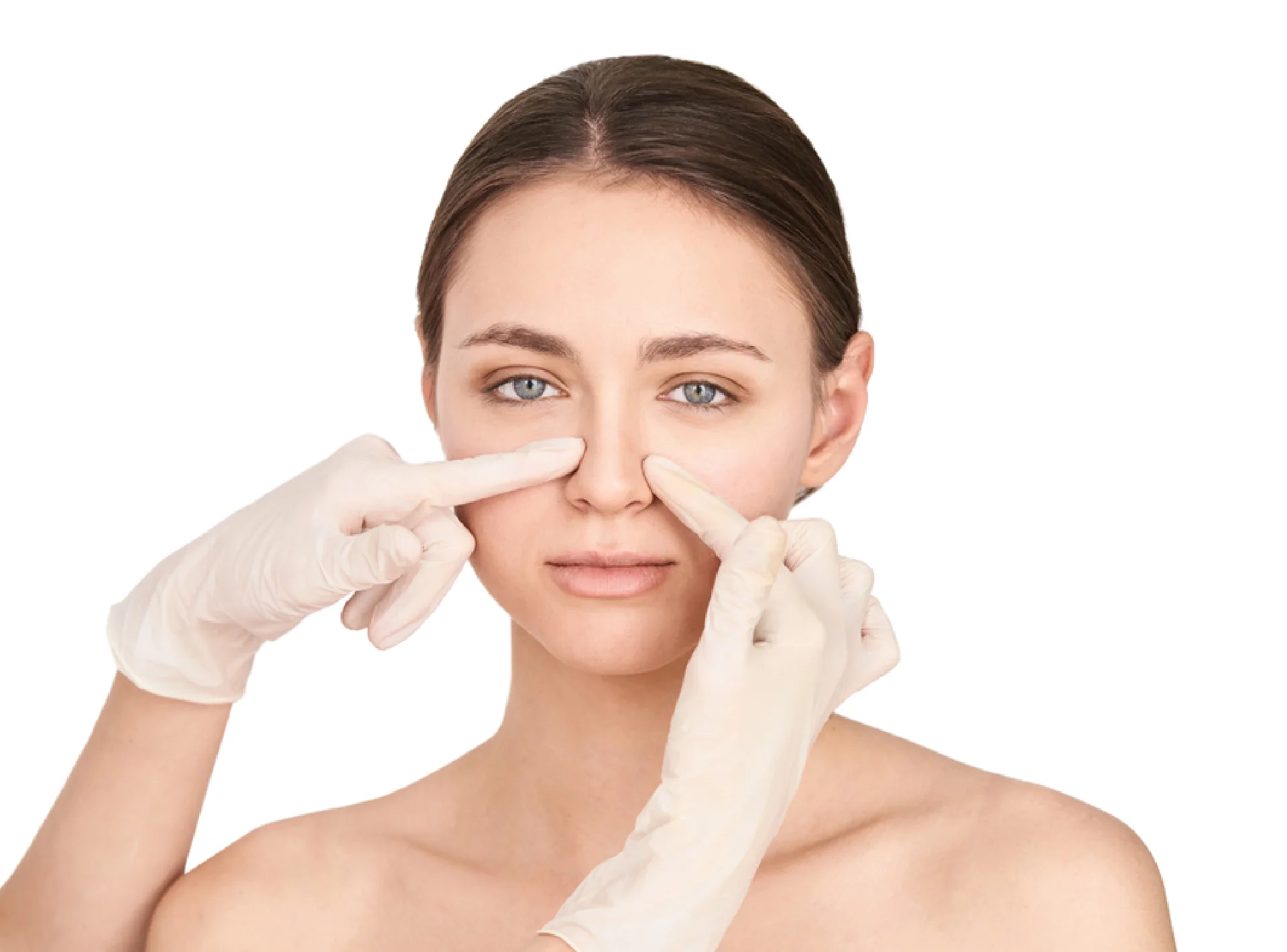
Rhinoplasty, commonly known as a “nose job,” is a procedure used to alter the nose’s shape or enhance breathing. By changing the nose structure’s size, shape, and/or proportions to accomplish practical or decorative objectives, it produces striking effects.
The cartilage, skin, or bone structure of the nasal region is either removed or aligned during a rhinoplasty procedure to alter the structure of the nose. Before having a rhinoplasty, it’s crucial to have a thorough consultation with your surgeon to address any concerns you may have about your expectations, post-operative care, and what not to do to ensure a quicker and easier recovery.
The basic principles of post-rhinoplasty care and what not to do following the procedure will be covered in this article. It would guarantee that you have all the knowledge necessary to avoid complications following a rhinoplasty and to experience a quicker recovery.
But before we discuss what not to do following a rhinoplasty, let’s address another crucial query:
Rhinoplasty In Dubai
Rhinoplasty In Dubai is one of the most popular cosmetic procedures, allowing patients to improve the appearance and functionality of their nose. This procedure, performed by highly skilled and experienced surgeons, aims to reshape the nose to achieve facial harmony, correct asymmetry, and address structural issues like bumps, droopy tips, or wide bridges. Dubai’s top clinics offer advanced rhinoplasty techniques such as open, closed, and preservation rhinoplasty, which ensure precise results with minimal downtime. Aside from aesthetics, rhinoplasty can help with breathing problems caused by a deviated septum or other nasal obstructions, providing both cosmetic and functional benefits. Patients benefit from personalized consultations, in which surgeons evaluate facial structure, discuss goals, and develop treatment plans. Rhinoplasty in Dubai provides natural-looking results that boost confidence and overall facial balance. Whether seeking subtle refinements or significant transformations, this procedure is increasingly popular among both local and international patients.
What To Expect After Rhinoplasty?
Most patients are permitted to return home following rhinoplasty surgery, which typically takes three to four hours.
General anesthesia is used to perform the rhinoplasty procedure. In order to prepare for the best possible patient response to surgery, patients with health concerns will receive clearance from their primary care physician.
As part of the Rhinoplasty aftercare regimen, the surgeon would prescribe a number of drugs (often over-the-counter) to reduce any discomfort and avoid swelling, infection, or discomfort in the nasal area. These drugs are also intended to aid in the healing process.
To guarantee a smooth recovery, the physician would give a set of guidelines to adhere to as part of the post-rhinoplasty care regimen.
Following a rhinoplasty, patients often need to adhere to the following guidelines:
- Placing the head above the chest while at rest. It eases discomfort and lowers the risk of bleeding and swelling.
- After a rhinoplasty, expect to have nasal congestion for a few days. The swelling of the nasal area and the splints placed inside the nose during rhinoplasty surgery are the main causes.
- Two weeks after the rhinoplasty procedure, the doctor must remove the internal dressing and the splint inside the nose. If you haven’t already, be sure to schedule a follow-up appointment.
Let’s now examine in more detail:
Things Not To Do After Rhinoplasty Surgery
Avoid Strenuous Activities
Steer clear of physically demanding activities following the rhinoplasty.
Going to the gym, working out hard, lifting heavy weights, doing aerobic and high-intensity exercises, and engaging in any other physical activity that puts pressure on your body are all included. After the rhinoplasty, this must be adhered to for a minimum of two weeks.
Swimming should also be avoided for approximately five weeks after the rhinoplasty procedure. The cast or splint inside the nose needs to stay dry until it is taken off. Steer clear of contact sports like volleyball, basketball, and so forth.
The goal is to give your nose enough time to heal without putting it under extra strain, which could hinder the healing process
Sexual Activity
For a few weeks after the rhinoplasty procedure, sexual activity should be restricted. After a rhinoplasty, applying pressure to the nose is strictly prohibited.
Sexual activity and any other physical activity that could cause nose injuries should be avoided. Light walking throughout the house is always a good idea to prevent blood clot formation, so it doesn’t mean you have to sit around all day.
Blowing Your Nose
It goes without saying that when you have the flu, a cold, or a cough, you want to blow your nose. However, it’s crucial to maintain hygiene, wash your hands frequently, and avoid sick people both during and after a rhinoplasty. Keep a hand sanitizer on hand to eradicate germs as soon as possible and prevent infection.
Recall that it is strictly forbidden to apply pressure to the nose following a rhinoplasty, at least for a few weeks. To stay safe and avoid getting a cold, cough, or flu, take precautions around you.
Avoid Wetting The Nose In A Shower
A week following a rhinoplasty, the nasal area and the cast inside the nose must stay dry until the doctor removes it. Showering can make this more difficult.
The remainder of your body can be cleaned in a shower or bathtub. It’s crucial to remember that using saline (ocean) sprays on the nostrils during the healing process keeps the nasal area moist.
BOOK AN APPOINTMENT TODAY
Wearing Glasses
Wearing glasses is one of the things that should be avoided following a rhinoplasty. Prior to the rhinoplasty procedure, make arrangements for contact lenses if you wear glasses. Glasses can put pressure on your nose because they rest on the bridge, which can hinder healing. It is one of the most important aspects of post-rhinoplasty care that you should plan for beforehand.
Exposure To Sunlight
After a rhinoplasty, it’s normal to want to go outside and enjoy some sunshine. But resist the urge and spend some time indoors, out of the sun. After a rhinoplasty, the nasal area is delicate and must heal completely before being exposed to sunlight as before.
During the healing process, excessive sun exposure can cause discoloration, infection, and other unintended consequences. To shield your nose from the sun, you can wear a hat outside or apply sunscreen or another patch to the area around your nose.
Smoking Or Alcohol Consumption
The aftercare regimen for rhinoplasty involves abstaining from alcohol and tobacco use. These are regarded as risky pursuits that could adversely affect the healing process and cause it to be delayed.
Alcohol is known to disrupt the effects of prescribed medications during the healing process, and smoking restricts blood flow, which can result in excessive bleeding, infection, and other problems. For at least three to four weeks following the rhinoplasty, refrain from smoking and drinking alcohol.
Touching The Nose
After a rhinoplasty, you might be tempted to touch, prod, or push your nose because you’re curious about its structure. At all costs, avoid doing so.
“Can I touch my nose four weeks after a rhinoplasty?” is one of the most frequently asked questions by patients regarding aftercare. Yes, you can touch, but only very gently and sensitively and only when necessary.
Refrain from touching until your surgeon certifies that the nasal region has fully recovered and that the goal of the rhinoplasty has been met.
Unwanted contact, pressure, or prodding can cause the bone or cartilage to become misaligned and even reverse the beneficial effects. Protect the nasal area from the elements, including your desire to touch it.
Because makeup would unavoidably cause touching of the nasal area, which could result in unintended complications, it is also advised to refrain from wearing makeup for a month following a rhinoplasty.
MEET THE EXPERT DOCTOR
Best Plastic Surgeon In Dubai For Rhinoplasty
Best Plastic Surgeon In Dubai for rhinoplasty is available at the Perfect Doctors Clinic, which provides advanced surgical solutions under the supervision of Dr. Perfect Celebrity, a highly skilled and internationally recognized plastic surgeon. Dr. Perfect Celebrity is well-known for his precision, expertise, and artistic approach to nose reshaping and refining, which improves facial harmony while maintaining a natural appearance. Whether patients want cosmetic improvements, asymmetry correction, or functional breathing solutions, he creates treatment plans that are tailored to their specific needs and aesthetic goals. The clinic is equipped with cutting-edge technology to ensure safe procedures, minimal downtime, and a smooth recovery. Dr. Perfect Celebrity prioritizes a patient-centered approach, taking the time to understand each individual’s facial structure, preferences, and expectations in order to achieve results that complement overall appearance. With a focus on excellence, innovation, and personalized care, the Perfect Doctors Clinic has become the preferred destination for Dubai residents seeking high-quality rhinoplasty and transformational results from Dr. Perfect Celebrity.
Conclusion
These are the few guidelines that provide a thorough explanation of what not to do following a rhinoplasty. For the first few days following rhinoplasty surgery, it is advised that you take it easy and get plenty of sleep. It ensures a quicker recovery by unhinderedly speeding up the healing process.
The nasal area where the cast is placed or where the surgery was performed may experience some redness, bruising, and swelling. Even minor pain or discomfort is possible, but if any of these symptoms worsen or become intolerable, call your cosmetic surgeon right away.
Since rhinoplasty is one of the most popular cosmetic surgeries done nowadays, you can be sure that if you follow the surgeon’s aftercare instructions, you won’t have many concerns.
It is an excellent procedure to improve the appearance of your face or to eliminate breathing or nasal problems that have been affecting your quality of life.