





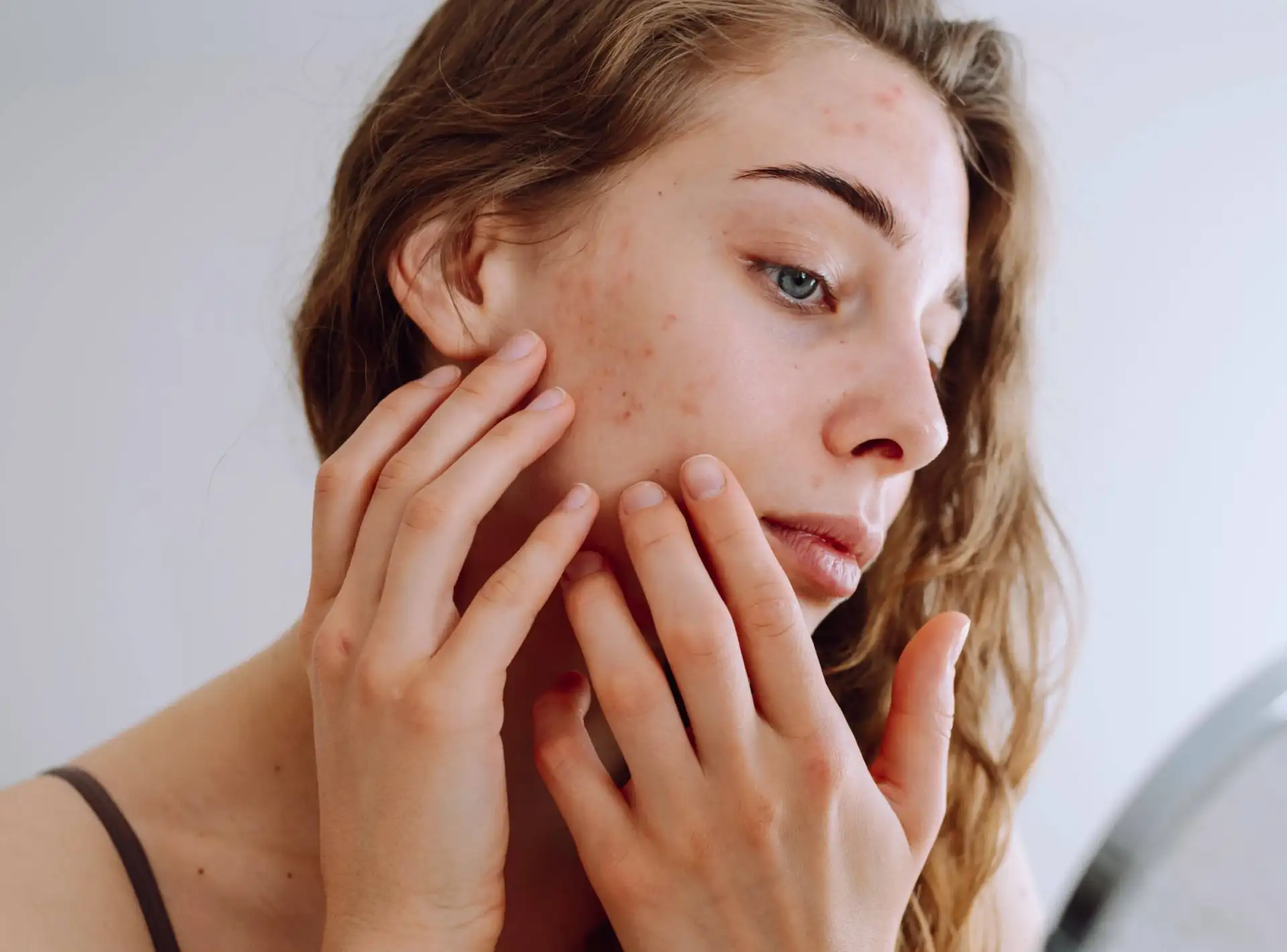
“Fruit from patience is sweet, but patience itself is bitter.” Would you like to understand why your acne treatment may not be delivering the desired results as quickly as expected? You’re not by yourself. This blog will answer the question, “How long should it take for acne treatment to start working?” Stay in touch and continue reading to learn more!
Acne Treatments In Dubai
Acne Treatments in Dubai treats all forms of acne, from minor breakouts to severe cystic acne, by combining cutting-edge dermatological care and technology. Depending on the patient’s skin type and acne severity, Perfect Doctors Clinic provides individualized treatment plans that may involve chemical peels, laser therapy, microneedling, and PRP treatment. These treatments encourage collagen synthesis and healing while addressing bacteria, clogged pores, and excess oil. The best dermatologists in Dubai concentrate on reducing active acne as well as avoiding scarring and enhancing the texture of the skin overall. Patients can have less downtime and attain clearer, smoother, and healthier-looking skin with contemporary, non-invasive procedures.
Acne Treatments
Acne treatments address the fundamental causes of acne, which include bacteria, infection, clogged pores, and excessive oil production. It’s normal to want to get rid of breakouts as quickly as possible, whether they are sporadic, persistent, or chronic.
How Long Should Acne Treatment Take To Work?
This raises the question of how long it takes to see results from the ace treatment. Although everyone has a different timeline, knowing the average time will help you de-stress and prevent stress.
Factors That Affect Treatment Time
| Factors | Description |
|---|---|
| Acne Severity | Recovery time varies depending on acne severity (mild, moderate, or severe) and typically ranges from three to four weeks. |
| Treatment Type | Acne can be treated using different methods. Each treatment works uniquely and may require up to four months to show visible results. |
| Skin Type and Sensitivity | Skin type plays a critical role, as sensitive skin may respond more slowly to treatments compared to normal skin. |
| Consistency | Results take time to appear, and consistency is essential. Missing follow-up appointments may slow down treatment progress. |
BOOK AN APPOINTMENT TODAY
Typical Timelines For Different Acne Treatments
As was previously mentioned, different people have different working hours based on a variety of factors. Nonetheless, the following general timeline is based on popular therapies:
Topical treatments (5-7weeks)
Retinoids and antibiotics are two common topical treatments for acne.
Retinoids (Tretinoin, Adapalene)
These are efficient acne treatments that reduce skin blotches and marks by increasing skin turnover. The effects of retinoids take 9–13 weeks to manifest.
Antibiotics (Clindamycin)
Topical antibiotics can treat bacterial acne in as little as 5–7 weeks, depending on how severe your acne is.
Oral Medications (3-4 months)
| Remedy Kind | Overview | Results Timeline |
|---|---|---|
| Oral Antibiotics | Medications that target bacteria that cause acne | 5–7 weeks |
| Isotretinoin (Accutane) | Treat severe cystic acne | 3–7 months |
| Hormonal Treatments | This treatment addresses acne caused by hormonal abnormalities, such as those that occur during pregnancy. | 3–4 months |
Professional Care (Short: 4–7 Months)
Chemical Peels & Facials
These are specialist procedures meant to prevent acne and guarantee facial renewal. They show improvements in a relatively short number of sessions. Results are fully displayed in 80–160 days.
Laser Therapy
Laser treatments target blotches and scars by focusing a light beam. Blue light therapy requires two to four sessions. Two to four months is sufficient for best results.
FAQs
Which Treatments Work Faster To Reduce Acne?
Chemical peeling and laser therapy both work more quickly.
Can I Boost The Recovery Process?
Following your post-care instructions will accelerate the healing process.
Which Payment Choices Are Available?
Both cash and online payments are accepted.
What Age Is The Worst For Acne?
Adolescence, specifically the 16–18 age range, is the worst period for acne.
Is Consistency Necessary?
Yes, maintaining consistency is crucial when managing acne. Effects may be delayed if any post-care steps are skipped.
Five Possible Reasons Why Your Acne Won’t Go Away
Stress, sleep, diet, hormonal changes, and even your genes can all have an effect on your skin, which is why your acne may not go away or keep coming back. These things can make your skin break out again and again, even after it has cleared up. Knowing these causes can help you take the right steps to get rid of acne for good.
- Hormonal Fluctuations: Hormones are a big reason why acne happens. Hormonal changes, like puberty, menstruation, pregnancy, or menopause, can make your body make more oil (sebum), which can clog your pores. When this extra oil mixes with bacteria and dead skin cells, it causes acne. Taking care of hormonal acne usually takes time and may include treatments like hormone therapy, introducing changes to your lifestyle, or taking medications that your dermatologist prescribes.
- Stress: Stress doesn’t directly cause acne, but it can make breakouts worse or start them. When you’re stressed, your body releases cortisol and other hormones that make oil glands work harder, which can block your pores. Stress can harm gut health and lower skin barrier function, making skin more sensitive. Not getting enough sleep makes stress worse and slows down healing. Using relaxation techniques, working out regularly, and sticking to a regular sleep schedule can all help a lot with stress-related acne.
- Diet: What you eat has a direct effect on the health of your skin. Foods that are high in sugar and glycemic index, like white bread, pasta, and processed snacks, can raise insulin levels, which can cause inflammation and the body to make too much oil. Cutting back on sugar and eating a low-glycemic diet can help clear up acne. Foods that are high in omega-3 fatty acids, like flaxseeds, salmon, and walnuts, can also help reduce inflammation and make skin clearer. Keeping your nutrition and water levels in check is important for keeping breakouts under control.
- Genetics: The history of the family is also a big deal. Studies have shown that people who have close relatives who had acne are more likely to get it themselves. Your genes may affect how your skin responds to hormones, bacteria, and inflammation, as well as how well your pores get rid of dead skin cells. Even though you can’t change your genes, knowing these facts about your skin type can help you work with a dermatologist to find long-term, preventative treatments that are right for you.
- Medications: As a side effect, some medicines can cause or make acne worse. Some hormonal drugs (like some birth control pills), corticosteroids, and drugs that change how insulin and the immune system work may be on this list. If you believe your medication is worsening your acne, please refrain from discontinuing it on your own. Instead, talk to your doctor or a dermatologist. They can suggest different treatments or skin care products that will help keep your skin in balance.
MEET THE EXPERT DOCTOR
Gradual Improvement: The Path To Clearer Skin
If you go through the initial purging phase, you should start to slowly feel better. Less inflammation should show up, fewer new breakouts should happen, and spots that are already there should start to heal. The severity of acne, the treatment chosen, and the skin’s reaction all affect the rate of improvement. Taking pictures every couple of weeks to see how things have changed is a helpful way to keep careful track of your progress.
During this stage, it’s important to be patient and use the same skin care products every day. Switching products too soon can stop progress. Going back to see your dermatologist on a regular basis can also help fine-tune your treatment for the best long-term results.
Maintenance: Preventing Future Breakouts
Even if your acne is mostly gone, the treatment doesn’t end there. To stop future breakouts, it’s important to move into a maintenance phase. Usually, this means continuing with the same treatment, but maybe not as often, or switching to a different, weaker maintenance product. This procedure helps keep pores clean and stops new comedones from forming.
Keeping up a healthy skin care routine with sun protection, gentle cleansers, and moisturizers that don’t clog pores helps results last. A healthy diet, staying hydrated, and learning how to deal with stress are all important habits that can help keep acne from coming back.
Best Aesthetic Clinic In Dubai For Acne Treatments
Best Aesthetic Clinic in Dubai for acne treatments is Perfect Doctors Clinic, which is renowned for its skilled dermatologists and cutting-edge skin care products. The clinic offers customized acne programs that combine cutting-edge procedures like microneedling, PRP therapy, and laser resurfacing with medical-grade skincare to produce noticeable, long-lasting results. Perfect Doctors Clinic uses evidence-based procedures and FDA-approved technologies with a focus on patient comfort and safety. After a thorough skin assessment, each treatment plan is created to address the underlying causes of acne and restore the balance and radiance of the skin. The clinic guarantees healthier, clearer skin and restored confidence for each patient by emphasizing both prevention and treatment.
Clear Skin Starts Here: Book An Appointment Now!
Perfect Doctors Clinic guarantees the best acne remedies that show results quickly. Our knowledgeable and experienced dermatologist will provide you with additional guidance. How long should it take for acne treatment to start working? Seize this fantastic opportunity before it’s too late. Schedule an appointment for a consultation right now!