





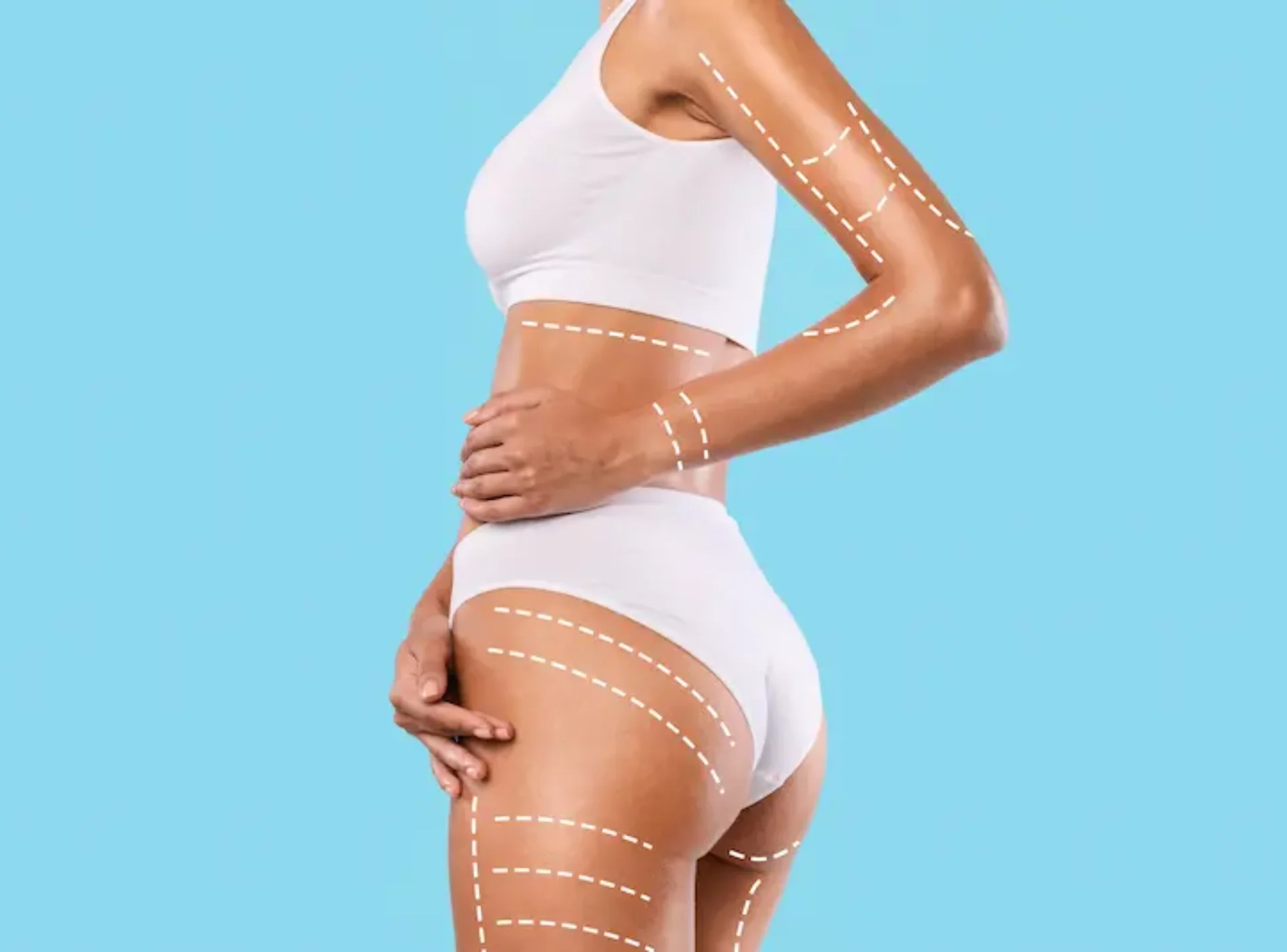
A surgical cosmetic procedure called Vaser Liposuction is intended to target and eliminate fat from particular body parts. It focuses on reducing fat in specific areas but is not a weight loss method in general.
Naturally, a lot of people thinking about this procedure are curious about how their weight will change afterward:
- If I put on weight, what will happen to the results?
- Will the treated areas regain their fat?
- Where will the post-operative new fat appear?
These are significant issues, and it’s crucial to comprehend how gaining weight could impact your outcomes prior to having the surgery.
Liposuction In Dubai
Liposuction in Dubai is a surgical procedure that removes stubborn fat deposits from targeted areas, reshaping the body and enhancing contours. It offers precise, long-lasting results when combined with a healthy lifestyle.
Liposuction is Not for Overall Weight Loss
It’s crucial to understand that liposuction cannot replace good lifestyle choices like regular exercise or a balanced diet. Rather, it is intended to decrease fat in particular regions, like the thighs or abdomen, that may not be responsive to diet and exercise alone.
Gaining weight after liposuction can alter your body shape even though the fat cells that were removed don’t regrow.
Will Fat Return After Liposuction?
The procedure results in the permanent removal of the fat cells. The remaining fat cells in treated or untreated areas, however, may enlarge as a result of weight gain. This may alter the general shape of your body.
It’s critical to maintain a consistent weight in order to preserve the outcomes of your procedure. Depending on your body type, the distribution of new fat may change if you do gain weight.
BOOK AN APPOINTMENT TODAY
Exercise Can Help Maintain Liposuction Results
One of the best strategies to preserve your liposuction results is to continue being active. Frequent exercise can help avoid visceral fat buildup in addition to maintaining a stable weight.
Diabetes and heart disease are associated with visceral fat, which is stored deep within the abdomen. A sedentary lifestyle can eventually increase visceral fat, whereas liposuction targets subcutaneous fat, or the fat directly beneath the skin.
You can support your general health and help preserve the results of your liposuction procedure by starting a regular exercise regimen after surgery.
Can Fat Come Back to the Same Area Where I Got Liposuction?
Your body comprises millions of adipocytes that expand and contract in response to fluctuations in your weight. When you gain weight, they enlarge; when you lose weight, they revert to their original size. Once you attain adulthood, the quantity of fat cells you possess generally remains stable unless you experience substantial weight gain, which may prompt your body to generate additional fat cells. The issue is that once these new fat cells are established, they do not diminish, which can complicate efforts to sustain weight loss over the long term.
Liposuction permanently eliminates fat cells from the designated treatment region. Nevertheless, your body still harbors numerous other fat cells capable of expanding with weight gain, thereby influencing your overall body contour. Gaining weight following liposuction indicates that the residual fat cells in the treated region may expand; however, due to the reduced number of cells, the amount of weight gained in that area may be less than in other parts of the body. Consequently, new “problem areas” may develop on your body that were not previously a cause for concern. This is the reason why it is crucial to sustain a stable weight following the procedure.
How Will Gaining Five Pounds Affect My Liposuction Results?
In most instances, a modest weight increase of approximately five pounds is unlikely to significantly impact the outcomes of your liposuction procedure. The regions treated with liposuction may experience minor alterations resulting from the expansion of residual fat cells; however, these changes are generally negligible.
If your weight gain is minimal and occurs gradually, you may not observe a substantial change in your liposuction outcomes. Nonetheless, even a minor increase in body fat can influence your overall body silhouette, especially if fat distribution changes following liposuction. For instance, following abdominal liposuction, you may notice that surplus fat is now redistributed to your thighs, hips, or back.
How Will Gaining Ten Percent of My Body Weight Affect My Liposuction Results?
Experiencing significant weight gain following liposuction can have a more pronounced effect on the outcomes. Depending on how your body allocates and retains the surplus weight, the remaining fat cells in both treated and untreated regions may enlarge, potentially resulting in a noticeable alteration to your body contour. For example, if you underwent liposuction on your abdomen and subsequently experienced substantial weight gain, you might observe that although your abdomen remains relatively flat, your buttocks could have altered in size or shape, thereby disrupting the proportional aesthetic established following your liposuction procedure.
Substantial weight gain can also impact skin elasticity, resulting in sagging or the formation of stretch marks. If weight gain transpires over a brief period, the skin may have difficulty adapting, thereby complicating efforts to preserve a smooth and toned appearance. In severe cases, significant weight gain following liposuction may necessitate a revision procedure to correct new areas of concern.
How Do I Maintain My Liposuction Results?
Liposuction outcomes are intended to be enduring; however, it is essential to remain dedicated to their preservation. Some recommendations for maintaining the aesthetic appeal of your liposuction results include:
Maintaining a Healthy Diet
The most effective method to maintain the impressive appearance of your liposuction results is to follow a healthy lifestyle. This entails practicing moderation, maintaining a balanced diet composed of whole foods, remaining adequately hydrated, and restricting the consumption of sugary and processed products.
Exercising Regularly
You may already engage in regular exercise; however, it becomes particularly crucial following liposuction. Cardiovascular activities such as running, cycling, and swimming can facilitate the reduction of excess calories, while strength training enhances muscle mass, thereby increasing caloric expenditure and maintaining a lean, toned appearance.
Incorporating Healthy Lifestyle Habits
In addition to diet and exercise, you can more effectively sustain your liposuction outcomes by dedicating yourself to self-care and overall wellness. This encompasses obtaining sufficient sleep, effectively managing stress, and refraining from excessive alcohol intake, all of which can influence weight gain.
MEET THE EXPERT DOCTOR
Factors Influencing Weight Gain
Post-liposuction weight gain may be affected by numerous factors, with lifestyle, diet, and physical activity being particularly significant. A balanced diet and regular physical activity are essential for sustaining the outcomes of liposuction, as neglecting these aspects can result in the accumulation of additional weight. It is crucial to recognize that although liposuction eliminates fat cells from targeted regions, it does not provide immunity against subsequent weight gain. Lifestyle decisions, encompassing nutritional practices and consistent physical activity, are essential in maintaining the refined appearance attained through the procedure. Furthermore, hormonal fluctuations, metabolic rate, and genetic influences may also affect weight stability, requiring a comprehensive strategy for weight management following liposuction.
Maintaining Stable Weight Post-Liposuction
Navigating the post-liposuction journey requires a dedication to maintaining a stable weight in order to uphold the aesthetic results of the procedure. Attaining and sustaining a healthy weight following liposuction requires a comprehensive strategy that includes a nutritious diet and a regular exercise regimen.
A well-balanced diet is essential in preventing significant weight gain following liposuction. It is advisable to prioritize nutrient-rich foods such as vegetables, fruits, lean proteins, and whole grains while reducing the consumption of high-calorie, low-nutrient items like sugary snacks and processed foods. Portion regulation and conscious eating also stand out as essential elements in controlling caloric consumption and sustaining weight.
Engaging in a consistent exercise regimen is equally essential in maintaining the outcomes of liposuction. Participating in a combination of cardiovascular activities, resistance training, and flexibility exercises not only supports weight management but also promotes improved muscle tone and overall physical well-being. Choosing an exercise regimen that is both effective and enjoyable, while also being sustainable in the long term, is essential.
Furthermore, it is crucial to acknowledge that sustaining a stable weight involves more than just diet and exercise; it encompasses adopting a healthy lifestyle. This encompasses sufficient sleep, effective stress management, and proper hydration, all of which are vital to maintaining metabolic health and supporting weight management.
Addressing Concerns and Mitigation Strategies
Navigating the post-liposuction period may give rise to various concerns, especially regarding weight management. Addressing these concerns and implementing mitigation strategies are essential for safeguarding the outcomes of the procedure and ensuring long-term satisfaction.
One of the essential aspects to explore is the management and prevention of significant weight gain. It is important to recognize that although minor weight gain may not significantly affect liposuction outcomes, substantial fluctuations in weight can modify the recently sculpted body contours. Strategies for managing and preventing substantial weight gain include maintaining a balanced diet, engaging in regular physical activity, and conducting routine health assessments to monitor overall health and body weight.
Furthermore, it is essential to acknowledge when seeking professional advice is necessary. If you notice unusual or unexplained weight gain, or if such weight gain impacts the outcomes of the liposuction, it is recommended that you contact your plastic surgeon. The surgeon can offer insights into possible causes, recommend strategies for managing the condition, and, in certain cases, propose additional treatments to address any changes in body contour resulting from weight fluctuations.
Best Plastic Surgeon In Dubai For Liposuction
Best Plastic Surgeon In Dubai for Liposuction has an outstanding track record in body‑contouring and fat removal procedures. Dr. Perfect Celebrity is widely recognised for his expertise in liposuction, combining artistic precision with the latest surgical techniques to deliver natural, sculpted results.
Enquire today
It’s important to comprehend Vaser Liposuction and its aftercare if you’re thinking about getting it. Visit our Liposuction Information Page for additional information, or contact Perfect Doctors Clinic to schedule a consultation now.