





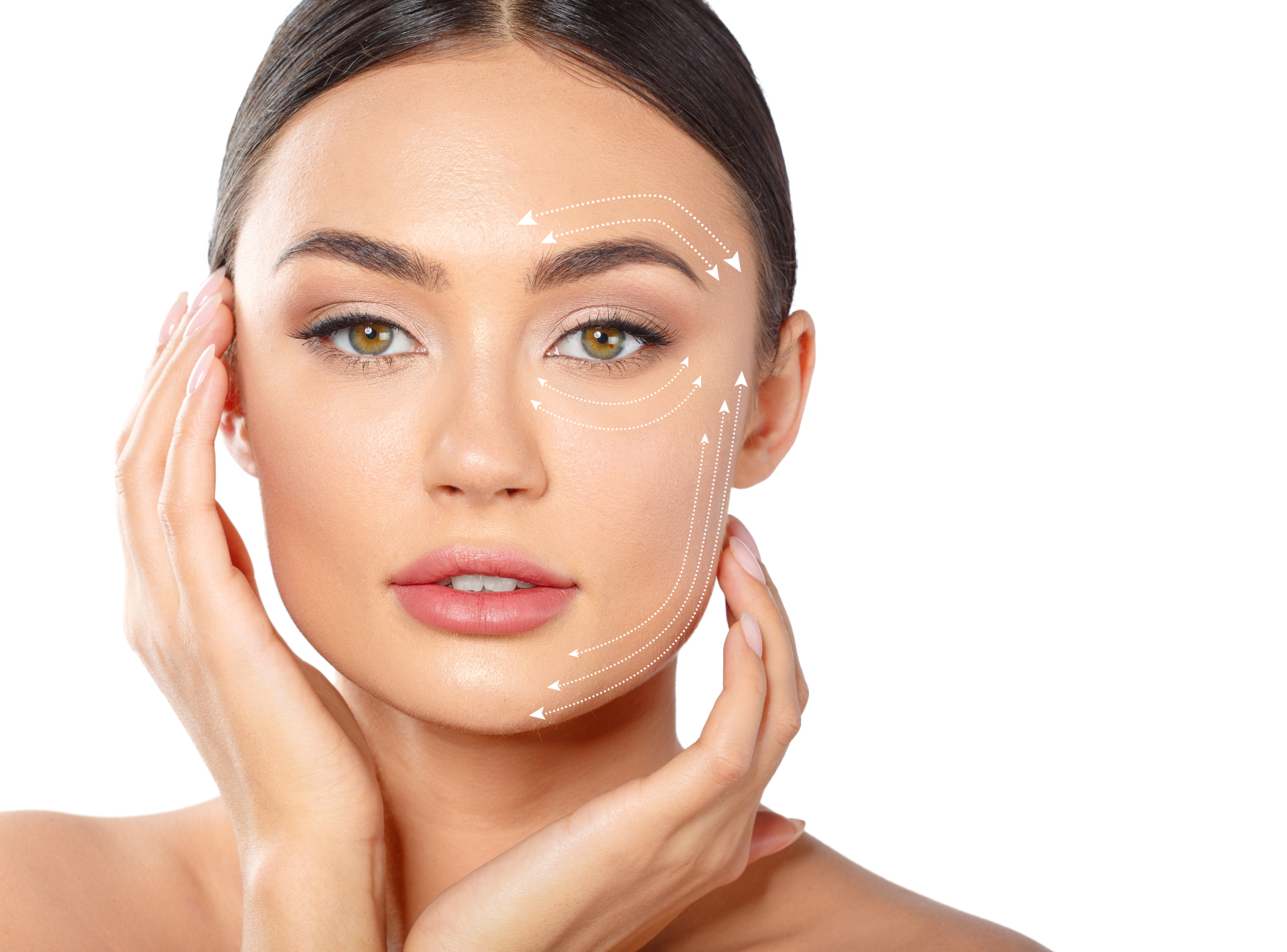
If you’re thinking about getting a deep plane facelift, you probably want to know what the actual recovery process will entail. Even though each patient’s journey is different, knowing the normal healing schedule can help you get ready both physically and emotionally for the coming weeks. Deep plane facelifts involve repositioning deeper facial structures, which means a more thorough recovery process—as well as more natural, long-lasting results—than traditional facelifts, which mainly target the skin’s surface.
From the first postoperative period to your final results at eight weeks and beyond, this guide will walk you through every week of your deep plane facelift recovery. We’ll discuss how to heal, when to resume activities, and what to expect physically and emotionally.
Deep Plane Facelift In Dubai
Deep Plane Facelift in Dubai provides dramatic, long-term facial rejuvenation by repositioning deeper facial tissues to create natural lift and contour. Recovery typically lasts eight weeks: initial swelling and bruising subside in the first two weeks, followed by gradual improvement over the next few weeks as sutures are removed and normal activities resume. By week eight, patients typically see refined, youthful results, as well as restored facial harmony and long-term confidence.
Understanding Deep Plane Facelift Recovery: What Makes It Different
It’s crucial to comprehend how deep plane facelift recovery varies from other facial rejuvenation procedures before delving into the week-by-week schedule. Your surgeon performs a deep plane facelift by working beneath the deeper layer of facial tissue that offers structural support, known as the superficial musculoaponeurotic system (SMAS). Although it necessitates more extensive healing, this technique permits more natural repositioning of facial tissues.
The deep plane method entails:
- Extended initial recuperation time: Usually two to three weeks before feeling “normal”
- Greater initial swelling: Swelling peaks between days three and five.
- Results that appear gradual and natural: Final outcomes take four to seven months to manifest.
Superior durability: Results usually endure for ten to fifteen years.
Week 1: The Foundation Phase (Days 1-7)
Days 1-3: The Critical First 72 Hours
Establishing appropriate healing patterns is critical during the first three days following your deep plane facelift. Your body is reacting to the surgical trauma and starting the intricate process of tissue repair during this time.
What To Expect:
Significant bruising and swelling: It’s quite normal for your face to appear drastically different.
Numbness and tightness: The deep plane method momentarily alters nerve pathways.
Tubes for drainage: These usually stay in place for 48 to 72 hours.
Pain control: Instead of describing excruciating pain, most patients report discomfort.
Restricted mobility: Elevating the head and moving as little as possible are crucial.
Your Daily Routine:
Keep your head raised by to 45 to 60 degrees while you sleep.
While awake, apply cold compresses for 20 to 25 minutes each hour.
Take prescription drugs exactly as prescribed.
It is advised to take gentle walks around your house rather than bending, lifting, or straining.
Days 4-7: Turning The Corner
Many patients experience the first indications of improvement by day four. Usually, swelling peaks between days three and five, after which it gradually starts to decline. At this point, even though your physical recovery is still in its early stages, you may begin to feel more like yourself mentally.
Physical Changes:
Swelling starts to go down: The worst is over, but it’s still important.
Bruising might get worse before getting better: As blood settles, this is typical.
Removal of sutures: Usually takes place in days four to seven.
Enhanced comfort: Usually, pain significantly decreases.
Initial post-operative appointment: Your surgeon will evaluate the healing process.
Activity Modifications:
Light household tasks are acceptable.
Short outdoor strolls improve circulation.
Steer clear of heavy lifting (no more than five pounds).
Driving while on prescription painkillers is prohibited.
After the sutures are removed, gentle hair washing may be allowed.
Week 2: Emerging From The Cocoon (Days 8-14)
For the majority of deep plane facelift patients, the second week is a crucial psychological turning point. Even though you’re still recovering, the initial, dramatic swelling has sufficiently decreased for you to start noticing changes in your appearance.
Physical Recovery Milestones
Patterns Of Swelling:
Total decrease: About 60–70% of the swelling has subsided.
Healing asymmetrically It’s common for one side to heal more quickly than the other.
Puffiness in the morning: Anticipate increased swelling when you wake up, which will subside during the day.
Persistent numbness: Especially the area around the jawline and ears.
Healing Of The Skin And Incisions:
Incision sites: If sutures were removed, the incision sites should be well-healed.
Skin texture: The skin’s texture may feel tight or “thick” because of the continuous healing process.
Bruising: Changing from blue or purple to green or yellow
Sensitivity: Skin may react more strongly to temperature and touch.
Returning To Social Activities
During the second week, many patients feel at ease with minimal social interactions; however, this varies greatly depending on each patient’s level of comfort and healing.
“Restaurant Ready” Milestone:
By days 11–14, the majority of patients can eat out comfortably.
Applying makeup strategically can help cover up any remaining bruises.
Select dimly lit areas to boost your confidence.
To lessen anxiety, let close friends know about your recent procedure.
Work Considerations
Desk work: During the second week, a lot of patients resume their office work, particularly if working from home is an option. Think about:
- Making strategic video call schedules
- Using camera angles to reduce the visibility of swelling
- Taking regular pauses to prevent extended periods of head lowering
- Notifying dependable coworkers of your recuperation schedule
Week 3: The Awkward Phase (Days 15-21)
Many patients don’t expect the special difficulties that often arise in week three. The “awkward phase,” as many surgeons refer to it, occurs when significant swelling has decreased but you are still not at your desired outcome.
Physical Expectations
Swelling Refinement:
- Sustained puffiness: roughly 80–85% of the swelling has subsided
- Facial asymmetry: Uneven swelling reduction may make facial asymmetry more apparent.
- Changes in texture: Certain parts of the skin may feel lumpy or uneven.
Evolution of numbness: While some regions stay numb, others regain feeling.
Common Concerns:
“Did I do something wrong?” ideas: Not unusual during this stage
Impatience with the outcome: An organic reaction to the slow healing process
Compared to pictures taken before surgery: It can be emotionally taxing.
Activity Progression
Exercise Modifications:
Light cardio: Walking and low-intensity stationary cycling are examples of light cardio.
Steer clear of: Inverted positions, heavy lifting, and high-impact activities
Pay attention to your body: Increased post-activity swelling is a sign that you’re exerting yourself too much.
Slow advancement: Raise your weekly activity level by 15% to 20%.
Social Comfort Level:
Most patients are at ease in social situations they are familiar with.
Avoiding professional photography is still advised.
The effectiveness of makeup techniques increases
As incision sites heal, there are more options for hairstyles.
Week 4: The Transformation Becomes Visible (Days 22-28)
Patients usually start to notice the real advantages of their deep plane facelift around week four. Your new facial contours begin to show clearly after the dramatic initial healing phase.
Aesthetic Improvements
Visible Changes:
Definition of a jawline: Becomes more noticeable as the swelling goes down.
Shape of the neck: A smoother, younger-looking appearance appears
Volume of the face: There is a greater apparent natural distribution.
Skin condition: Better tightness and texture without appearing “pulled”
Photogenic Milestone:
Many patients are at ease with being photographed once more.
Usually, professional headshots can be arranged.
Posting on social media becomes more alluring
Comparisons between before and after become significant.
Psychological Adjustment
Emotional Evolution:
Enhanced self-assurance: As outcomes become apparent
Decreased anxiety: Regarding the process of healing
Planning for the future: At ease committing to social obligations
Verification: That the process was beneficial
Week 5-6: Settling Into Your New Look (Days 29-42)
Refinement and adjustment take place during weeks five and six. You’ve passed the significant healing milestones and are getting used to your new look.
Physical Refinements
Continued Improvements:
Swelling: By week six, 75–80% of the swelling has subsided.
Numbness: Considerable improvement, though certain areas might still be impacted
Texture of the skin: A more organic appearance and feel
Expressions on the face: More relaxed and natural
Exercise Progression:
Moderate cardio: The majority of activities are suitable
Weight training: With a surgeon’s permission, use light to moderate weights.
Steer clear of: Sports and activities that increase the risk of falls
Complete clearance: Usually granted in weeks 6–8
Social And Professional Integration
Full Social Calendar:
At ease going to any social gathering
Presentations and meetings for professionals
Usually, travel is authorized.
Regular skincare and grooming practices are resumed.
Week 7-8: Embracing Your Results (Days 43-56)
Most patients have completely adapted their new look to their everyday lives by weeks seven and eight. Long-term upkeep and care are the main priorities during this time.
Final Healing Phases
Physical Status:
Swelling: 80–95% of the swelling has been reduced.
Numbness: The majority of feeling has returned
Incisional lines: Fading and maturing further
Facial mobility: Restoring the full range of facial expressions
Activity Clearance:
Every exercise: Usually, approval occurs by week eight.
Get in touch with sports: With the consent of the surgeon
Treatments for the face: It’s possible to allow gentle procedures.
Exposure to the sun: With appropriate protection
Long-Term Considerations
Maintenance Planning:
Skincare regimen: Optimized for skin following surgery
Sun protection: Essential for sustaining outcomes
Timetable for follow-up: Usually at three, six, and twelve months
Touch-up techniques: Discussed if necessary.
Factors That Influence Your Recovery Timeline
Individual Variables
Age Considerations:
Younger patients (50s–60s): They frequently recover more quickly and experience less edema.
Elderly patients (70s and up): Excellent outcomes but a longer recovery time
Skin condition: Faster healing is usually associated with greater elasticity.
General health: Healing and circulation are impacted by cardiovascular fitness.
Lifestyle Factors:
Smoking: Increases complications and considerably slows healing
Nutrition: Eating enough protein promotes tissue repair.
Sleep quality: Quality of sleep is crucial for the best possible recovery.
Handling stress: High levels of stress can weaken the immune system
Surgical Variables
Technique Specifics:
Extended deep plane: Compared to the standard technique, it might take longer to recover.
Combined methods: Recovery time is prolonged by additional procedures.
Experience as a surgeon: Trauma and recovery time can be reduced with skillful technique.
Quality of the facility: Healing is impacted by a suitable surgical setting.
Post-Operative Care:
Following directions: Adhering to the rules exactly
Management of medications: Proper pain and antibiotic use
Attendance for follow-up: Complications are avoided with routine monitoring.
Modification of activity: Respecting limitations prevents setbacks
What Patients Wish They Knew: Real Recovery Insights
Emotional Preparation
“I wish I had heard about the emotional rollercoaster from someone.” In actuality, the mental adjustment was more difficult than the physical recovery.
The third week was the most mentally taxing for me. Although I didn’t like the outcome, I did look better than I did before the surgery. The secret was patience.
Practical Considerations
It was crucial to have assistance during the first week. I couldn’t have done it by myself, particularly when it came to cooking and housework.
It took around four months for full sensation to return, which was longer than I had anticipated. It was odd, but not painful.
Recovery Optimization
For me, cold therapy changed everything. During the first three weeks, I adhered to a strict gel mask regimen.
On day four, taking gentle walks really helped with swelling and made me feel more human again.
BOOK AN APPOINTMENT TODAY
Optimizing Your Deep Plane Facelift Recovery
Pre-operative Preparation
Two Weeks Before Surgery:
Give up smoking entirely.
Optimize your diet by eating foods high in protein.
Set up assistance for the first week.
Get your recuperation area ready.
Prescriptions should be filled beforehand.
One Week Before:
Steer clear of blood thinners and supplements.
Obtain any required medical clearances.
Make foods that are easy to eat.
Provide amusement during the recuperation period.
Verify the post-operative appointment time.
Recovery Environment Setup
Bedroom Preparation:
Several pillows to provide elevation
Simple access to the restroom
Essentials on a bedside table
Shades that darken a room
Comfortable temperature regulation
Kitchen Essentials:
Soft foods that have been prepared in advance
Supplements and protein shakes
Herbal teas and lots of water
Gel masks and ice packs
Easy-to-open containers
Warning Signs: When To Contact Your Surgeon
Immediate Concerns:
Excessive bleeding and drainage
Signs of infection include fever, increased redness, and warmth.
Severe, uncontrolled pain.
Sudden swelling on one side.
Having difficulty breathing or swallowing.
Monitoring Guidelines:
Take daily photos to track progress.
Keep a recovery journal.
Monitor temperature on a regular basis.
Record any concerns or questions.
Please do not hesitate to call with any questions.
MEET THE EXPERT DOCTOR
Beyond 8 Weeks: Long-Term Recovery And Results
Months 2-3: Final Refinements
While the acute recovery phase lasts approximately 8 weeks, your deep plane facelift results will continue to evolve for several months.
Ongoing Improvements:
Scar maturation: The incision lines continue to fade
Tissue settling: The final position of repositioned structures
Skin adaptation: Continuous improvement in texture and tone.
Expression refinement: More natural facial movements.
6-Month Milestone
At six months after surgery, you can expect:
- 97-99% of the swelling has been resolved.
- Full recovery of facial sensation.
- Mature, barely visible scars
- Completely integrate your new appearance.
- Ability to undergo other facial treatments.
Long-Term Maintenance
Skincare Regimen:
High-quality moisturizers and serums.
Consistent sun protection (SPF 40+).
Professional treatments as approved.
Regular dermatological check-ups.
Lifestyle Factors:
Continued smoking cessation.
Healthy diet and hydration
Consistent exercise and stress management
Good sleep habits
Frequently Asked Questions
When Can I Return To Work After A Deep Plane Facelift?
Most patients are able to return to work within 11-15 days, depending on their level of comfort with their appearance and any remaining swelling. Jobs that require physical activity may necessitate 4-5 weeks off.
How Long Before I Can Exercise Normally?
Light walking can start within a few days, moderate cardio around week 5-6, and full exercise clearance usually occurs at 7-9 weeks. Always adhere to your surgeon’s specific guidelines.
Will The Numbness In My Face Be Permanent?
It is normal to experience temporary numbness following deep plane facelift surgery. Most sensation returns within 7-13 weeks, with complete recovery typically taking 4-7 months.
When Will I See My Final Results?
While significant improvement can be seen within 5-7 weeks, the final results take 7-13 months to develop as tissues settle and scars mature.
How Can I Minimize Scarring?
To ensure optimal healing, follow all post-operative care instructions, avoid sun exposure near incision sites, use recommended scar treatments, and attend all follow-up appointments.
Your Journey To Renewed Confidence
Recovery from a deep plane facelift requires patience, planning, and realistic expectations. While the first few weeks can be difficult, knowing what to expect at each stage allows you to approach the process with confidence.
Remember that each patient heals differently, so your timeline may differ from this guide. The key is to communicate openly with your surgical team, carefully follow post-operative instructions, and be patient during the healing process.
Dr. Perfect Celebrity and our experienced team at Perfect Doctors Clinic are dedicated to assisting you throughout the recovery process for your deep plane facelift. To ensure the best possible outcomes, we offer detailed pre-operative preparation, comprehensive post-operative care, and ongoing support.
If you’re thinking about getting a deep plane facelift or have any questions about the recovery process, we encourage you to schedule a consultation. During this appointment, we will discuss your specific goals, go over the procedure in detail, and provide personalized recovery expectations based on your unique circumstances.
Understanding what lies ahead is the first step toward regaining your confidence. With proper preparation and expert care, your deep plane facelift recovery can be a positive experience, resulting in natural, long-lasting results that improve your appearance for years to come.
Best Plastic Surgeon In Dubai For Deep Plane Facelift
Best Plastic Surgeon In Dubai for deep plane facelift is available at the Perfect Doctors Clinic, where Dr. Perfect Celebrity offers expert facial rejuvenation with natural, long-lasting results. Following a detailed 8-week recovery plan, patients experience gradual swelling and bruising reduction, careful suture removal, and a gradual return to normal activities, allowing the refined lift and youthful contours to emerge safely, restoring facial harmony and confidence under expert care.