





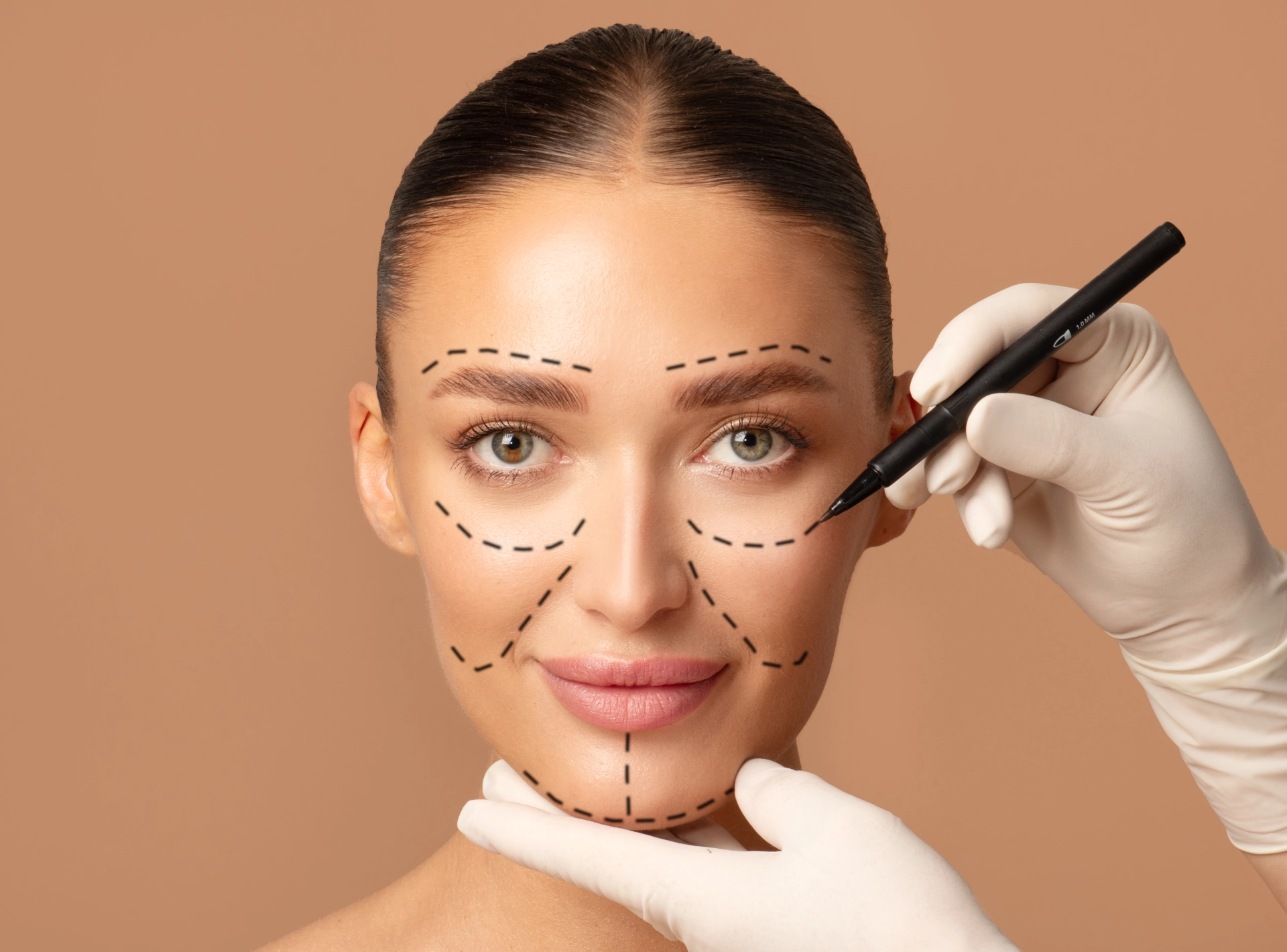
One of the most frequently asked questions of patients before going in for a facelift is how long it’s going to take to recover and when they’ll start to look and feel like themselves again.
The good news is that most people find facelift recovery easier than they expected. Swelling, bruising, tightness and temporary numbness are all normal parts of the healing process, but significant pain is unusual and most people return gradually to their normal routine during the first few weeks.
Recovery takes time. In the first few days, concentrate on rest and healing. Over the next few weeks the swelling goes down, the bruising fades and you start to feel more comfortable about socializing, exercising and getting back to your normal activities.
We’ll talk about what to expect during the facelift recovery process, including common symptoms like swelling and numbness, and give you tips to ensure a smooth recovery after surgery.
Facelift In Dubai
Facelift in Dubai involves a gradual recovery process. Swelling and bruising are common in the first week, but by the second week, comfort and mobility have improved. By weeks three and four, most visible swelling has subsided, allowing patients to resume their normal activities. The final results emerge gradually as the healing process progresses.
Key Takeaways
- For most facelift patients, swelling and bruising are common for the first 2 to 3 weeks.
- The swelling is usually worst around day 3 to 5 and then slowly improves.
- After 3–4 weeks, many patients feel comfortable to socialize again.
- Once off pain medication and comfortable to move most people are able to drive.
- After about 4 weeks, exercise is usually started again gradually.
- Numbness around the ears and cheeks is common and may take several months to fully resolve.
- The swelling subsides over the following months and the final results continue to improve.
Facelift Recovery Timeline At A Glance
Healing is slightly different for everyone, but most patients take a fairly predictable path to recovery.
Facelift Recovery Timeline At A Glance
| Recovery Stage | Typical Timeline | What to Expect |
| Swelling Peaks | Days 2–5 | Face feels tight and swollen before gradually improving. |
| Bruising Starts Fading | Days 8–12 | Bruising becomes easier to conceal and swelling begins reducing. |
| Social Activities | 3–4 Weeks | Most patients feel comfortable seeing friends and attending social events. |
| Exercise | Around 4 Weeks | Gradual return to physical activity as advised by your surgeon. |
| Numbness Improves | Several Weeks to Months | Sensation gradually returns as nerves recover. |
| Final Results Continue Settling | Several Months | Residual swelling resolves and facial contours soften naturally. |
BOOK AN APPOINTMENT TODAY
Week-By-Week Facelift Recovery
One of the biggest concerns for patients is what is normal in recovery. Everyone heals differently, but understanding the typical stages of recovery can help make the process so much less scary.
Days 1–4: Rest, Tightness And Early Swelling
The first couple of days are recovery.
Your face might feel tight, puffy, and a little uncomfortable. Most patients will describe the sensation as tightness or pressure and not excruciating pain. Prescription pain medication is often only needed for a short period of time, if at all.
Rest is important, keep your head elevated and avoid unnecessary activity at this stage.
Swelling usually starts right after surgery and continues to increase during the first couple of days.
Days 5–8: Swelling Peaks And Then Begins Improving
For many patients the swelling peaks between the second and the fourth post-operative day.
This can be the most frustrating stage because your face may look puffier before it starts to look better. Luckily, this is completely normal.
By the end of week one:
- Swelling usually begins to subside
- Bruising starts to fade
- Tightness is easier to handle
- Many of the patients feel more comfortable moving about
Some patients can also start wearing makeup toward the end of this period if allowed by their surgeon.
Week 2: Looking More Like Yourself
Many patients report noticeable improvement by the second week.
There may still be some swelling and bruising but many people now feel able to leave the house, see friends or return to desk-based work.
By now, most of the obvious signs of surgery will have improved significantly, but close friends and family may still notice subtle swelling.
Weeks 3–5: Returning To Normal Activities
Most patients feel pretty much back to normal by the third and fifth week.
Social confidence usually returns, swelling continues to improve and physical activity can often be gradually reintroduced.
You may already look much better, but healing is still happening under the skin and that is why it is important to follow your surgeon’s instructions.
Swelling And Bruising After A Facelift
Swelling and bruising are normal parts of facelift recovery and are often the biggest concern for patients in the first few weeks post-surgery.
The good news: Both are temporary and tend to improve dramatically during the early stages of healing.
Swelling usually peaks between days 3 and 5 and then gradually decreases. Your face might feel tight or look puffier than you thought it would. This can be frustrating but is a normal part of the healing process and does not indicate the end result.
Bruising is generally most apparent around the cheeks, jaw line and neck. Most bruises start to fade in the second week and can often be covered with makeup once cleared by your surgeon.
To help reduce swelling:
- Sleep with your head above
- Steer clear of exertion
- Keep well hydrated
- Follow your surgeon’s post-operative care instructions closely.
- No smoking during recovery
Most of the visible swelling should improve in the first few weeks but minor residual swelling can take several months to settle down.
When Can I Drive, Wear Makeup And Go Out After A Facelift?
Many patients are more worried about when they can get back to normal daily life than they are about pain.
Every recovery is different, but there are some general timelines that most patients can expect.
Driving
Generally, you can drive once you are off prescription pain medication and can turn your head comfortably without any restriction.
Recovery times will be different for each patient, but for many this is about 5 to 8 days after surgery.
Wearing Makeup
You can generally wear makeup after about 8 to 12 days, as long as your surgeon is satisfied with the healing of your incisions.
This helps many patients feel more confident about returning to social activities.
Returning To Social Events
Most patients feel comfortable seeing friends and attending social events after about 3 to 4 weeks.
At this stage most of the swelling and bruising will have settled, but there may still be subtle signs of your operation.
If you have a major event coming up, it’s usually best to schedule the surgery several weeks before the event, rather than trying to fit the recovery period into a busy social schedule.
Exercise After A Facelift
Exercise is important for your overall health, but returning too soon can increase swelling and interfere with healing.
In the first few weeks your body is focused on healing.
First Two Weeks
Most surgeons recommend activity restrictions to gentle walking during the early recovery period.
A few steps here and there can help to keep the blood moving and reduce the risk of blood clots, without putting too much stress on healing tissues.
Around Three Weeks
Most patients can start to gradually return to light exercise in about three weeks.
Activities like:
- Walking.
- Cycling light
- Light cardio
is usually a good place to start.
Returning To Full Exercise
More intense activities like:
- Jogging
- Weight Lifting
- High intensity interval training
- Contact sports
Should generally wait until your surgeon has confirmed it is safe to proceed.
How long this will take depends on the extent of your surgery and how well you are healing.
If you find that any activity increases swelling, pain, or throbbing, it’s usually a sign that your body needs more time.
Why Does My Face Feel Tight After A Facelift?
After a facelift procedure, many patients are surprised at how tight they feel.
This feeling is totally normal and usually arises from a combination of:
- Swelling.
- Tissue repositioning
- Healing from within
- Transient nerve changes
Right after surgery, the skin and tissues are settling into their new position. In combination with post-operative swelling, this can create a feeling of tension or firmness.
Most patients say the sensation slowly improves over the first few weeks.
The swelling subsides, the tissues smooth out and the face starts to move somewhat more naturally again.
A feeling of tightness does not mean that the facelift is “too tight” or something has gone wrong. In most cases this is part of the normal healing process.
How Long Does Numbness Last After A Facelift?
One of the most common facelift recovery concerns is temporary numbness.
Many patients feel different sensations around:
- The ears
- Cheeks
- The lower jaw
- The neck of
This is because small sensory nerves are affected during surgery.
These nerves are carefully preserved where possible but still require time to recover.
What Does Facelift Numbness Feel Like?
Patients describe numbness in several ways including:
- Decreased sensation
- Tingle
- A sense of “woodenness”
- Mild hypersensitivity as nerves grow back
These feelings are usually short-lived.
How Long Does It Last?
Most patients experience gradual improvement over several weeks.
However, full recovery of sensation can take several months.
Sometimes:
- Within 7 to 14 weeks there is marked improvement
- Minor areas of numbness may take up to 7 to 10 months to fully resolve.
The timing of this varies from person to person and on the amount of surgery done.
What’s Normal And What’s Not During Recovery?
Understanding the difference between normal healing and possible complications can help you avoid unnecessary worry after your surgery.
Normal Recovery Signs
During a facelift recovery, the following are generally to be expected:
- Puffiness
- Bruising
- Finite Limits
- Mild pain
- Numbness, temporary
- Slight asymmetry while healing
- Fatigue in the first week.
These symptoms usually get better over time.
When Should You Contact Your Surgeon?
You should call your surgeon if you have any of the following:
- Swelling that increases rapidly
- Severe or increasing pain
- Bleeding to excess
- Signs of an infection
- Gross dehiscence of wound
- Pyrexia
- Facial weakness (sudden onset)
Complications are rare but if something does not feel right, early assessment is always better.
Facelift Recovery Tips
While healing is mostly a natural process of your body, you can do many things to help promote the best possible outcome.
Follow Your Surgeon’s Instructions
Every facelift is a bit different. The general advice you read on the internet can never replace the guidance of your surgeon.
Prioritise Rest
Your body heals best when you get enough sleep. Don’t hurry back into your normal activities. Give your body time to recover.
Sleep With Your Head Elevated
For the first few weeks, sleep with your head elevated to reduce swelling and increase comfort.
Stay Hydrated And Eat Well
Eat a well balanced diet rich in protein, vitamins and minerals to give your body the resources it needs to heal.
Be Patient
The most important tip for recovery may be the easiest: Be patient.
Most patients look dramatically better after a few weeks but the final result will improve over several months as the swelling subsides and the tissues settle in a natural manner.
When Will You See The Final Result?
Many patients think their final facelift result will be visible in a few weeks, but the recovery takes much longer.
Most patients are socially comfortable by about three to four weeks and the improvement in their appearance is marked. But there is still a slight swelling beneath the surface.
In the months that followed:
- Swelling continues to decrease
- Gentler facial features
- Scars grow and
- Improved sensation
- The results are becoming more and more natural
Patience is the key to a facelift recovery and most patients appreciate that the gradual improvements are well worth the wait.
Knowing about the recovery process before surgery can help you set realistic expectations and make the healing process much less stressful. Most patients are back to their normal activities in weeks and still enjoying improvements in the months to come after proper aftercare and with a skilled surgeon.
Facelift Recovery Dos And Donts
During facelift recovery, follow your surgeon’s instructions, elevate your head, take prescribed medications, eat nutritious foods, and attend follow-up appointments. Until you are cleared, avoid strenuous exercise, smoking, alcohol, excessive sun exposure, and facial pressure. Protecting the treated area and allowing enough rest can help with smoother healing and better results.
MEET THE EXPERT DOCTOR
FAQ
How Long Does Facelift Recovery Take?
Most patients are comfortable returning to many normal daily activities in 3-4 weeks. Recovery doesn’t stop here however and residual swelling, numbness and tissue settling will continue to improve over several months.
How Long Does Swelling Last After A Facelift?
Swelling is generally the worst 3 to 5 days after surgery. Most noticeable swelling decreases significantly during the first 3 to 4 weeks, although minor swelling can continue for several months as the tissues continue to heal.
When Can I Go Out After A Facelift?
Most patients feel comfortable enough to go out for short errands the first week, especially with sunglasses or a scarf if they want. People generally feel okay about going to social events and seeing friends again after about 3 to 4 weeks.
When Can I Wear Makeup After A Facelift?
Make-up can often be applied after about 8 to 12 days depending upon how your incisions are healing. Your surgeon will let you know when it is safe to wear makeup when you come for your follow-up appointments.
When Can I Drive After A Facelift?
You should be able to drive when you are no longer on prescription pain medication and can turn your head without discomfort. For many patients this is 5 to 8 days post-surgery.
When Can I Exercise After A Facelift?
Gentle walking is encouraged shortly after surgery, but more strenuous exercise is typically postponed for 4 weeks or longer. The exact timeline is determined by your recovery and your surgeon’s recommendations.
Why Does My Face Feel Tight After A Facelift?
Tightness is a normal part of the facelift recovery process. It is typically caused by swelling, tissue repositioning, and the healing process. This sensation gradually improves as swelling subsides and tissues adjust to their new position.
How Long Can Numbness Persist After A Facelift?
Temporary numbness is common following facelift surgery, especially around the ears, cheeks, and jawline. Most patients notice gradual improvement over several weeks, but complete sensation recovery can take 7 to 10 months.
Is It Normal To Have Uneven Swelling After A Facelift?
Yes. It is common for one side of the face to heal slightly differently than the other in the early stages of recovery. Mild asymmetry caused by swelling typically improves as healing progresses.
What Should I Avoid During Facelift Recovery?
During the early recovery period, patients should avoid heavy lifting, strenuous exercise, smoking, drinking too much alcohol, and any activities that significantly raise blood pressure. Following your surgeon’s instructions is the most effective way to promote healing.
When Should I Contact My Surgeon During Recovery?
If you have severe pain, rapidly increasing swelling, excessive bleeding, signs of infection, wound problems, fever, or any other unusual or concerning symptoms, contact your surgeon right away.
Best Plastic Surgeon In Dubai For Facelift
Best Plastic Surgeon in Dubai for facelift is available at the Perfect Doctors Clinic, where Dr. Perfect Celebrity offers personalized care throughout the recovery process. Swelling and bruising are most noticeable during the first week. By the second week, these effects have gradually improved, and weeks three and four frequently bring clearer facial contours and greater comfort. Recovery times vary, so follow your surgeon’s instructions carefully.