





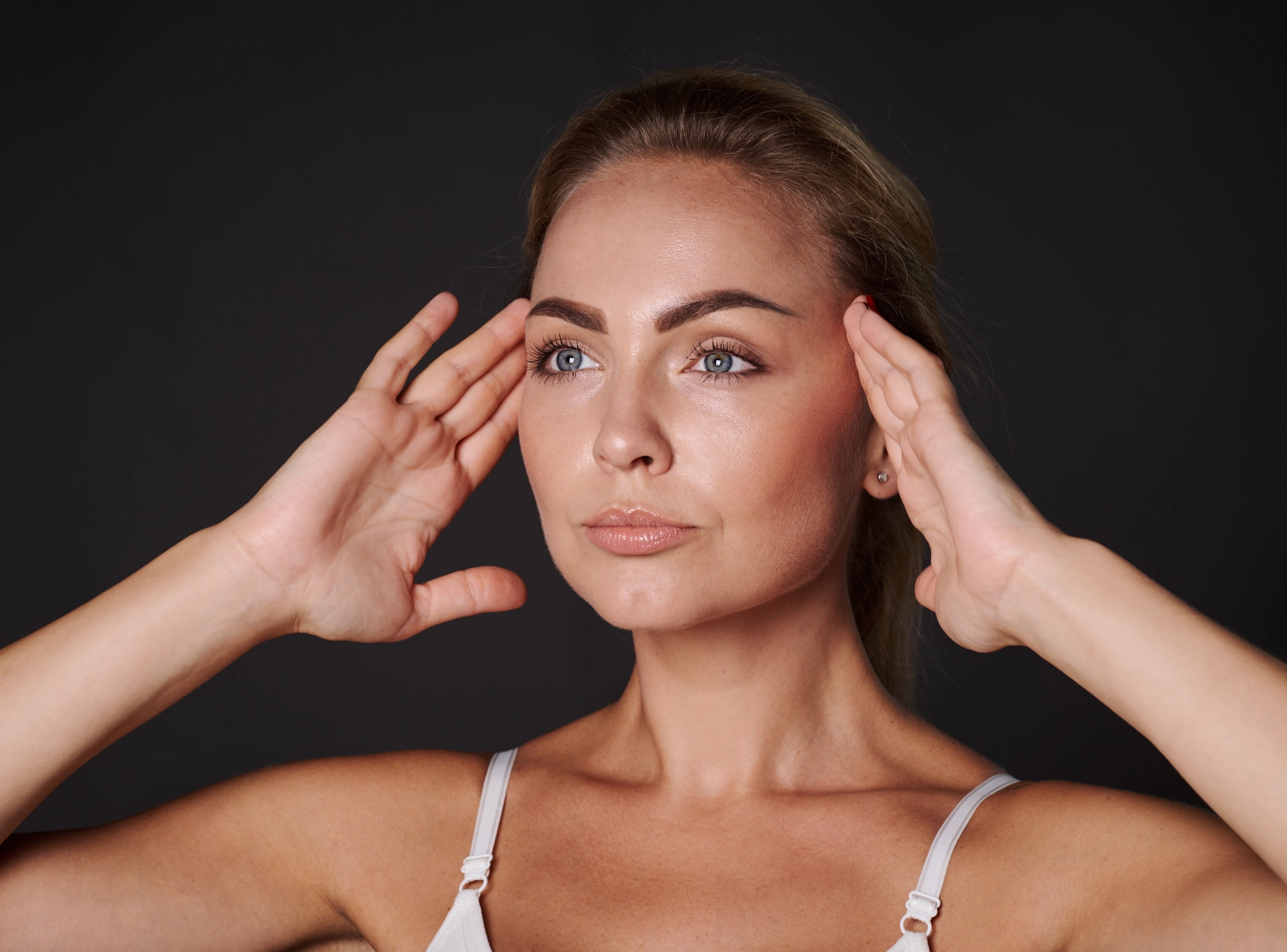
The idea and practice of facelifts has changed dramatically within the field of cosmetic surgery. At Perfect Doctors Clinic, many patients are asking for this procedure. Facelifts, formerly the preserve of the more advanced phases of aging, are now a fine art, available and tempting to a broader demographic, including the 41s.
This is not merely a change in social acceptance, but a testimonial to the amazing advances in surgical techniques and technology. The days of one-size-fits-all are over, and today’s facelifts are all about subtlety, accuracy, and individualized outcomes that respect the unique anatomy of each patient.
Facelift In Dubai
Facelift in Dubai is a surgical technique that aims to diminish the obvious indications of aging on the face. It does this by raising and repositioning deeper tissues, removing or redraping extra skin, and enhancing the lines of the face and jawline. It can tackle problems such as drooping cheeks, jowls, loose skin, and decreased definition of the lower face. The process is tailored to facial anatomy, skin quality and aesthetic goals so that proportions remain balanced and natural-appearing. Recovery comprises transient swelling, bruising, stiffness and soreness that eventually improves. We provide a thorough consultation to establish the most appropriate facelift procedure, anticipated recovery time and realistic results for each individual.
In this article, we dive into the evolution of facelift treatments, moving from the dramatic and obvious to the subtle and natural. We will discuss new approaches to prioritizing anatomical preservation and minimal scarring, the use of adjunct procedures to improve results, and shifting reasons for surgery.
Evolution of Facelift Techniques
The story of facelift operations is one of constant innovation and improvement over the years. The field has come a long way from the methods that often yielded artificial-looking results, to focus on natural and long-lasting results with less invasiveness and less obvious evidence of surgery.
Traditional Facelift Methods and Their Limitations
- High Lateral Pull and Coronal Browlift: In the old days, facelifts were typically done with a high lateral pull, which caused loss of the sideburn and a stretched, unnatural appearance. Similarly, the coronal browlift, once a popular operation, produced a marked elevation of the frontal hairline and an over-lifted middle brow, often giving a shocked or quizzical face.
- The Tighter-the-Better Approach: The old slogan in facelift surgery was “The tighter, the better.” While this approach tackled skin laxity, it failed to consider the preservation of natural facial shapes and expressions, leading to a “surgical” or “done” look.
Advanced Methods
- Preservation of Anatomic Features: Modern facelifts are defined by meticulous repositioning of the tissues and preservation of important anatomic features such as the sideburn, tragus (small cartilage in front of the ear), curve of the earlobe, and posterior hairline. This technique helps to achieve the most natural post-operative look.
- Minimising Scarring: Advanced surgical techniques include careful planning of incision sites and precise suturing to make scars as inconspicuous as possible, frequently buried inside the hairline or natural skin creases.
- Personalized Surgical Planning: The key to a good facelift today is to start long before surgery. Careful planning with consideration of the patient’s specific facial anatomy and goals is key. This step before the operation influences how natural and successful the results will be.
The Difference with Modern Facelift Procedures
- Natural and Subtle Results: The main purpose of the present facelift procedures is to restore youth to the face with a natural appearance. The results are subtle but effective, eliminating the exaggerated look that was sometimes a trademark of prior approaches.
- Reduced Recovery Time and Risks: With the advances in surgical techniques, the recovery period has been greatly decreased, and the hazards of facelift surgery have diminished. Modern procedures make the recuperation phase shorter and less uncomfortable.
- Long-Lasting and Age-Appropriate Outcomes: Modern facelifts do not only address the signs of aging that are visible today, but they also address how the face will age naturally in the future. The goal is to achieve effects that are quick, age-appropriate, and long-lasting.
BOOK AN APPOINTMENT TODAY
Ancillary Procedures and Holistic Approaches
This evolution in facelift techniques is accompanied by a spectrum of adjunct procedures and holistic modalities. These additional treatments boost the overall result, tackling several areas of facial aging to provide a more complete rejuvenation.
Volume Restoration
Fat Grafts and LiveFill: Volume loss is one of the major factors of facial aging. The lost volume is replaced with fat grafting, namely, LiveFill (nontraumatized fascial fat grafts) to restore a more youthful, natural look. These treatments entail harvesting the patient’s own fat and grafting it into hollow or sunken areas.
Cheek and Midface Elevation Techniques
These operations are aimed at the drooping of the midface, elevating and repositioning the tissues to acquire a young contour. This is vital to get a balanced, harmonious effect, ensuring that the facelift does more than merely tighten skin but also repositions the underlying structures.
Fat Preserving Blepharoplasties
Often the eyes are one of the first areas to exhibit symptoms of aging. Fat preservation blepharoplasties are intended to make the eye area look younger and to avoid the hollowed-out aspect that could result from previous methods, which removed too much fat.
Hairline Sparing Brow Elevation
This procedure corrects the sagging brow without the necessity for a coronal incision, which can elevate the hairline. The method avoids the hairline for a more natural renewal of the forehead and brow area.
Laser Treatments and Lip Lifts
Lasers are utilized for skin resurfacing, wrinkle reduction, and skin texture improvements for the skin. Lip lifts correct the aging of the upper lip that causes it to thin and lengthen, resulting in a more youthful shape and contour.
The Concept of the 360 Facelift
The 360 Facelift is a 360-degree approach to the face. It’s not simply pulling the skin; it’s moving and modifying the facial tissues in three dimensions. This comprehensive strategy assures that the rejuvenation is full and harmonious, respecting the natural anatomy and beauty of the face.
Changing Indications and Patient Selection
The parameters for facelift surgery have developed dramatically with advances in methods and a greater appreciation of facial aging. A wider pool of possible candidates has appeared, especially in the early 41s age group, and the critical importance of picking the correct patients for the treatment has been stressed.
Younger Demographic Interest
Traditionally, facelifts were sometimes thot of as an option for those in their late 50s or older. But there’s an increasing trend of people in their 41s, especially those in jobs where looks matter, seeking facelift treatments. Some of the change is because the enhanced processes yield more subtle and natural outcomes.
Changing Perceptions of Suitability
Facelift decisions are not based merely on age, but on unique aging changes and the patient’s overall health and facial shape. Today, surgeons consider criteria such as skin quality, extent of facial drooping, and individual aesthetic goals.
Anatomical Considerations
A significant component in assessing whether a facelift is appropriate is the patient’s particular facial architecture. This includes skin elasticity, bone structure, and the degree of facial volume reduction. Key to optimal results is a personalized approach considering these individual traits.
Psychological Readiness and Expectations
Beyond physical factors, psychological preparedness and realistic expectations are key. Surgeons usually try to determine whether the patient understands the possible outcomes and restrictions of the procedure.
Facelifts in the Early 41s
A facelift isn’t suitable for everyone in their early 41s, but it can be a successful treatment for some of the early signs of aging. In such circumstances, the surgery may be less comprehensive and target specific areas, rather than a complete facelift.
Tailored Approaches for Older Patients
Facelifts may be more extensive in elderly individuals, targeting more advanced indications of aging. The approach is generally more complicated and may consist of other rejuvenation procedures.
Patient Selection Process
The appropriate choice of candidate is made through a complete consultation that considers both physical and psychological characteristics. This guarantees that the operation is consistent with the health, needs, and expectations of the patient.
Surgeons are vital in informing patients of the possibilities and limitations of facelift surgery. This includes talking about alternative therapies if a facelift may not be the best solution.
Post-surgery Expectations and Media Influence
The world of facelift surgery is not only propelled by medical progress but also by its depiction in the media and by celebrity culture.
Realistic Outcome Expectations and Individual Variability
Today’s facelifts are not about radical changes but about subtlety and natural augmentation. It is crucial for patients to understand that the purpose of a facelift is to rejuvenate and preserve their characteristics and age-appropriate appearance. The variation in outcomes due to individual characteristics like skin quality and age needs to be communicated. This individual approach helps to ensure that expectations are consistent with what is surgically achievable and esthetically acceptable.
The Impact of Celebrity Culture and Media on Facelift Perceptions
The media often highlights extreme examples or outcomes from facelifts that produce unnatural appearances, which can lead to the public being misinformed about what the usual consequence of such treatments looks like. It is also important to mention the role of celebrities who have facelifts. When celebrities get surgery that results in an over-tightened or deformed appearance, it feeds a bad stereotype about facelifts.
Subtlety and Surgeon-Patient Communication
Often the most successful facelifts are the least noticeable. A skillfully conducted operation should always leave you with a natural, revitalized look while yet keeping the patient’s individuality and uniqueness. Thus, effective communication between the surgeon and the patient is necessary. During extensive conversations, surgeons can help patients understand what to expect so that the surgical results are in line with the patient’s esthetic desires.
Surgeons have a responsibility to educate their patients about the reality of facelift surgery vs the myths and exaggerated representations prevalent in the media. They need to be ready to respond to any concerns that are based on media portrayals and to provide clear, factual information on the risks, advantages, and realistic expectations of facelift surgery.
MEET THE EXPERT DOCTOR
Alternative Treatments and Personalised Care
In the constantly changing world of facial rejuvenation, not every patient seeking anti-ageing solutions is a candidate for a facelift. Knowing this, the cosmetic surgery industry has made huge advances in alternative therapies that provide less invasive possibilities. Individualized care, customized to the particular needs and age-related changes of each individual, is key to determining the best course of action.
Exploring Non-Surgical Alternatives
Although facelift surgery is beneficial, it is only one of numerous alternatives for facial rejuvenation. Non-surgical therapies, including laser treatments and fillers, have become popular for their minimum downtime and ability to handle individual aging concerns. Laser treatments can improve skin texture, minimize the appearance of wrinkles, and resurface the skin overall. Fillers, in contrast, are great for replenishing lost volume and erasing wrinkles, providing a less invasive way to rejuvenate the face.
Personalised Treatment Plans
The aging process is not the same in any two people, and neither should the treatment approach. Cosmetic surgery isn’t a one-size-fits-all technique anymore. Surgeons are currently moving toward individualized treatment strategies that take into account the specific aging changes of the patient, their lifestyle, and aesthetic goals. This personalized strategy not only increases the effectiveness of the treatment but also ensures that the results are consistent with the patient’s expectations.
Selecting a Surgeon and Understanding Treatment Options
Choosing the correct surgeon is an important step when you are considering face rejuvenation. Patients should look for surgeons who have experience with a variety of surgeries and who are also good at giving personalized care. It is crucial to choose a surgeon who will take the time to listen to the patient’s goals, evaluate the patient’s facial structure thoroughly, and discuss all of the treatment choices available. If patients know what the different treatments are and what can happen as a consequence of each one, they can make a better decision about what care they will get.”
Perfect Doctors Clinic is one of Dubai’s best clinics. For further information regarding a facelift with us, call now.
Best Plastic Surgeon In Dubai For Facelift
Best Plastic Surgeon in Dubai for Facelift offers personalized surgical solutions designed to address sagging skin, jowls, loose facial tissues, and reduced jawline definition while preserving natural facial balance. Dr. Perfect Celebrity carefully assesses facial anatomy, skin quality, aging patterns, and individual aesthetic goals before recommending a suitable facelift technique. At Perfect Doctors Clinic, each treatment plan is tailored to create smoother contours, improved definition, and a refreshed appearance without an overly tightened look. Patients also receive detailed preparation advice, postoperative care instructions, and follow-up support throughout recovery. The aim is to achieve refined, natural-looking facelift results that complement each patient’s unique facial features.