





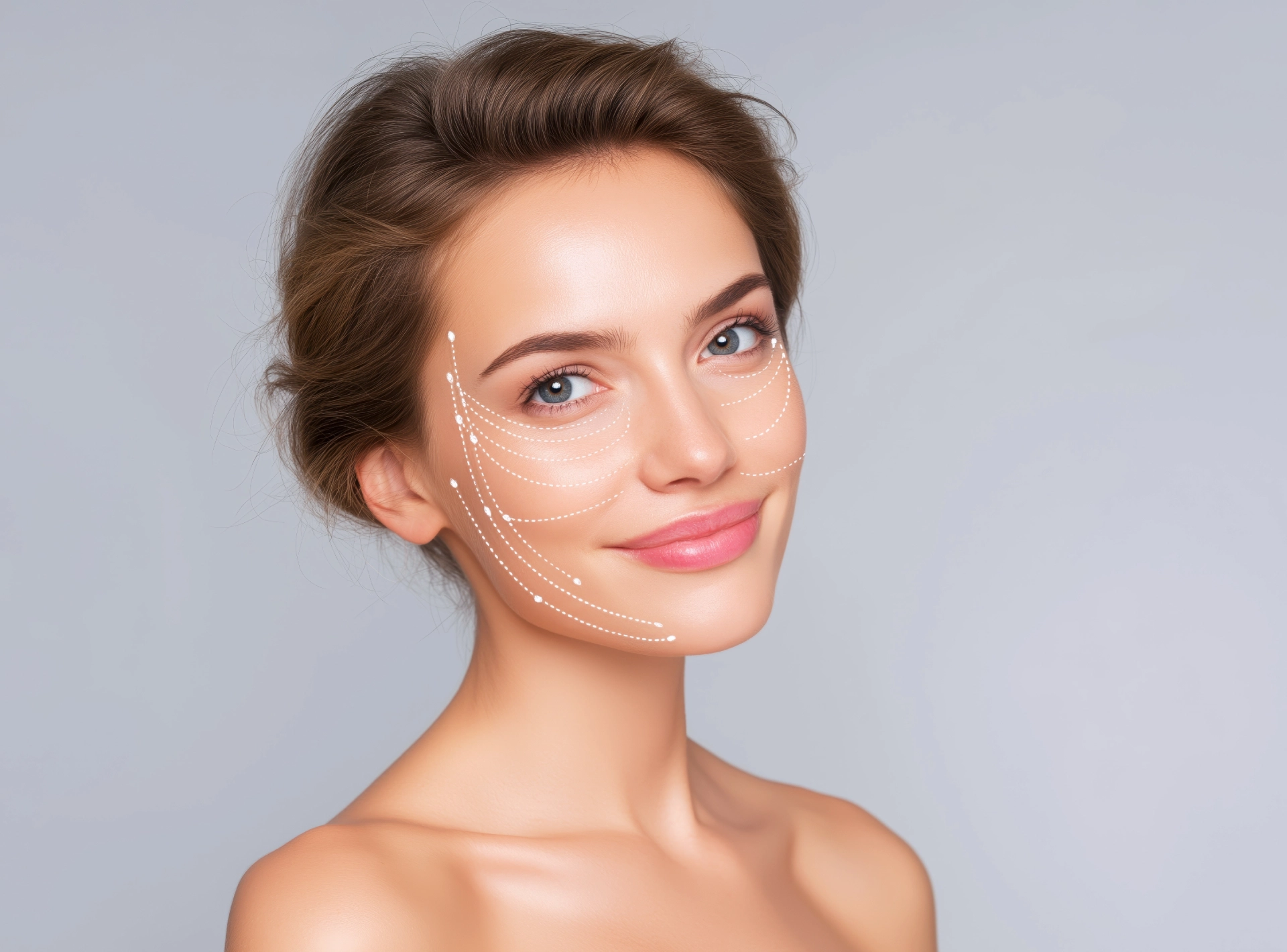
Curious what the actual schedule for a facelift recovery is? How long until you feel like yourself again? Facelift surgery, or cosmetic surgery to rejuvenate the face, can greatly enhance facial shapes and general appearance when the indicators of aging begin to feel inconsistent with how you feel inside.
Knowing what will happen after the operation is just as crucial as knowing the operation itself. Knowing what to expect throughout recovery may help relieve anxiety, may help you plan, and may help you proceed through the process with confidence as your face recovers and your results come together along the way.
Facelift In Dubai
Facelift in Dubai is a cosmetic surgical procedure designed to reduce visible signs of aging by lifting and repositioning underlying facial tissues, removing or redraping excess skin, and improving facial contours. It commonly addresses sagging cheeks, jowls, loose skin around the lower face, and reduced jawline definition. Depending on individual needs, different facelift techniques may be used to achieve a more balanced and natural-looking result. Swelling, bruising, and temporary tightness are common during early recovery and gradually improve over time. A consultation with a qualified plastic surgeon helps determine the most appropriate technique, expected recovery, and realistic aesthetic outcomes.
How Long Does It Take to Recover From Facelift Surgery?
Facelift surgery (technically called a rhytidectomy) is recovered from in stages, not entirely at the same time. This surgical operation is conducted in a single day; however, the healing phase takes weeks and months. Two to three weeks later, most patients can resume light daily activities with ongoing improvement in swelling and bruising. Usually, at the three-month mark, you will see the final results, when the tissues have totally settled, and the face has recovered internally.
BOOK AN APPOINTMENT TODAY
The Facelift Recovery Process: A Healing Timeline
You will go through a predictable course of recovery from a facelift, but the process might feel quite individualized as your face recovers and changes from day to day. This section breaks down the healing process into clear phases, giving you practical week-by-week guidance to assist you in knowing what is typical, how your body responds, and when you can expect to see positive changes.
Phase 1: Days One to Two – The First Two Days
The Initial Healing Stage
The first day following a facelift is about relaxation, protection, and constant monitoring as your body starts to mend. During this time, edema, bruising, and a feeling of tightness in the face and neck are common. Some discomfort is expected, but it is usually successfully managed with pain medicine that is recommended and with the head in the right position.
You will go home with dressings in place to support the tissues that have been moved and to assist in minimizing swelling. Pay extra attention to your healing incisions by keeping them clean, dry, and protected, and follow all post-operative instructions carefully. In the early stages, limit activity, stay well hydrated, and do not overexert yourself. The first two days might be overwhelming, but are important to create the groundwork for a smooth and complete recovery.
Phase 2: Days Three to Seven – Peak Swelling & Initial Healing
Peak Healing and Follow-Up Visit
The most dramatic visible changes associated with recuperation after facelift surgery generally occur over the first seven days. Swelling and bruising will peak within the first week and continue to progressively reduce. During the healing process, you may feel tightness, puffiness, or unevenness in the face. This is all normal and nothing to be concerned about.
This phase is critical for adhering to guidelines that help ensure healing proceeds as planned. It is recommended that you move about gently but still avoid strenuous activities. You still need to take good care of your incision. Clean the area as instructed and look for any symptoms of inflammation. During this period, many patients start to feel better, although they still have visible evidence of recovery. This phase frequently concludes with swelling beginning to improve, and the next several weeks are when you see real strides.
Phase 3: Week Two – Stitches Out & Confidence Returning
Visible Improvements and Stitch Removal
Many patients begin to feel a welcome change physically and mentally by the second week of recovery. Swelling and bruising continue to resolve. For many, this is when sutures are removed during a follow-up session. This milestone is typically a relief and an essential step forward in the healing process overall.
You may visibly detect an improvement when the face begins to settle, particularly along the jawline and neck. There is a little residual edema, but the results start to seem more natural, and patients feel more confident leaving the house.” Light everyday activities are often well tolerated at this stage; however, severe activity should still be postponed. Week two is frequently when patients get a real boost of encouragement as the external symptoms of surgery start to fade, and progress becomes more and more evident.
Phase 4: Weeks Three to Four (Day 29) – Back to Your Normal Routine
Returning to Normal Life
Three to four weeks after facelift surgery, many patients finally begin to feel like themselves again. By the third week, swelling continues to go down, bruising is typically minimal, and facial movements begin to seem more natural. “These changes enable them to resume normal activities and socializing with greater confidence.
Most patients at this stage are given the go-ahead to return to work and normal day-to-day routines. You may still avoid strenuous exercise, but start light physical activity as cleared by your surgeon. Mild tightness or numbness may be experienced, especially around the incision sites; however, this usually improves with time. Getting to 1 month is a good milestone. It’s steady healing and a definite move from early recovery to longer-term refinement.
Phase 5: Month Two to Three – Seeing the Final Results on Your Face
Full Recovery and Final Results
By months two to three after the facelift surgery, patients are usually at a stage when most of the visible healing has already taken place. Over the course of weeks, there has been steady progress, with the swelling mostly gone and the face beginning to look smoother, balanced, and refreshed. The incision lines continue to fade and blend, becoming less and less apparent each week.
This time is usually marked by practically total recovery, with deeper tissues falling into place and facial shapes becoming more defined. Your surgeon will usually let you get back to all your routine activities, including exercising. While modest changes can still happen after that, it’s months two to three when many patients really love their results and feel convinced their appearance is a natural, revitalized version of themselves.”
Phase 6: Month Three+ – Long-Term Results & Maintenance
Beyond Month Three: Long-Term Results and Maintenance
The recovery from a facelift is often seen as complete after a few months. The edema has disappeared by this point, and the incision sites have settled down. The face feels perfectly natural in both appearance and movement. Any residual tightness or numbness will normally continue to improve, allowing patients to experience the long-term benefits of their operation.
This is also the time when attention turns to the long-term maintenance of results. Maintaining face renewal requires healthy lifestyle practices, adequate skincare, and UV protection. Many people also elect to enhance their surgery results with non-surgical procedures over the years. While natural aging will continue, facelift procedure results are meant to persist for years. This makes this last phase less about healing and more about retaining confidence and happiness in your rejuvenated look.
Factors That Affect Your Facelift Recovery Time
The recovery time for a facelift is universal, but no two people recover in the same way. Some people recover from their facelift surgery fast. Other people may have a longer facelift recovery depending on personal habits, circumstances of the surgery, and their own genetics. Understanding what can affect healing helps you to have realistic expectations and to do all you can to assist your healing at each step.
How Much Do You Rest
Rest is an important part of good recovery after facelift surgery. Give your body time to heal. It will assist in minimizing swelling, support incision healing, and help tissues settle into the appropriate position. Patients who rest in the first weeks of healing tend to have a smoother course and more predictable results. All these measures – raising the head, avoiding physical activity, and getting good sleep – contribute to improved results. Rest is one of the key components of recovery. Skipping rest or resuming activity too soon can delay healing and affect overall outcomes.
Your Lifestyle Choices
Your daily behaviors can play a major role in your facelift surgery recovery. Nutrition, hydration, and general wellness factors promote tissue regeneration and decrease inflammation. Smoking or drinking alcohol can decrease circulation and interfere with healing, perhaps lengthening the recovery period. Consistency with your skincare is vital too, as it helps protect delicate skin as it heals. Your decisions will affect your recovery comfort as well as your facelift results, as they contribute to tissue settling and longevity of results.
Your Surgeon’s Expertise
How well your recovery goes can depend a lot on your surgeon’s experience and training. A good facial plastic surgeon knows how to limit tissue injury, set incisions properly, and design a plan for each patient. This skill can help reduce edema, decrease the likelihood of problems, and promote faster healing. Facial surgery specialists are also more experienced in helping patients recuperate, addressing concerns, and achieving optimal results at each stage of the process.
The Type of Facelift
The method employed can influence both the pace and the feeling of recuperation. Recovery after a deep plane facelift is different than recovery from a small facelift or full facelift because of the differing depths of tissue modification involved. More elaborate procedures are considered significant surgery and may require extra downtime, although less intrusive methods can recover faster. Choosing the proper technique helps avoid slow healing and makes sure that recovery fits your goals, anatomy, and way of life and sets realistic expectations from the outset.
Individual Factors (Genetics)
Individual biology plays a big role in how soon and well a facelift recovery goes. Your genes affect skin elasticity and collagen synthesis, and how your body reacts to surgical damage. Some individuals will heal rapidly with little swelling, and others may endure bruising or tightness that persists even when they are following directions carefully. These variations are typical and do not reflect on the quality of the procedure. Genetics are beyond your control, and understanding this helps with realistic expectations and highlights the need for specific recovery direction from your surgeon.
Combining Procedures
Recovery times can vary when a facelift is combined with other procedures. Combining a facelift with other operations such as blepharoplasty (eyelid surgery) or a neck lift is typical for more complete rejuvenation. While combining treatments can lead to better overall results, it might also mean a little extra edema or downtime. Your surgeon will guide you in planning your recovery carefully so that you have a safe and manageable healing process and end up with balanced, natural-appearing results across the face.
Downtime For Desk Jobs After Facelift
Downtime for desk jobs after a facelift is generally around one to two weeks, depending on the extent of surgery and individual healing. During the first several days, patients may experience swelling, bruising, tightness, and temporary discomfort, making adequate rest important. People who frequently meet clients may choose additional recovery time until visible swelling improves. At Perfect Doctors Clinic, Dr. Perfect Celebrity provides personalized postoperative guidance based on each patient’s procedure and lifestyle. Following recommended activity restrictions and attending follow-up appointments can support comfortable healing and help patients return to professional routines with a refreshed, natural-looking facial appearance.
Facelift Recovery Tips For Better And Faster Results
Proper care during facelift recovery can support smoother healing and help protect the surgical outcome. Patients should keep their head elevated while resting, follow incision-care instructions, take prescribed medications correctly, stay hydrated, and eat nutritious foods that support recovery. Gentle walking may help circulation, while strenuous activity should be postponed until medically approved. Avoiding smoking and protecting the face from excessive sunlight are also important. At Perfect Doctors Clinic, Dr. Perfect Celebrity provides individualized recovery instructions and follow-up care. Consistently following professional recommendations can minimize unnecessary complications and help facial contours settle into a refreshed, balanced, and natural-looking result.
MEET THE EXPERT DOCTOR
Facelift Recovery Dos And Don’ts
During facelift recovery, patients should follow postoperative instructions carefully, attend scheduled appointments, keep their head elevated, protect healing incisions, and allow enough time for rest. Gentle movement is generally encouraged once approved because it can support healthy circulation. Patients should not perform strenuous exercise, lift heavy objects, smoke, consume excessive alcohol, expose incisions to strong sunlight, or massage healing tissues unless instructed. At Perfect Doctors Clinic, Dr. Perfect Celebrity guides patients through each recovery stage with personalized recommendations. Following these dos and don’ts can help protect delicate tissues, support proper healing, and maintain smooth, naturally rejuvenated facelift results.
Best Plastic Surgeon In Dubai For Facelift
Best Plastic Surgeon in Dubai for Facelift offers personalized surgical solutions designed to address visible signs of facial aging and restore more defined, youthful-looking contours. Dr. Perfect Celebrity evaluates facial structure, skin laxity, jowls, cheek descent, and individual aesthetic goals before recommending an appropriate facelift technique. At Perfect Doctors Clinic, treatment planning focuses on improving the lower face and jawline while maintaining natural facial proportions and avoiding an overly tightened appearance. Patients also receive detailed preparation and recovery guidance to support safe healing. The overall goal is to create smoother facial contours, better definition, and a refreshed appearance that complements the patient’s natural features.
Consult With A Perfect Doctors Clinic Expert Today
Selecting a Specialist for a Deep Plane Facelift. One of the most significant considerations you will make while considering a facelift is Dr. Perfect Celebrity. Recovery, safety, and outcomes are very much dependent upon the experience of your facial plastic surgeon and their knowledge of how sensitive facial structures heal following surgery. A competent surgeon, knowledgeable in face and neck anatomy, can predict any problems, limit the risk of complications, and help you have a smoother recovery.
The facelift surgery at Perfect Doctors Clinic is conducted by our specialist who specializes in cosmetic and reconstructive surgery of the face. Our specialist has significant experience in the area of facial rejuvenation techniques, with a blend of technical skill and an artistic eye to deliver natural-looking results. If you are considering a facelift and want expert advice you can trust, call us or visit our contact page to arrange your individual consultation now.