





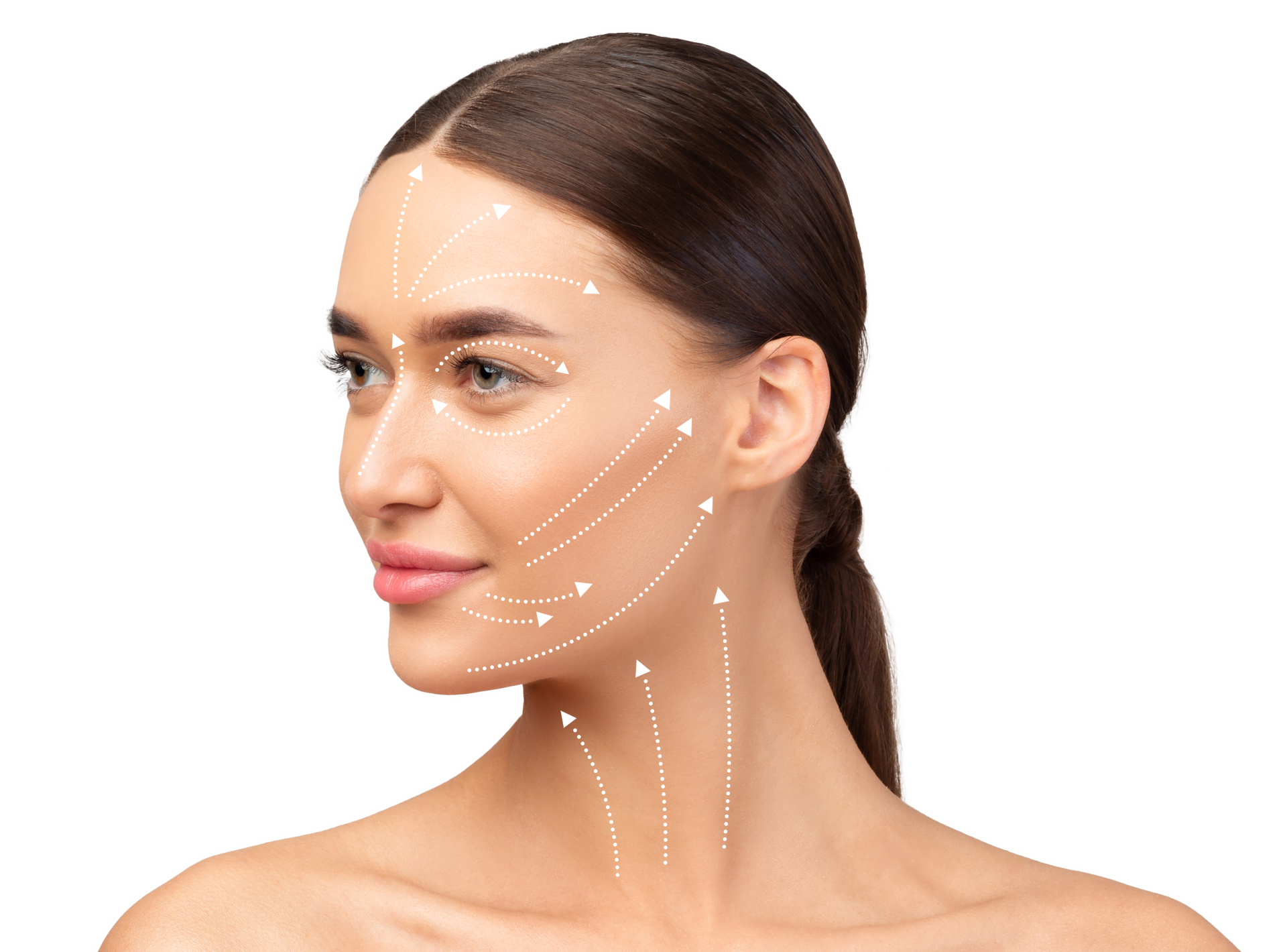
Many of our patients have questions concerning the recuperation period after a facelift operation. It is essential to keep in mind that each person’s recovery experience might be quite different because everyone has their own unique recovery reaction and pain tolerance.
Also, there are many facelift methods, with varied levels of invasiveness and parts of the face to be treated. The recovery stages and constraints are comparable with most facelift methods; however, the recovery times may vary. In this post, you will find out what to expect following your facelift treatment and some ideas to improve your recuperation process.
Facelift In Dubai
Facelift in Dubai is a cosmetic surgical procedure designed to reduce visible signs of facial aging by repositioning deeper tissues, tightening loose skin, and improving the contours of the face and jawline. It may address concerns such as sagging cheeks, jowls, loose skin around the lower face, and reduced jawline definition. Depending on individual needs, the procedure may also be combined with complementary treatments for more comprehensive facial rejuvenation. Facelift results develop gradually as swelling and bruising subside, revealing a smoother, firmer, and more refreshed appearance. A consultation with a qualified plastic surgeon is important to determine suitability, technique, recovery expectations, and realistic results.
Facelift Recovery Milestones & Restrictions
One to Three Days Following Surgery: Depending on the facelift technique utilized, you will wake up after surgery with a huge wrap around your head and sometimes a drain. You might have moderate pain that can be treated with medicine. Most patients report their pain as six to eight out of ten at the time of maximum pain, which occurs two days after surgery. The swelling and bruising of the face and neck also reach their maximum at two days, and it is especially vital to provide cooled compresses to these regions after the initial dressings are removed. Patients may be able to walk on a limited basis, but may require the assistance of a caregiver during the first day as surgery-related grogginess and weakness may remain. By day three, most patients will see their surgeon to have any drains removed and to make sure there is no hematoma present. Sleeping on pillows with their head elevated higher than their heart is suggested, as well as lying upright during the day.
One Week Following Surgery: Depending on your facelift procedure, you may be asked to wear a compression garment for up to fourteen days, with some breaks during the day. Pain and swelling are still there but are slowly going down. By this point, many facelift patients no longer need pain meds. Remove the stitches. Your face and neck may feel constricted.
Two Weeks Following Surgery: Swelling and bruising of the face, neck, and upper chest continue but have decreased substantially. You may feel tingling, tightness, numbness, or burning around the ears, in the neck, all natural. By the end of the second week, you will start to feel considerably better and can start to do light exercises. Patients who have had less extensive surgery may even begin exercising, taking care to restrict their exertion if they notice swelling increasing. Mineral makeup can be worn, but most injuries will probably be hard to conceal.
Weeks Three & Four Following Surgery: You should see a marked reduction in edema and your incisions should be looking better. You may experience some edema and a feeling of tightness, however. By four weeks, you will feel comfortable going out socially since cosmetics will now be able to effectively hide any remaining bruising. Your doctor may also clear you to do more vigorous exercise and to fly.
Weeks Five & Six Following Surgery: Your physician may clear you to return to your typical activities, including intense exercise. Most people will not have swelling and bruises to the extent that people will not realize they have had surgery. But remember, some slight swelling and alterations in skin sensations might last for as long as a year following your surgery.
Tips For A Speedy Facelift Recovery
- Follow all post-op instructions from your surgeon and attend all post-op appointments.
- Wear any compression garments or wraps/bandages the surgeon gives you.
- If you use opioids, do not take them on an empty stomach (nausea can result) and only take enough to regulate your pain. Too much narcotic causes nausea, constipation, and tiredness.
- You can use a cold compress to help with edema in the first week (do not use warm/hot compresses until your surgeon says it is OK).
- Do not use non-steroidal anti-inflammatory drugs (for example, ibuprofen or aspirin) unless your surgeon tells you to.
- Sleep with the head elevated.
- If your surgeon says you can, take Arnica pills and use anti-bruising cream.
- Get some rest and sleep well. You just underwent significant surgery. Give your body a chance to heal.
- Plan for two weeks of no work at all, even from home. If you start feeling better sooner, you can start doing some work from home, but it’s preferable to plan for full-time off in case you need it.
- Eat light and healthful foods that can be easily chewed.
- Drink lots of water.
- Avoid scratching your face, even if it itches. Most itching can be managed with oral antihistamines such as Benadryl or Allegra.
- Avoid vigorous exercise until you are completely healed.
- Use scar creams on wounds as directed by your surgeon.
- Use sunscreen to protect the surgery region and incisions. Reapply every couple of hours if outside.
- If you have any concerns, talk to your surgeon. Don’t take online advice without talking to your surgeon.
BOOK AN APPOINTMENT TODAY
Average Recovery Time Facelift
The average recovery time after a facelift varies according to the surgical technique, extent of correction, and individual healing response. Most patients experience noticeable swelling, bruising, tightness, and mild discomfort during the first one to two weeks. Many feel comfortable returning to social activities within about two to three weeks, while deeper tissues continue healing for several months. At Perfect Doctors Clinic, Dr. Perfect Celebrity provides personalized aftercare instructions and scheduled follow-up appointments to support a smooth recovery. Following medical guidance carefully can help patients protect their results and enjoy a naturally refreshed, rejuvenated facial appearance.
Stages Of Healing After Facelift
Healing after a facelift occurs gradually, with each stage bringing visible improvements. During the first week, swelling, bruising, tightness, and tenderness are common as the tissues begin recovering. During the second and third weeks, discoloration and puffiness generally become less noticeable, allowing patients to feel more comfortable with their appearance. Over the following weeks, incision lines continue settling and facial contours gradually look softer and more natural. At Perfect Doctors Clinic, Dr. Perfect Celebrity monitors recovery through personalized follow-up appointments. Professional aftercare helps patients understand each healing stage while supporting refined, balanced, and long-lasting facelift results.
Swelling, Bruising, And Scarring After Facelift
Swelling and bruising are expected parts of the healing process following a facelift and are usually most noticeable during the initial days. These effects gradually decrease as the tissues recover, although minor swelling may remain for several weeks. Facelift incisions are carefully positioned around natural facial contours and hairlines to help make scars less noticeable as they mature. Scar appearance can continue improving for several months. At Perfect Doctors Clinic, Dr. Perfect Celebrity provides detailed postoperative guidance to support proper healing and scar care. Consistent follow-up and careful aftercare can help patients achieve smoother, natural-looking, rejuvenated facial contours.
Downtime For Desk Jobs After Facelift
Patients with desk-based occupations often require approximately one to two weeks away from work after a facelift, although individual recovery varies. During the early healing period, swelling, bruising, facial tightness, and temporary tenderness may make additional rest beneficial. Patients who frequently attend meetings or interact with clients may prefer slightly longer downtime until visible bruising decreases. At Perfect Doctors Clinic, Dr. Perfect Celebrity develops individualized recovery recommendations based on the surgical technique and patient’s lifestyle. Following these professional instructions can support comfortable healing, minimize unnecessary strain, and help patients confidently return to work with refreshed and naturally balanced results.
Facelift Recovery Dos And Don’ts
During facelift recovery, patients should follow all postoperative instructions, keep their head elevated, attend scheduled follow-up appointments, protect incisions, and allow adequate time for rest. Gentle walking may be encouraged to support circulation, while prescribed medications should be taken exactly as directed. Patients should avoid strenuous exercise, heavy lifting, smoking, alcohol, excessive sun exposure, and unnecessary pressure on healing facial tissues until medically cleared. At Perfect Doctors Clinic, Dr. Perfect Celebrity provides personalized recovery guidance designed to protect healing tissues and optimize aesthetic outcomes. Careful adherence to professional recommendations can promote smoother recovery and beautifully refreshed, natural-looking facelift results.
MEET THE EXPERT DOCTOR
Best Plastic Surgeon In Dubai For Facelift
Best Plastic Surgeon in Dubai for Facelift provides personalized surgical planning focused on creating a refreshed, balanced, and natural-looking facial appearance. Dr. Perfect Celebrity carefully evaluates facial structure, skin laxity, aging patterns, and individual aesthetic goals before recommending a suitable facelift approach. Treatment may help address sagging cheeks, jowls, loose skin, and reduced definition along the jawline and lower face. At Perfect Doctors Clinic, patients receive individualized consultation, detailed surgical guidance, and structured aftercare throughout their treatment journey. The goal is to achieve refined facial rejuvenation while maintaining natural proportions and supporting results that complement each patient’s unique features.