





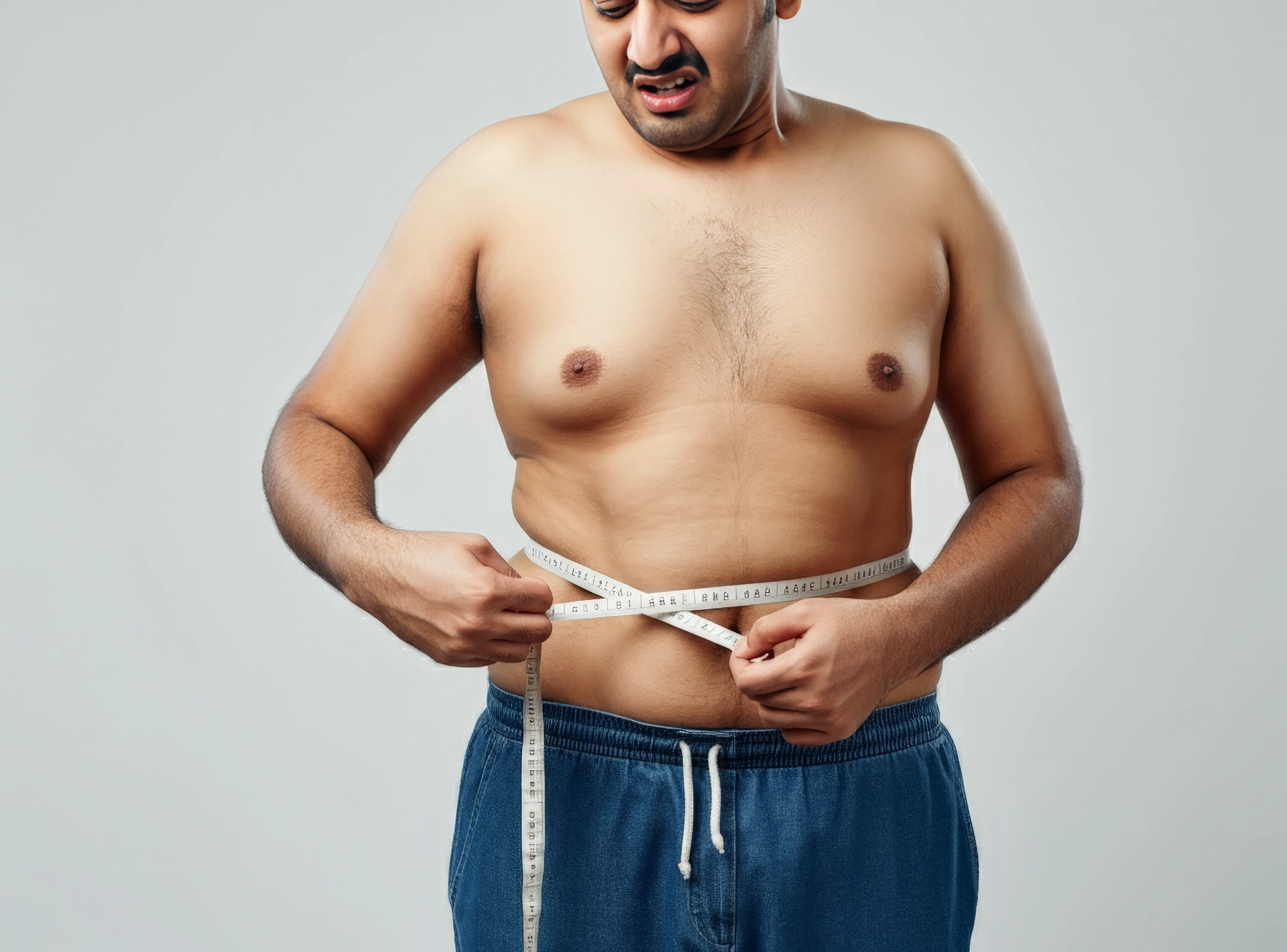
Male liposuction is an effective body contouring procedure that eliminates stubborn fat and creates a more defined, masculine appearance. Understanding the techniques used, the recovery process, and realistic before-and-after results will allow you to make an informed decision and achieve long-term results with proper care and a healthy lifestyle.
Male Liposuction In Dubai
Male Liposuction in Dubai removes stubborn fat and improves masculine body contours through advanced surgical procedures. Patients who receive proper recovery, personalized aftercare, and a healthy lifestyle can benefit from smoother body definition, natural-looking before-and-after results, and long-term improvements in confidence and appearance.
Liposuction In Dubai
Liposuction in Dubai is a popular body contouring procedure that removes stubborn fat from specific areas, resulting in a slimmer, more sculpted appearance. Advanced techniques, experienced surgeons, and personalized aftercare enable patients to achieve natural-looking, long-lasting results while also improving body proportions, confidence, and overall aesthetic balance.
Key Takeaways
- Male liposuction is performed to sculpt the torso, chest, abdomen, and flanks to reveal more muscle tone and to create a masculine, athletic figure.
- Common goals include V-taper, abdominal etching, chest sculpting and flank reduction VASER and high definition liposculpting improve muscle definition.
- The results are presented in phases. immediate changes to contour, definition in weeks, most results in four to seven months, final look in seven months to a year. Follow aftercare and track progress with photos.
- Recovery involves compression, activity control and swelling reduction to protect results. Following the surgeon’s instructions will result in better results and faster healing.
- The fat cells removed will not regrow, but long-term results from liposuction depend largely on keeping a stable weight through exercise and a healthy diet. You gain weight, new fat will come.
- Select the technology and technique according to your fat type, skin quality and goals. Discuss male-specific considerations such as denser fat, thicker skin and hormones with your surgeon to tailor your plan.
Normal body shapes and fat removal after surgery. Individual results vary by the site treated, amount of fat removed and patient healing.
Contour changes are often seen within a few weeks, with final smoothing and skin retraction over four to seven months. Scars are usually small and in places that are not usually seen.
If you maintain a stable weight and take proper care over the long term, you get the best results.
BOOK AN APPOINTMENT TODAY
Defining Male Aesthetics
Liposuction for men removes fat from specific areas to create a more defined, masculine shape and improve contours. It’s all about well-defined muscle lines, balanced proportion and efficient movement. It describes the basic aesthetic goals and how proper liposculpture works in conjunction with exercise and lifestyle changes to sustain results.
The V-Taper
Gives your torso the powerful frame of a broad-shouldered, narrow-waisted “V-taper,” making your upper body look stronger.
- Back of shoulder and upper back
- Side of chest, near armpit
- Love handles (sides)
- Lower ribs and upper abdomen
- Supraspinous and lower back areas
High-definition liposuction is contoured around the natural borders of the muscles to achieve a more enhanced V-shape. Striations of your obliques and serratus muscles can be revealed by liposuction of the superficial and deep fat layers.
A strong V-taper immediately communicates youth and athleticism, and can alter the fit of clothes and the appearance of movement when doing a sport like rowing or sprinting.
Abdominal Etching
Abdominal etching is a technique that outlines the six-pack and midline by targeting small areas of fat in the shape of muscle groups.
This one targets those stubborn areas that cover up your rectus abdominis and obliques. It can strip away the layers of fat that can conceal your muscles, revealing a flatter, chiselled abdomen.
Those results are more permanent when teamed with a weight-lifting routine two to four times a week, as muscle mass supports the new curves. Strategic fat removal around the abdominal wall adds depth and shadow to create a 3D look to the muscles.
Core and functional training improves your posture and movement, making the chiseled abs look natural in action.
Chest Sculpting
Male Chest Sculpting: Male chest sculpting is designed to target both fatty tissue and true glandular enlargement for a flatter, firmer chest.
The techniques range from focused liposuction to small incisions if needed for gynecomastia. The small incisions and fine cannulas used leave minimal scarring.
The chest plate is defined by the fat extraction around the pectoral border and reveals the muscle contour. Losing chest fat can make you feel lighter when you move and exercise.
Many men say they feel less self-conscious and more confident with physical activity after chest sculpting.
Flank Reduction
Flanks, or love handles, are a common place for men to hold onto stubborn fat, and often diminish the appearance of torso width.
Liposuction of the flanks creates a slim waistline and smooth transition from ribs to hips. This is frequently combined with liposuction of the abdomen to create a unified midsection.
Trimming those love handles makes the waist look smaller and helps you get that rock hard V-shaped torso that everyone wants.
With cardio for 35 to 50 minutes, four to six days a week, and targeted strength work, flank reduction preserves body composition and everyday ease long-term.
The Results Timeline
The results of male liposuction will improve over time. You can observe the progression at every recovery benchmark, from the immediate post-op period to the initial year. You will see early improvements soon but final results take patience and consistent after care. It’s an easy way to keep expectations in check, and visualize the change, by tracking progress with photos or a simple timeline table.
1. Immediate Changes
Early results may be obscured by post-surgical swelling and bruising. This is normal and to be expected. You can often see some reduction in bulge and better contours right away, especially in areas where large deposits of fat were removed. Compression garments sculpt the body and control fluid retention, so wear as directed for faster early sculpting.
Tenderness and numbness around the incision sites are common but often disappear within a few weeks.
2. First Few Weeks
About three to four weeks after treatment, any swelling will start to go down, and you will see more defined areas that were treated. The first week is usually when discomfort is greatest. By day seven or eight most patients are much more comfortable and able to resume light daily activities.
Wear your compression garments as ordered by your surgeon to help with healing and to decrease residual swelling. Resume light exercise as directed, but no heavy lifting. Small asymmetries or firmness are normal and usually fade.
3. Three To Six Months
The results of male lipo are usually more evident between 4 and 7 months when the remaining swelling goes away. Skin retraction and muscle definition will be improved especially with high definition liposculpting. Take before and after photos from the same angle and same light so you can track your results. You know it’s real change not just how you feel.
By this time any remaining unevenness or minor contour irregularities usually will have disappeared. If necessary, small touch-ups can be performed.
4. The Final Look
Final results are usually seen at seven months after surgery, contours more set, more definition. Your treated areas should now have toned, masculine proportions to your torso. Scars from small incisions are generally minor and fade with time.
With a healthy lifestyle, exercise and nutrition will keep the new shape.
5. Beyond One Year
Long-term results require weight stability and continued habits. Tissue removed will not grow back but if you gain weight new tissue can develop. Like exercise and good nutrition, they are necessary for permanent change.
With larger surgeries you can still see some gradual improvement up to 12 months as the skin continues to tighten and tissues settle. Schedule yearly photos and progress reviews to keep the changes on track and keep you motivated.
Male-Specific Factors
The planning and results of liposuction are different for the male body. Understanding the distribution of fat, how the skin reacts, and how hormones work, enables us to individualize the approach, the devices, and the expectations. Some of the common male-specific factors that influence treatment decisions and response are shown in the table below.
| Factor | Typical male pattern | Clinical impact |
| Fat distribution | Centralized: abdomen, flanks, chest, neck | Needs focused contouring for a defined torso |
| Fat quality | Denser, more fibrous | May require ultrasound-assisted or VASER liposuction |
| Skin thickness | Generally thicker, more elastic | Permits more aggressive fat removal with better retraction |
| Hormonal profile | Higher testosterone; possible imbalances | Drives abdominal fat, can cause gynecomastia |
| Common targets | Chest, abdomen, love handles, neck | Varied cost and technique per area |
Fat Composition
Men often have more fibrous fat in the abdomen, flanks and chest. This tissue is more difficult to disrupt by suction alone. In more advanced procedures, such as ultrasound-assisted or VASER liposuction, the hard, fibrous fat is loosened so it can be suctioned out more easily and with less damage to surrounding tissue.
Dr. Perfect Celebrity and other specialists routinely use these approaches on male patients. If you’re after a toned, athletic appearance, not just loss of volume, it’s crucial to find those resistant pockets. A thin ring of fibrous fat round the flank can be removed to show oblique definition. Liposuction of the chest can be combined with gland excision to decrease the rounded contour of gynecomastia.
Skin Thickness
In most men, men’s skin is thicker and more elastic than women’s skin. Thicker skin tends to handle more aggressive fat removal without becoming loose and baggy. Proper elasticity helps skin retract and smooth over the new contour when swelling abates.
Skin has different behaviors based on age and genetics, older patients or smokers will show less re-coil. This means that, in practice, surgeons can safely remove more fat in targeted areas, but still need to evaluate the skin quality to decide whether they are under or over-treating.
Hormonal Influence
Testosterone also determines where men store fat, preferentially in the abdomen and flanks, and can make chest fat particularly stubborn. An imbalance of hormones can cause or worsen gynecomastia, which is the growth of glandular tissue in the male chest.
Liposuction can remove fat, but glandular tissue may have to be surgically cut out. Hormones affect rate of healing and fat metabolism post surgery. Monitoring and, if necessary, treatment of hormonal problems contribute to the maintenance of long-term results and reduction of relapse risk.
Technology’s Role
Liposuction advances changed the game for men with better accuracy, safety and predictability. Newer tools allow surgeons to target fat more selectively and sculpt contours more precisely. In some cases, they can even stimulate skin tightening. The type of fat, the quality of the skin and the look you want still dictate the choice of technology.
Traditional Lipo
In the traditional liposuction technique, a thin cannula is inserted through small incisions to break up and suction fat. It works well for high volume liposuction and when a simple debulk rather than delicate contouring is desired. The results with this method are quite predictable in men with good skin elasticity and moderate fat pockets.
Recovery tends to be more swollen and bruised than energy-driven techniques. Surgeons sometimes combine manual lipo with PAL to reduce operative time and facilitate working in fibrotic fat.
VASER Lipo
VASER lipo uses ultrasound energy to liquefy fat prior to removal so it can be removed more easily and more selectively. The ultrasound probe breaks up fat tissue, but leaves much of the surrounding connective tissue intact which is helpful when treating fibrous areas and allows for more definition in muscle sculpting.
VASER is often used for male chest sculpting and abdominal etching because it improves definition and allows for tailored sculpting. It tends to cause less blunt trauma to surrounding tissue. However devices are expensive, require training and may create vibration and noise which can be a distraction to the surgical team.
Laser-Assisted Lipo
Laser-assisted liposuction (LAL) uses laser energy to liquefy fat and may produce some tightening of the skin due to contraction of the fibrous septal network. This is the best approach for men with only moderate skin laxity or small, specific areas where contour finesse is important.
Laser energy can reduce downtime and create a smoother surface contour of the abdomen and flanks. Its efficacy is improved on some devices that permit aspiration of coagulated and liquefied fat simultaneously.
Next step is adjuncts RF. RF has the potential to permanently reduce fat via electroporation effects on adipocytes and to tighten tissue via heat-mediated contraction of FSN. We see a few holdouts regionally that haven’t been as widely adopted in some markets, and a possibility of nodularity in about 3% of patients post-surgery.
| Technique | Mechanism | Best for | Pros | Cons |
| Traditional | Manual cannula aspiration | Large-volume reduction | Widely available, effective | More bruising/swelling, less definition |
| VASER (UAL) | Ultrasound emulsification | Fibrous fat, HD sculpting | Precise sculpting, less trauma | Cost, learning curve, vibration/noise |
| Laser-Assisted (LAL) | Laser liquefaction, heating | Small areas, mild laxity | Skin tightening, smoother contour | Extra cost, variable adoption, training |
The Recovery Difference
The clinical phases of male liposuction recovery are similar to those of female recovery, but the speed and presentation may be different due to anatomy and lifestyle. In men fat is usually laid down in thicker layers of sub-cutaneous tissue over the abdomen, flanks and chest and this changes the way swelling settles and the way skin retracts.
Your activity level, occupation and muscle mass can all affect the severity of symptoms and time frame to see visible results.
Swelling
Swelling is a normal response to male liposuction and is usually at its worst during the first week. Most guys experience moderate heaviness and bruising during those first few days. During this first week, bruising and hardness are usually at their worst.
The amount of swelling you will experience will depend on how much fat is removed and from where. Large-volume abdominal work is typically associated with more prolonged swelling than small-area contouring on the neck or inner arms. In the early stages, a few minutes with cold compresses and elevating the treated area will help decrease swelling.
The Recovery Difference Traumatic swelling can hide final contours until it subsides. You can expect to see steady improvement over three to five weeks and ongoing refinement over two to six months as the tissues settle down.
Compresion
Wear a compression garment 24/7 as instructed to help the healing process and to mold the area. Compression reduces fluid accumulation, controls edema and helps the skin ‘retract’ to the new liposuction shape.
It’s important to get the right fit – too loose and it will not control the edema, too tight and it may restrict blood flow and cause discomfort. Post-surgery, expect to wear compression garments for at least seven to nine weeks for recovery, although some patients will wear lighter support as early as one month.
Compression alleviates the discomfort of mobilization and acts as a protective barrier over incisions and treated areas.
Activity
In the early recovery period, avoid strenuous activity and heavy exercise to prevent bleeding and allow the tissues to heal. Most men feel well enough to go back to work and simple activities within a week. Usually this can be done with the appropriate prescription or OTC pain medication.
Light movement in the morning, such as short walks and gentle limb exercises, can help stimulate circulation and reduce the risk of complications such as blood clots. Return to non-strenuous activity in 3-4 days and normal exercise in about 2-3 weeks, but only when cleared by the surgeon.
Going back to hard exercise too soon will wreck your recovery and change your results, so work your way through the staged recovery workouts to get results such as a tighter stomach and better muscle definition.
Key factors to watch for recovery:
- Pain, swelling, bruising when and peak
- Compression Garment Wear Time and Fit
- Activity restrictions and gradual exercise return
- Signs of infection and wound care
- Surgeon’s instructions and follow-up appointments
- Timeline or checklist of milestones to track progress
Preserving Your Investment
Male liposuction results are maintained through intentional choices in diet, activity and lifestyle. The process kills off fat cells, but it doesn’t prevent new fat from forming if you eat more calories than you burn. The bedrock of lifelong shape and health is holding your investment, stable weight and habits.
Nutrition
A balanced diet will help heal and keep the fat from returning. Lean proteins, vegetables, whole grains and healthy fats will give your body the nutrients it needs to repair tissues and maintain your muscle definition.
Avoid empty calories and trans or saturated fats, because unused added energy will be deposited as new fat and can interfere with your surgically enhanced contours. Use a simple app or a handwritten journal to track your intake for a few months post-surgery so you can see what your average portions look like and stay within a consistent calorie load.
Examples of things to eat include a meal of grilled chicken, quinoa and mixed greens or oats, Greek yogurt and fruit for breakfast. Good nutrition helps recovery and keeps you looking lean.
Exercise
Regular cardio and strength training three to five times a week keeps your muscle mass high and your body fat low. Strength work gives you the shape underneath, and cardio burns a few extra calories and supports heart health.
Core and functional training enhances midline firmness and abdominal etching. Planks, dead bugs, and rotational moves are preferred over isolation exercises alone.
Start with gentle activity during recovery, then progress to scheduled sessions as permitted by the surgeon. A ritual that will take you far beyond the rookie season will compound and sustain results for years.
Adjust the intensity and frequency to suit your goals and stage of healing. A trainer or physio can set up safe progressions.
Lifestyle
Sleep, stress management, and hydration are important for healing and long-term outcomes. Try to sleep regularly and use quick stress reduction techniques like short walks, breathing exercises, or therapy.
Smoking and drinking too much alcohol can interfere with the regeneration of tissues and increase the chances of developing complications. The less you do it, the more it heals and the better the results.
Set realistic, measurable goals and celebrate achievements. Inches lost and strength gains, pictures help keep the morale going. Good habits will help your surgical results and reduce the chances of fat returning in untreated areas.
They cut down on the long-term health risks of carrying excess weight around.
Checklist For Maintaining Liposuction Results:
- Balanced diet: lean protein, vegetables, whole grains
- Calories (awareness or tracking)
- Strength training 3-5 times/week + core work
- Frequent cardiovascular activity
- Sleep and hydration enough
- Stress management techniques
- Limit alcohol and avoid smoking
- Regular follow-up with your surgeon/clinician
Swelling, Bruising, And Scarring After Male Liposuction
Swelling and bruising are common after male liposuction and will subside over several weeks. Scars are usually small and fade over time. Following your surgeon’s aftercare instructions promotes optimal healing.
Male Liposuction Recovery Tips For Better And Faster Results
Wear your compression garment, stay hydrated, eat nutritious foods, exercise regularly, quit smoking, and go to follow-up appointments. Following your surgeon’s advice promotes faster healing and ensures the best possible results.
Male Liposuction Recovery Dos and Don’ts
Wear compression garments, get plenty of rest, and follow medical instructions. Do not smoke, lift heavy objects, skip follow-up appointments, or resume strenuous exercise until your surgeon says it is safe.
Frequently Asked Questions
What Results Can I Realistically Expect From Male Liposuction?
The majority of men experience dramatic fat loss and improved contours. Results may vary depending on treatment area, skin quality and skill of surgeon. Liposuction removes fat cells, but it is not a weight-loss technique.
How Long Until I See Final Liposuction Results?
You should begin to see the first form in one to three weeks. The final results are usually seen three to six months later, after the swelling subsides and the tissues settle. If you are more swollen or slower to heal, this timeline may be extended.
Will My Skin Tighten After Liposuction?
The skin does contract to a point, particularly in the young patient with good elasticity. Some men, particularly those with looser or older skin, may require additional procedures for optimal tightening.
Are Male Liposuction Results Permanent?
Fat cells removed never come back. Residual fat cells can expand in size as a person gains weight. Weight maintenance preserves the permanent results.
How Does Male Anatomy Affect Liposuction Outcomes?
Men tend to have, thicker fat, denser muscle and different fat distribution. Techniques are customized for the chest, flanks and abdomen to create masculine contours and symmetry.
What Role Does Technology Play In Results?
Power assisted, ultrasound and laser technologies can improve accuracy, reduce tissue trauma and help skin recoil. Selection is according to objectives and surgeon experience.
How Long Is Recovery And When Can I Resume Exercise?
A week later, most people are back to light activities. Vigorous exercise is usually resumed at five to seven weeks, depending on healing and surgeon clearance. To get the best results, use compression and wound care.
MEET THE EXPERT DOCTOR
Best Plastic Surgeon In Dubai For Male Liposuction
Best Plastic Surgeon in Dubai for male liposuction is available at the Perfect Doctors Clinic, where Dr. Perfect Celebrity uses advanced body contouring techniques to achieve natural-looking, masculine results. Patients can benefit from personalized treatment plans, expert surgical care, and comprehensive aftercare, resulting in a smooth recovery, improved body definition, and long-lasting confidence with visible before-and-after results.
Conclusion
Liposuction for men delivers immediate, visible results. Fat lumps get smaller. Defined contours are visible. Most men see stable change at 4 months and tighter results at 7 to 14 months. The final look is determined by age, skin tone and type of fat. New devices reduce swelling, speed recovery. Proper compression, consistent nutrition, and intentional rest maintain results.
A man keeps his weight steady and wears the garment and at four months reports a slimmer waist in the love-handle area and at seven months better muscle definition. One other man needed skin tightening besides the new shape.
If you’re looking at your options, talk to a board-certified surgeon. Ask for photos, timelines, and realistic goals. To find out more or to arrange a consultation please get in touch. Get in touch with a trusted expert today.