





Patients with melasma, a skin disorder marked by dark or gray spots that appear on the skin’s surface, may find it quite distressing. Many people have aesthetic self-consciousness and worry about the general health of their skin when they have hyperpigmentation or discoloration on their faces. Although the exact cause of the illness varies from person to person, typical risk factors include genetics, hormone fluctuations, and excessive exposure to UV radiation from the sun or tanning beds. A significant portion of the general population suffers from the illness, which is not uncommon. Women between the ages of 19 and 39 who have darker skin types—those in the Fitzpatrick skin type scale’s IV–VI range—are more likely to experience it. Melasma, commonly known as the “mask of pregnancy,” affects 14–49% of expectant mothers at some point throughout their pregnancy. Patients with melasma frequently search for a means to get rid of the condition out of concern for their appearance or for the general health of their skin. Fortunately, chemical peels are a simple way to treat melasma thanks to developments in dermatology.
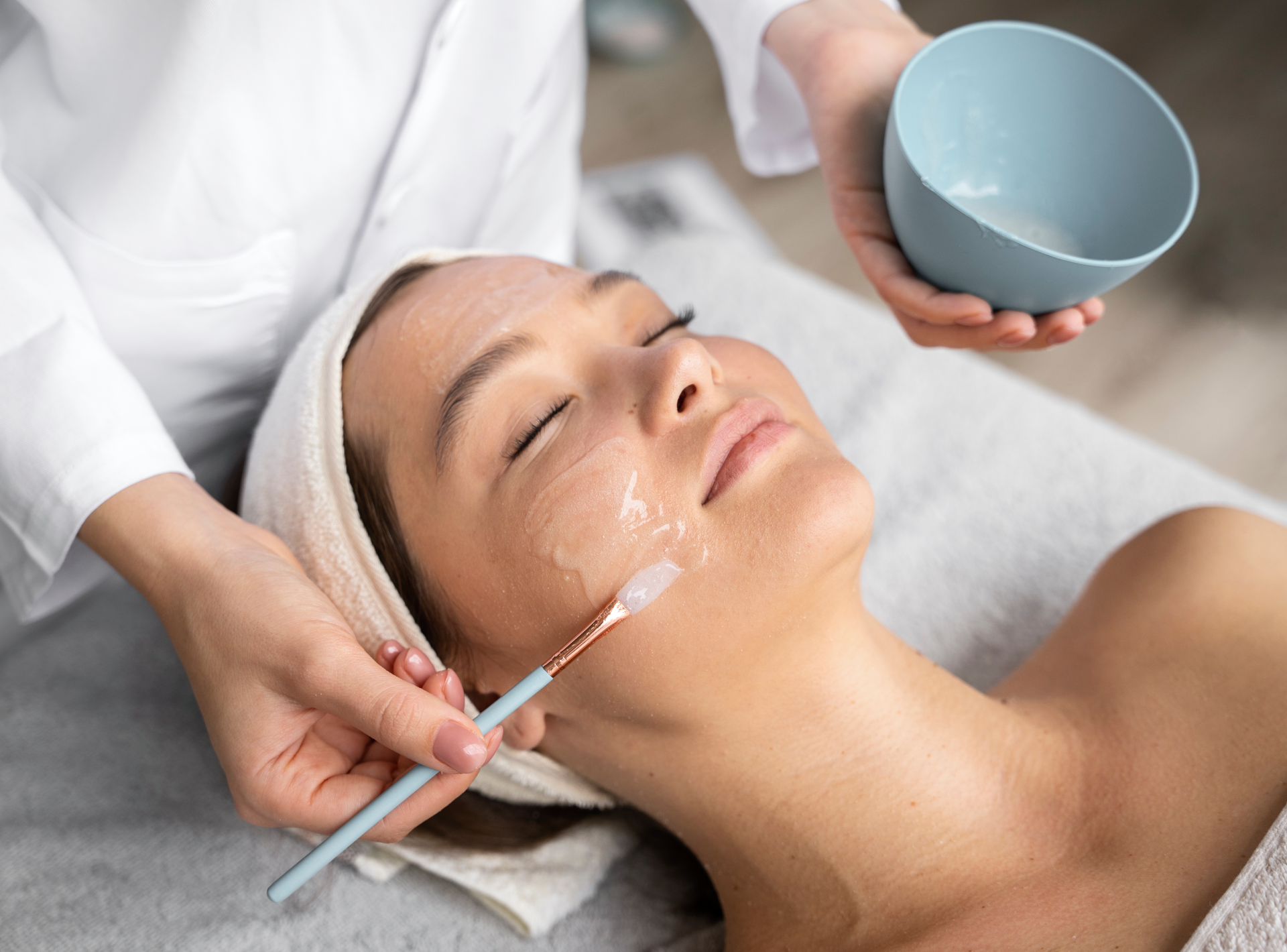
Chemical peels are skin-resurfacing procedures in which a chemical mask is applied. This mask gently exfoliates the area by reacting with the dead skin cells on the skin’s outer layer. This procedure encourages cell turnover for better skin by starting the body’s natural healing process. Chemical peels are a very good way to treat melasma and get rid of skin pigmentation. Chemical peels, when applied to the affected area, not only reduce the look of hyperpigmentation but also stop melanin from building up in the skin, which causes skin discoloration. Therefore, chemical peels can help prevent melasma from recurring in the future as long as careful sun avoidance is followed. When carried out in the office of a skilled dermatologist like Dr. Perfect Celebrity, the procedure is both safe and efficient.
For more than 26 years, Dr. Perfect Celebrity has been treating hyperpigmentation-related skin problems like post-inflammatory hyperpigmentation and facial melasma at his Dubai office. Dr. Perfect Celebrity is one of the top dermatologists in Dubai. He specializes in chemical peels, melasma, skin care, microneedling, and laser treatment. Dr. Perfect Celebrity will help you revitalize and lighten your skin, whether it’s for acne marks and scars, dark spots and sun spots from too much sun exposure, or hyperpigmentation as a side effect of lasers. Asian and dark-skinned patients are among the many skin tones that Dr. Perfect Celebrity is skilled at treating. Dr. Perfect Celebrity can assist you if you have hyperpigmentation or melasma.
Chemical Peels In Dubai
Chemical Peels in Dubai are non-surgical skin rejuvenation treatments that use specially formulated chemical solutions to exfoliate the outer layers of the skin, revealing a smoother, brighter, and healthier complexion. They are commonly used to treat acne, acne scars, melasma, sun damage, uneven skin tone, fine lines, wrinkles, and enlarged pores. By stimulating skin cell turnover and collagen production, chemical peels improve skin texture and promote a more youthful appearance. Available in superficial, medium, and deep formulations, the treatment can be customized to suit different skin types and concerns. With minimal downtime for most peel types, chemical peels are a safe and effective option for achieving clearer, more radiant, and evenly toned skin.
Melasma Treatment In Dubai
Melasma Treatment in Dubai is a customized skin pigmentation treatment designed to reduce the appearance of dark patches and uneven skin tone caused by excess melanin production. Depending on the severity of the condition, treatment may include medical-grade topical creams, chemical peels, laser therapy, microneedling, oral medications, and personalized skincare programs. The goal is to gradually lighten pigmentation, improve skin clarity, and prevent future recurrence while protecting the skin from further sun damage. Because melasma is a chronic condition, consistent treatment and daily sun protection are essential for maintaining long-lasting results. A personalized treatment plan developed by an experienced dermatologist provides the safest and most effective approach to achieving a clearer, brighter, and more even complexion.
What Is Melasma?
Melasma is a skin ailment marked by brown or gray skin patches, or lesions, that typically appear on the face but can also occur on the arms, back, and chest. The majority of symmetrical melasma instances on the face mostly affect the forehead, upper lip, nasal bridge, and cheeks. Although melasma is a very common illness, women are far more likely to have it; according to the American Academy of Dermatology, women account for about 91% of cases. In particular, the illness is most common in women between the ages of 19 and 39. Melasma affects between 14 to 51% of all pregnant women, making it very common among them. Melasma is also more common in women with darker skin tones, such as those in the Fitzpatrick scale’s IV–VI range. Although the illness can affect patients with lighter skin tones as well, it is frequently less obvious in these patients than in individuals with darker skin tones.
What Causes Melasma?
Overactivation of the skin’s melanin-producing cells results in melasma. The naturally occurring substance in your body that causes pigmentation is called melanin. The epidermal, or outer, layer of the skin contains cells called melanocytes that create melanin. Your skin’s color is determined by the quantity of melanin that melanocytes generate. When the melanocytes in the epidermis are stimulated to create more melanin, melasma develops. Patches of excessive pigmentation or discolouration on the skin’s surface result from this overproduction of melanin. Although the precise cause of the melanocytes’ overproduction of melanin is still unknown, a number of risk factors, such as prolonged sun exposure, hormone changes, and genetic susceptibility, might occasionally result in this overproduction.
What Is the Best Treatment for Melasma?
It is crucial to speak with a board-certified dermatologist like Dr. Perfect Celebrity while considering the best course of action for your melasma. This is particularly crucial if you have darker skin because many skin-lightening products used to treat melasma can be detrimental to people with darker skin tones. Patients with darker skin tones are more likely to experience post-inflammatory hyperpigmentation (PIH) if they are treated by a novice. Dr. Perfect Celebrity is very skilled in treating melasma patients of various skin types, and he will let you know about all the safe and efficient solutions available to you.
Melasma can be treated in a variety of ways at Dr. Perfect Celebrity’s office, including chemical peels, laser treatments, topical skin care products, and microdermabrasion. The chemical peel is one of the most well-liked and successful melasma treatments that Dr. Perfect Celebrity’s practice offers. Chemical peels come in a variety of forms, including those that contain hydroquinone, glycolic acid, or trichloroacetic acid. Chemical peels are quite successful and show a noticeable improvement in skin pigmentation after the procedure.
What Is a Chemical Peel?
Numerous chemical peels are available that exfoliate the epidermal layer, the skin’s outermost layer, to revitalize the skin and encourage the formation of collagen for a lighter, more radiant appearance. Depending on the type of peel being used, the chemical peel is applied as a liquid that may contain a range of acids. These acids exfoliate the skin’s outer layer by reacting with the dead skin cells on the skin’s surface. Chemical peels come in a variety of intensities, from superficial to deep, though Dr. Perfect Celebrity usually suggests a medium-depth peel for melasma. Acne scars, wrinkles, and fine lines are just a few of the ailments that can be treated with the many chemical peel varieties.
For his melasma patients, Dr. Perfect Celebrity usually suggests the Cosmelan Peel out of all the chemical peel options. Dr. Perfect Celebrity uses a professional-grade mask called Cosmelan Peel in his Dubai clinic. It contains active tyrosinase inhibitors, which prevent the skin from producing melanin. Kojic acid, azelaic acid, arbutine, phytic acid, licorice, and ascorbic acid are some of these components. Cosmelan 1, which is used at Dr. Perfect Celebrity’s clinic to remove black spots on the skin, is the first stage in the two-step Cosmelan Peel procedure, which is incredibly safe and successful for all skin types. After that, Cosmelan 2 is applied every day (or twice a day) at home with the goal of treating current dark spots and preventing the development of new ones. After that, the Cosmelan 2 is combined with moisturizers and other skin care items like Hydra-vital Factor K or exclusive items from Dr. Perfect Celebrity’s recommendation that are intended to help revitalize the skin.
How Do Chemical Peels Work?
The answer to the question of whether chemical peels are effective for melasma is “yes.” Chemical peels are topical masks that exfoliate the skin by reacting with dead skin cells on the skin’s surface. The mask might penetrate to the dermal layer of skin or only affect the epidermal, or outer, layer of skin, depending on the depth of the peel. The skin softly peels as a result of the acids’ reaction with the dead skin cells. The skin’s surface imperfections are eliminated by the regulated harm, which also sets off the body’s healing process and increases collagen formation.
A chemical peel like the Cosmelan Peel works on all levels of dark spot treatment and prevention when it comes to particularly eliminating pigmentation on the skin’s surface. Melanin that has built up in dark areas on the skin’s epidermal layer is removed when the Cosmelan Peel is first administered because the active ingredients encourage skin cell renewal. By preventing melanin from being produced in the melanocytes and from moving between the melanocytes and the keratinocytes, the peel therefore prevents the synthesis of new melanin. This prevents the formation of new black spots on the skin’s surface.
Are Chemical Peels Good for Melasma?
The response to a common question from patients is “Can chemical peels remove melasma?” Chemical peels are a very safe and efficient method of getting rid of and preventing melasma-related skin discolouration. Chemical peels function by encouraging skin cell turnover and exfoliating the skin’s outer layer. By doing this, the treated area’s excessive pigmentation is removed. In addition to removing melasma from the skin, the chemical peels’ acids can also stop melanin from being produced, preventing the formation of new dark patches.
BOOK AN APPOINTMENT TODAY
What Type of Chemical Is Best for Melasma?
When patients inquire about the best chemical peel for melasma, Dr. Perfect Celebrity usually suggests the Cosmelan Peel, but it really depends. Retinoids and 51 active components, such as kojic acid, azelaic acid, and ascorbic acid, are included in the Cosmelan Peel’s formulation to both remove and stop melanin buildup on the skin. However, melasma can be treated with a wide range of chemical peels that employ various chemicals with various modes of action.
Azelaic Acid: Azelaic acid is used as a bleaching agent to treat pigmentation disorders, including melasma, and to lighten skin tone. All skin types can safely and effectively use azelaic acid, which prevents overactive melanocyte cells from producing melanin.
Glycolic Acid: One popular type of alpha hydroxy acid peel that works well for melasma treatment is a glycolic acid peel.
Kojic Acid: As a tyrosinase inhibitor, kojic acid serves to stop the skin from becoming pigmented. The Cosmelan Peel, which effectively removes melasma from all skin types, contains kojic acid.
Lactic Acid: Chemical peels like the Jessner Peel are made with lactic acid, another alpha hydroxy acid. All skin types can safely utilize lactic acid.
Salicylic Acid: Often used in chemical peels to treat acne and acne scars, salicylic acid is a beta-hydroxy compound. Jessner’s solution is often made using salicylic acid, lactic acid, and resorcinol. All skin tones can benefit from Jessner’s Peel, a popular superficial chemical peel. Additionally, salicylic acid reduces the risk of post-inflammatory hyperpigmentation since it is anti-inflammatory.
Tretinoin: Also referred to as retinoic acid, tretinoin is used to treat sun-damaged skin and acne. Tretinoin is frequently used to treat dark spots, fine lines, and surface wrinkles.
Trichloroacetic Acid: Those with lighter skin are more likely to utilize trichloroacetic acid, often known as a TCA Peel, because those with darker skin may experience serious side effects. Additionally, TCA peels are less successful in treating non-surface-level melasma, or dermal melasma.
What Is the Process for Getting a Chemical Peel?
You will first schedule a consultation with Dr. Perfect Celebrity when you’re ready to start treating your melasma. Any drugs or skin care products you currently use should be disclosed during your session. Changing certain medications, contraceptives, and skin care products may be part of your recommended treatment because they can aggravate or worsen melasma. Additionally, Dr. Perfect Celebrity can collaborate with you to identify the best course of action for treating your melasma. Additionally, Dr. Perfect Celebrity has a great deal of expertise treating patients of all skin tones and is knowledgeable about safe and efficient therapies for both lighter and darker skin tones.
Since the Cosmelan Peel is safe and effective for all skin types, Dr. Perfect Celebrity usually suggests using it to treat melasma. Dr. Perfect Celebrity applies the Cosmelan 1 solution in his Dubai clinic as the first step in the two-stage Cosmelan Peel procedure. Depending on your skin tone and the severity of your melasma condition, you should wear the mask for four to twelve hours. You can take off the mask at home using a mild cleanser after the designated period of time. An at-home procedure makes up the second portion of the treatment. Applying the Cosmelan 2 solution once or twice a day can help stop new melasma dark spots from appearing on your skin. To further encourage skin renewal, Dr. Perfect Celebrity can also recommend a number of moisturizers or vitamin C solutions. Patients should come back to Dr. Perfect Celebrity’s Dubai clinic three weeks following their original session to have any remaining pigmentation removed with a touch-up Cosmelan mask.
Chemical peels are a therapy option with few adverse effects and little downtime. Dryness and discomfort at the treatment site are normal post-treatment side effects that go away within a few days. The depth of the chemical peel determines how severe the adverse effects are. You must take the proper precautions for sun protection after the chemical peel treatment procedure. Even while chemical peels stop new melanin from being produced, melasma can still recur if you continue to be exposed to the sun’s damaging UV rays. Dr. Perfect Celebrity advises adhering to a strict sun avoidance regimen, which includes remaining indoors between 9 a.m. and 1:59 p.m., when the sun is at its strongest, or applying two types of sunscreen (chemical and physical) with at least SPF 45.
What Are the Risk Factors for Developing Melasma?
Melasma can be caused by a number of factors, including biological factors like hormone changes or heredity, as well as lifestyle choices like excessive sun exposure and product usage.
Exposure to UV Rays: When absorbed in excess, ultraviolet rays, commonly referred to as UV Rays, can have detrimental effects on the skin. Your body can defend you against harmful rays by triggering the development of melanin in your skin. When you spend a lot of time in the sun or are frequently in tanning beds, you are exposed to UV radiation. Avoiding tanning beds and wearing sunscreen with an SPF of 45 or higher are the best ways to reduce the chance of acquiring melasma due to UV light exposure.
Hormones: Changes in hormone levels may potentially increase the chance of melasma. Melasma, commonly known as the “mask of pregnancy,” is one situation in which this happens during pregnancy. Oral birth control pills and other hormonal contraceptives may also increase the risk of getting melasma. In order to improve your condition, Dr. Perfect Celebrity advises stopping the use of birth control pills if melasma begins to flare up while you are using them.
Skin Care Products: Over time, some products may make melasma worse or more severe. Alpha hydroxy acids, common exfoliants used to treat acne, any treatment that increases your skin’s sensitivity to sunlight, and scented soaps are a few examples. It is crucial to tell Dr. Perfect Celebrity about the kinds of items you use during your initial visit so he can advise you to stop using them if they are making your problem worse.
Oral Medication: Certain drugs that are prescribed to treat a number of medical ailments may result in photosensitivity, which makes your skin more vulnerable to UV radiation from the sun or tanning beds. You may notice that your melasma gets worse if you take such drugs. Before starting melasma treatment, make sure to let Dr. Perfect Celebrity know about any oral drugs you take so he can propose the best course of action for your overall treatment. Certain antibiotics, heart medicines, and other drugs can exacerbate the symptoms of melasma and/or induce photosensitivity.
Thyroid Disease: Thyroid disease and melasma can co-occur in certain cases. Because of this, scientists think there may be a connection between thyroid conditions and melasma, meaning that those with thyroid conditions are more likely to get melasma.
Are Chemical Peels Good for Hyperpigmentation?
Indeed! An area or patch of skin with a darker pigmentation than the surrounding skin is called hyperpigmentation. One type of hyperpigmentation that can appear on the skin’s surface is melasma. By exfoliating the skin’s outer layer and promoting cell turnover, chemical peels are incredibly successful at lightening the afflicted area of skin and reducing hyperpigmentation. Lighter, more radiant, and healthier-looking skin is the end result.
Which Is Better, Laser or Chemical Peel?
Melasma can be treated with laser treatments in addition to or instead of chemical peels. At his clinic, Dr. Perfect Celebrity uses two different kinds of lasers: the VBeam laser and the Clear + Brilliant laser. By exfoliating and resurfacing the skin, these treatments eliminate pigmentation and cause the body to produce new, lighter, more radiant skin. When patients inquire about the best course of action, the response is that it depends. It all relies on your particular physical needs and goals; neither therapy approach is intrinsically superior to the other. During your initial visit with Dr. Perfect Celebrity, you will collaborate to choose the most effective course of therapy.
Are Chemical Peels Safe for Melasma?
Indeed! Chemical peels are a very safe and efficient way to get rid of and avoid melasma. Nevertheless, before undergoing a chemical peel procedure, it is crucial to speak with a qualified dermatologist like Dr. Perfect Celebrity. Chemical peels typically have modest side effects, such as skin irritation at the treatment site that goes away fast. However, certain chemical peels may result in scarring or post-inflammatory hyperpigmentation in people with darker skin. For all skin types, using a chemical peel that is both safe and effective is essential.
Can Melasma Come Back After a Chemical Peel?
If you are exposed to damaging UV radiation after a chemical peel procedure, melasma may return. Because of this, it is crucial to continue careful sun avoidance after therapy. In order to achieve this, Dr. Perfect Celebrity suggests using two different kinds of sunscreen when you go outside: physical sunscreen, which contains zinc oxide or titanium dioxide to deflect the sun’s rays, and chemical sunscreen, which contains oxybenzone to absorb and alter the sun’s rays. Staying inside between 10 a.m. and 2 p.m., when the sun is at its strongest, is another way to maintain sun avoidance.
How Do I Get Started With Chemical Peel Treatment?
At Perfect Doctors Clinic in Dubai, Dr. Perfect Celebrity, an expert in chemical peel treatments, successfully treats patients of all skin types, including darker skin tones. Dr. Perfect Celebrity can help whether your melasma or hyperpigmentation is caused by sun exposure, laser therapy, or acne flare-ups. To reduce discoloration and revitalize your skin tone and texture, Dr. Perfect Celebrity will help you choose the most suitable skin care products, sunscreens, and chemical peels based on your individual needs. He treats patients with a wide range of skin types and pigmentation concerns. Contact us today to schedule a consultation and discover which chemical peel treatment is the most appropriate option for your skin goals.
MEET THE EXPERT DOCTOR
Best Aesthetic Clinic In Dubai For Chemical Peels And Melasma Treatment
Best Aesthetic Clinic in Dubai for Chemical Peels and melasma treatment provides advanced, customized skin rejuvenation solutions designed to brighten the complexion, reduce pigmentation, and restore an even skin tone with safe and effective techniques. Perfect Doctors Clinic is led by Dr. Perfect Celebrity, who creates personalized treatment plans based on each patient’s skin type, pigmentation concerns, and aesthetic goals. Using professional chemical peels, medical-grade skincare, and advanced pigmentation therapies, he helps reduce melasma, sun damage, acne marks, and uneven skin tone while improving overall skin texture and radiance. Every procedure is carefully tailored to promote healthy skin renewal with minimal downtime and long-lasting results. With experienced specialists, state-of-the-art technology, and a patient-centered approach, Perfect Doctors Clinic is a trusted destination for chemical peels and melasma treatment in Dubai, helping patients achieve clearer, brighter, and healthier-looking skin.