





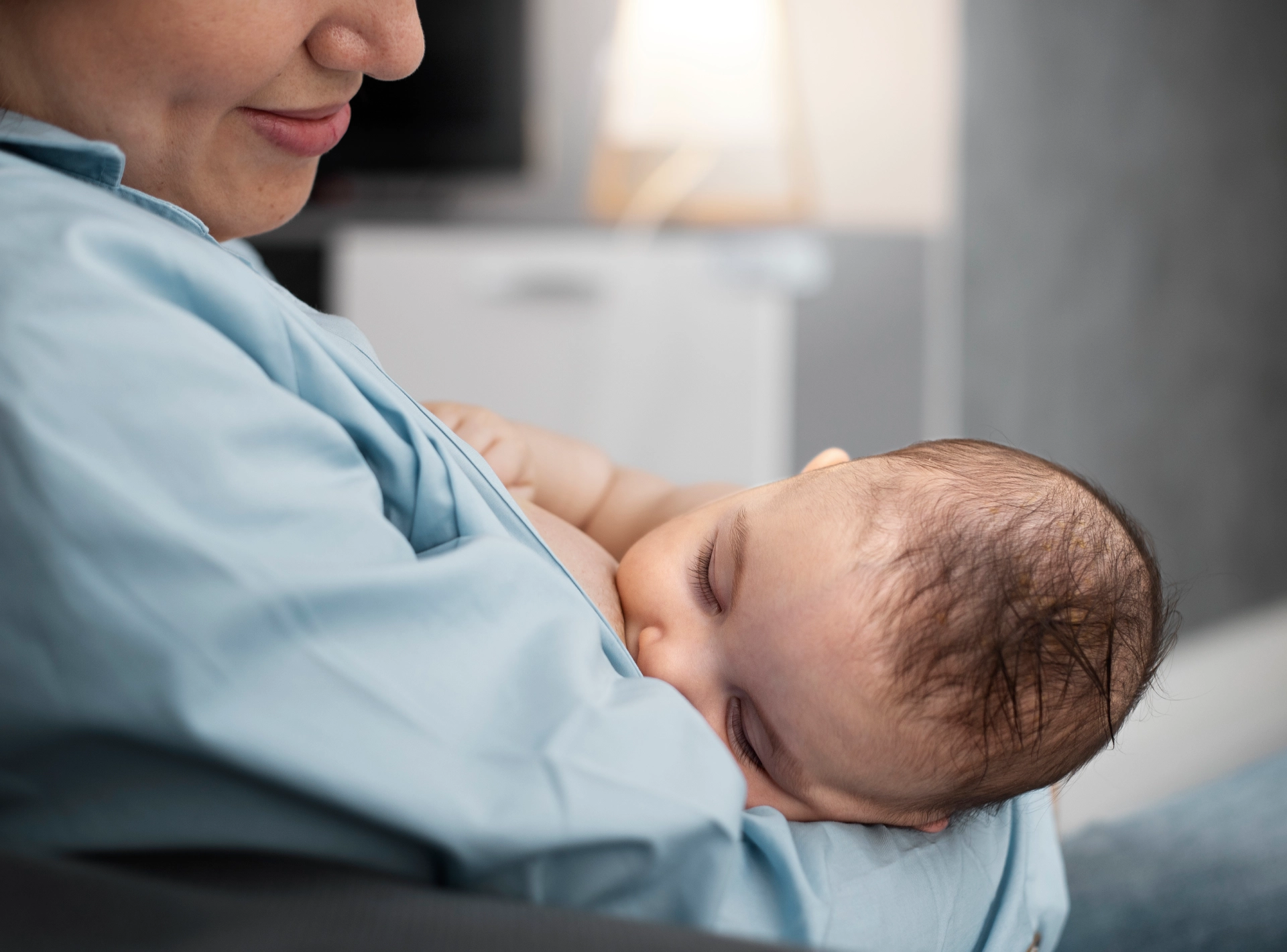
Women seeking breast enhancement surgery, like a breast augmentation or lift, frequently ask this question. “It depends” is the response when it comes to a breast lift in particular.
Breast size, the quantity of glandular tissue present, the amount of breast tissue removed, and whether or not your nipples are fully detached from the milk ducts (used in the free nipple graft technique) all affect how a breast lift affects breastfeeding.
The majority of women who underwent breast lifts and subsequently became parents were able to continue breastfeeding, at least partially.
Breast Lift In Dubai
Breast Lift in Dubai is a cosmetic surgical procedure designed to raise, reshape, and rejuvenate sagging breasts by removing excess skin and tightening the surrounding tissue. The procedure helps restore a firmer, more youthful breast contour that may have changed due to aging, pregnancy, breastfeeding, weight fluctuations, or gravity. During surgery, the breasts are repositioned to a higher location on the chest, and the nipples and areolas may be adjusted to create a more balanced and natural appearance. While a breast lift improves breast shape and position, it does not significantly increase breast size. The procedure can enhance body proportions, improve clothing fit, and boost self-confidence, helping patients achieve long-lasting, natural-looking results.
How Are Breast Lifts Performed?
A large number of women who are thinking about getting a breast lift have previously given birth. Frequently, the initial cause of their drooping was their pregnancy and nursing. Despite not having children, some have acquired sagging as a result of substantial weight loss, weight changes, or simply unfavorable genetics. Questions about nursing are pertinent to these women.
In a breast lift, the breasts are surgically repositioned on the chest wall, rejuvenated, and the nipple-areola complexes are elevated and shrunk; the breasts are firmed, and breast implants may be placed (as part of a mastopexy-augmentation). Unwanted effects on breast glandular tissue and milk ducts may occur throughout this process.
There are various methods for lifting the breasts. Which procedure works best for you will depend on the size, shape, and degree of your drooping, the amount of extra skin you have, and the location of your nipples.
The circumareolar (also known as Benelli, periareolar, or donut), “lollipop,” and anchor (also known as the inverted-T) are the three most popular methods for breast elevation. In the former, the skin surrounding the areola is removed to make the elevation easier. This is made more vertical by the lollipop lift. The anchor-shaped procedure, which entails an inverted-T-shaped incision, is the most popular and adaptable method. See “Types of Breast Lifts” for additional information on these methods.
BOOK AN APPOINTMENT TODAY
Will Nipple Repositioning Impact My Ability to Breastfeed?
Repositioning the nipple-areola complex from its lower, drooping position to a higher, more suitable location on the breast mound is a crucial component of a breast lift. This can be achieved by either extracting it, rearranging the breast, and reattaching it as a full-thickness skin graft (known as the free nipple graft procedure) or by repositioning it while still linked to the underlying breast tissue and ducts.
You might have little to no trouble nursing if your nipple stays connected to the ducts, nerves, and blood supply that support milk production. However, breastfeeding is not feasible with the rarely used free nipple graft technique since it is totally isolated from the glandular tissue and ducts.
The Procedure and Its Effects on Breastfeeding
In this procedure, the nipple and areola are repositioned higher on the chest wall, the breast is reshaped, and superfluous skin and tissue are removed. Incisions are made around the nipple and areola, as well as a vertical incision from the bottom of the areola to below the breast crease and a horizontal incision along the same crease line, during the surgery. It is crucial for patients to be aware that the procedure does not involve the removal of any milk ducts or glands in the breasts. However, the incisions may result in transient damage or scarring, which can impede milk production in certain patients.
Although there is no assurance that you will be able to breastfeed successfully following this procedure, the majority of women do so without any complications. According to a study, 63% of women who underwent a breast lift procedure and subsequently attempted to breastfeed were able to do so without any complications. Some complications, such as insufficient milk supply or difficulty latching their infant onto their breasts, were experienced by the remaining 37% of mothers as a result of nipple positioning changes caused by the surgery.
It is crucial not to be overly concerned if you intend to undergo this type of procedure prior to childbirth, as the majority of patients experience minimal lactation complications following a breast lift. Additionally, some women opt not to have their nipples moved during this procedure. The majority of surgeons concur that it is advisable to refrain from moving one’s nipples during the procedure if one intends to have children shortly thereafter, as this could potentially complicate lactation. If you opt not to have your nipples repositioned during your mastopexy and instead opt to reshape your breasts without any alterations made near your nipples or areolas, the likelihood of experiencing no difficulties with lactation after giving birth is high.
Patients who are considering a breast lift should be aware that, although this procedure may potentially disrupt lactation in certain instances, numerous women continue to breastfeed their infants without any complications following the procedure. Nevertheless, it is advisable to refrain from moving your nipples during this surgical procedure if you intend to have children in the near future, as this could potentially result in lactation complications following the delivery. Ultimately, consulting with a seasoned cosmetic surgeon regarding any apprehensions prior to your procedure can assist you in making an informed decision before proceeding with any surgical procedure.
Factors To Consider When Breastfeeding After a Breast Lift
Loss of Function
Although it is wholly feasible to breastfeed subsequent to a breast lift, the experience will likely differ from breastfeeding prior to the procedure. The surgery may result in a loss of function as a result of the incision or the potential for severed nerves or conduits. One indicator that you will be able to breastfeed is the presence of a normal sensation in your nipples following the surgery, although it is impossible to determine for certain until you attempt lactation.
Nipple Sensation
Some of the disadvantages of a breast lift include changes in nipple sensation, periareolar enlargement, and pleating. After a breast lift, it may require up to a year to regain normal nipple sensation. Consequently, some physicians advise patients to delay pregnancy until their mammary glands have completely recovered. It is more probable that you will be able to breastfeed again after the surgery if you have previously breastfed. However, you should anticipate a decrease in milk production. It is crucial to consult with your physician regarding breastfeeding following surgery in order to ascertain the most effective methods for maintaining your lactation system.
Augmentation
Breast augmentation, or implants, and a breast lift can exacerbate the challenges of breastfeeding. The likelihood of injury is increased when both surgeries are conducted. The duration of time that has elapsed since your surgery will also influence your capacity to breastfeed. Fortunately, there are numerous methods of supplementing breast milk with formula and other nutritional methods if you are unable to produce an adequate amount of milk following your surgery.
Change of Appearance
The shape and appearance of your breasts are altered by both pregnancy and lactation. They expand during pregnancy and contract at the conclusion of the lactation process, which frequently results in lax skin. Breast lifts are frequently requested by women following the delivery of their first child. However, if you anticipate becoming pregnant again, it may be preferable to postpone the procedure until you have finished having children, as the breasts undergo even more significant changes in shape during subsequent pregnancies.
MEET THE EXPERT DOCTOR
Best Plastic Surgeon In Dubai For Breast Lift
Best Plastic Surgeon in Dubai for Breast Lift offers advanced breast rejuvenation procedures designed to restore a firmer, more youthful, and naturally lifted breast appearance. Each treatment plan is customized to address individual concerns such as sagging, loss of shape, stretched skin, and changes caused by aging, pregnancy, breastfeeding, or weight fluctuations. Dr. Perfect Celebrity provides personalized breast lift solutions using modern surgical techniques and a patient-centered approach. Every procedure begins with a detailed consultation to evaluate breast anatomy, skin quality, and aesthetic goals. A breast lift can improve breast position, enhance contour, and create a more balanced body profile while maintaining natural-looking results. Throughout the process, patients receive comprehensive guidance, attentive care, and ongoing support to help ensure a smooth recovery and long-lasting satisfaction with their results.
Interested In Learning More?
In order to make an informed decision about the treatment, be sure to have an open discussion with Dr. Perfect Celebrity (or your cosmetic surgeon) during your consultation if you are thinking about getting a breast lift before having children and want to maintain the ability to breastfeed.
You can determine whether a breast lift, breast augmentation, a combination of the two, or even a breast reduction is the best course of action for you by consulting with a board-certified plastic surgeon.
To begin, you can use our online contact form or give us a call.