





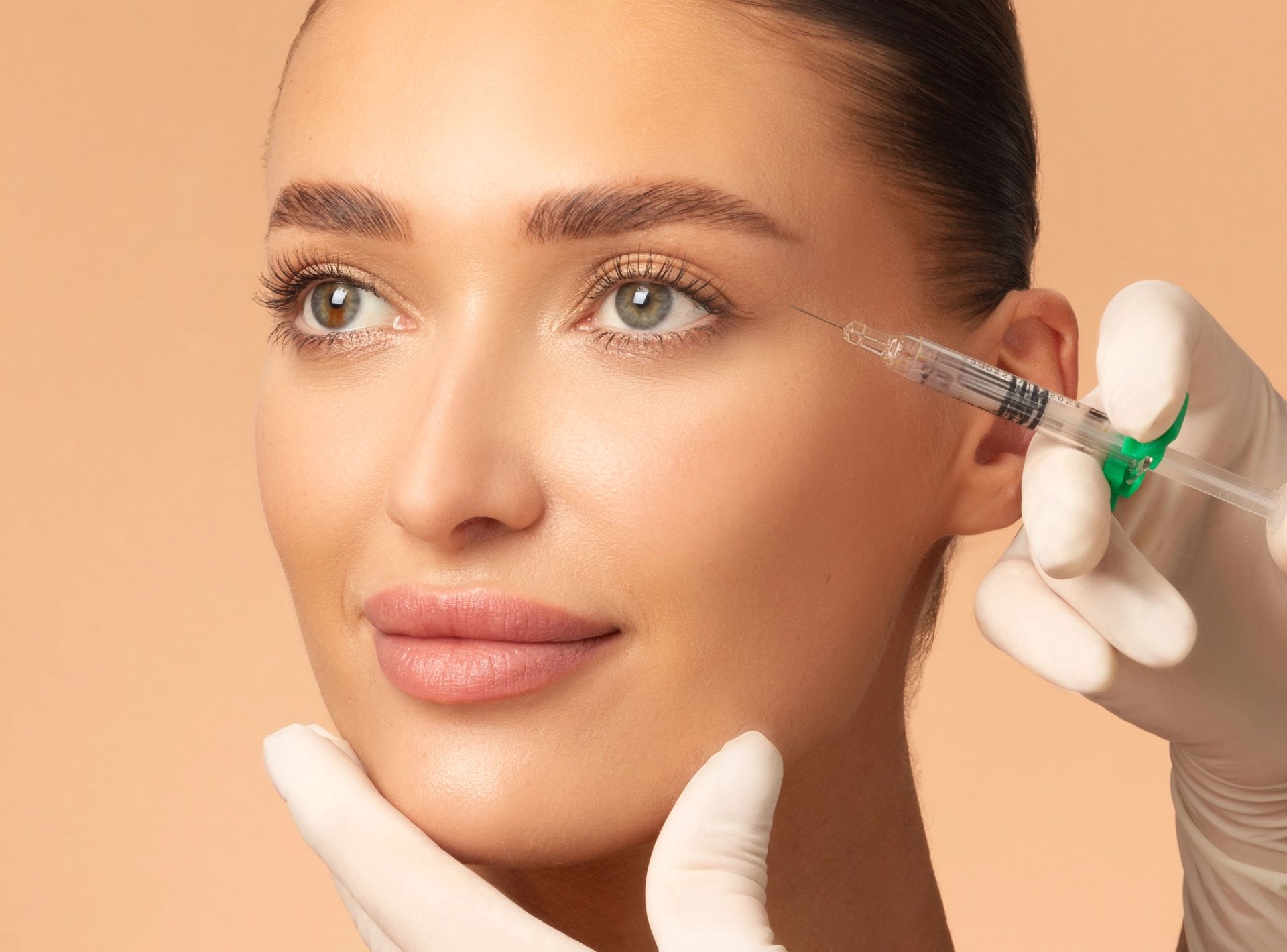
Hyaluronidase is an enzyme that has attracted much attention in the medical and aesthetic fields. Mostly this is used to breakdown hyaluronic acid which is a naturally occurring substance in the body that helps to plump and hydrate the skin. Hyaluronidase is used for various treatments – to reverse the effect of dermal fillers, to improve the absorption of drugs, and to treat problems such as edema. But it is important to know its possible side effects. Knowing about these side effects can help individuals to make informed choices and to handle adverse reactions effectively.
Local irritation at the site of injection is among the most common side effects of hyaluronidase. After the injection, patients generally have redness, swelling, and pain. These symptoms are usually short-lived, resolving within a few hours to a few days. To ease discomfort, your healthcare provider may advise applying a cold compress or taking over-the-counter pain relievers.
Another potential side effect of hyaluronidase is allergic reactions, but they are quite rare. Symptoms of an allergic reaction may include itching, rash, hives, and difficulty breathing and may range from mild to severe. In severe cases, it can cause anaphylactic shock, requiring immediate medical attention. Inform your health care provider if you have any allergies, especially to bee stings or other enzymes, as this may increase your risk of an allergic reaction.
Unwanted tissue breakdown may occur in some cases with the use of hyaluronidase. The enzyme breaks down hyaluronic acid and may therefore affect not only the targeted area but also the surrounding tissues. This may lead to a decrease in volume or structural integrity in areas where hyaluronic acid is naturally found, such as the skin and connective tissues. Patients should consult with their healthcare provider about the potential risks and benefits to make sure the treatment plan is suitable for them.
Other side effects that may occur are bruising and bleeding, especially if the injection is given in areas with a high concentration of blood vessels. Individuals on blood-thinning medications or those with clotting disorders are at increased risk of these complications. To counteract this risk, health care providers may recommend that patients stop some medications prior to treatment and use techniques to reduce vascular trauma during the injection.
Another problem is the risk of infection at the site of injection. Infections are rare, but can occur if proper sterilization techniques are not used. Redness, warmth, swelling and pus at the injection site are signs of infection. Fever and chills may occur in more serious cases. Early antibiotic treatment of infections is necessary to prevent the disease.
Some people may have long-lasting or delayed side effects after hyaluronidase injections. For example, the skin texture may alter over time with lumps or unevenness developing. There may also be a risk of pigment changes resulting in areas of hyperpigmentation or hypopigmentation. These side effects can be distressing, especially when the injections are done for cosmetic purposes. It is important to have realistic expectations and discuss potential outcomes with your healthcare provider.
Finally, the psychological effect of side effects cannot be overlooked. Patients may be anxious or unhappy with the results of the treatment, especially if they have unexpected complications. Dialogue with health care providers and mental health support can be useful for managing emotional responses to side effects.
Hyaluronidase In Dubai
Hyaluronidase in Dubai is a safe and effective treatment that dissolves unwanted hyaluronic acid dermal fillers, restoring natural facial balance and addressing aesthetic concerns. While the procedure is generally well tolerated, understanding the side effects of hyaluronidase is critical prior to treatment. The majority of side effects are minor and temporary, such as mild redness, swelling, tenderness, bruising, or discomfort at the injection site, which usually resolves within a few days. Some patients may notice temporary changes in facial volume as the dissolved filler is naturally absorbed by the body. In rare cases, allergic reactions can occur, especially in people who are known to be sensitive to hyaluronidase or certain animal-derived proteins, so a thorough medical history and consultation are required before treatment. It is also possible to dissolve a small amount of the body’s naturally occurring hyaluronic acid, though this is usually replenished over time. When administered by a qualified and experienced aesthetic practitioner, hyaluronidase is regarded as a highly safe treatment with minimal risk of complications. A personalized treatment plan, careful injection technique, and appropriate aftercare all contribute to reducing side effects and achieving the best results. Choosing an experienced clinic ensures accurate correction, increased safety, and a smooth recovery with natural-looking facial results.
BOOK AN APPOINTMENT TODAY
Advantages Of Hyaluronidase You Should Know
When hyaluronic acid-based dermal fillers do not work as expected or complications arise, hyaluronidase is used to safely dissolve them. One of its most significant advantages is the ability to quickly correct overfilled, uneven, or misplaced filler, thereby restoring natural facial contours. It can also be used to treat filler-related problems like lumps, asymmetry, and excess volume with little discomfort. In more serious cases, hyaluronidase plays an important role in treating vascular occlusion caused by filler injections, making prompt treatment critical to protect surrounding tissues. The procedure is minimally invasive, quick, and usually requires little to no downtime, allowing patients to resume their normal activities quickly. When administered by a qualified practitioner, hyaluronidase provides precise and controlled correction while preserving the surrounding tissues. The ability to adjust or reverse previous filler treatments makes it a valuable tool in modern aesthetic medicine, improving patient safety and satisfaction.
Why Hyaluronidase Is The Best Solution
Hyaluronidase is regarded as one of the best solutions for correcting unwanted results from hyaluronic acid dermal fillers due to its speed, efficacy, and safety. The enzyme naturally breaks down the filler, allowing the body to absorb it over time and achieve a more balanced appearance. It is especially beneficial for patients with overfilled features, uneven results, filler migration, or persistent lumps that do not respond to massage. In addition, hyaluronidase is the first-line treatment for filler complications that require immediate attention. The treatment is highly customizable, allowing practitioners to dissolve only the amount of filler required while preserving natural facial harmony. The majority of sessions last only a few minutes, and noticeable improvement is usually seen within 24 to 48 hours. Hyaluronidase provides a reliable way to reverse or refine filler treatments, boosting patients’ confidence and reassurance when considering aesthetic procedures.
How Hyaluronidase Restores Confidence And Appearance
Hyaluronidase boosts confidence and improves appearance by assisting patients in achieving natural-looking facial balance following unsatisfactory dermal filler results. Whether the issue is excessive volume, uneven contours, filler migration, or asymmetry, the treatment allows unwanted hyaluronic acid filler to be dissolved precisely. As facial proportions return to a more harmonious state, many patients feel more at ease and confident about their appearance. The treatment can also prepare the face for future filler injections, allowing practitioners to achieve a more youthful and refined aesthetic result. Patients can resume their normal activities soon after treatment because the procedure is quick, minimally invasive, and requires little downtime. A personalized treatment plan guarantees that the desired correction is made while preserving natural facial expressions and features. When performed by a skilled medical professional, hyaluronidase is a safe and effective way to correct filler issues, restore facial aesthetics, and help patients regain confidence in their overall appearance with natural, balanced results.
MEET THE EXPERT DOCTOR
Best Aesthetic Clinic In Dubai For Hyaluronidase
Best Aesthetic Clinic in Dubai for hyaluronidase is Perfect Doctors Clinic, where Dr. Perfect Celebrity offers expert treatment to safely dissolve unwanted hyaluronic acid dermal fillers and restore natural facial harmony. Understanding the side effects of hyaluronidase allows patients to make informed decisions before undergoing the procedure. The majority of side effects are mild, temporary, and resolve within a few days, such as slight redness, swelling, bruising, tenderness, or minor discomfort at the injection site. Some patients may experience a temporary reduction in facial volume as the filler dissolves, which can be remedied with subsequent filler treatments if desired. Although uncommon, allergic reactions to hyaluronidase can occur in people who are sensitive to it, so a thorough consultation and medical assessment are required before treatment. Dr. Perfect Celebrity carefully considers each patient’s medical history, previous filler treatments, and aesthetic goals before developing a personalized treatment plan that emphasizes safety and natural-looking results. The treatment is performed accurately using advanced injection techniques and precise dosing to reduce risks while effectively correcting filler-related concerns. At Perfect Doctors Clinic, patient safety, comfort, and satisfaction are our top priorities, so every hyaluronidase procedure is performed with expert care, allowing patients to achieve balanced facial aesthetics, a smooth recovery, and renewed confidence in their appearance.
Conclusion: Hyaluronidase is a valuable adjunct in medical and aesthetic procedures, but carries risks. Potential concerns include local irritation, allergic reactions, unintended tissue degradation, bruising, bleeding, infection, and prolonged side effects. With the right knowledge and working with a healthcare professional, patients can better understand the nuances of hyaluronidase treatment and achieve their goals with fewer side effects.