





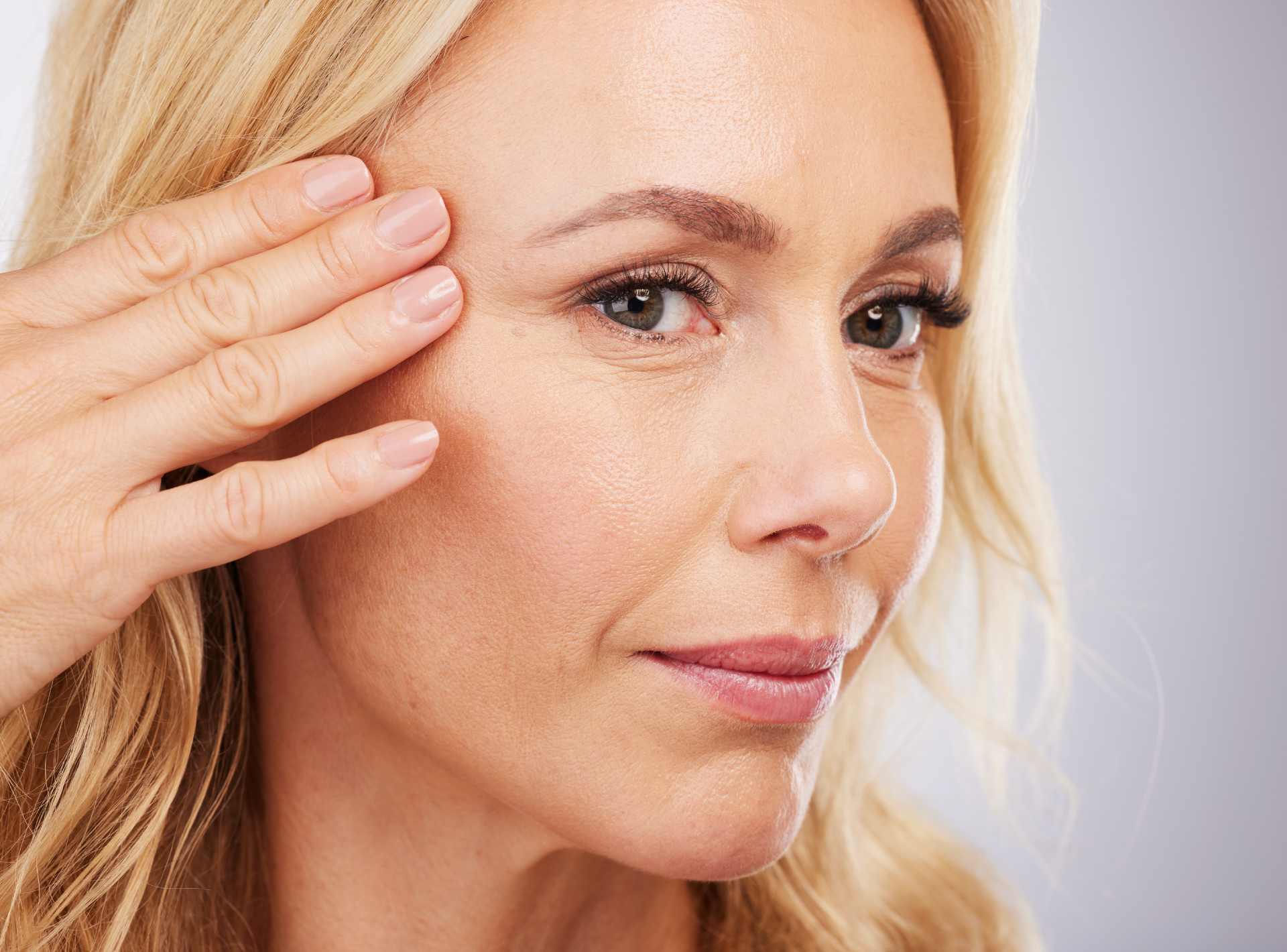
Fat grafting has become a very popular procedure in cosmetic surgery. Plastic surgeons perform Brazilian Butt Lifts, improve the breast, rejuvenate the face and more with fat grafting. But what do you need to know about this growing trend before you give it a try? Questions to Ask Your Plastic Surgeon About Facial Fat Transfers.
Facial Fat Transfers In Dubai
Facial Fat Transfers in Dubai are popular for restoring lost facial volume and giving a more youthful, natural appearance. Before undergoing the procedure, patients should inquire about the surgeon’s experience, expected outcomes, recovery time, and potential risks. It is also helpful to inquire about how much fat will be transferred, how long the results will last, and whether additional sessions will be required. Patients can feel more informed and confident by discussing before-and-after photos, recovery instructions, swelling, bruising, and total treatment costs. Asking detailed questions prior to facial fat transfer surgeries promote better understanding, smoother recovery, and more satisfying long-term aesthetic outcomes.
Fat Transfers In Dubai
Fat Transfers in Dubai are a popular cosmetic procedure that uses a patient’s own natural fat to restore volume, enhance facial features, and improve body contouring. Liposuction is used to remove fat from areas such as the abdomen or thighs, which is then purified and carefully injected into targeted areas such as the face, breasts, and hands. Because the body’s own fat is used, this technique produces natural-looking and long-lasting results with a low risk of allergic reaction. Fat transfer is a safe and effective option for aesthetic enhancement. Recovery is generally smooth, with mild swelling and bruising that improves over time.
1) Are You Board Certified?
This is a good question to ask your surgeon. Board certification means experience, expertise and excellence. Make sure your surgeon is certified in the category of plastic surgery by the American Board of Medical Specialties. You should see that your surgeon is board certified and it should say certified by the American Board of Plastic Surgery.
2) What Vacuum Pressure Do You Use During Fat Removal?
When using liposuction to remove fat, the surgeon controls the procedure by the amount of pressure they use. Your surgeon should be able to tell you what that pressure level is and why they use that level of pressure. This principle is also true of fat removal with a syringe. The most effective method of conserving and safeguarding as many of the fat cells as possible during liposuction is to use a low extraction pressure. This ideally is in the range of 500 millimeters (500 mm) of mercury, or half atmospheric pressure.
3) What Size Cannula Do You Use During Liposuction?
Cannulas, which are long thin tubes used to suck out the fat, come in various sizes. Your health care provider should be able to tell you what size was used (preferably 4 millimeters). The smaller the diameter, the better and smoother are your results in the harvest area.
4) What Cannula Do You Use When Reinjecting The Fat?
When the surgeon injects the fat back into your face, they should use a cannula with a diameter of 3 millimeters or less. A larger cannula will inject larger pieces of fat, which are too large to be absorbed properly. This results in a negative outcome of an uneven, lumpy fat graft.
5) How Do You Process The Fat?
It’s important to understand what happens to the fat when it’s removed. Fat grafting is a multi-step process that begins with the removal itself and includes the gentleness with which it is cleansed and purified. You will want to know that your surgeon has put a lot of careful thought and attention into the procedure.
6) Do You Strain And Wash The Fat Or Centrifuge It?
Your surgeon should have given the procedure a lot of thought. Straining and washing or centrifuging have neither been proven definitively to be superior over the other in the plastic surgery field, so it is a matter of preference which method is best. Your surgeon may choose either the strain and wash or centrifuge method but you’ll want to understand the decision and know they’ve given careful consideration to their choice.
7) What Instructions Will You Give Me After My Fat Graft Procedure?
Your surgeon will give you post-op instructions that will include avoiding any pressure on your fat grafts, sleeping on the grafted area for a few weeks, and other important instructions.
8) What Percentage Of Patients Require Touch Ups?
“If possible, the facial fat transfer should be done all in one procedure.”The percentage of touch ups required by your surgeon should not be more than 6-12%.
Finally, seek out an understanding surgeon you feel comfortable with, who is happy to answer all your questions and provide all the information you want.
BOOK AN APPOINTMENT TODAY
Additional Questions To Know And Ask
How Many Sessions Are Typically Required For Facial Fat Transfers?
Facial fat transfer is typically performed in a single session because the procedure involves harvesting fat from one part of the body and injecting it into the face at the same time. However, some patients may require a second touch-up session after several months if more volume is required or if some of the transferred fat is naturally reabsorbed by the body. Fat survival rates vary between individuals, depending on healing and lifestyle factors. Patients typically see long-lasting improvements in facial fullness, contour, and rejuvenation after a single session.
Can I See Facial Fat Transfers Before-And-After Photos Of Previous Patients?
Yes, most qualified plastic surgeons show before-and-after photos of previous facial fat transfer patients during the consultation. These images help you understand the potential outcomes, such as increased facial volume and overall aesthetics. They also allow you to evaluate the surgeon’s abilities, consistency, and natural-looking results. However, each patient’s results may vary depending on their facial structure, skin quality, and fat survival rate. It is critical to consider these photographs as examples rather than guarantees. Perfect Doctors Clinic prioritizes patient privacy while providing visual references for informed decision-making.
What Facial Fat Transfers Symptoms Should Concern Me?
Mild swelling, bruising, and tenderness are common side effects of facial fat transfer and typically resolve within a few days to weeks. However, you should take certain symptoms seriously, such as severe or worsening pain, excessive swelling, signs of infection like redness, warmth, or pus, and uneven lumps that do not improve over time. If you have a fever or are experiencing persistent discomfort, contact your surgeon immediately. Sudden changes in skin color or circulation problems necessitate immediate medical attention. Attending follow-up appointments and closely monitoring your recovery ensures early detection and effective management of complications, leading to safe and optimal facial fat transfer results.
What Is The Total Cost Of The Facial Fat Transfers?
The total cost of facial fat transfer varies depending on the clinic, surgeon experience, treatment areas, and procedural complexity. On average, costs include consultation fees, anesthesia, operating room fees, and post-operative care. Because fat is typically extracted from another part of the body, liposuction costs may be included. Prices vary significantly between patients depending on the amount of fat needed and the number of facial areas treated. A personalized consultation is required to provide a reliable estimate. Choosing a qualified surgeon leads to safer procedures and more natural, long-lasting aesthetic results, despite cost considerations.
What Is The Facial Fat Transfers Recovery Time?
The initial healing period following a facial fat transfer usually lasts one to two weeks. During this time, patients may notice swelling, bruising, and mild discomfort in both the donor and facial areas. Most people can return to work within 8 to 12 days, depending on their recovery time. However, subtle swelling may persist for several weeks as the fat settles and integrates with the facial tissues. Final results are usually visible after four to seven months, once the swelling has subsided and fat survival has stabilized. Following aftercare instructions is critical for a smooth recovery and best long-term results.
MEET THE EXPERT DOCTOR
Best Plastic Surgeon In Dubai For Facial Fat Transfers
Best Plastic Surgeon in Dubai for facial fat transfers is available at the Perfect Doctors Clinic, where Dr. Perfect Celebrity provides advanced facial rejuvenation treatments that produce natural-looking results. Patients should ask important questions before undergoing facial fat transfer surgery so that they can better understand the procedure, recovery, and expected outcomes. Common questions include how much fat will be transferred, which facial areas will be treated, how long the results last, and whether multiple sessions are necessary. Patients should also inquire about potential risks, recovery time, swelling, bruising, and how much of the transferred fat is expected to survive over time. Requesting before-and-after photos from previous patients can help you assess the surgeon’s experience and aesthetic approach. It is also critical to discuss the overall cost of the procedure, which includes consultation, anesthesia, and aftercare. Patients should inquire about the instructions that must be followed before and after surgery to ensure smooth healing and optimal results. Understanding when normal activities can be resumed and which symptoms may necessitate medical attention is equally important. Patients who ask detailed questions and communicate openly with Dr. Perfect Celebrity at Perfect Doctors Clinic will feel more confident, informed, and prepared for a successful facial fat transfer treatment and recovery.