





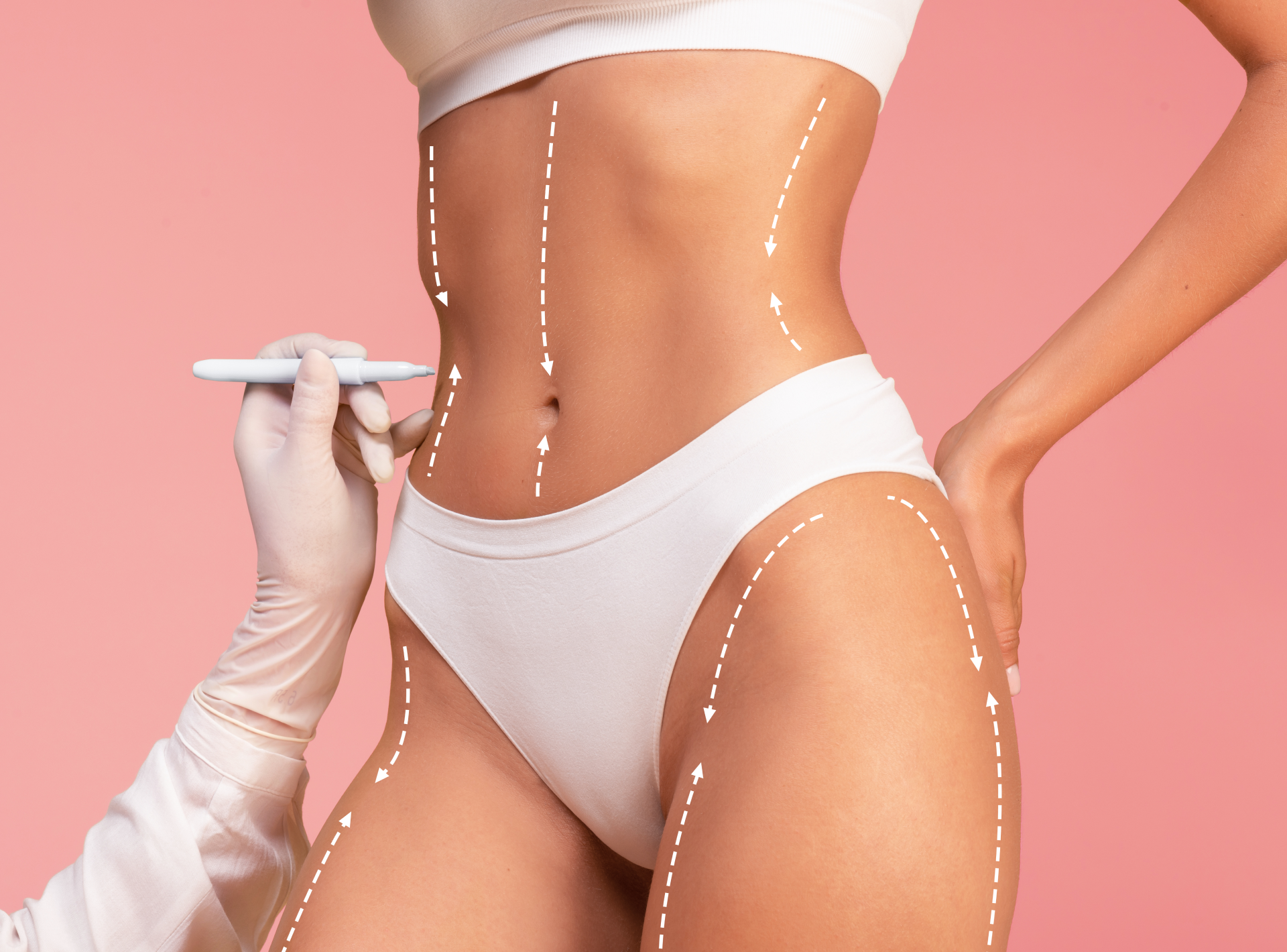
You have certain areas of fat that are resistant to exercise and diet. After considering your options, you’ve decided to have it removed using the tried-and-true method of liposuction. All you need to do is set up the procedure; financing is already in place. But hold on, are you truly a suitable candidate for liposuction?
Before accepting you as a candidate for liposuction, a plastic surgeon must consider a number of factors, just like with any cosmetic procedure. The Perfect Doctors Clinic team has performed thousands of liposuction procedures. The reasons you might not be eligible for liposuction to remove fat are discussed below.
Liposuction In Dubai
Liposuction in Dubai is a cosmetic surgical procedure designed to remove excess, stubborn fat deposits from specific areas of the body to improve shape and contour. It targets localized fat that does not respond to diet and exercise, commonly in areas such as the abdomen, thighs, hips, arms, back, and chin. During the procedure, a thin tube called a cannula is inserted through small incisions to gently suction out unwanted fat cells. Liposuction is not a weight-loss method but a body-contouring treatment aimed at enhancing natural proportions. With proper technique and a healthy lifestyle, the results can be long-lasting and help improve overall confidence and body definition.
Your BMI is Too High
Although it’s not a perfect metric, your Body Mass Index (BMI) is one of the ways to determine if you’re a good candidate for liposuction. The decision to operate is made by a straightforward calculation based on your height and weight.
The likelihood of surgical complications increases with BMI. Patients with a BMI over 39, or example, are more than three times as likely to experience complications as those of normal weight, according to studies. It’s interesting to note that, on the opposite end of the spectrum, you are also not free. After liposuction, patients who are too thin and have insufficient skin “give” are more likely to develop irregularities and indentations.
We have created a BMI calculator to help you determine whether liposuction is right for you. After determining your BMI, follow these guidelines:
| BMI < 29 Perfect for liposuction; for better results, consider skin tightening. | BMI < 29-39 May be eligible, but a stomach tuck or using the Orbera gastric balloon to reach the target weight first might yield better results. | BMI > 39 Not the best candidate; it is suggested that they lower their BMI by getting semaglutide injections under medical supervision or by joining a weight-loss program. |
Having said all of this, please be aware that a plastic surgeon must see you in person in order to truly assess your suitability for surgery.
You Want More Fat Removed Than Is Recommended
A liposuction procedure should remove no more than 4,999 cc (4.9 liters) of fat and fluid, according to the American Society of Plastic Surgeons. The complication rates for so-called high-volume liposuctions are excessively high, much like with procedures for patients with high body mass index. The majority of plastic surgeons will follow the ASPS guidelines even though they are not legally mandated (although some states have passed laws requiring them).
Even if your state permits a higher limit, these recommendations—which are based on extensive studies of post-operative liposuction patients—should be taken seriously.
Before having liposuction, your plastic surgeon might advise you to get closer to your ideal weight if you have a lot of extra fat. Compared to diet and exercise, programs like the Orbera Weight-Loss Balloon may help you accomplish this more quickly and successfully.
Additionally, it’s important to understand that liposuction is a body-contouring procedure, not a weight-loss solution. Attempting to remove excessive fat in a single session can increase the risk of complications such as fluid imbalance, prolonged swelling, infection, and uneven body contours. High-volume liposuction may also place extra stress on your cardiovascular system and other organs during surgery, which is why guidelines exist to protect your safety. Patients who try to exceed the recommended limits often face longer recovery times and may require follow-up procedures to correct irregularities. A responsible surgeon will prioritize your overall health and long-term results over removing the maximum possible fat. By approaching the procedure with realistic expectations and maintaining a stable weight before surgery, you can achieve smoother, more natural-looking results while minimizing risks. This careful planning ensures a safer procedure and a more satisfying outcome.
You Are Not Medically Cleared for Surgery
To assess the risk of surgery, most surgeons will categorize you based on your overall health. Certain underlying conditions may disqualify you even if you think of yourself as healthy. During your consultation, your physician will review these. Asthma, diabetes, and high blood pressure are common red flags for plastic surgeons.
You should anticipate being asked if you smoke or if you quit less than six weeks prior to your procedure. Smokers, as well as those who use tobacco or nicotine products, are at higher risk for infection, serious surgical complications such as delayed healing, additional scarring, or skin death, and possible problems recovering from anesthesia, such as increased bleeding or coughing.
Any heart medications you take, particularly blood thinners, must also be disclosed because they can seriously impair your ability to recover from surgery. Usually, you will need to provide a letter from your cardiologist approving your elective surgery and indicating that stopping your blood thinners for a specific number of days prior to the procedure is safe.
In addition to chronic conditions and smoking status, other health factors may influence your eligibility for liposuction. Respiratory issues, sleep apnea, liver or kidney problems, and autoimmune disorders can increase surgical risks or complicate recovery. Surgeons also evaluate your ability to tolerate anesthesia safely, as general or local anesthesia carries potential complications for patients with underlying medical concerns. Your overall immune function, history of clotting disorders, and previous surgical experiences may be reviewed to identify any potential risks. Even seemingly minor conditions, such as mild infections or uncontrolled allergies, may require treatment before surgery can proceed. By thoroughly reviewing your medical history and current medications, your surgeon ensures that the procedure will be performed as safely as possible. This careful assessment helps minimize post-operative complications, promotes faster healing, and ensures the best possible aesthetic outcome while prioritizing your overall health and well-being.
BOOK AN APPOINTMENT TODAY
You Have Skin Elasticity Problems
Restoring the tight, smooth appearance of your arms, thighs, or abdomen requires more than just losing extra fat. Making sure your skin returns to its previously decreased surface area is the other step.
Results won’t be good if your skin doesn’t shrink back. It will resemble a deflated balloon and appear wrinkled. Make sure your skin is smooth and even if you want to reveal some skin after your procedure.
Your chances of having elastic skin that instantly returns to its original shape are significantly higher if you are young and have never been pregnant. On the other hand, aging and/or childbirth reduce the elasticity of the skin. Additionally, liposuction by itself won’t give you satisfactory results if you have cellulite. Finally, you are more likely than average to develop keloid scarring following liposuction if you have a history of them. You should definitely talk to your surgeon about it before the procedure.
The good news is that liposuction and non-surgical skin tightening can be combined in a single minimally invasive procedure to treat sagging and cellulite-like skin. This produces results that were previously only possible with surgical procedures such as arm lifts, thigh lifts, and stomach tucks. It tightens the skin by applying controlled heat to the underlying tissue using radio frequency-assisted lipolysis (RFAL).
We hope this has helped you decide if liposuction is right for you. The next step is to make an appointment for a private consultation with a plastic surgeon to go over your objectives for fat removal. We can assist; just click the link below to schedule a time that works for you to see one of our surgeons!
You can get the body of your dreams with Perfect Doctors Clinic. See proof of our work in our liposuction before and after pictures, or make an appointment for a consultation to find out how Perfect Doctors Clinic can help you get gorgeous liposuction results.
MEET THE EXPERT DOCTOR
Best Plastic Surgeon In Dubai For Liposuction
Best Plastic Surgeon in Dubai for liposuction is available at the Perfect Doctors Clinic, which offers advanced body-sculpting procedures designed to remove stubborn fat and refine natural body contours safely. Dr. Perfect Celebrity is known for his precision, artistic expertise, and patient-focused approach, ensuring results that appear smooth, balanced, and natural. Each treatment plan is carefully customized after a detailed consultation to match the patient’s goals, body type, and medical history. Using modern liposuction techniques and operating in fully accredited surgical facilities, patients receive high standards of safety and care. From pre-operative assessment to the comprehensive aftercare support, every step is managed with professionalism and attention to detail, helping patients achieve long-lasting and confidence-enhancing results.