





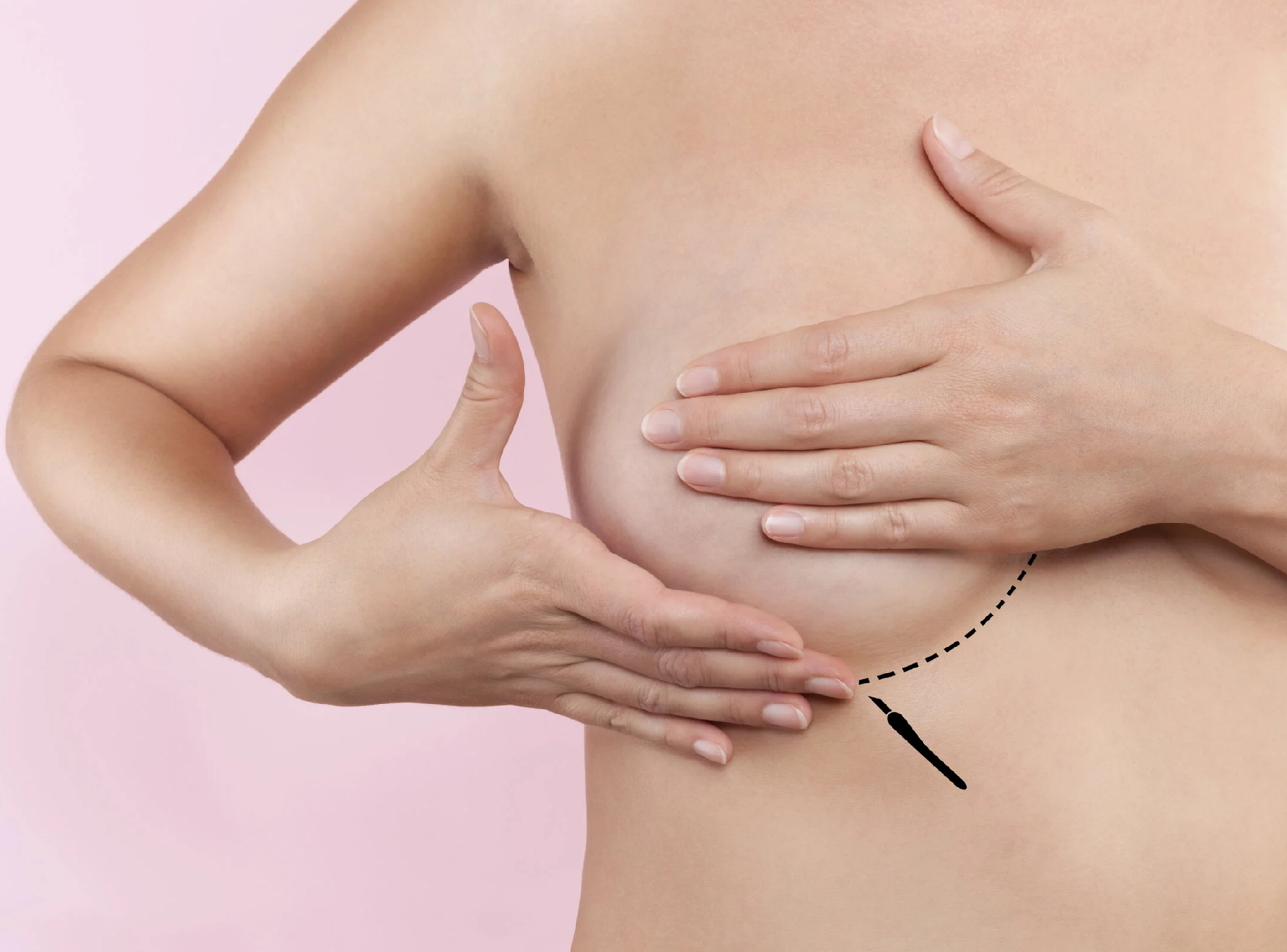
Breast Reconstruction Surgery In Dubai
Breast Reconstruction Surgery in Dubai provides women with secure, sophisticated, and customized solutions to restore breast contour following mastectomy or injury. Clinics in Dubai employ advanced techniques such as implant-based reconstruction, flap reconstruction, and hybrid methods to attain natural-looking outcomes. Surgeons concentrate on restoring symmetry, enhancing confidence, and promoting emotional well-being throughout the procedure. Patients are also provided with comprehensive guidance regarding recovery, post-treatment care, and anticipated outcomes. With advanced technology and highly experienced specialists, Dubai has established itself as a reputable destination for women seeking superior breast reconstruction options customized to their unique requirements.
This blog covers the various forms of breast reconstruction surgery, how to choose the best one, the recovery process, and the risks involved.
Key Takeaways
- Restoring the shape of one or both breasts following a mastectomy or lumpectomy is the goal of breast reconstruction surgery. Skin flap surgery and implants are the two common choices.
- A person’s body type and personal preferences will determine the best kind of breast reconstruction. Following breast removal, surgery may be performed right away or postponed until the cancer has been fully treated.
- Recovery from breast reconstruction may take several months. To achieve the desired cosmetic result, potential complications might necessitate additional procedures like fat grafting or nipple reconstruction.
A person recovering from cancer may feel better and regain their confidence thanks to this reconstruction process.
What Is Breast Reconstruction Surgery?
Reforming or reshaping one or both breasts following a mastectomy or lumpectomy is the aim of breast reconstruction.
To treat or prevent breast cancer, a surgeon may perform a mastectomy, in which the entire breast, typically including the nipple and areola, is removed.
The removal of a breast section containing a smaller tumor is known as a lumpectomy.
The best kind of breast reconstruction can be chosen based on various factors, but there are two primary choices:
- Implants or prosthetics: Saline or silicone implants are used in this kind of surgery.
- Skin flap or autologous surgery: This technique uses tissue from another area of the body.
To reconstruct the breast or breasts in a more natural way, a surgeon may occasionally combine the two methods.
If the nipple and surrounding tissue have been impacted by cancer treatment, the surgeon can use additional techniques to help rebuild them.
Reconstruction of the breast may occur concurrently with a lumpectomy or mastectomy. We refer to this method as immediate reconstruction.
Delayed reconstruction is an alternative, though. Once the mastectomy has healed and other cancer treatments have concluded, a patient may decide to have reconstruction.
Options
This section provides more information about skin flap surgery and implants.
Implants
A surgeon will place silicone or saline implants beneath the skin or muscle to replace the lost breast tissue when reconstructing a breast using implants.
This is a two-step process for most people. In the initial phase, a surgeon inserts a tissue expander beneath the pectoralis muscles or the remaining breast skin. The expander, acting as a temporary saline implant, gradually stretches the remaining tissue.
A surgeon will inject sterile saline or salt water into the tissue expander once a week after the patient has completely recovered from surgery. This balloon slowly expands, stretching the muscle and skin that cover it until the breast reaches the desired size.
The surgeon will carry out the second procedure to insert the implants after the chest tissues have healed and they have prepared the tissue expander with enough saline.
The surgeon removes the tissue expanders and replaces them with a saline or silicone implant. Typically, they will reopen the initial scar. This result frequently indicates that no new scars are left on the chest after the procedure.
Without using a tissue expander, a surgeon may occasionally insert a permanent silicone or saline implant during the mastectomy.
Skin Flap Surgery
To reconstruct the breast during skin flap surgery, the surgeon transfers tissue from another area of the body to the chest.
This tissue is typically removed from the abdomen by the surgeon. However, it could originate from the thigh, back, or buttocks, among other parts of the body.
Because skin flap surgery entails moving tissue from one part of the body to another, it is extremely complicated. There are two ways to perform this surgery:
- Free flap surgery.
- Pedicle flap procedure.
The tissue and the blood vessels that supply it with circulation are entirely removed by the surgeon during free flap surgery to insert it into the breast.
At the desired placement site, they sew the blood vessels into other blood vessels in the chest. Because these blood vessels are so tiny, the surgeon will perform a procedure known as microsurgery in which they are sewn together under a microscope.
The transplanted tissue will not be completely removed from its blood vessels during pedicle flap surgery. To create the breast, the surgeon typically turns the tissue that is still attached to the body into the chest.
For pedicle flap surgery, a surgeon typically uses tissue from the back or abdomen.
BOOK AN APPOINTMENT TODAY
Deciding To Have Surgery
It is a personal decision to have breast reconstruction surgery. After having a mastectomy, many people suffer from severe anxiety and issues with their self-image, or they grieve the loss of their breasts.
For this reason, many opt for breast reconstruction surgery. But after deciding on breast reconstruction, there are still a few crucial choices to make, such as:
- The kind of surgery that should be performed
- When to have the surgery
- The decision of whether to surgically repair both breasts to match each other is being considered.
A person and their surgeon can choose the best type of breast reconstruction by considering several factors, such as:
The individual’s body type is a crucial consideration, as smaller individuals may not have sufficient tissue in other parts of their body to support skin flap surgery.
- General well-being, including smoking status.
- The types, locations, and severity of cancer.
- Additional cancer treatments the patient may have received, such as chemotherapy or radiation therapy.
- Whether one or both breasts require surgery.
- The number of surgeries an individual is prepared to undergo.
- How soon will the patient want to recuperate from surgery
- Whether elective or cosmetic procedures are covered by their insurance policy.
Recovery
A major surgical procedure is breast reconstruction. After both flap and implant reconstruction, a patient should anticipate staying in the hospital for a few days.
To completely reconstruct the breast or breasts, a person may require multiple surgeries. Compared to implant reconstruction, skin flap surgery requires a longer recovery period.
For up to two months following either type of surgery, the patient is unable to carry out the majority of daily tasks. The psychological effects of losing one or both breasts, however, might not go away quickly.
Following breast reconstruction surgery, patients may encounter the following during the first two months of recovery:
- Weariness.
- Patients may experience discomfort, bruising, swelling, or soreness in the breasts, abdomen, back, or buttocks, where the surgeon removed tissue during skin flap surgery.
- Movement restrictions, such as difficulty raising the arms above the head, may also be experienced.
After surgery, a patient will probably need drainage tubes and stitches.
To keep the patient comfortable during the early stages of recovery, a doctor might recommend painkillers. To lessen swelling, they might also suggest wearing an elastic support bra.
Reconstructed breasts will not feel as good or look exactly like the patient’s natural breasts. But eventually, some feeling might come back.
Risks And Complications
During breast reconstruction, a patient may encounter the following risks and complications:
- Blood clots or bleeding.
- Infection.
- Possible anesthesia-related complications.
- Accumulation of fluid at the donor site (for skin flap surgery) or in the breast.
- Extreme exhaustion.
- Sluggish or irregular wound healing.
Following surgery, other issues that may arise include:
- Necrosis, or tissue death, can appear in the skin, fat, or tissue flap.
- This refers to a reduction in the muscle strength of the donor site used for skin flap surgery.
- Alterations in the feeling of the breasts or nipples.
- A requirement for additional surgical procedures in the event of complications.
- Uneven breasts.
- Issues with the implant, like scar tissue, movement, rupture, or leakage.
- A requirement to remove the implants.
Implant issues like movement, rupture, leakage, or scar tissue may necessitate the removal of the implants. In certain cases, further procedures are needed following the initial phases of surgery. After a mastectomy, implant or flap reconstruction, and any additional treatments like chemotherapy or radiation therapy, minor revision surgeries typically occur months to years later.
Rebuilding the breast may be required. To create a bump that resembles a nipple, a surgeon stitches tiny pieces of skin onto the breast that has been rebuilt. To give the appearance of an areola, a person may then decide to get this nipple and the surrounding skin tattooed.
Instead of having their nipple rebuilt, some people opt for a 3D nipple tattoo that simulates an elevated nipple through shading.
Fat grafting is another type of revision surgery where a surgeon performs liposuction on the trunk or thighs to extract fat, which is then injected around the reconstructed breasts to improve the appearance of any divots, hollowing, or irregular contours.
Because the body can eventually absorb some of the fat the surgeon places in the breasts, a patient may need multiple sessions of fat grafting.
A doctor can typically release a patient on the same day of the procedure because these smaller procedures require less recovery time.
Alternatives
Not everyone who has a mastectomy decides they need or want breast reconstruction. Everybody’s recovery from breast cancer is unique, and there are many ways to support them during what is frequently a challenging and life-changing period.
Some opt to wear a prosthetic breast that is either affixed to their bodies or placed inside bras. In addition to giving the body a balancing weight that supports posture, these prosthetic breasts mimic the appearance and feel of the real thing.
Physicians advise those who opt for this option to begin wearing prosthetics only after the body has completely recovered. For those who have had a mastectomy, some insurance companies pay for breast prosthetics.
Some people may choose not to make any cosmetic changes following a mastectomy. They might find prosthetics uncomfortable or decide not to have any more surgeries. Others, though, will soon get used to their new breast shape.
After breast tissue is removed from one side of the chest, there are no health risks associated with a changed body shape.
On the other hand, individuals who have had one breast removed might be conscious of posture problems and back pain as a result of the weight imbalance, especially if they have large breasts.
To determine whether breast reconstruction is appropriate, a person should consult a plastic surgeon and a breast surgeon.
Q:
Is breast reconstruction more successful following a skin-sparing mastectomy?
A:
A surgeon may recommend a nipple-sparing mastectomy for patients who have small breasts, small tumors, or no cancer but a strong family history of the disease.
This procedure removes all the deep breast tissue with a smaller scar while leaving the nipple and areola intact. The majority of plastic surgeons will state that the best cosmetic result from a mastectomy procedure is a nipple-sparing mastectomy. But because of the technical difficulties of making a smaller incision, the procedure is also riskier, and the skin that remains, including the nipple, frequently takes longer to heal.
Nowadays, the majority of conventional mastectomies are skin sparing rather than radical, leaving the majority of the breast skin, pectoralis, and lymph nodes intact. It would be inaccurate to claim that a skin-sparing mastectomy provides a more successful reconstruction because radical and modified radical mastectomies are less common nowadays.
However, because symmetry is easier to achieve, plastic surgeons will advise that bilateral mastectomy and reconstruction yield the best cosmetic results. The natural breast that remains after a mastectomy on one side is typically somewhat drooping, whereas the reconstructed breast is more elevated and perky. Lower satisfaction rates may result from people noticing a bigger difference between the natural and reconstructed breast.
MEET THE EXPERT DOCTOR
Best Plastic Surgeon In Dubai For Breast Reconstruction Surgery
Best Plastic Surgeon In Dubai for Breast Reconstruction Surgery is available at Perfect Doctors Clinic, where Dr. Perfect Celebrity is recognized for providing accurate, natural, and patient-focused outcomes. Dr. Perfect Celebrity integrates sophisticated reconstructive methods with a compassionate approach, guaranteeing that each woman receives a tailored treatment plan aligned with her medical history and aesthetic aspirations. The clinic prioritizes safety, innovation, and emotional support, ensuring that patients feel assured throughout their surgical experience. Whether choosing implants or flap-based reconstruction, patients receive expert guidance and access to advanced facilities aimed at optimizing comfort and ensuring long-term satisfaction.